Engine
CFM International CFM56
CFM InternationalUnited States and France
- Type
- Two-spool high-bypass turbofan
- First run
- 1974
5.1–5.5:1
Bypass ratio
151.2kN
Peak thrust
Figures for the CFM56-7B series, the most-produced family member
General
- Type
- Two-spool high-bypass turbofan
- Status
- In service
Programme
- First run
- June 20, 1974
- Introduced
- 1982
- Built
- 32,645 (as of June 2018)
Architecture
- Configuration
- Two-spool high-bypass turbofan: single-stage fan, 3-stage low-pressure compressor, 9-stage high-pressure compressor, annular combustor, single-stage high-pressure turbine, 4-stage low-pressure turbine
Induction and fuel
- Fuel system
- Full-authority digital engine control (FADEC)
Weight and size
- Fan diameter
- 60.98 in
- Dry weight
- 5,225–5,359 lb
Performance
- Bypass ratio
- 5.1–5.5:1
- Overall pressure ratio
- 32.7–32.8:1
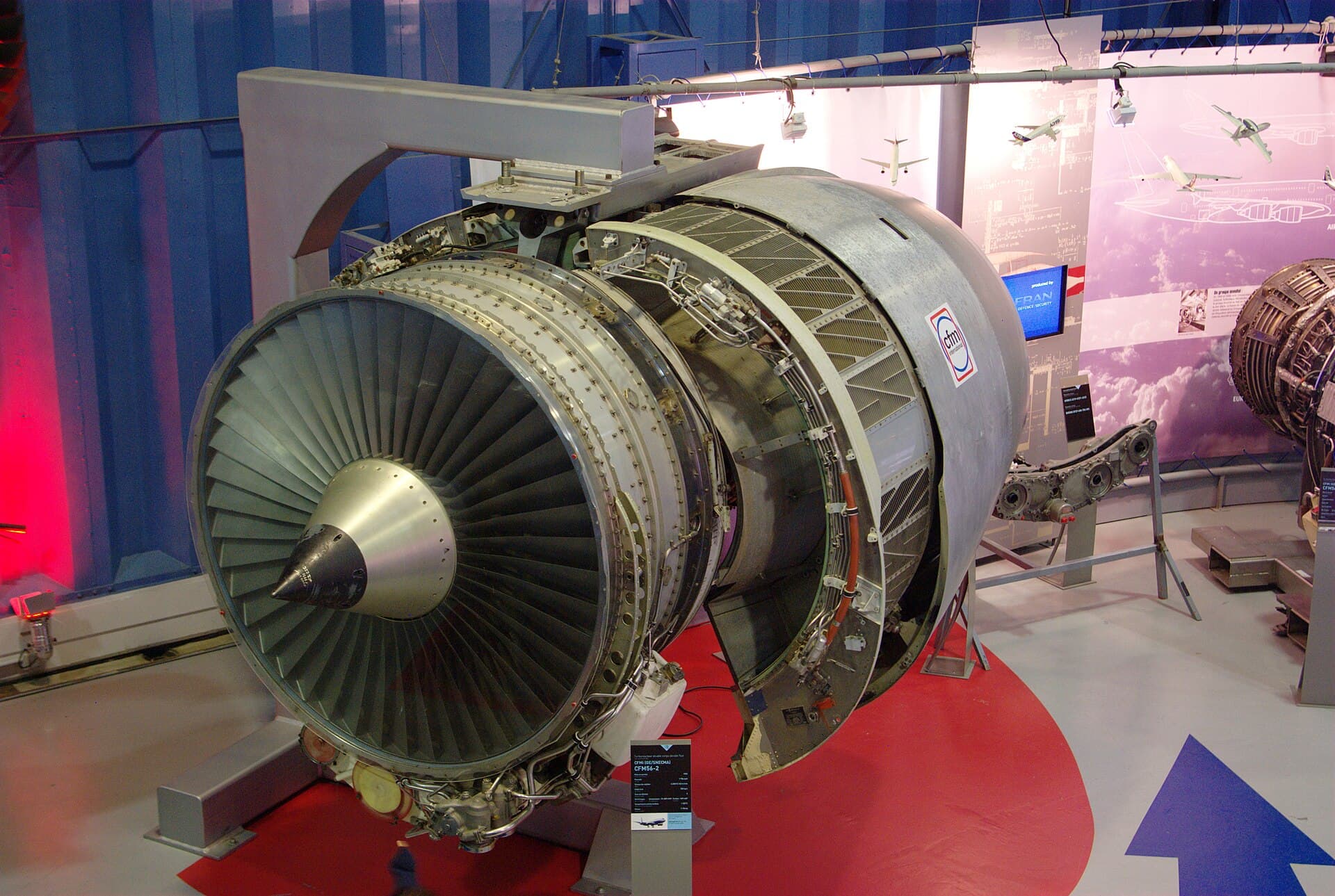
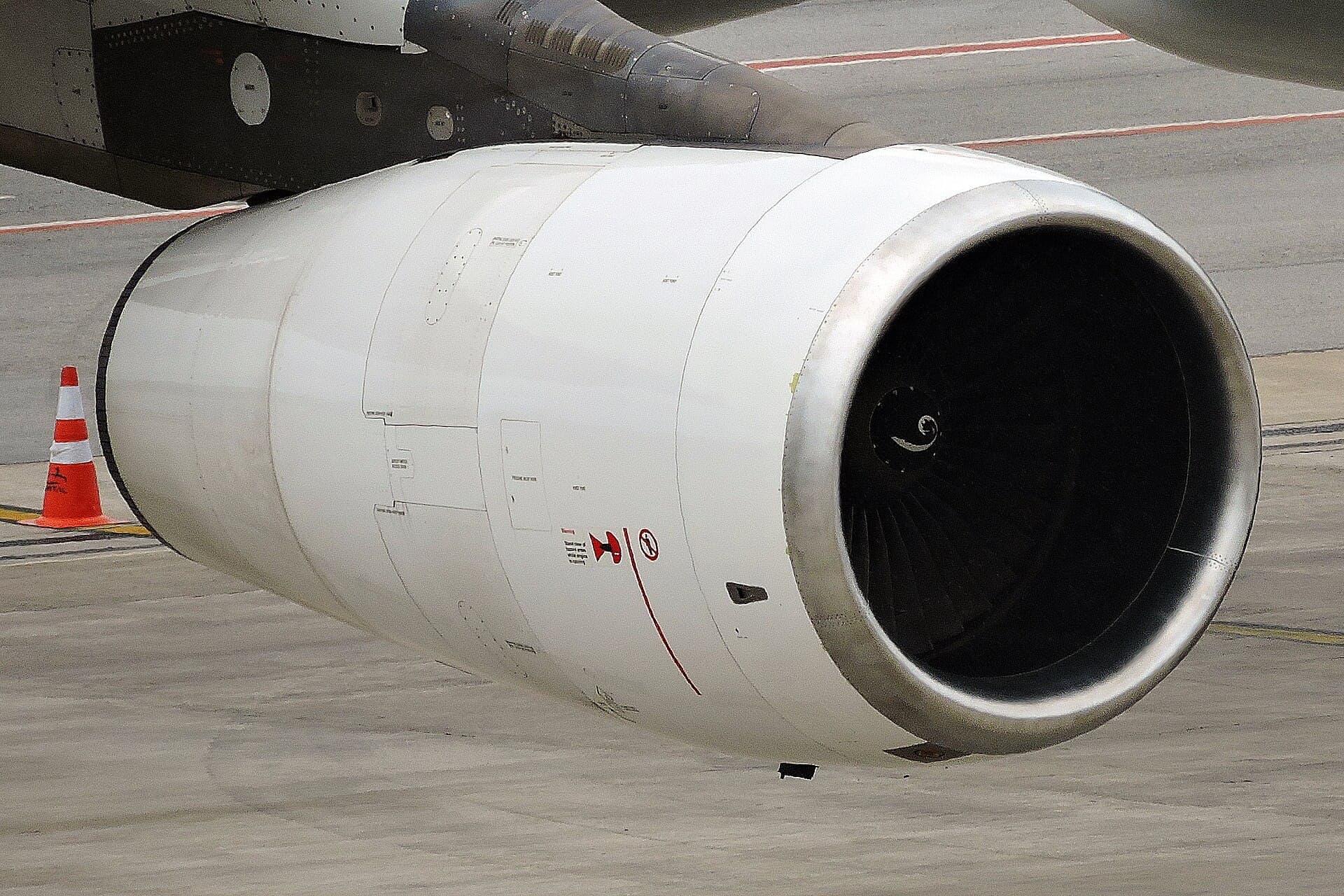
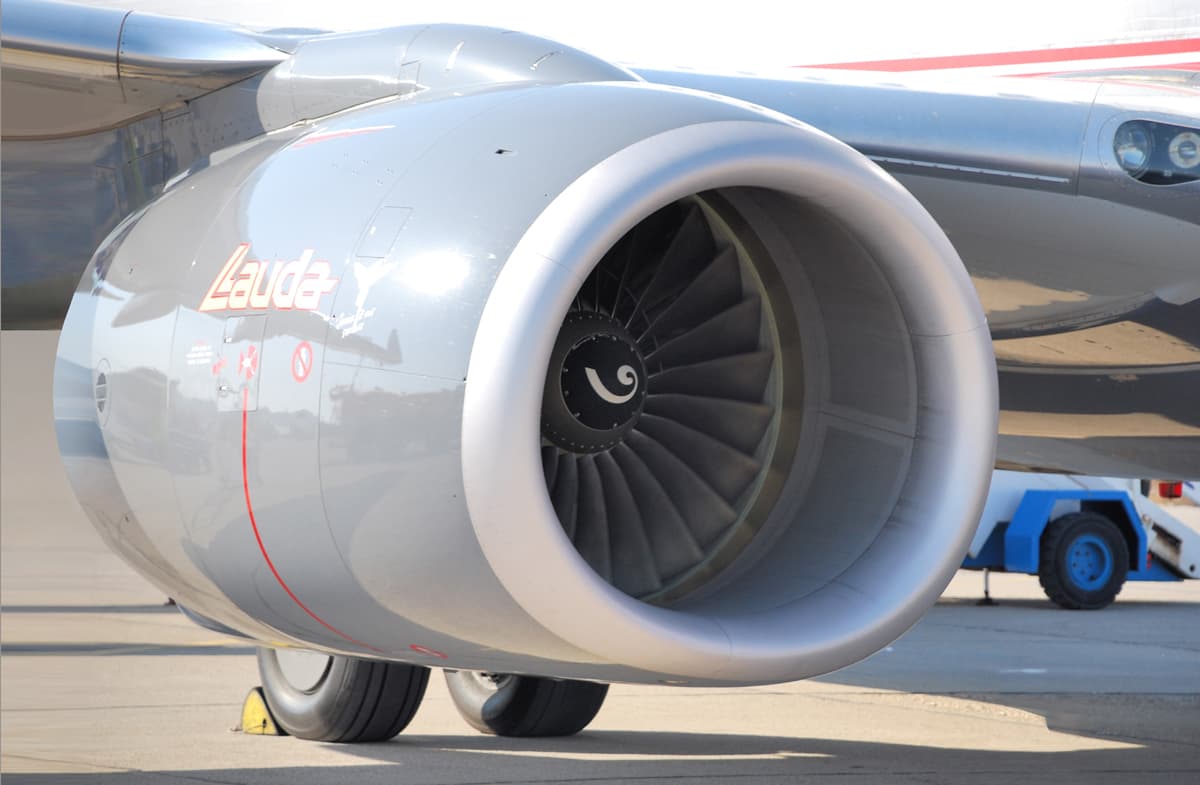
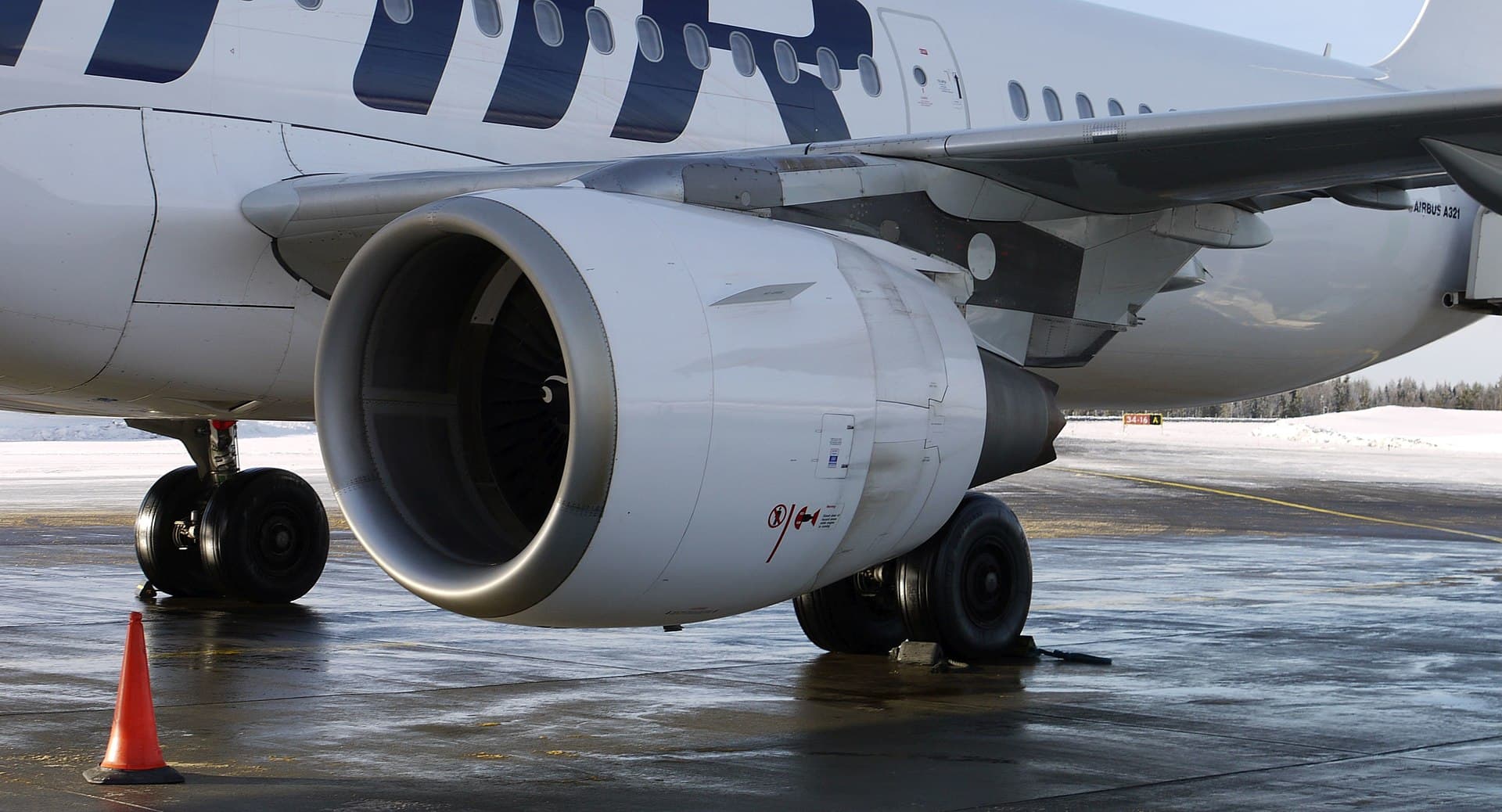
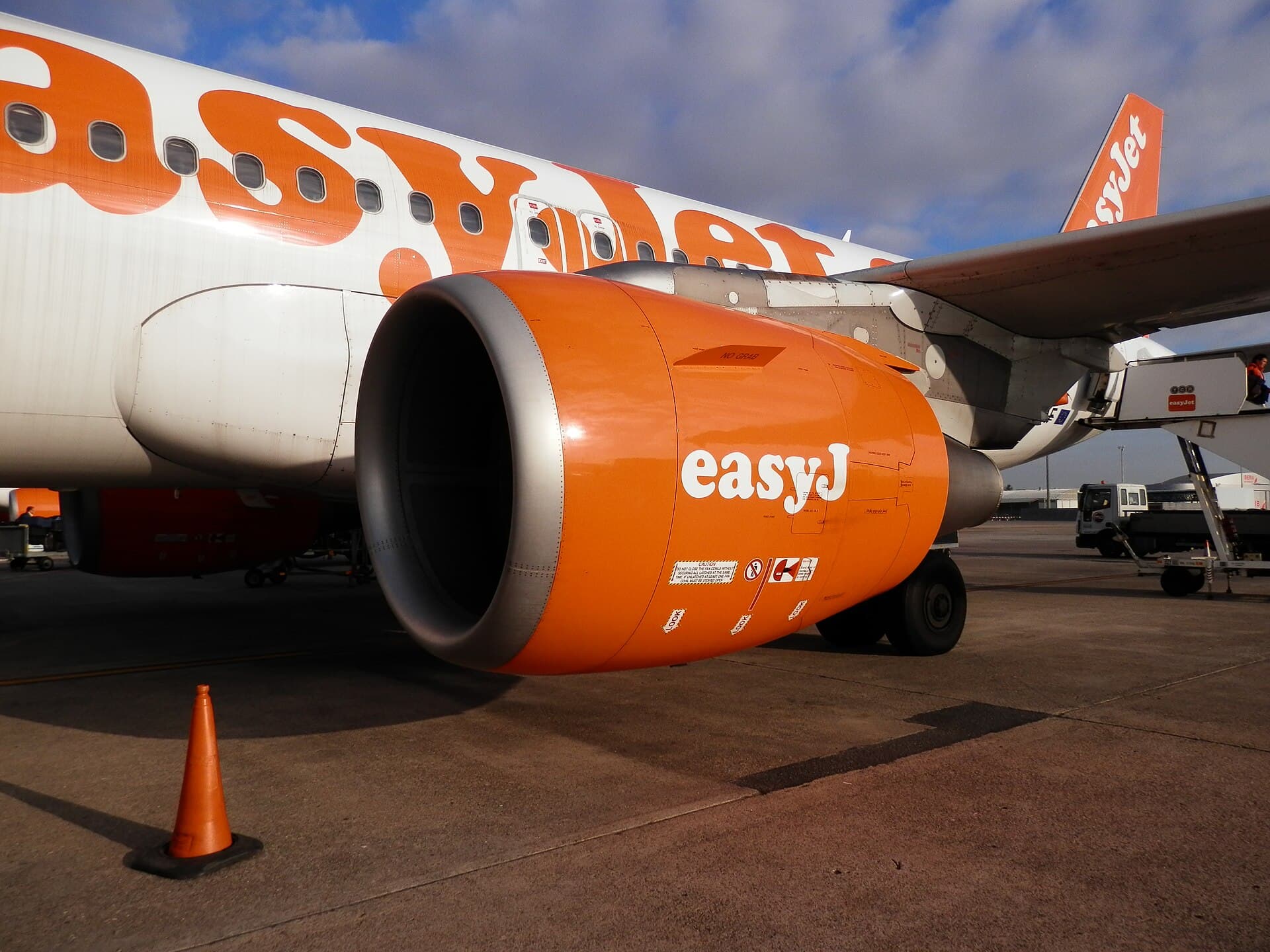
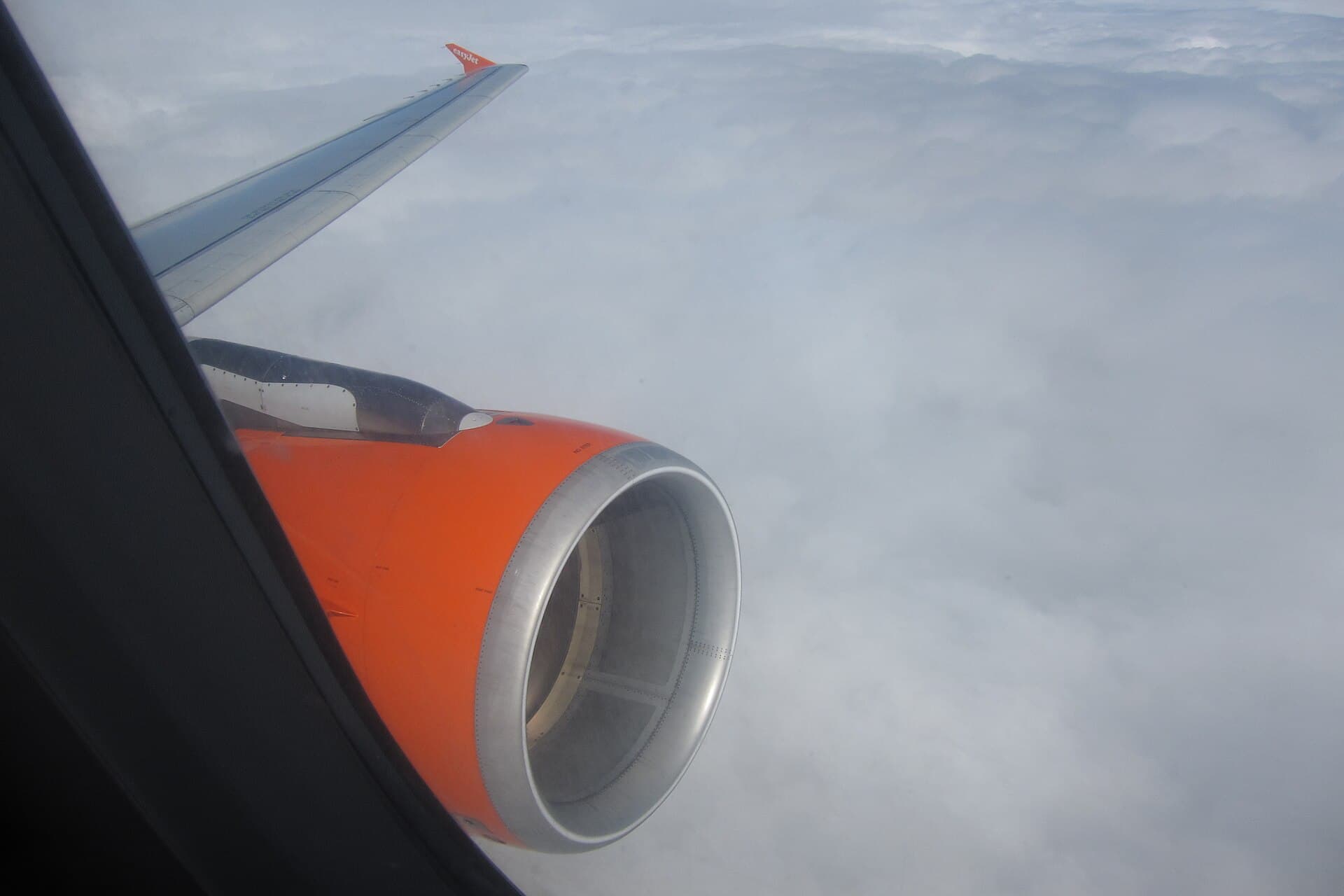
The CFM56 is a two-spool high-bypass turbofan built by CFM International, a company owned in equal halves by General Electric of the United States and Snecma of France, now GE Aerospace and Safran Aircraft Engines. It first ran on 20 June 1974, entered airline service in 1982, and became the best-selling jet engine in the history of civil aviation: 32,645 had been delivered by June 2018, and Safran now puts the total at more than 33,000.
It is the engine of the single-aisle airliner as most people know it. Every Boeing 737 from the -300 to the -900ER flew on CFM56s, as did the Airbus A320 family in its CFM-powered form and the four-engined A340-200 and -300. It also re-engined the Boeing KC-135 tanker fleet, the E-3 Sentry and the Douglas DC-8, and it powers the P-8 Poseidon and E-7 Wedgetail. Across that range the thrust runs from about 19,500 lbf on the smallest 737 rating to 34,000 lbf on the A340.
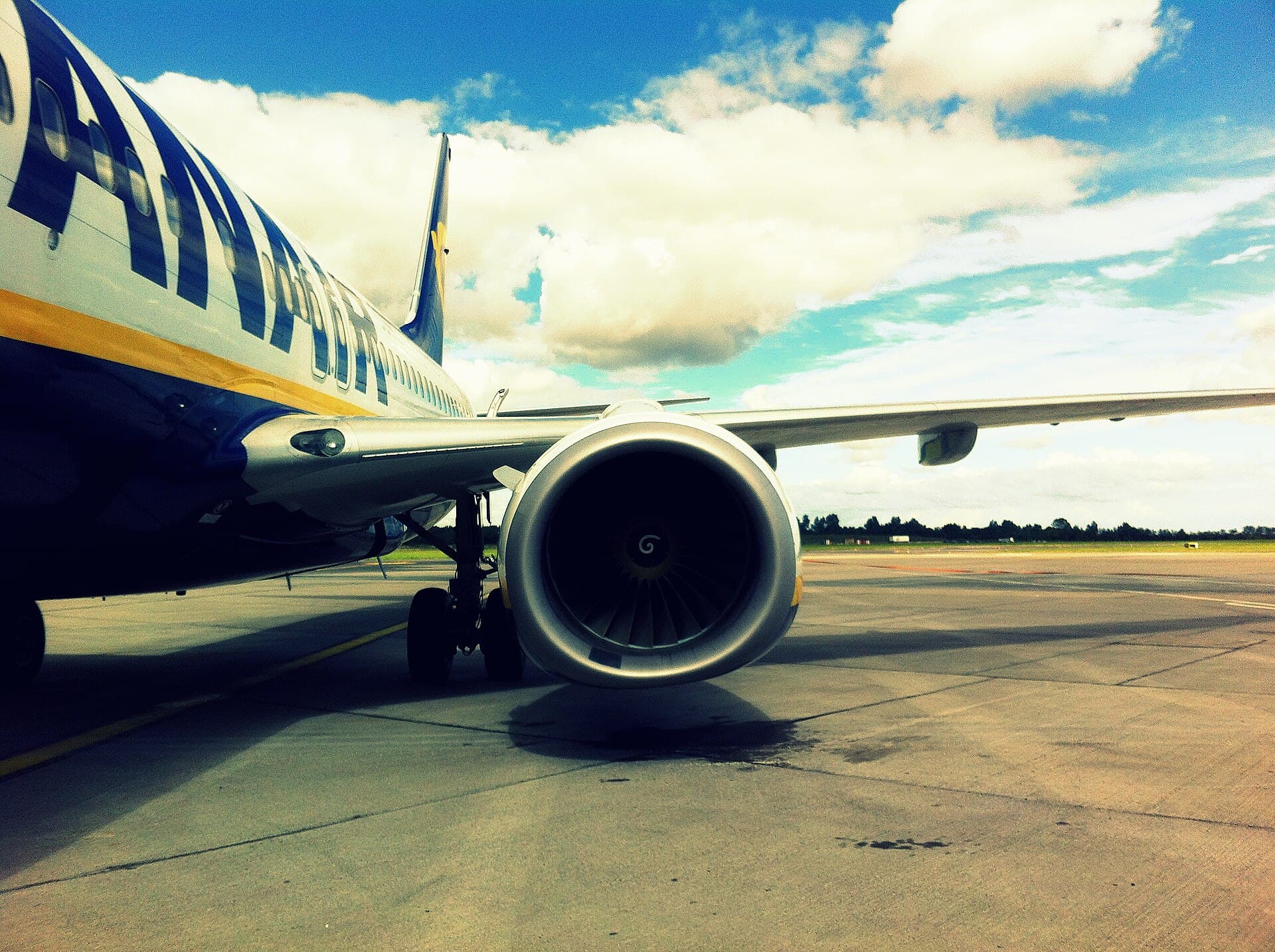
What made it remarkable was less any single technical step than the combination behind it: a military core, a transatlantic workshare negotiated at head-of-state level, and a design so durable that successive upgrades kept it competitive for four decades. The programme came within weeks of cancellation before it had sold a single engine.
Production of new CFM56s for new aircraft has ended; its successor, the LEAP, entered service in 2016. But the in-service fleet runs to tens of thousands of engines, and the CFM56 will be flying passengers for decades after its last delivery.
Aircraft fitted with this engine
Year each aircraft entered service with this engine.
- 1982CFM56-2
Douglas DC-8 Super 70
The re-engining order that saved the programme in 1979.
- 1984CFM56-3
Boeing 737 Classic (-300, -400, -500)
The engine that gave the 737 its flat-bottomed nacelle.
- 1984CFM56-2 (F108)
Boeing KC-135R Stratotanker
- 1986CFM56-2
Boeing E-3 Sentry
- 1988CFM56-5A, CFM56-5B
Airbus A318, A319, A320, A321
One of the two engine choices on the A320ceo family.
- 1989CFM56-2
Boeing E-6 Mercury
- 1993CFM56-5C
Airbus A340-200, A340-300
Four engines per aircraft, the family's largest thrust.
- 1998CFM56-7B
Boeing 737 Next Generation (-600 to -900ER)
Sole engine of the most-produced 737 generation before the MAX.
- 2001CFM56-7B
Boeing C-40 Clipper
- 2012CFM56-7B
Boeing E-7 Wedgetail
- 2013CFM56-7B
Boeing P-8 Poseidon
11 aircraft
Development
At the end of the 1960s both halves of the future company wanted the same thing from opposite directions. Snecma, which had built military engines and the Olympus for Concorde with Rolls-Royce, wanted a place in the civil market for a ten-tonne-class engine (around 20,000 lbf) to power the next generation of short- and medium-haul airliners. General Electric wanted a partner and a route into a market then powered largely by Pratt & Whitney's JT8D. The engine they designed together would take its high-pressure core from the GE F101, then being developed for the B-1 bomber.
That choice was the problem. The F101 core was military technology developed with US government funding, and in 1972 the State Department's Office of Munitions Control refused GE an export licence on national-security grounds. The question went to the top. President Georges Pompidou raised it directly with Richard Nixon, and at their meeting in Reykjavík in 1973 the Americans agreed, on conditions: the core would be built in the United States and shipped to France as a sealed unit, and the partners would pay a royalty of about $80 million, calculated as $20,000 on each of a forecast 4,000 engines.
CFM International was founded in 1974 as a 50-50 joint company. The workshare followed the politics: GE built the core (high-pressure compressor, combustor and high-pressure turbine) in the United States, while Snecma built the fan, the low-pressure compressor, the low-pressure turbine and the gearbox in France, and final assembly ran at both GE's Evendale plant and Snecma's Villaroche site. The name combined the two companies' conventions: "CF" is GE's designation for its commercial turbofans, and "M56" was the name of Snecma's original engine proposal. The first engine ran at Evendale on 20 June 1974.
Then, for five years, nobody bought it. The engine first flew in February 1977, replacing one of the four JT8Ds on a McDonnell Douglas YC-15, and soon afterwards on a Caravelle at Snecma's flight-test centre, but no airframer launched an aircraft around it, and by early 1979 the partners were preparing to wind the programme up. It was saved in April 1979, when United Airlines decided to re-engine thirty DC-8-61s with the CFM56: by the company's later account, about two weeks before the joint venture would have been dissolved.
Design
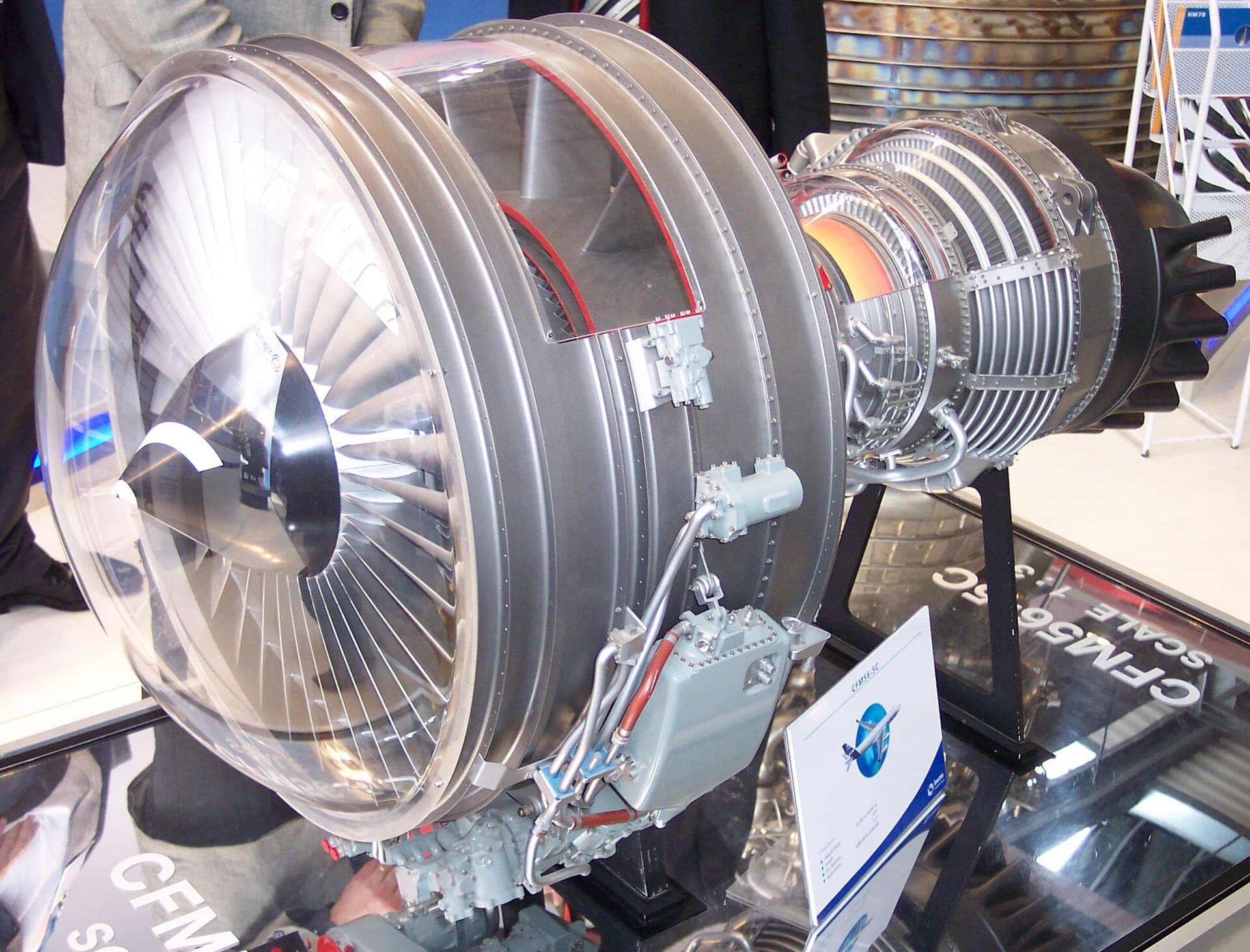 CFM56-5C
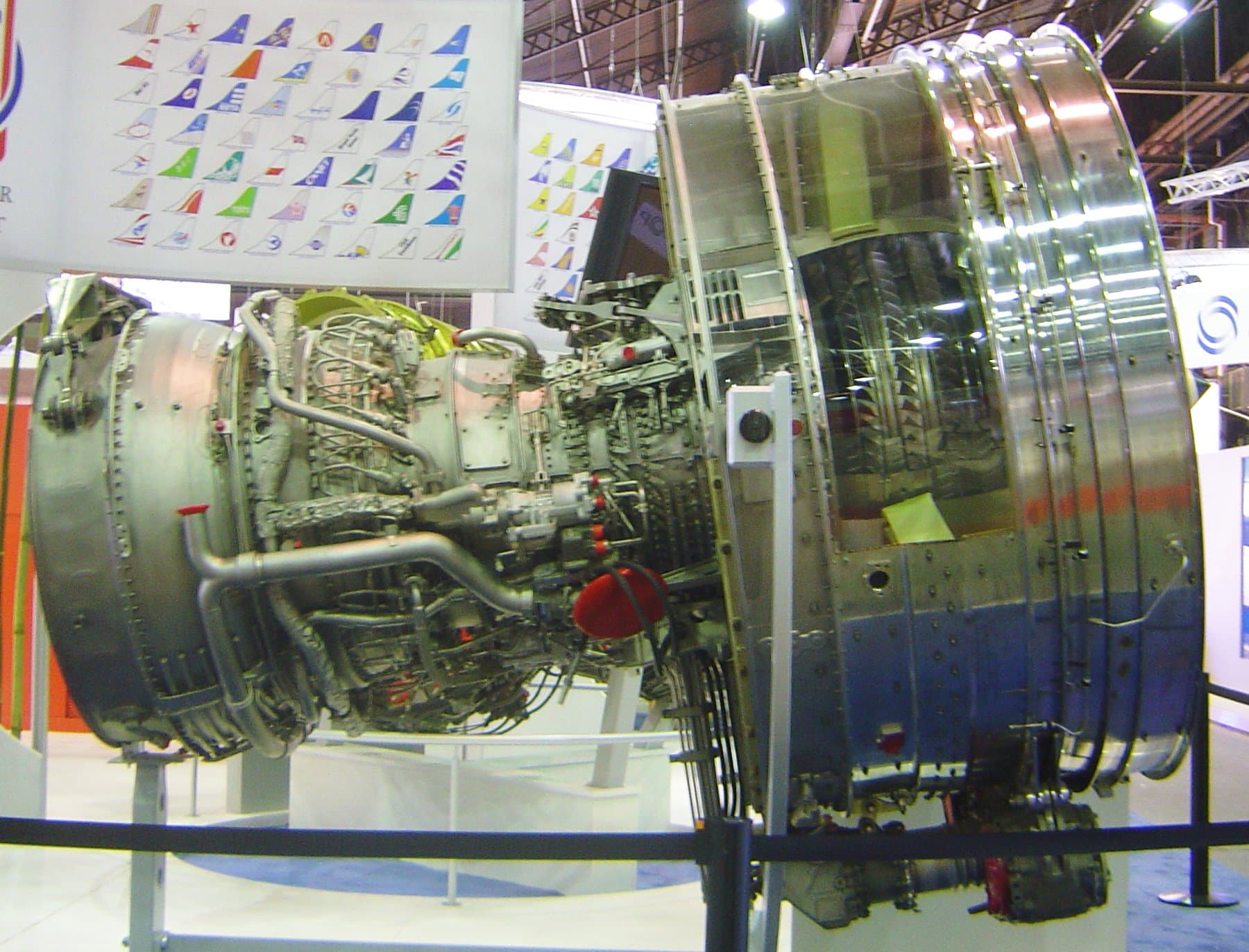
The CFM56 is a two-spool engine: a low-pressure spool, on which the fan, a small booster compressor and the low-pressure turbine turn together, and a high-pressure spool inside it carrying the nine-stage high-pressure compressor and its single-stage turbine. That high-pressure core is the F101's, and it is the reason the engine existed at all. Everything around it (fan, booster, low-pressure turbine, gearbox) was Snecma's.
It is a high-bypass engine, and that is where most of its thrust comes from. On most versions the fan moves between five and six times as much air around the core as through it, and that cold bypass stream, accelerated gently rather than violently, does the bulk of the work at far lower fuel burn and noise than the low-bypass engines it replaced. The original -2 had a 68.3-inch fan with 44 blades.
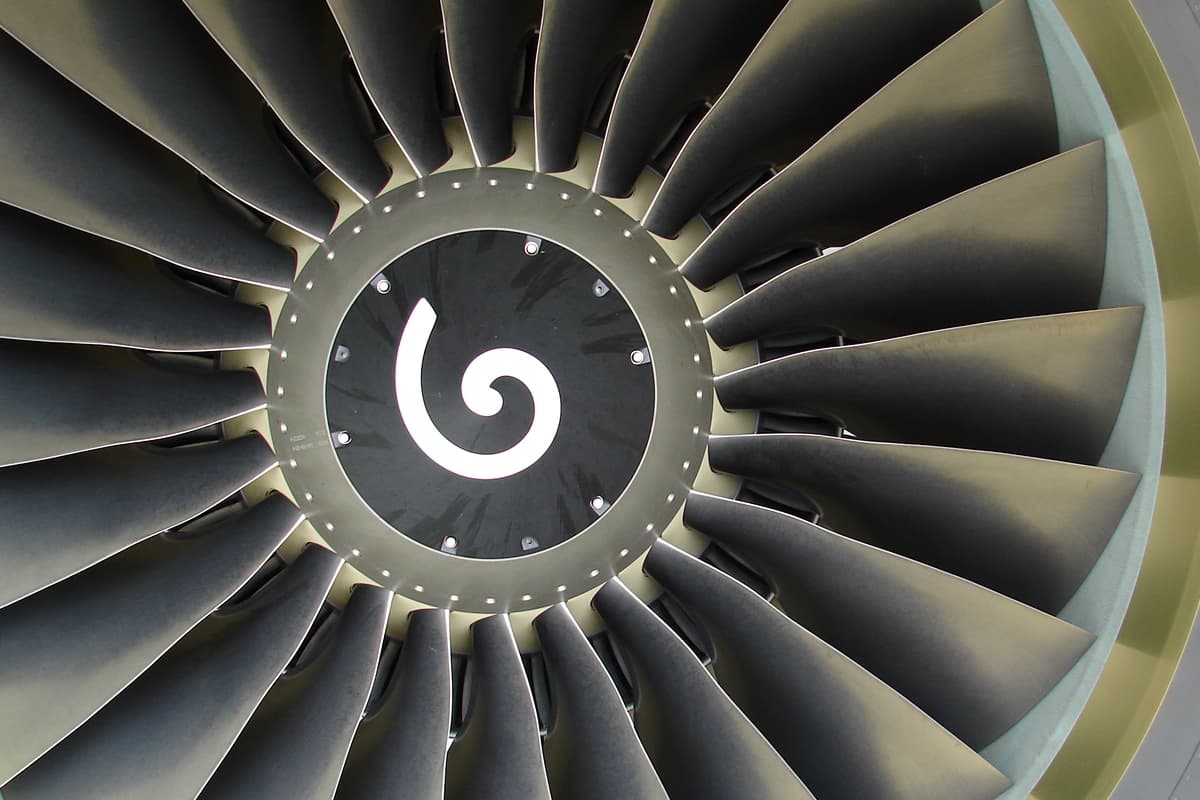 CFM56-7B
The fan shrank and changed shape as the family grew. The -3 lost eight inches of diameter for reasons that had nothing to do with aerodynamics, described below. The -7B of 1995 replaced the many narrow blades of earlier versions with 24 wide-chord titanium blades on a 61-inch fan, fewer and stronger, and moved to full-authority digital engine control, which the -5 series had already introduced.
Within one architecture there is a surprising amount of variety. The -5B could be ordered with a double-annular combustor, burning in two concentric rings to cut nitrogen oxides. The -5C for the four-engined A340 had a larger fan, a five-stage low-pressure turbine and, alone in the family, a mixed exhaust, in which the bypass and core streams leave through a single nozzle. The cutaway beside this passage is a -5C.
Production
Production ran at a pace no previous commercial engine had approached. Safran records the 30,000th CFM56 delivery in 2016, and 1,665 engines were delivered in that single year, when the backlog still stood at about 3,000 engines.
By June 2018, 32,645 CFM56s had been delivered. Safran now gives the total as more than 33,000; the difference is the tail of production after the 2018 count, and the exact final figure is not published in the sources used here, so FLYPEDIA records the dated one.
The end came in stages as the successor took over each airframe. The last CFM56 for a new 737NG was delivered in 2019 and the last for a new A320ceo in May 2020, and production for the remaining military and spare-engine requirements was expected to conclude around 2024.
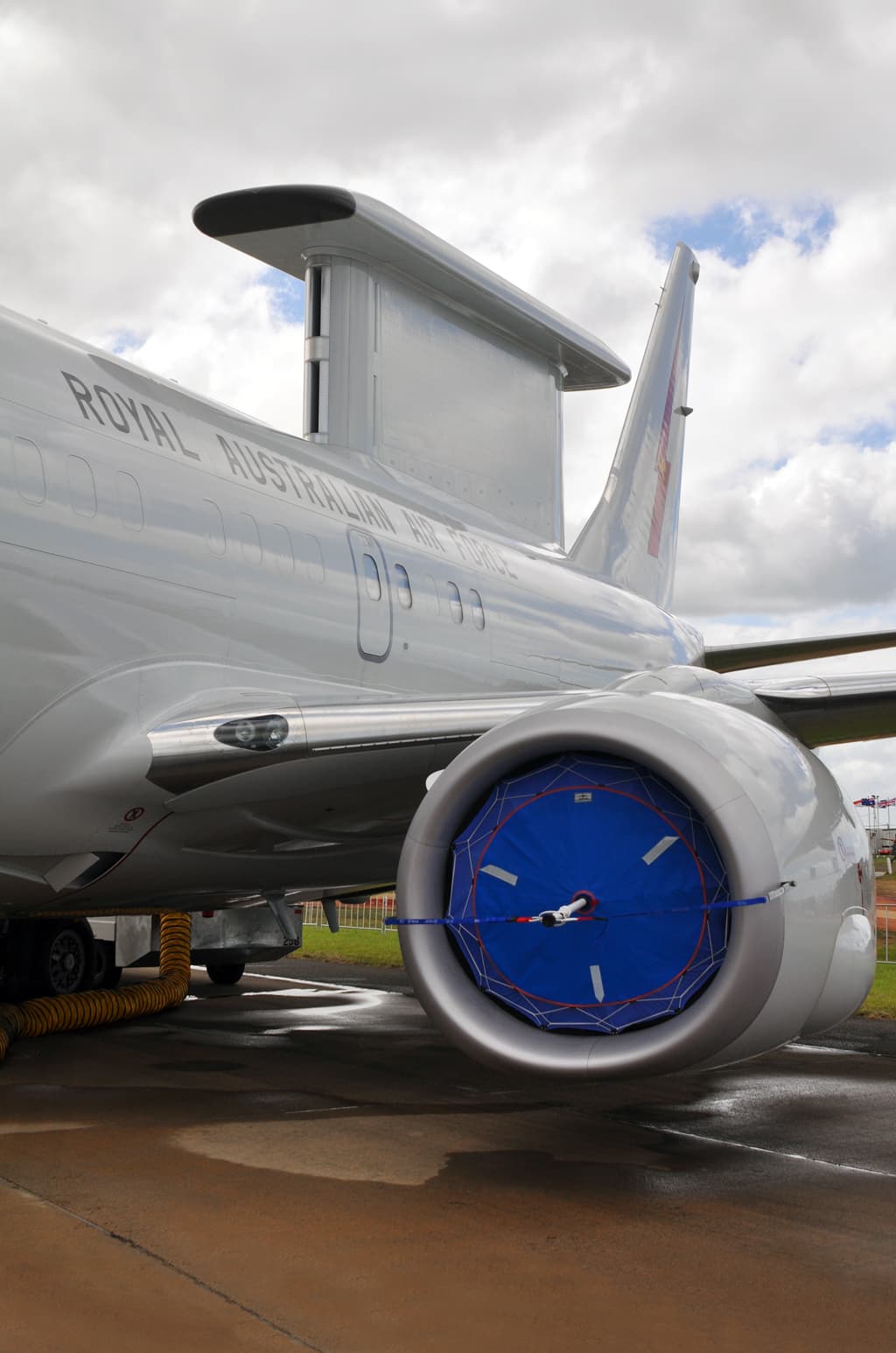 CFM56-7B
The military 737 derivatives kept the -7B in demand after the airliners had moved on. The P-8 Poseidon, the C-40 Clipper and the E-7 Wedgetail are all built on 737NG airframes and all fly on CFM56-7Bs, and their fleets, like the KC-135R's, will keep the engine in military service for decades.
In service
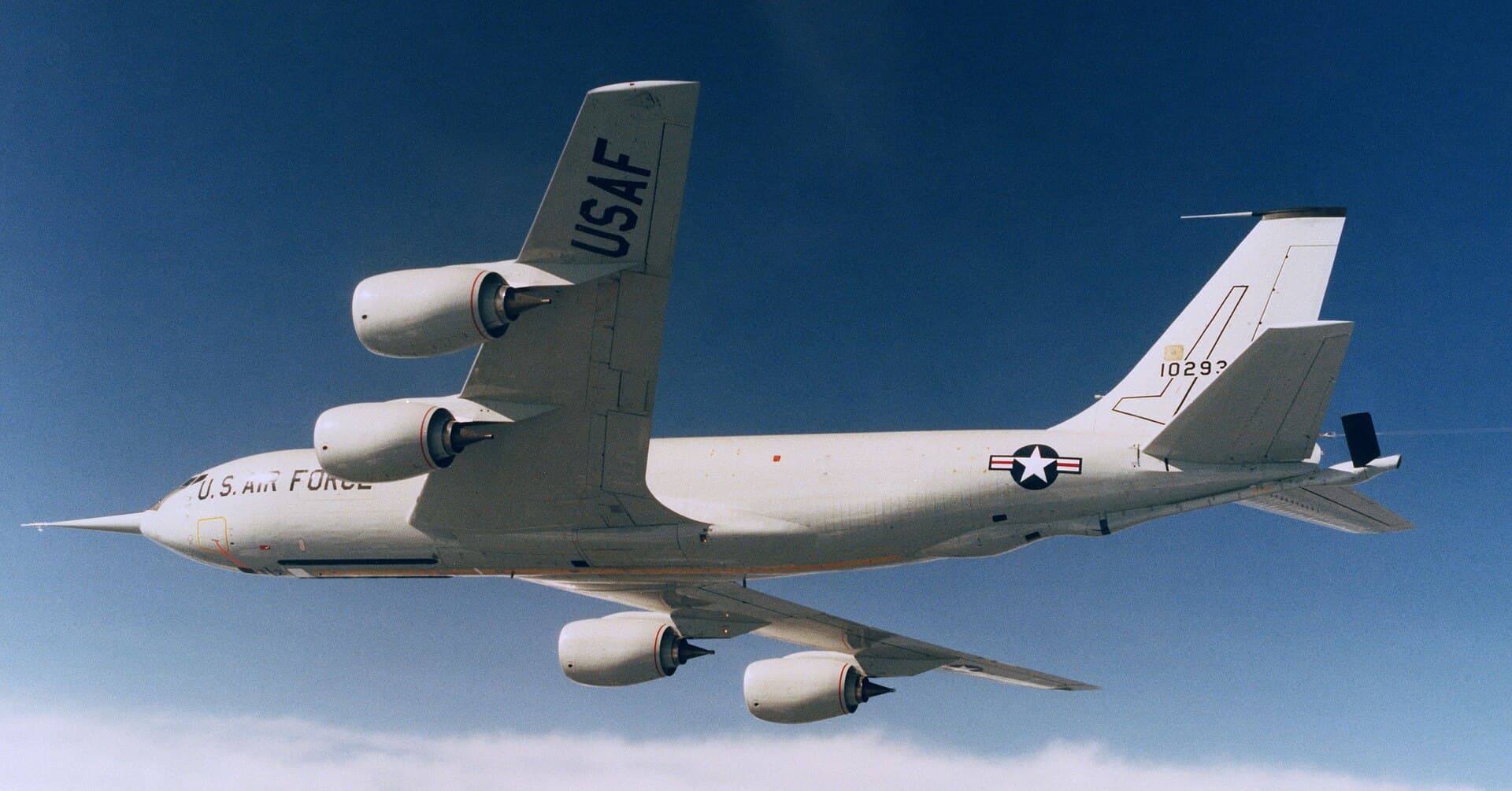 F108 (CFM56-2)
The engine's first market was not a new aeroplane but old ones. United's 1979 decision launched a re-engining programme for the four-engined Douglas DC-8, and the resulting DC-8 Super 70 series traded the original low-bypass engines for CFM56-2s: quieter, cleaner and far cheaper to run. It entered service in 1982, the year Safran now marks as the engine's arrival in airline use.
The decisive order came from the United States Air Force. Its Boeing KC-135 tankers were being re-engined, and the CFM56-2, as the military F108, became the engine of the KC-135R. The change transformed the aircraft: more fuel could be offloaded from the same airframe, from shorter runways, with a fraction of the noise and smoke of the original turbojets. The same engine went on to the E-3 Sentry and the E-6 Mercury.
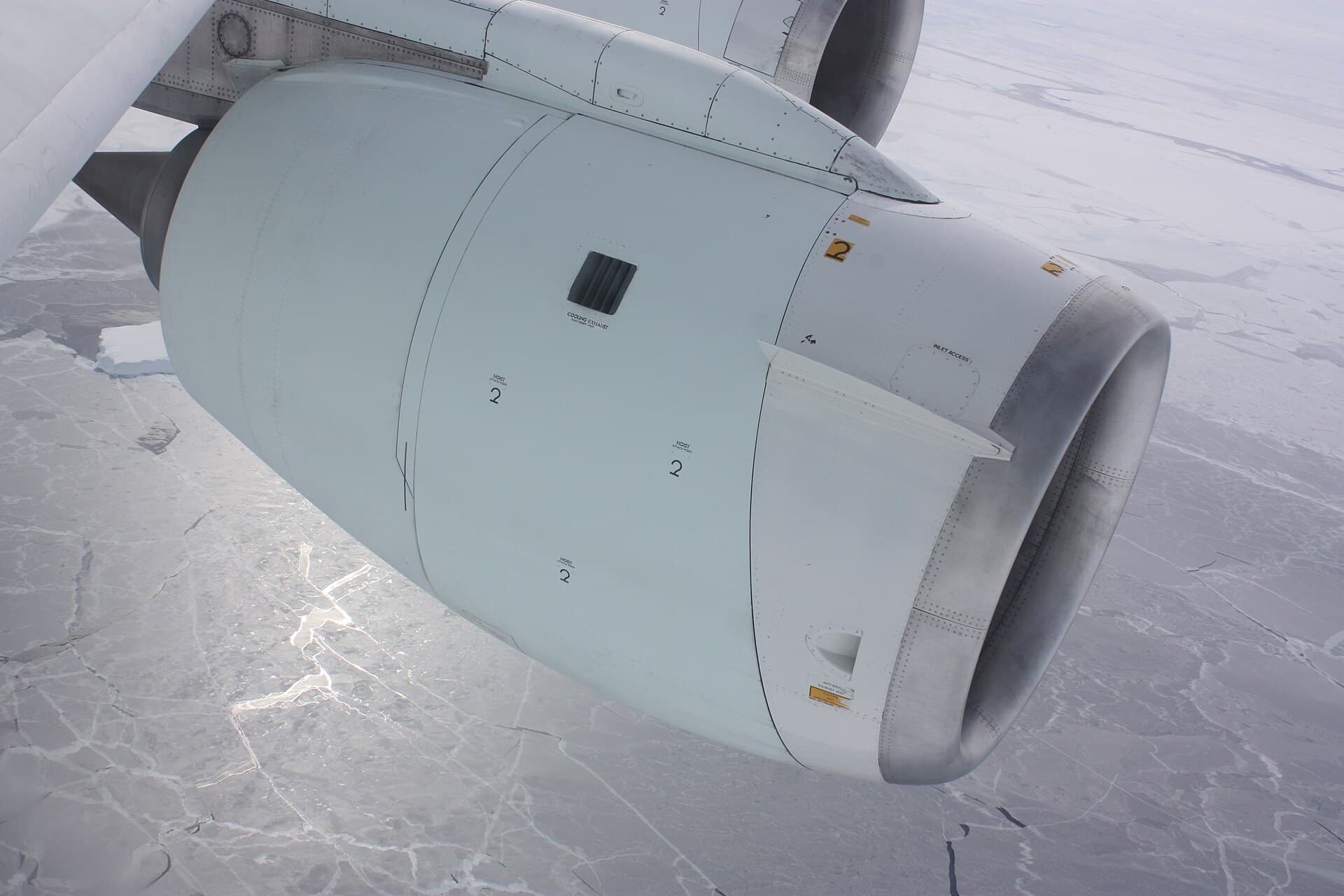 CFM56-2
The -2 therefore did something unusual for a commercial engine: it built its production base and its reliability record largely on military and re-engining work before the new-build airliner market arrived. By the time Boeing and Airbus came looking, CFM had an engine that had already accumulated real hours in service.
Some of those -2-powered aircraft are still working. NASA's DC-8 airborne laboratory flew science missions over the polar ice on CFM56-2s well into the 2010s, and the KC-135R remains in front-line service.
Reliability and maintenance
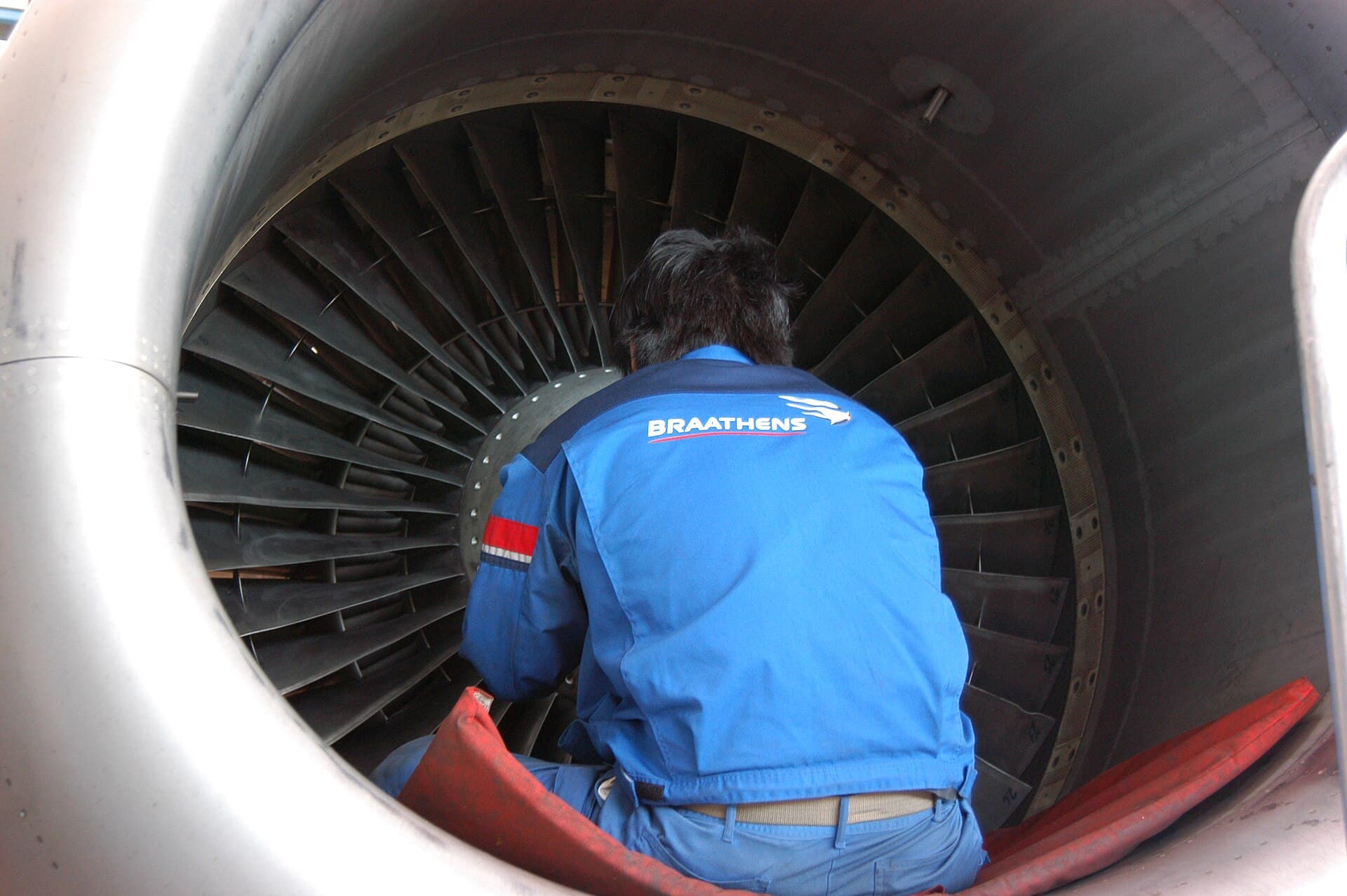
What sold the CFM56 to airlines, as much as its fuel burn, was the fact that it stayed on the wing. The fleet's in-flight shutdown rate has been quoted at about one event per 333,333 engine hours, and in June 2019 the CFM56 fleet passed one billion engine flight hours, the equivalent of roughly 115,000 years of continuous running.
The measure that matters most to an operator is time on wing before the first shop visit, and it rose steadily through the programme. A CFM56 set a record of 30,000 hours before its first removal in 1996; the figure reached 40,729 hours in 2003 and 50,000 hours by 2016.
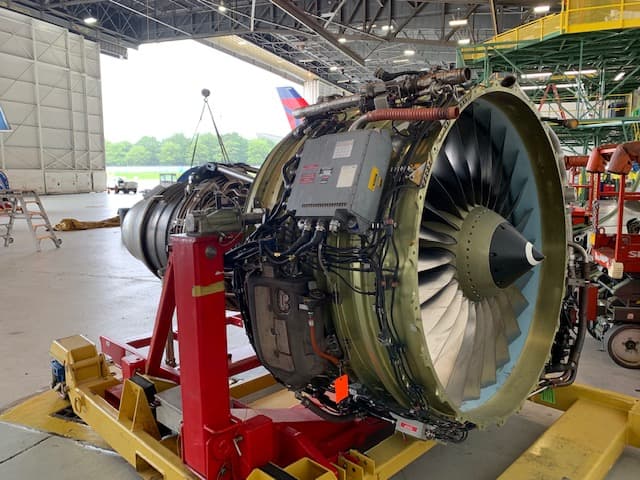 CFM56-7B26
Shop visits are where the economics of a turbofan are decided. A performance-restoration visit for a -5 series engine has been put at $0.3 million to $0.6 million, while replacing the life-limited parts: the discs and shafts that must be retired after a certified number of cycles whatever their condition: has cost $3 million to $4 million with labour. Against a list price of about $10 million per engine, that is why airlines and lessors plan fleets around the timing of shop visits as carefully as around the aircraft themselves.
The scale of the operation is its own argument. More than 550 operators have flown the engine, and at any moment roughly 2,400 CFM56-powered aircraft are in the air. A maintenance network of that size outlives any production line.
Upgrades
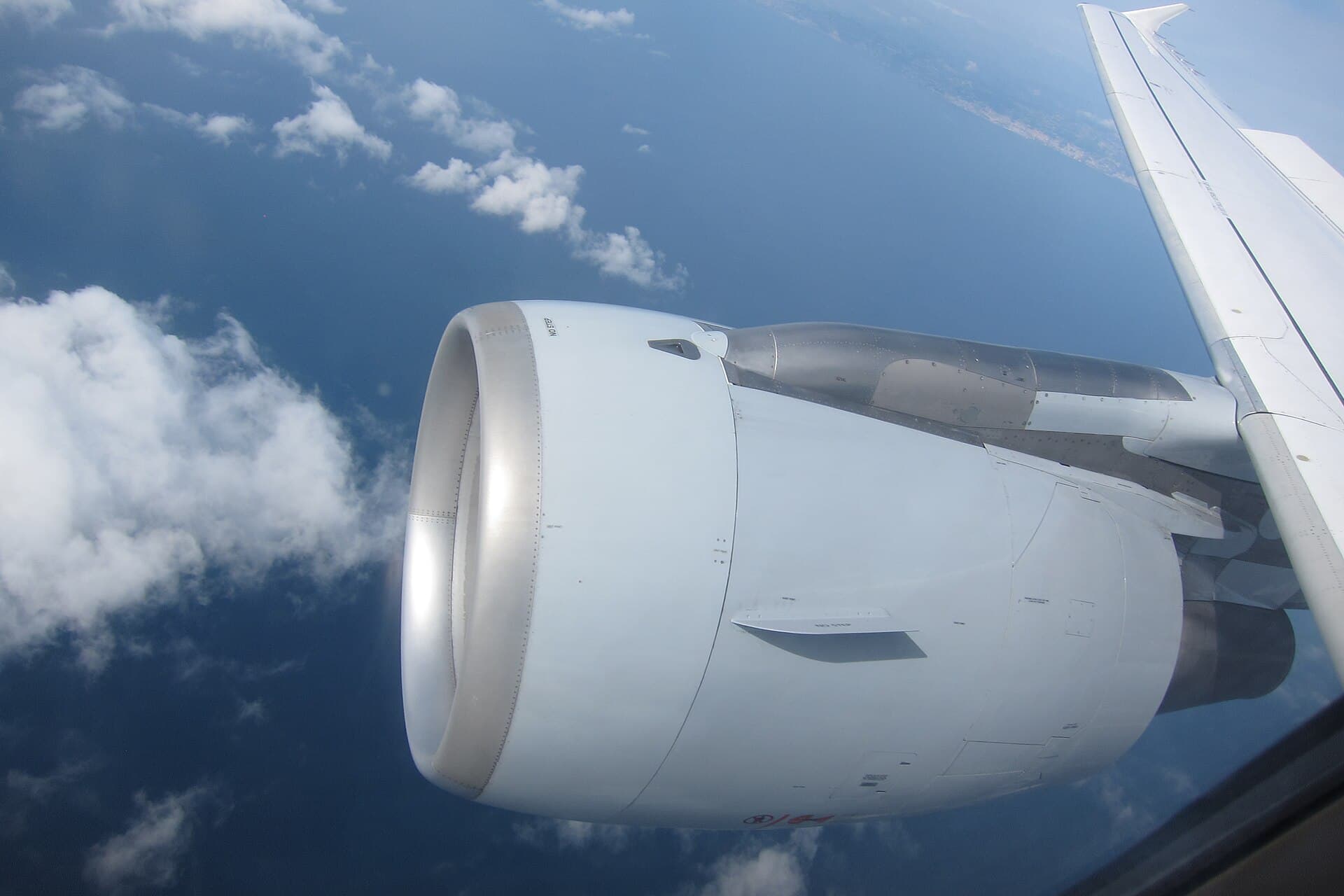
The CFM56 was never replaced by a clean-sheet successor within its own family; it was improved from inside. In 1998 CFM launched Tech56, a technology programme aimed at a possible all-new single-aisle engine. What it produced instead was a set of parts that could be built into the existing design, and that choice shaped the engine's second half-life.
The result, launched in 2004, was Tech Insertion: redesigned high-pressure compressor blading, an improved combustor and improved high- and low-pressure turbine components. It brought lower fuel burn, lower nitrogen-oxide emissions and about 5 per cent lower maintenance cost, and from 2007 it was standard on new CFM56-5B and -7B engines.
The second step was the CFM56-7BE, announced in 2009 and called Evolution. It reworked the aerodynamics of both turbines, improved cooling and reduced the part count, for an expected 4 per cent saving in maintenance cost and 1 per cent in fuel burn, later revised to 1.6 per cent. The FAA and EASA certified it jointly on 30 July 2010, and deliveries began in the middle of 2011.
Neither upgrade changed what the engine was. Both kept a design from the 1970s competitive on aircraft still being sold into the 2010s, and they bought CFM the time to develop its real successor on its own schedule rather than a rival's.
Applications
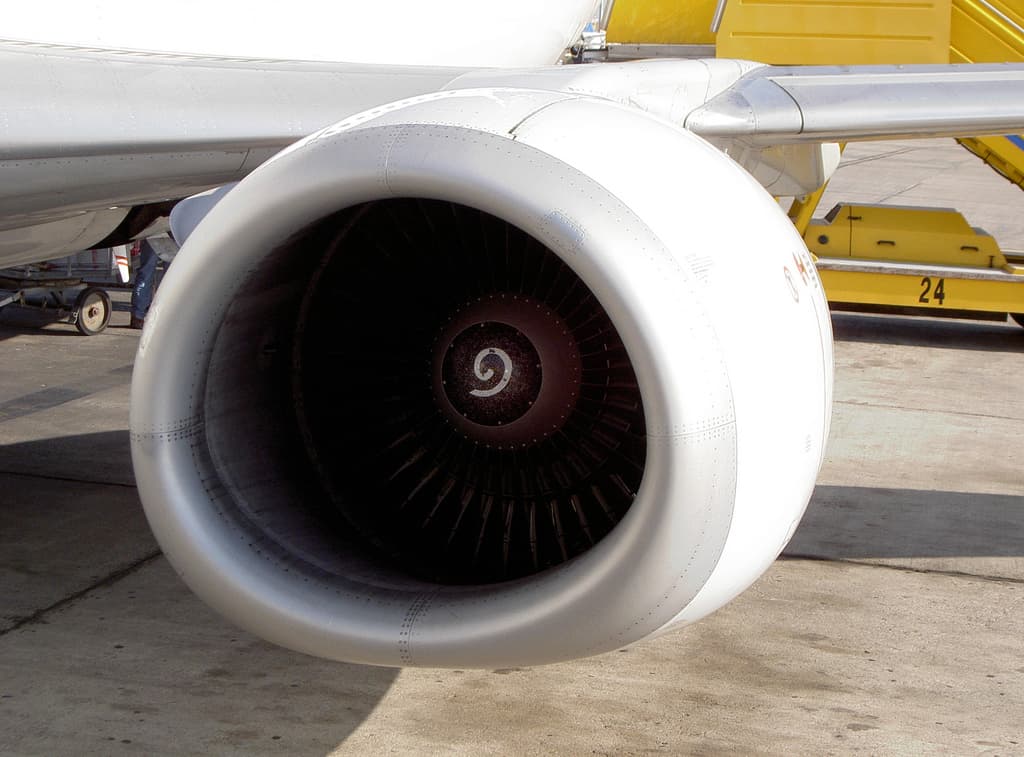 CFM56-3
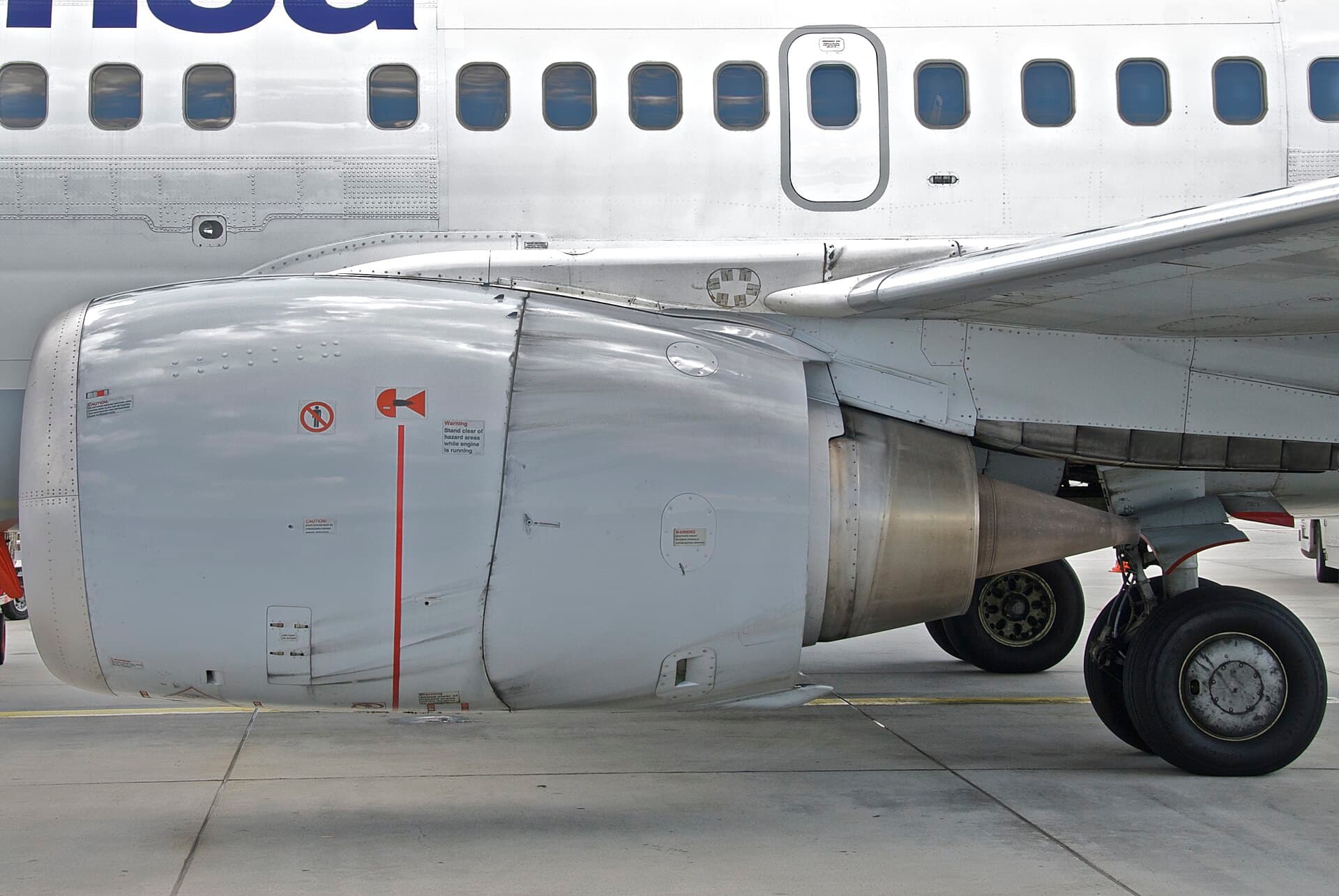
The engine that made CFM's fortune was the -3, developed in the early 1980s for Boeing's new 737-300, -400 and -500. The 737 sits low to the ground, and the -2's fan simply did not fit under the wing. CFM cut the fan diameter from 68.3 to 60 inches and moved the accessory gearbox from beneath the engine to its side, and the nacelle's lower lip was flattened to clear the runway. The result is the most recognisable engine intake of its era: the 737 Classic's faintly egg-shaped, flat-bottomed nacelle. The -3 was offered at 20,000, 22,000 and 23,500 lbf, and it turned the 737 into the best-selling airliner family in the world.
Airbus followed. The -5A powered the A320 from its introduction, and the improved -5B (with a four-stage booster and thrust from 21,600 to 33,000 lbf) covered the whole A318, A319, A320 and A321 family. At the top of the range, the -5C of up to 34,000 lbf powered the four-engined A340-200 and -300, where its fuel economy on long routes mattered more than the raw thrust of a larger engine.
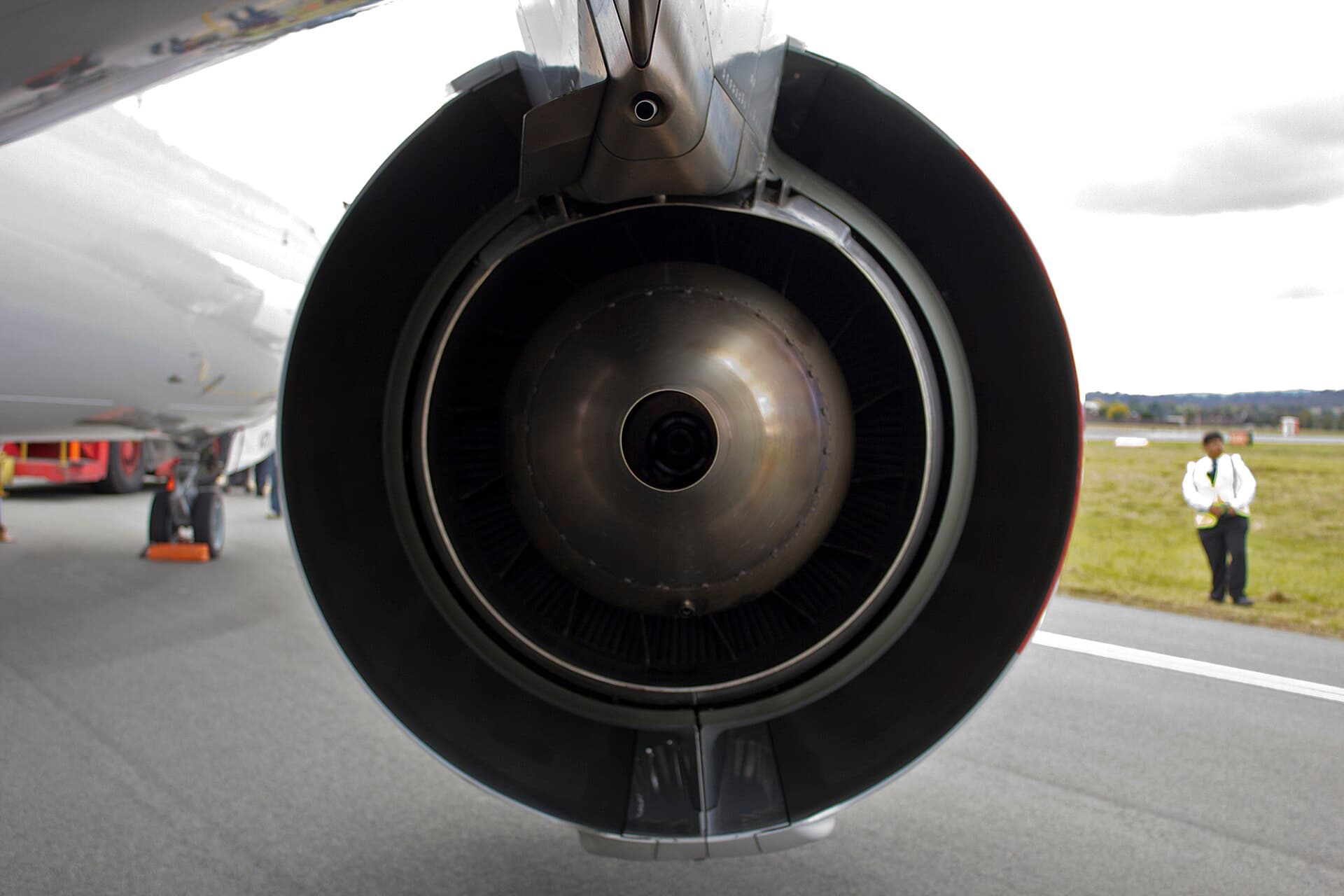 CFM56-7B26
The -7B came next and sold in the largest numbers of all. First run on 21 April 1995 for the 737 Next Generation (the -600, -700, -800 and -900) it delivered around 8 per cent lower fuel burn and 15 per cent lower maintenance cost than the -3, at ratings from 19,500 to 27,300 lbf, and was approved for 180-minute extended-range twin operations less than two years after entering service. It is also the engine of the military 737 derivatives: the P-8 Poseidon, the C-40 Clipper and the E-7 Wedgetail.
By the end, the CFM56 was the sole engine of the 737 family from the Classic onward and one of two choices on the A320ceo, and the pair of those aeroplanes is the backbone of the world's short- and medium-haul fleets.
Legacy
The CFM56's successor is the LEAP, which entered service in 2016. It keeps the joint company and the two-spool layout but little else: composite materials in the fan and elsewhere, a bypass ratio above 10:1 against the CFM56's five or six, and an improvement in efficiency of around 16 per cent.
The LEAP took over the same two airframe families in their re-engined forms, which is the clearest measure of what the CFM56 had built. Four decades of single-aisle flying had been done on one engine family, and the franchise passed to its successor rather than to a rival.
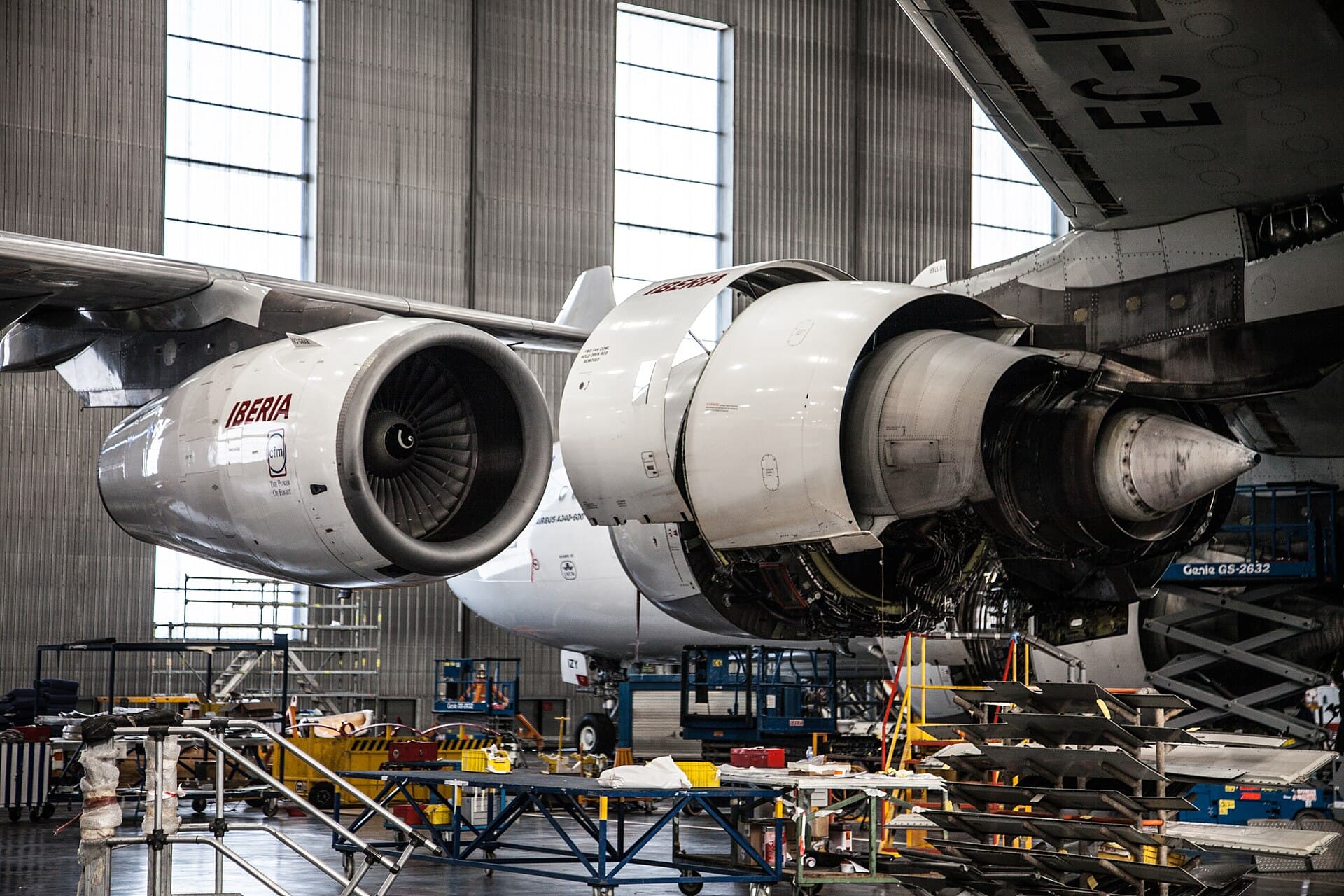
It is also worth seeing where the CFM56 stopped. The A340-300 flew on four CFM56-5Cs; when Airbus stretched the aircraft into the A340-600, it needed the much larger Rolls-Royce Trent 556. The engine's thrust class, set at ten tonnes in the late 1960s, was the right size for the narrow-body and the wrong size for the growth of the wide-body.
The fleet will outlast production by a long way. Tens of thousands of CFM56s remain in airline and military service, and the engine is finding work beyond aircraft: in 2026 FTAI Aviation announced plans to rebuild 100 CFM56s a year into 25-megawatt aeroderivative power turbines.
Output by altitude
A piston engine has no single power figure. Each rating below is what the sources publish for one mark under one set of conditions, at the altitude it was measured at.
| Mark and conditions | Altitude | Output |
|---|---|---|
| CFM56-2A2Take-off, sea-level static | Sea level | 106.8kN |
| CFM56-2B1Take-off, sea-level static | Sea level | 97.9kN |
| CFM56-2C1Take-off, sea-level static | Sea level | 97.9kN |
| CFM56-3B1Take-off, sea-level static | Sea level | 89kN |
| CFM56-3B2Take-off, sea-level static | Sea level | 97.9kN |
| CFM56-3C1Take-off, sea-level static | Sea level | 104.5kN |
| CFM56-5B6Take-off, sea-level static (EASA type certificate) · flat-rated to 45 °C | Sea level | 104.5kN |
| CFM56-5B4Take-off, sea-level static (EASA type certificate) · flat-rated to 45 °C | Sea level | 120.1kN |
| CFM56-5B3Take-off, sea-level static (EASA type certificate) · flat-rated to 30 °C | Sea level | 142.3kN |
| CFM56-5C4Take-off, sea-level static (EASA type certificate) · flat-rated to 30 °C | Sea level | 151.2kN |
| CFM56-5B1Maximum continuous, sea-level static (EASA type certificate) · flat-rated to 25 °C | Sea level | 129.4kN |
| CFM56-7B20Take-off, sea-level static (EASA type certificate) | Sea level | 91.6kN |
| CFM56-7B22Take-off, sea-level static (EASA type certificate) | Sea level | 101kN |
| CFM56-7B24Take-off, sea-level static (EASA type certificate) | Sea level | 107.7kN |
| CFM56-7B26Take-off, sea-level static (EASA type certificate) | Sea level | 117kN |
| CFM56-7B27Take-off, sea-level static (EASA type certificate) | Sea level | 121.4kN |
Mark evolution
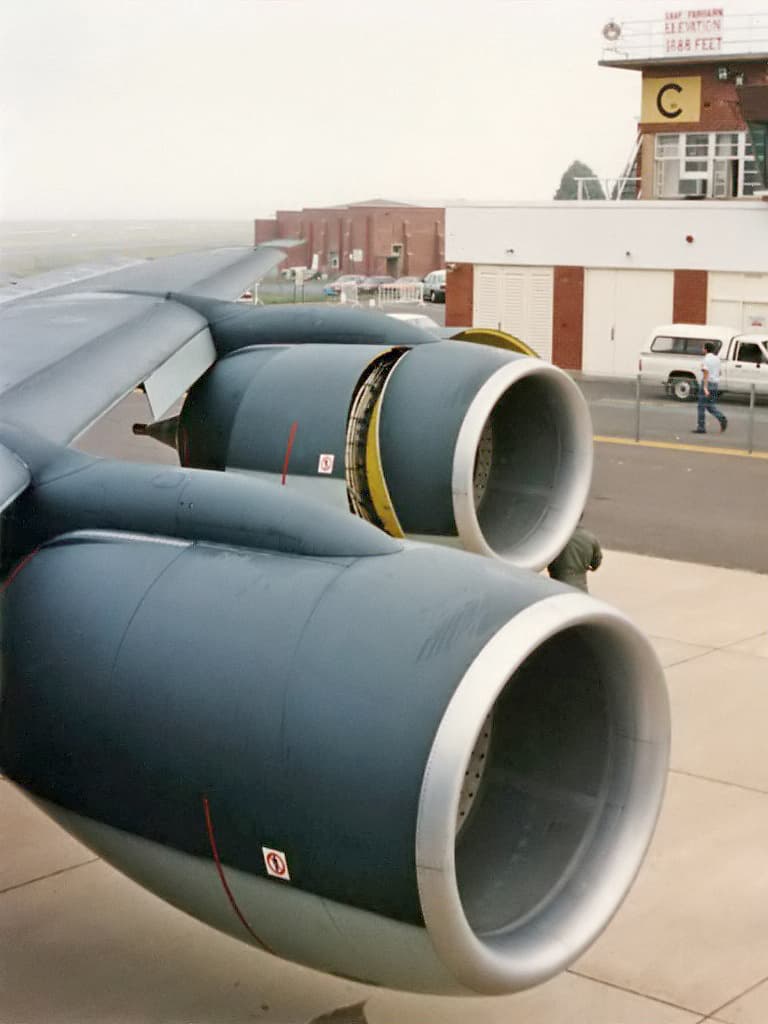 F108 (CFM56-2)
Two of the four CFM56 engines on a USAF KC-135R at Canberra Airport CFM56-2
1974106.8 kNThe original engine, first run on 20 June 1974. It re-engined the DC-8 as the Super 70 series and, as the military F108, the KC-135R, E-3 and E-6.
A 68.3-inch, 44-blade fan on the F101-derived core; 22,000 to 24,000 lbf.
 CFM56-3
The CFM56-3 nacelle of a Lufthansa Boeing 737-300 at Frankfurt CFM56-3
104.5 kNDeveloped in the early 1980s for the Boeing 737-300, -400 and -500, and the engine that made the programme a commercial success.
Fan cut to 60 inches and the accessory gearbox moved to the side, giving the 737 Classic its flat-bottomed nacelle; 20,000 to 23,500 lbf.
CFM56-5A
117.9 kNThe first CFM56 for Airbus, powering the A320 from its introduction.
Full-authority digital engine control; 22,000 to 26,500 lbf.
CFM56-5B
146.8 kNThe improved Airbus engine, covering the whole A318 to A321 family.
A four-stage booster and an optional double-annular combustor for lower NOx; 21,600 to 33,000 lbf.
CFM56-5C
1993151.2 kNThe largest CFM56, for the four-engined A340-200 and -300.
A larger fan, a five-stage low-pressure turbine and the family's only mixed-flow exhaust; 31,200 to 34,000 lbf.
CFM56-7B
1995121.4 kNThe 737 Next Generation engine, first run on 21 April 1995 and the most-produced member of the family.
A 61-inch fan of 24 wide-chord titanium blades and a new core; about 8 per cent lower fuel burn than the -3; 19,500 to 27,300 lbf.
Tech Insertion
2007An upgrade package standard on new -5B and -7B engines from 2007, launched in 2004.
Redesigned high-pressure compressor blading, combustor and turbine parts; about 5 per cent lower maintenance cost and lower NOx.
CFM56-7BE
2010The Evolution standard of the -7B, certified jointly by the FAA and EASA on 30 July 2010 and delivered from mid-2011.
Reworked turbine aerodynamics, better cooling and fewer parts; about 4 per cent lower maintenance cost and 1.6 per cent lower fuel burn.
- CFM International: success built on commitment, CFM International
- CFM56: the best-selling engine in commercial aviation history, Safran
- The story of CFM International, Safran
- 1982: CFM International's CFM56 enters service, Safran — history and heritage
- CFM56-7BE jointly certified by U.S. FAA, Europe's EASA, CFM International
- Type-Certificate Data Sheet E.003: CFM56-5B and CFM56-5C series engines, issue 06 (9 January 2023), European Union Aviation Safety Agency
- Type-Certificate Data Sheet E.004: CFM56-7B series engines, European Union Aviation Safety Agency
- CFM International CFM56, Wikipedia
- CFM International, Wikipedia
Checked September 10, 2026