Aircraft
Bü 131 Jungmann
BU31
Bücker Flugzeugbau GmbHGermany
- Role:
- Aerobatic trainer
- First flight:
- 1934
351nm
Range
General
- Role:
- Aerobatic trainer
- Status:
- Retired
Programme
- First flight:
- April 27, 1934
- Introduction:
- 1935
- Produced:
- 1934 to 1968, 1994 to present (licence and reproduction)
- Number built:
- 5,000
Crew & capacity
- Crew:
- 2
Dimensions
- Length:
- 22 ft
- Height:
- 7 ft
- Wingspan:
- 24 ft
- Wing area:
- 145 ft²
Weights
- Empty weight:
- 838 lb
- Maximum takeoff weight:
- 1,477 lb
Powerplant
- Engine:
- 1 × Hirth HM 504A-2 (105 hp)
- Power:
- 105 hp (78 kW)
Performance
- Maximum speed:
- 99 kt
- Ceiling:
- 14,108 ft
Price
- Used market:
- ≈ $114,741 – $137,921
As of 2026-09. See references.
Converted at European Central Bank reference rates of 2026-09-01.
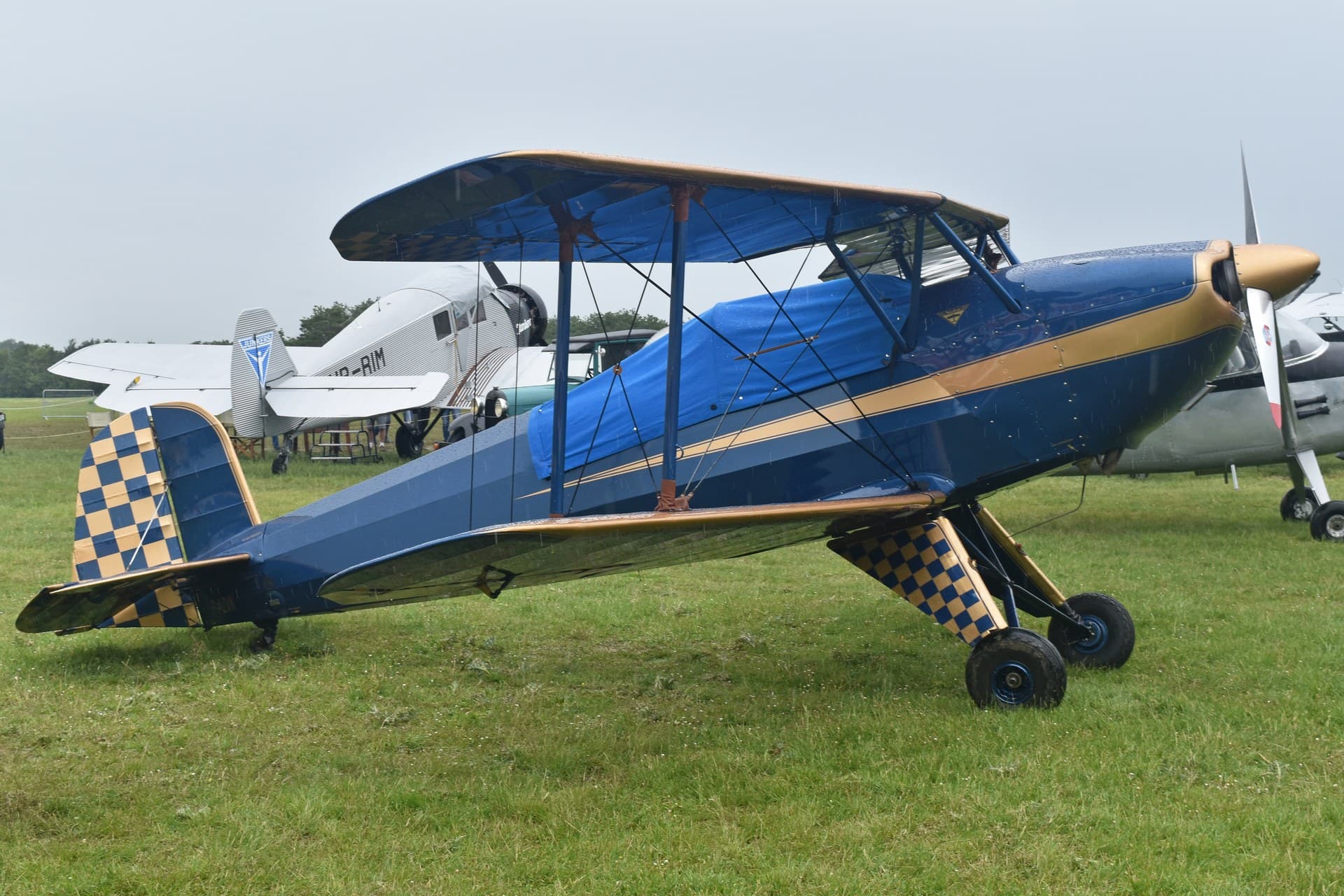
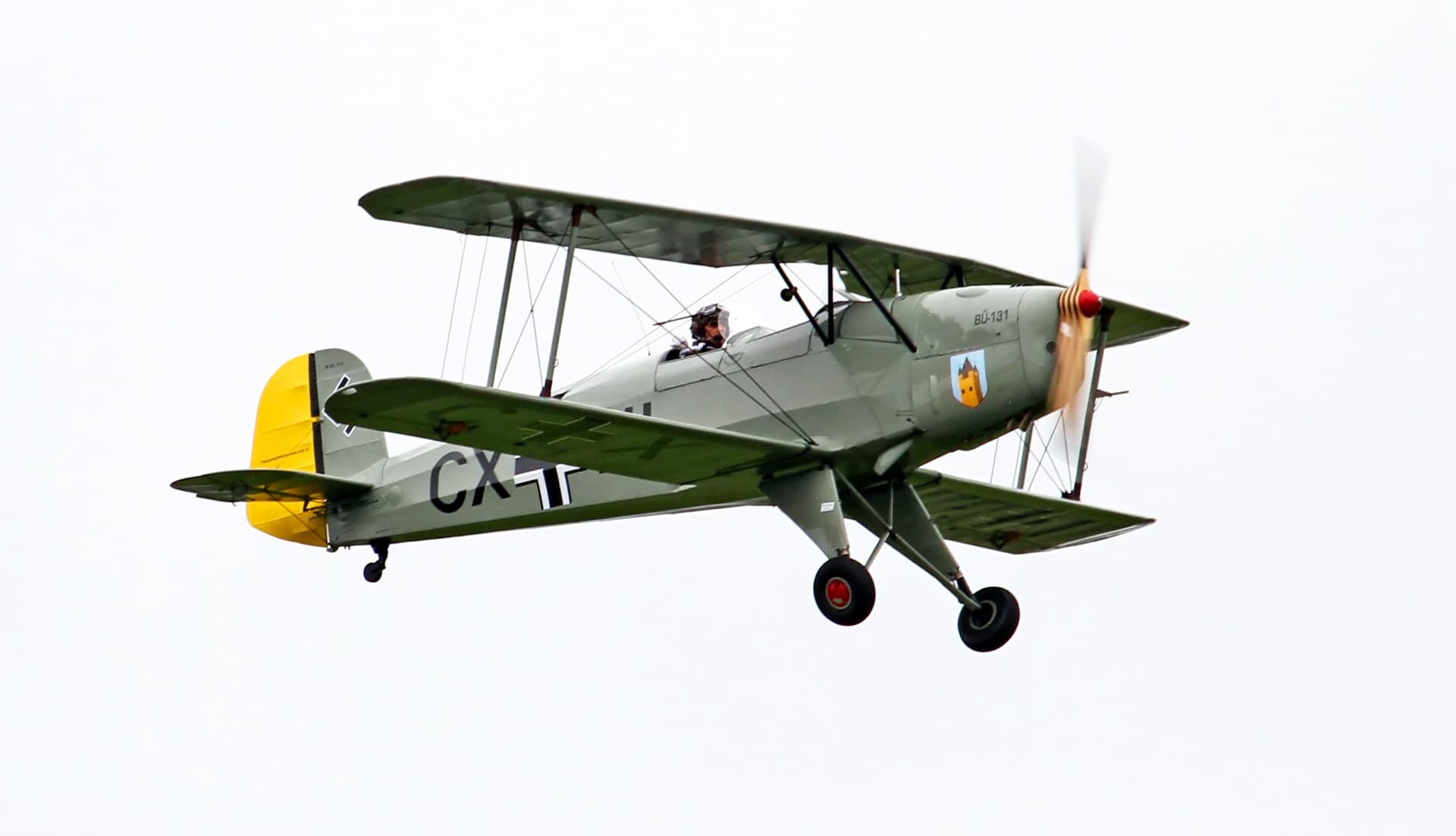
The Bücker Bü 131 Jungmann is a two-seat, tandem-cockpit biplane trainer built from 1934 to serve as the Luftwaffe's standard elementary trainer: and, unlike most of the light trainers it is superficially compared to, an aircraft designed from the outset to be flown aerobatically rather than merely tolerate the occasional loop. Its steel-tube fuselage truss, symmetrical-section wings and braced biplane structure were sized for sustained aerobatic loads, not just for gentle circuit work, which is why the type could double as a genuine sport and competition mount as well as a primary trainer.
That distinction matters because the Jungmann's story is inseparable from licence production that dramatically outlasted the German original. Spain's CASA built the airframe as the 1.131 into the 1960s, long after the Bücker works at Rangsdorf had been seized and dismantled; Japan built it as the Kokusai Ki-86 for the Army and the Kyushu K9W Momiji for the Navy; Switzerland and Czechoslovakia ran their own licence lines. The result is that most airworthy "Jungmanns" flying today are Spanish-built CASAs rather than German-built Bückers: a distinction the market and even some restorers routinely blur, but one that is easy to state plainly: check the data plate, not the paint scheme.
Ninety years after its first flight, the Jungmann remains a working aeroplane rather than a static exhibit. It still appears at vintage aerobatic competitions and airshows worldwide, prized for handling that pilots have long rated ahead of aircraft built decades later, and for a structure robust enough that a well-maintained example can still be flown the way it was built to be flown.
History
Carl Clemens Bücker founded Bücker Flugzeugbau GmbH in Berlin-Johannisthal in late 1932, having returned to Germany after several years as managing director of Svenska Aero in Sweden: where he had earlier served as a naval aviator before entering the aircraft industry. He brought with him the Swedish designer Anders J. Andersson, formerly of SAAB, who headed Bücker's design team from the company's founding and led the design of its first aircraft. That aircraft was the Bü 131 Jungmann, and its prototype, D-3150, first flew at Berlin-Johannisthal on 27 April 1934, flown by Joachim von Koppen.
The Jungmann's timing could not have suited the Luftwaffe better. Germany's air force, publicly acknowledged only in 1935 after years of clandestine rebuilding, needed a modern elementary trainer in large numbers, and the Jungmann (cheap, aerobatic and forgiving) became its standard basic trainer, flying at nearly every primary flying school in the country through the 1930s and into the war. Production moved from the original Johannisthal works to a larger factory at Rangsdorf, south of Berlin, from 1935, and it was from Rangsdorf that the great majority of the roughly 3,000 German-built Jungmanns emerged before Allied bombing and the war's end brought production to a halt; the factory itself was seized by Soviet forces in 1945 and never rebuilt.
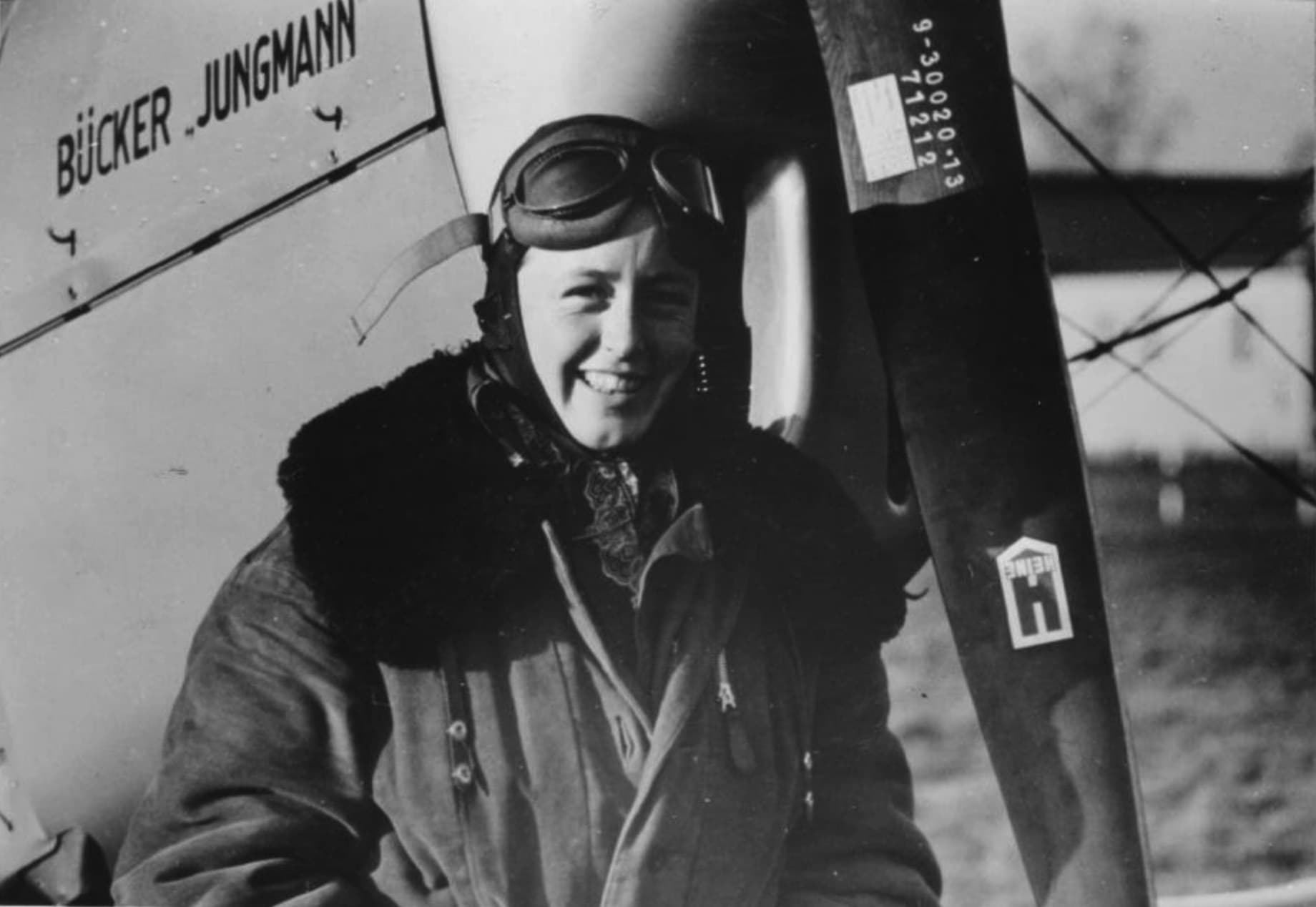
Export success came almost immediately and on a scale unusual for a trainer of its era. Yugoslavia became the largest single prewar customer, operating some 400 Jungmanns at its peak; Romania bought around 40, Bulgaria 15, and the type reached air arms and flying clubs from Lithuania to Hungary. Switzerland licence-built roughly 90 examples at Dornier's Altenrhein works and flew them for 35 years, into the early 1970s. Spain's involvement began during the Civil War, when Bücker biplanes flew alongside the Condor Legion, and deepened after 1941 when CASA began licence production that would outlast every other Jungmann line by decades, eventually supplying the Spanish Air Force's primary trainer fleet into 1968. Japan, licensing the design independently, built it in numbers that ultimately exceeded Germany's own, over 1,000 as the Army's Kokusai Ki-86 and several hundred more as the Navy's Kyushu K9W Momiji.
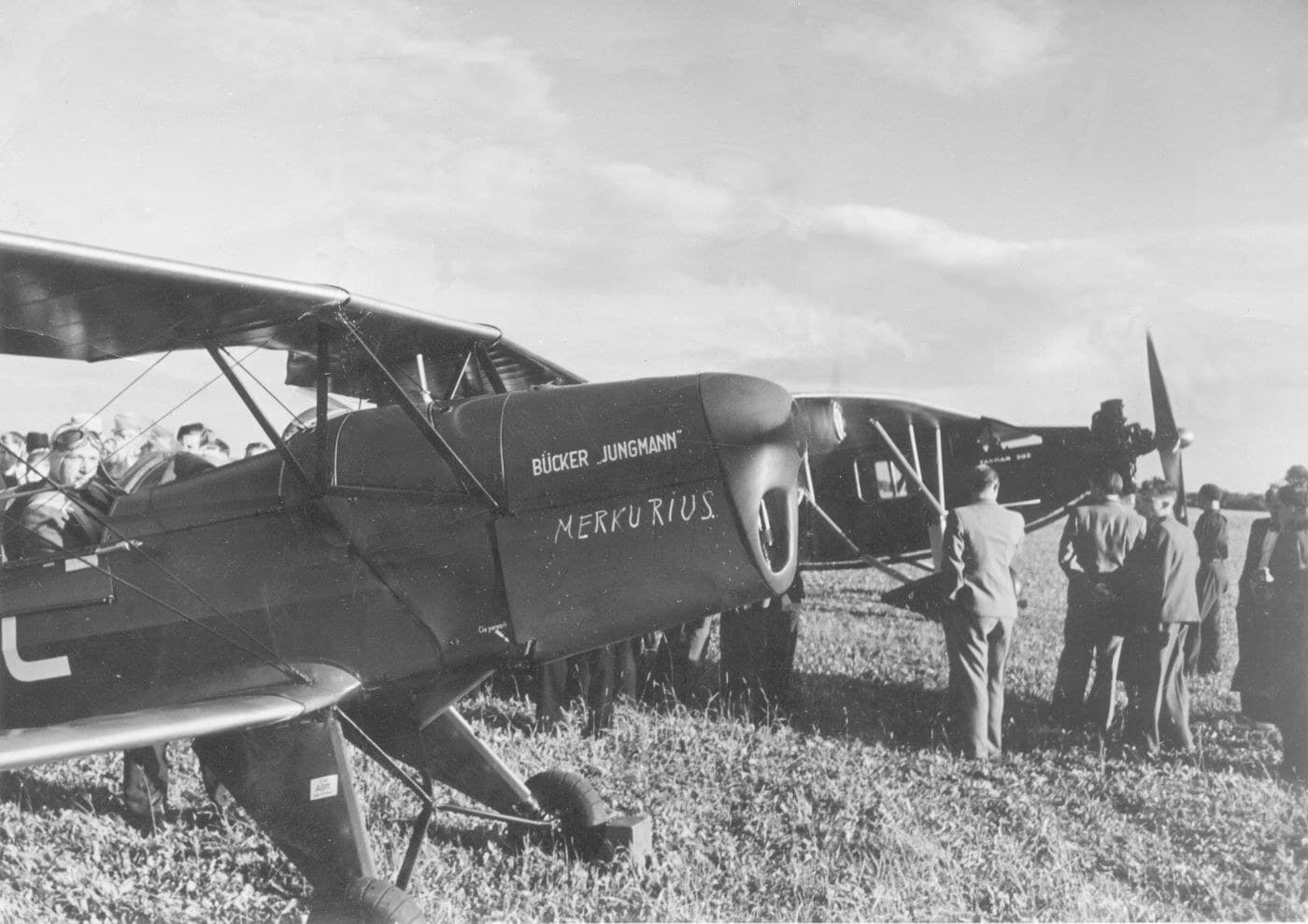
What makes the Jungmann's history unusual is what happened after 1945. The German company that created it did not survive the war; its factory was gone, its founder's firm never reconstituted. Yet the aircraft did survive, in numbers, precisely because it had never depended on that one factory: Spanish, Swiss, Czechoslovak and Japanese-built airframes kept flying in military and civilian hands for decades afterward, and surplus examples sold to private owners from the 1960s onward seeded the vintage-aerobatic movement that keeps roughly 200 or more Jungmanns airworthy today, alongside newer reproductions built since the 1990s.
Development
The Jungmann's German development was short and mostly about power. The initial Bü 131A used an 80 hp Hirth HM 60R inverted inline-four, adequate for training but marginal for demanding aerobatics with two aboard; by 1936 the definitive Bü 131B replaced it with the 105 hp Hirth HM 504A-2, the combination that equipped the great majority of Luftwaffe-operated aircraft and became the type most other licence programmes built around. A handful of experimental variants followed, including a single Bü 131C fitted with a British Blackburn Cirrus Minor engine, but none altered the basic formula.
What did alter the Jungmann's story was where else it was built, and why. Spain's CASA, needing a trainer for a rebuilding air force after the Civil War and unable to rely on wartime German supply, began licence manufacture in 1941 as the 1.131, initially with Spanish-built engines derived from the German type and later, as the original engine supply dried up entirely, re-engined with the domestic ENMA Tigre or, from the 1950s, with American Continental and Lycoming flat-fours: a change driven by what Spain could actually source, not by any shortcoming in the Hirth's performance. Japan, needing large numbers of elementary trainers independent of any German supply line at all, licensed the design separately and built it as the Kokusai Ki-86 with a Hitachi Ha-47 engine for the Army and, in a naval version with different equipment, as the Kyushu K9W Momiji with a Hitachi Amakaze engine, again substitutions of national industrial convenience rather than attempts to improve on the German original.
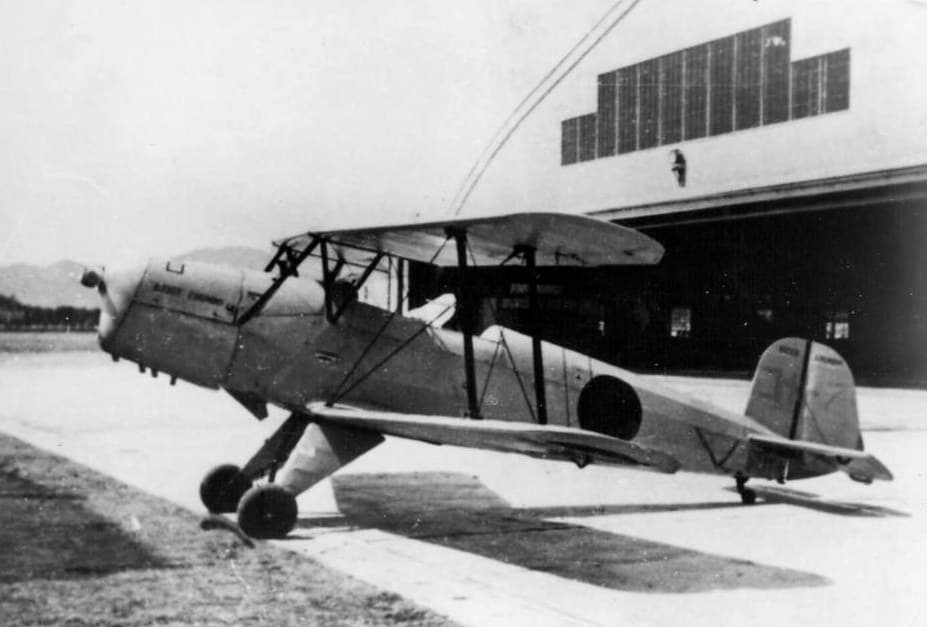 Kokusai Ki-86A
Switzerland and Czechoslovakia ran smaller, more self-contained programmes: Dornier's Swiss subsidiary built the type at Altenrhein before the war, and postwar Czechoslovakia's Aero works produced the Walter-engined C-104 for its own air force into 1949, after wartime production of the German-specification Bü 131D-2 under occupation. Each licence line changed engines to suit whatever powerplant its own country could reliably supply: the recurring theme across the whole family being that airframe geometry proved remarkably stable across four decades and five countries, while engines came and went with national politics and industrial capacity rather than with any redesign of the aeroplane itself.
Design
The Jungmann's structure reflects its dual purpose. The fuselage is a welded chrome-molybdenum steel-tube truss, fabric-covered, chosen not merely for lightness but for the strength margins sustained aerobatics demand: loops, rolls, stall turns and spins impose loads a purely training-oriented light aircraft of the period was never built to absorb. The wings, built around wooden spars and ribs, use a symmetrical aerofoil section rather than the cambered, lift-favouring sections common on contemporary trainers; a symmetrical section produces equal lift whether the wing is right-side up or inverted, which is precisely what makes sustained aerobatic flight possible rather than merely survivable.
That aerobatic intent extends to the fuel and oil systems, which were adapted, within limits, for inverted running: the Jungmann can sustain inverted flight for a matter of seconds to perhaps tens of seconds on its gravity-fed system, enough for a loop, a roll or a stall turn, but not for a prolonged inverted pass of the kind its single-seat sibling, the Bü 133 Jungmeister, was specifically re-engineered to hold. That distinction is a useful reminder that the two aircraft, though visually related and often confused, serve different jobs: the Jungmann trained pilots in aerobatics, while the Jungmeister was built to win at them.
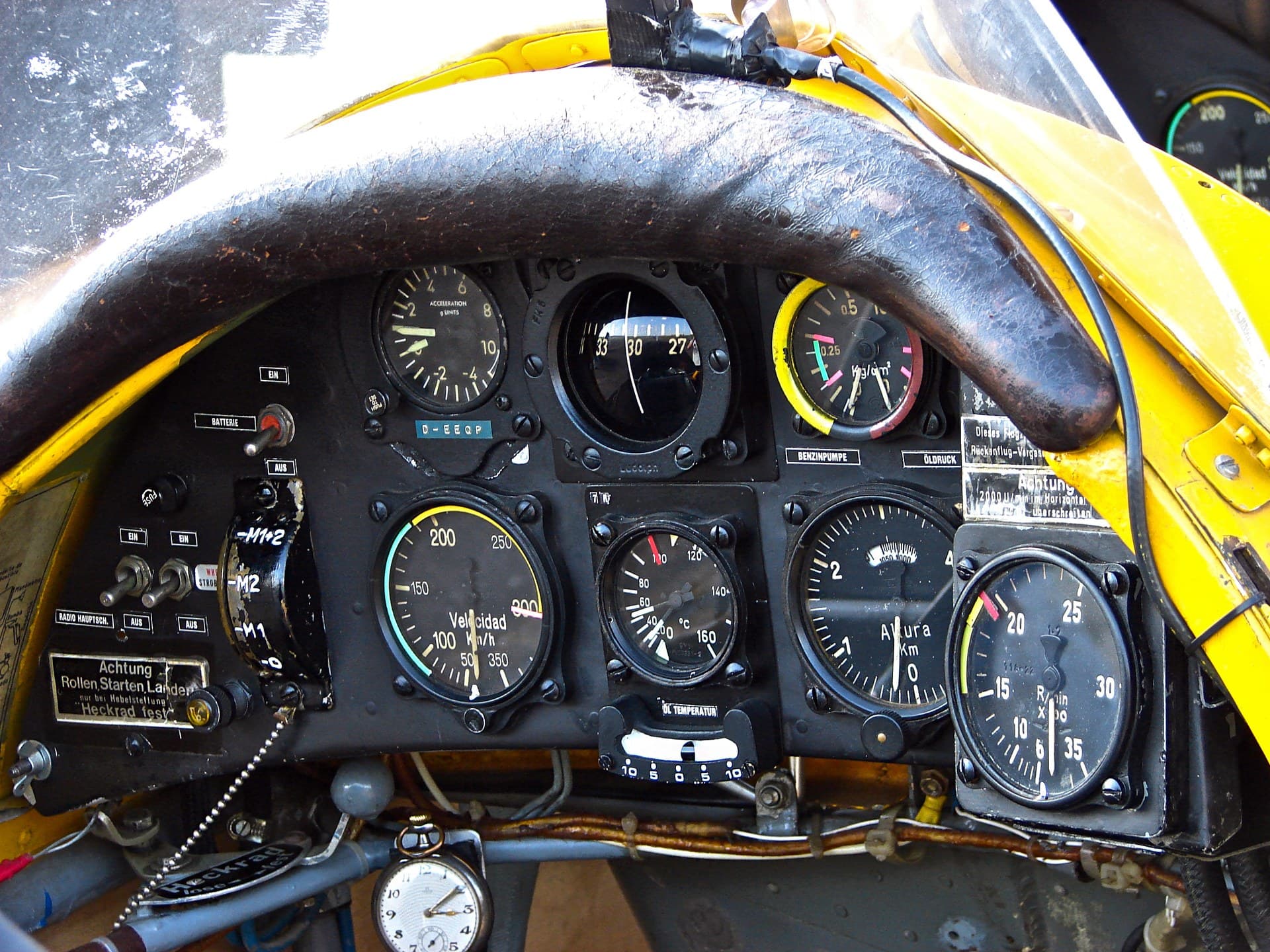
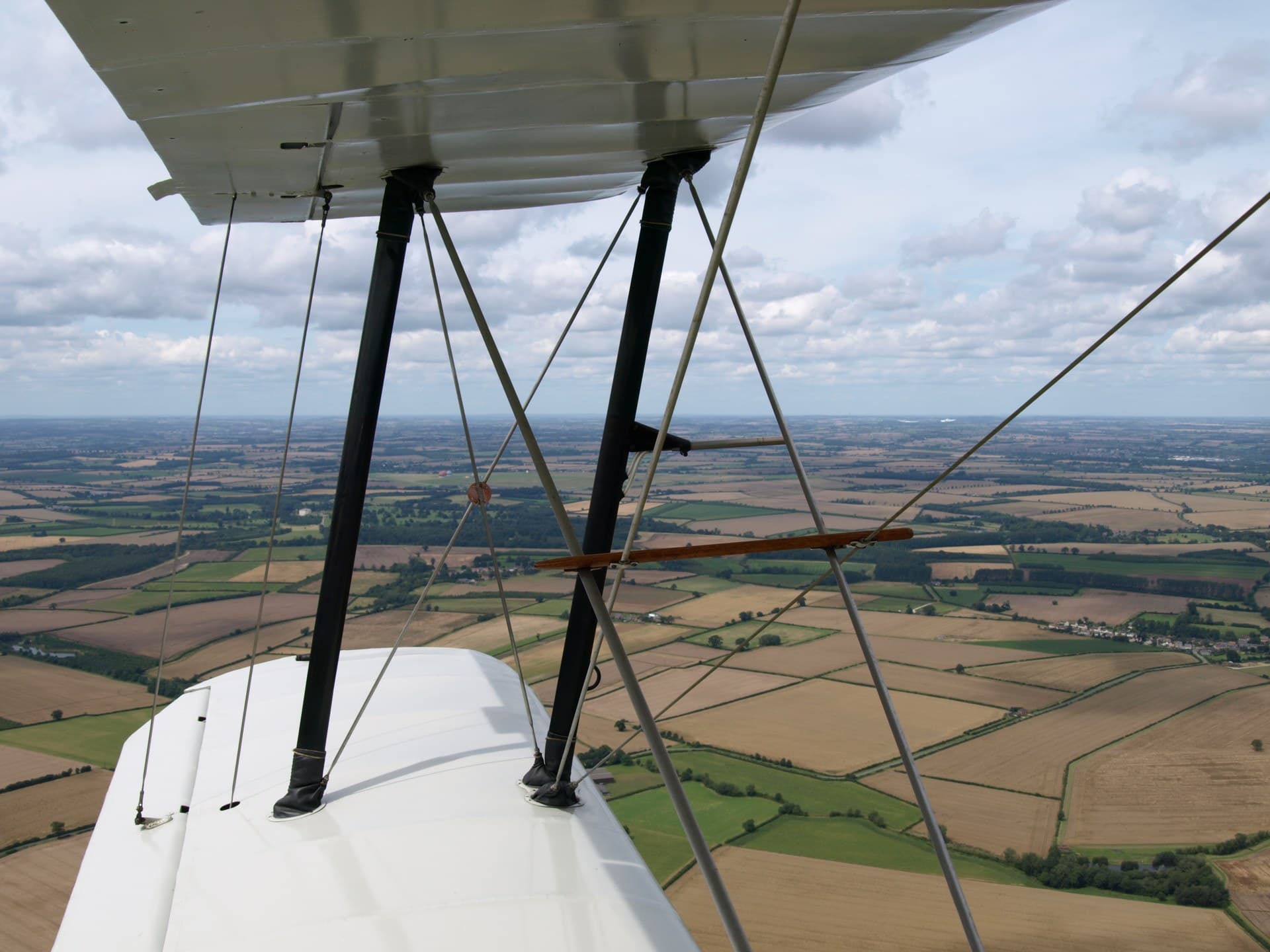
The biplane cellule itself uses positively staggered wings with swept-back leading edges and N-form interplane struts, braced with rigging wire, a conventional configuration for its generation, but one executed with enough structural margin that combined with the truss fuselage, it made the airframe unusually repairable and tolerant of the repeated hard landings and heavy g-loads a working trainer or aerobatic mount accumulates over a long service life. Two open, tandem cockpits complete a simple, honest layout: dual flight controls, a handful of engine and flight instruments, and very little else to distract a student pilot learning to fly the manoeuvres the airframe was built to survive.
Flight characteristics
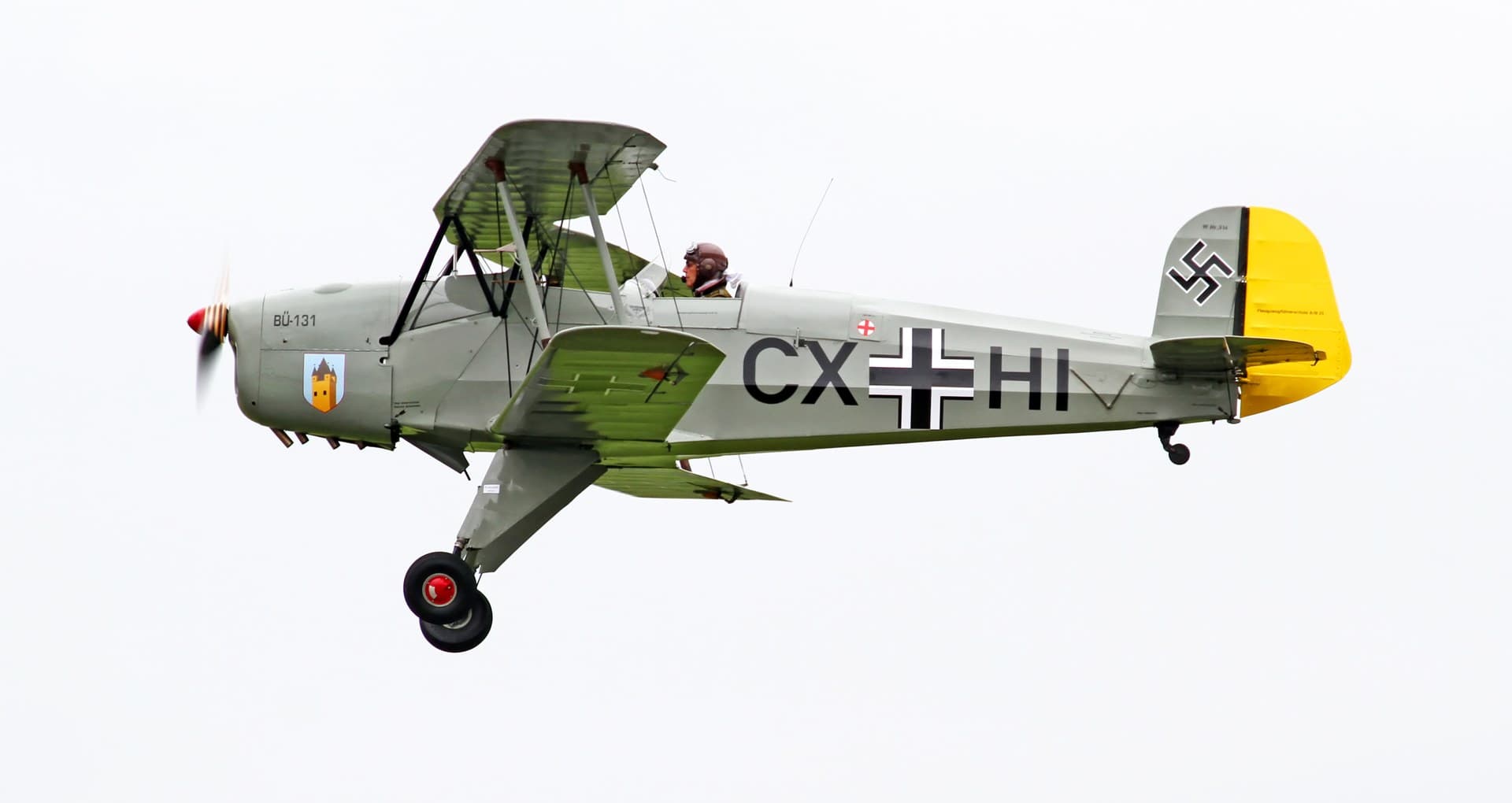
Pilots who have flown the Jungmann alongside other biplanes of its generation, and against a good many built since, tend to converge on the same verdict: light, harmonious controls and handling that flatters rather than merely tolerates the pilot. Aileron response is crisp without being twitchy, the aircraft is honest about approaching a stall rather than dropping a wing without warning, and its aerobatic manoeuvres (loops, rolls, stall turns, spins, the full elementary repertoire of the period) come off cleanly at modest speeds and modest power, exactly what a training aircraft asked to teach those manoeuvres needs to do.
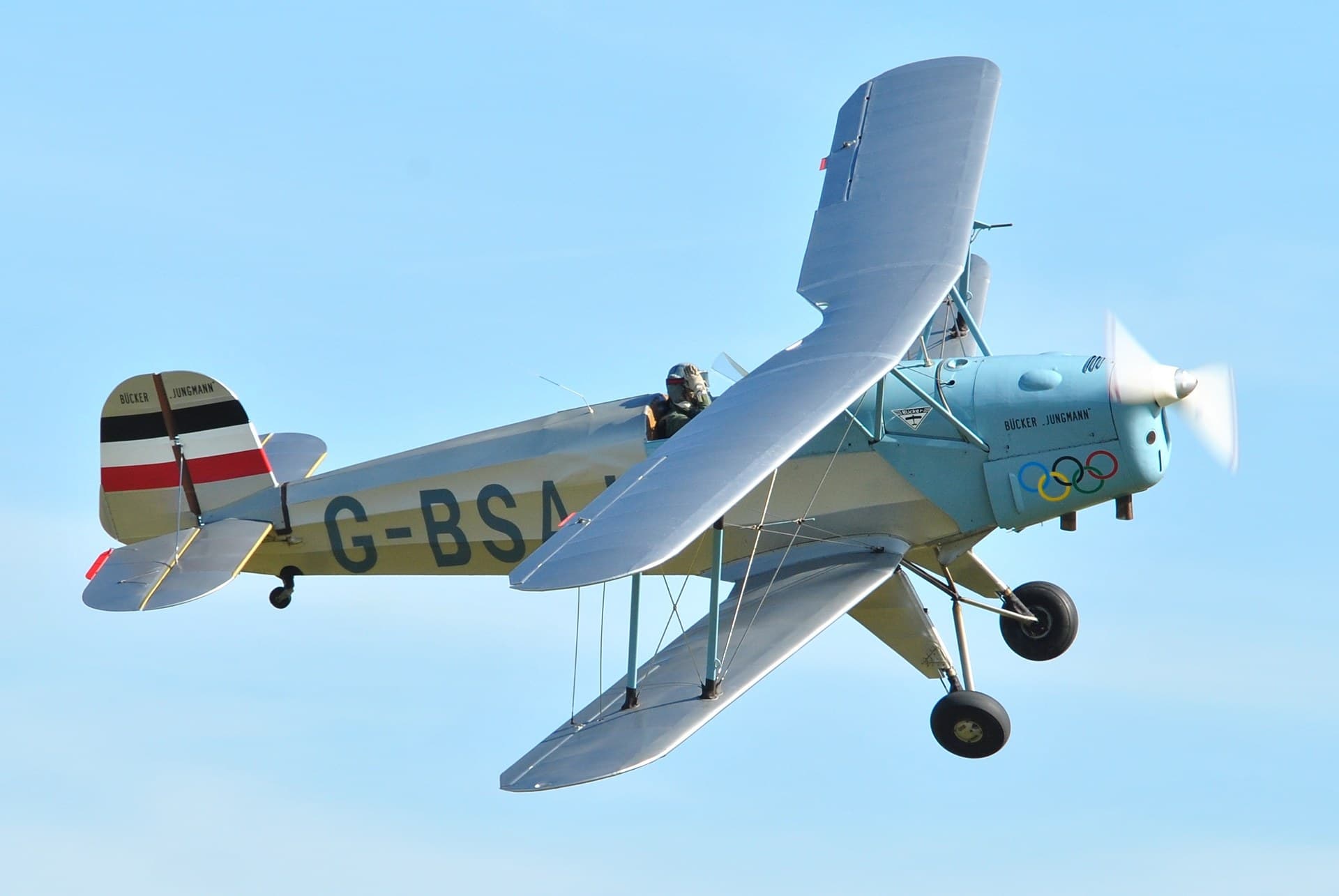
The one real limitation, inherited from its gravity-fed fuel system, is duration rather than capability: the Jungmann will fly inverted, but only briefly, which shapes the routines pilots fly in it toward manoeuvres that pass through inverted attitudes rather than dwelling in them. That constraint has never stopped it being flown hard. The type remains a fixture of the vintage aerobatic movement worldwide, appearing regularly at events including the International Aerobatic Club's Vintage Aerobatic World Championship, where pilots fly Jungmanns, original and re-engined alike, against other prewar and early-postwar types on handling terms that a ninety-year-old design has no business still meeting.
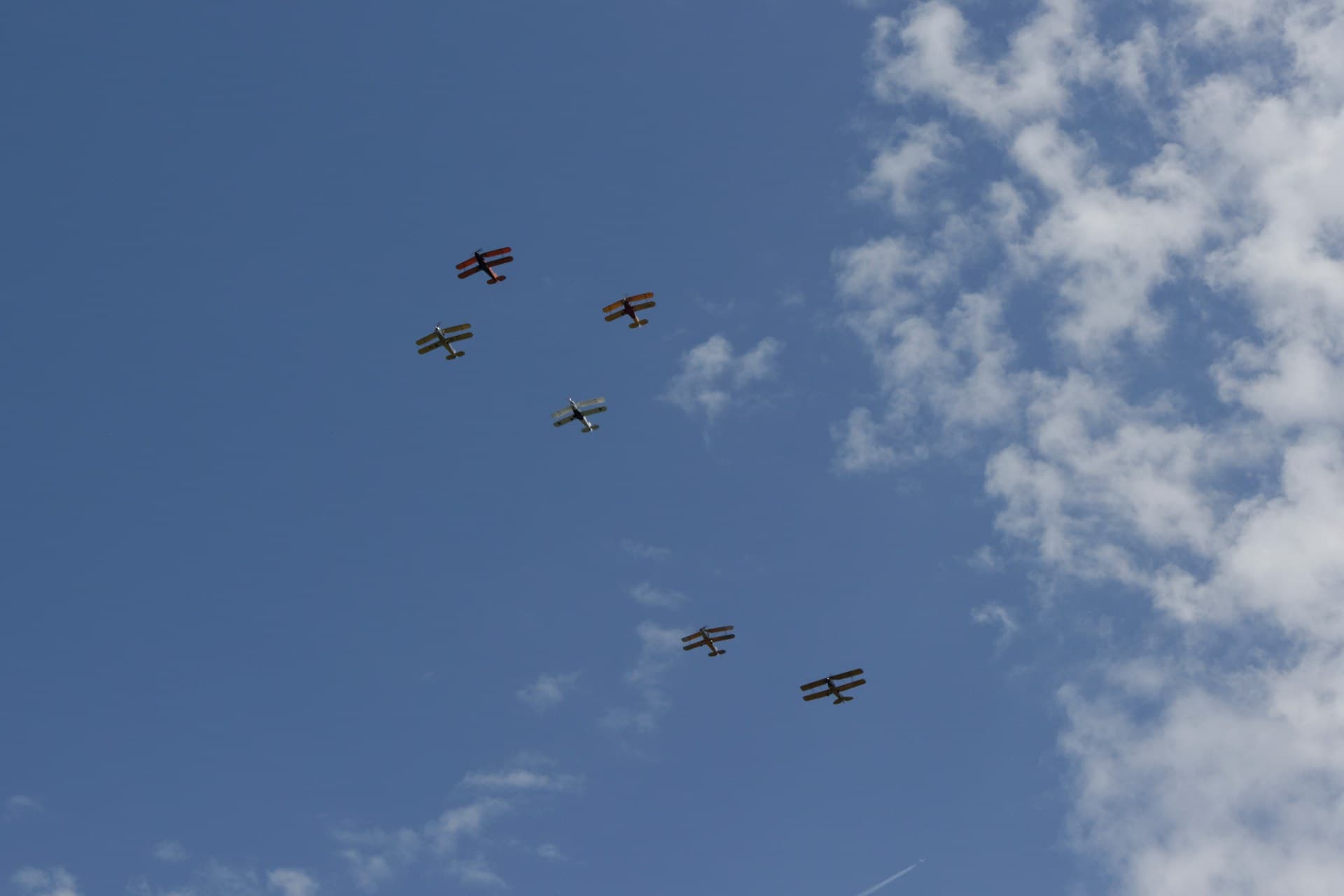
On the ground it demands the same tailwheel discipline as any aircraft of its era (active rudder work on takeoff and landing, and no tolerance for a wandering tail) but nothing about the type has ever been considered vicious. That combination of forgiving air manners and genuine aerobatic competence, on an airframe cheap enough for interwar flying clubs to operate in numbers, is exactly what made it the trainer an entire generation of European and Japanese military pilots learned aerobatics on, and exactly why the same qualities keep private owners flying it hard for pleasure today.
Production
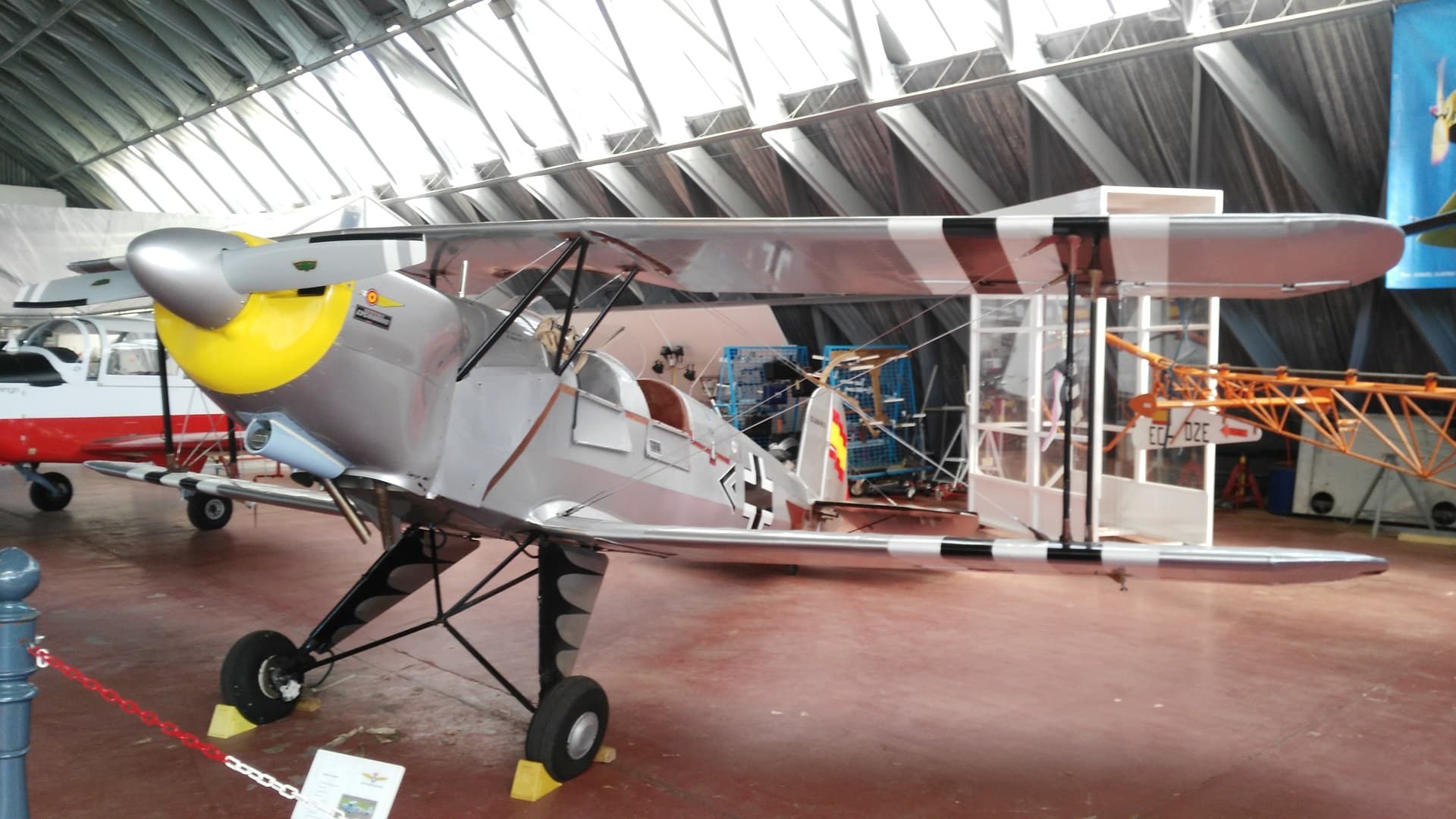
Total Jungmann production across every country that built it is usually put at around 5,000 airframes, but that figure disguises how little of it, in the end, came from Germany. Bücker's own Johannisthal and Rangsdorf lines built roughly 3,000 between 1934 and the collapse of German production in 1945; Japan's combined Army and Navy output (some 1,037 Kokusai Ki-86s and 339 Kyushu K9W Momijis) alone approached half that German total, and Spain's CASA line, running from 1941 into the early 1960s, added around 530 more, spread across a production span roughly four times longer than Germany's own.
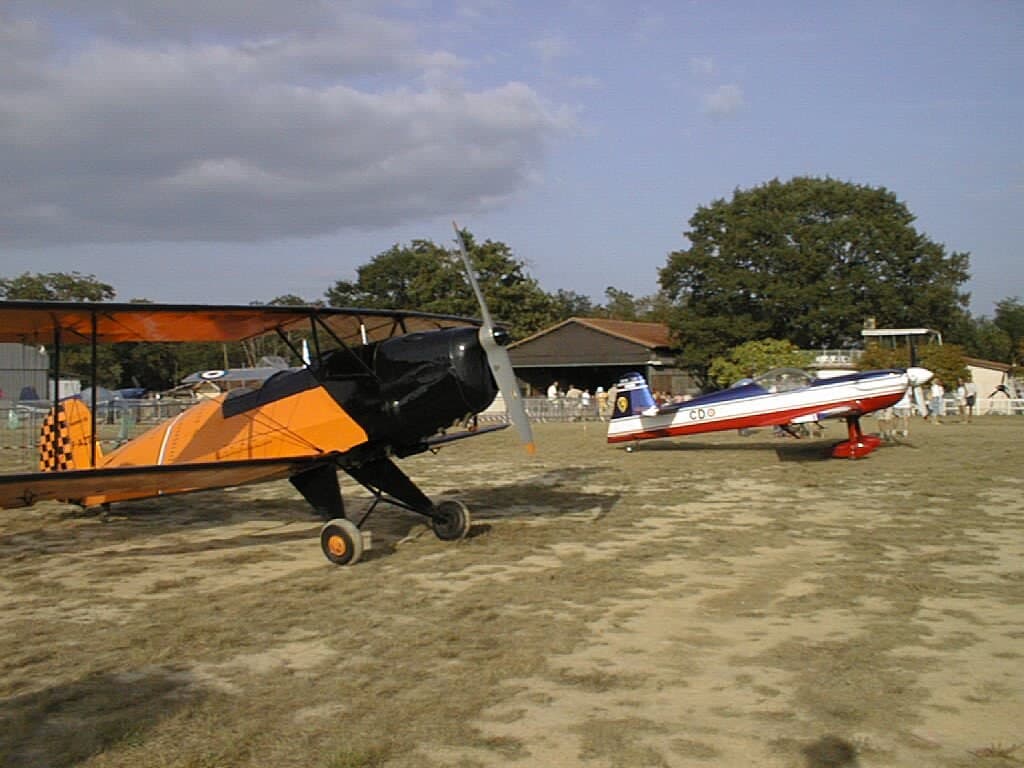
Switzerland and Czechoslovakia contributed smaller but still substantial totals: Swiss production at Dornier's Altenrhein works ran to something under 100 airframes before the war, while Czechoslovakia's postwar Aero works built around 260 Walter-engined C-104s for its own military academy, on top of a smaller prewar Tatra-built batch. None of these programmes was a mere licence formality: each adapted the design to locally available engines and equipment, which is a large part of why survival rates differ so sharply by country of origin today.
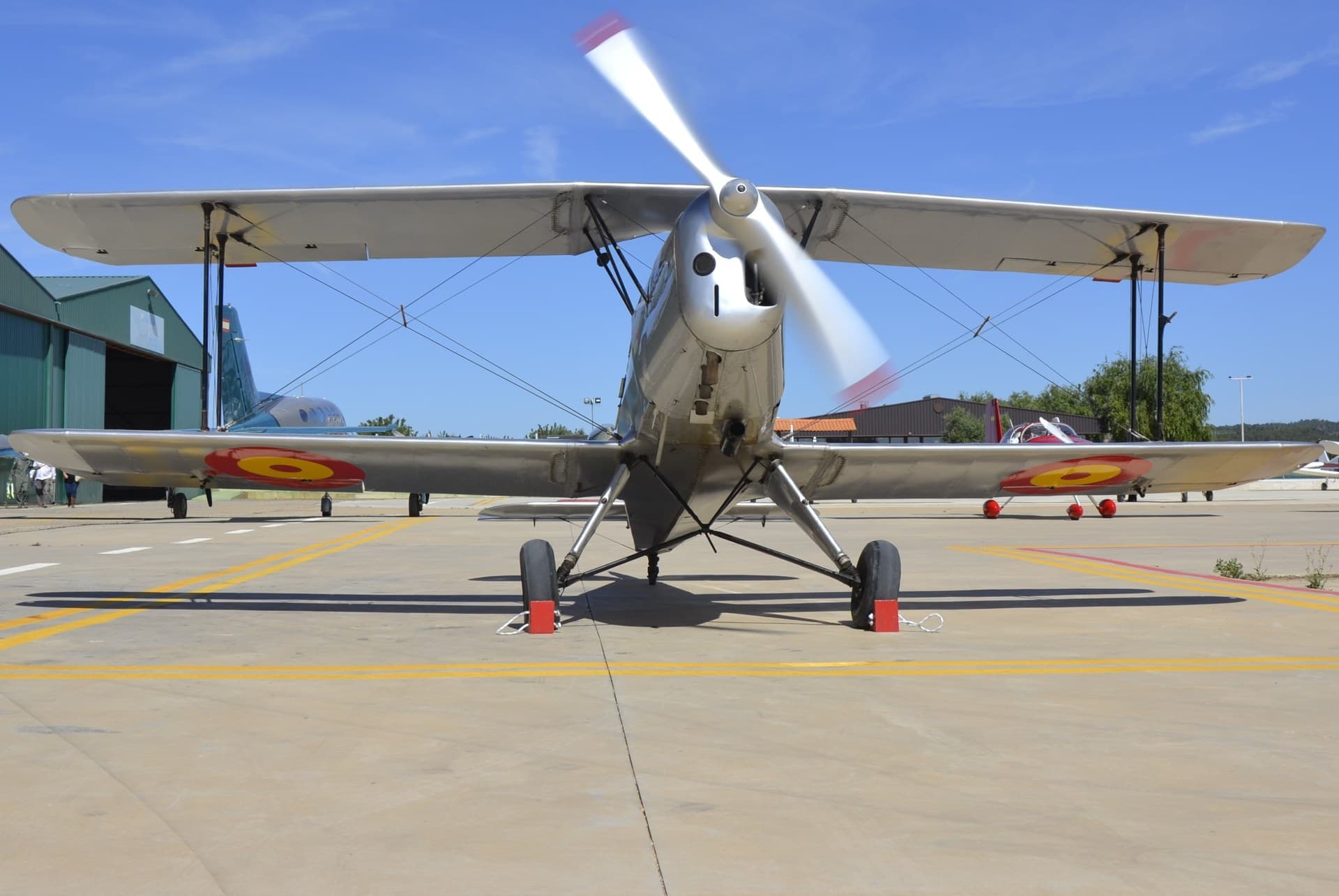 CASA 1.131E
That production geography explains a fact often missed by casual observers: most Jungmanns flying today are not German. Spain's long production run, combined with the Spanish Air Force's late retirement date of 1968 and a steady stream of surplus airframes sold onward from the 1970s, means Spanish-built CASA 1.131s dominate the surviving population, in original form and in later Lycoming- and Continental-re-engined guise alike. German-built Bü 131s survive in far smaller numbers, disproportionately as museum pieces or the most valuable and carefully documented restorations, precisely because so few outlasted the factory that made them.
Legacy
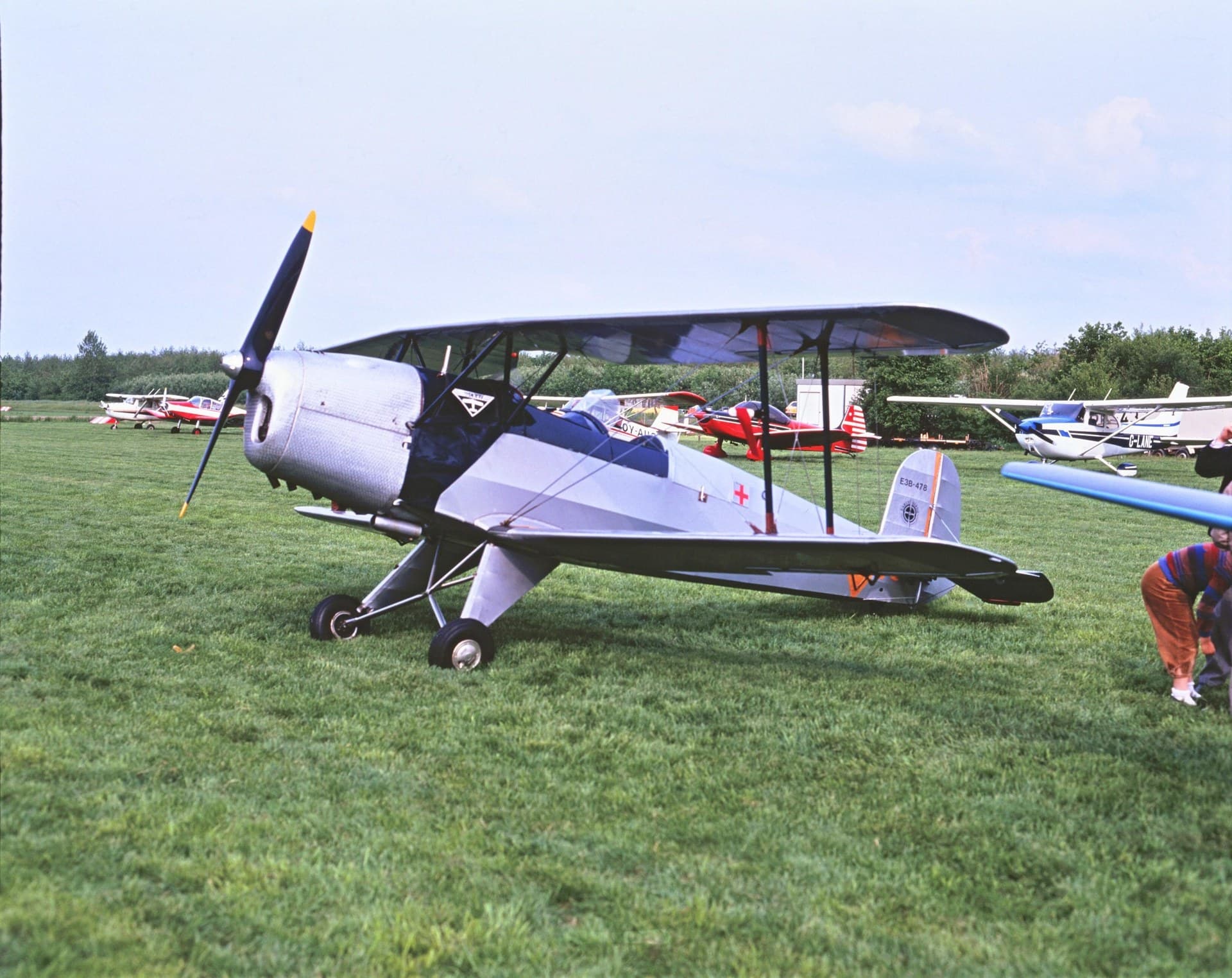 CASA 1.131E
The Jungmann's afterlife has run on two parallel tracks. As surplus military airframes were released from the 1960s onward, Swiss and later Spanish machines especially, private owners in Europe, North America and beyond acquired them for sport and aerobatic flying, and a dedicated Jungmann and Jungmeister community grew up around type clubs, parts networks and specialist restorers who keep an aircraft with no factory left standing behind it genuinely airworthy. Many of those surviving airframes have been re-engined along the way, most commonly with Lycoming flat-fours delivering more power and better inverted-system reliability than the original Hirth, a change owners make for practicality rather than out of any dissatisfaction with the original design.
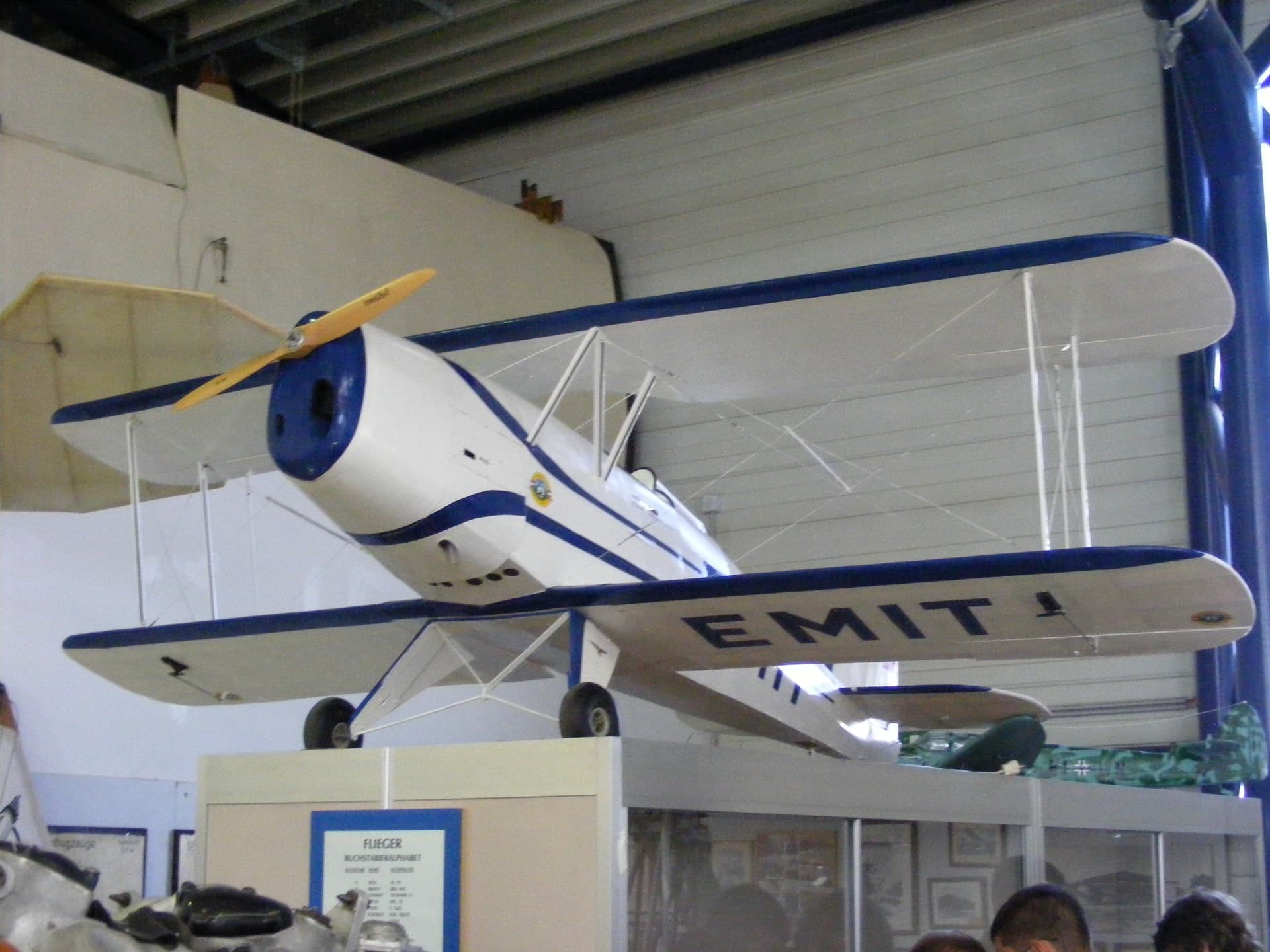
The type's continued relevance to competition flying is real rather than nostalgic: Jungmanns still fly in vintage and classic categories at aerobatic championships internationally, judged against contemporaries and against pilots flying purpose-built modern aircraft, and the airframe's original stressed-for-aerobatics design is exactly why a ninety-year-old biplane remains competitive rather than merely present. That is a claim very few other aircraft of its generation, trainer or otherwise, can make.
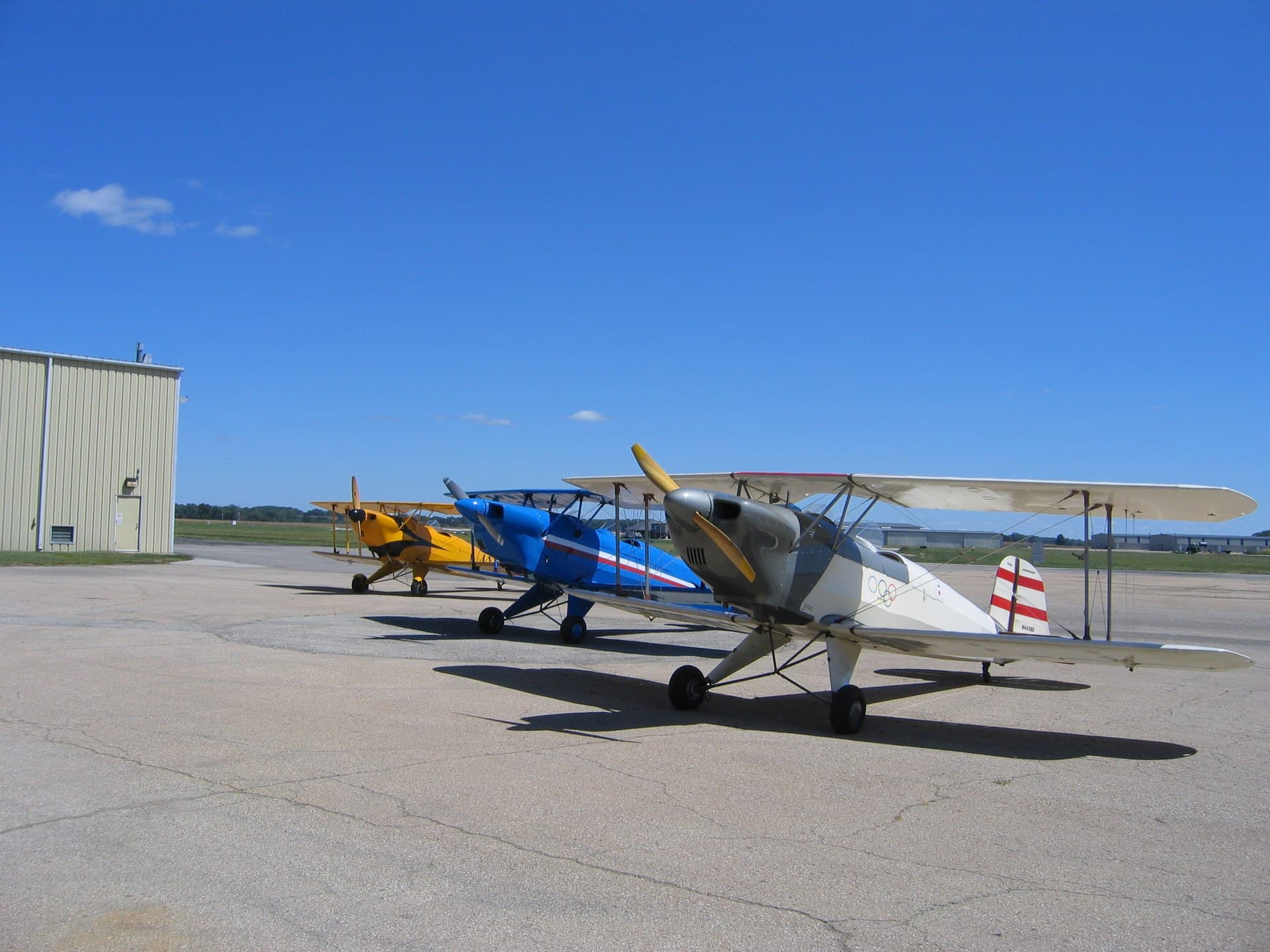
Modern reproduction has kept the type in limited production well beyond its original run: Spain's Bücker Prado built 21 new-build BP 131s from surviving CASA jigs in the 1990s, Czech and Polish workshops produced further small batches of newly built airframes to the original drawings through the 1990s and 2000s, and the Spanish SSH T-131PA programme has continued adding new-build aircraft into the 2020s. These are not replicas in the pejorative sense but genuinely new aeroplanes built to a design proven correct the first time, which is as good a measure as any of how well Anders Andersson and Carl Bücker got the Jungmann right in 1934.
Model evolution
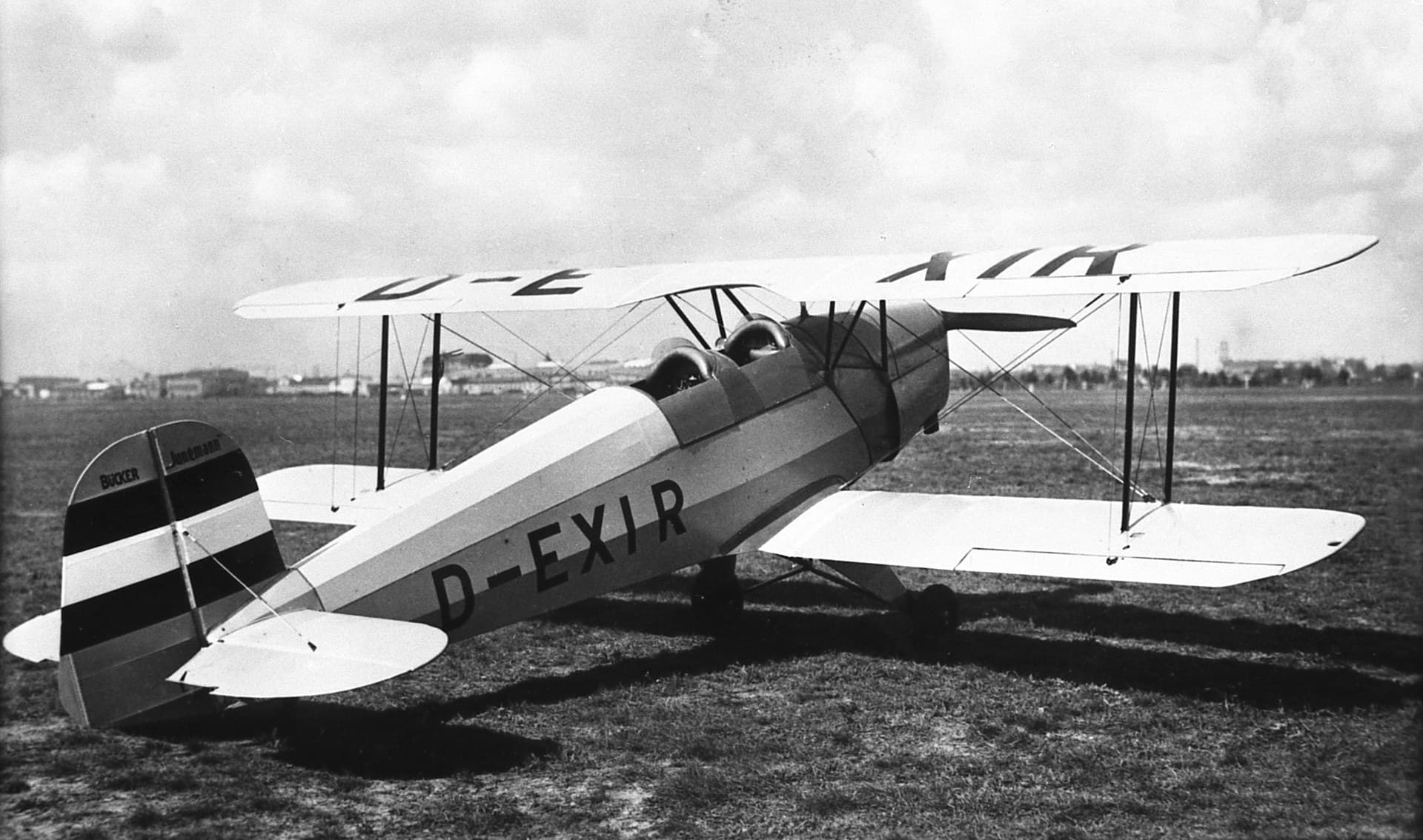
Bücker Bü 131A Jungmann
1934The original production model, powered by the 80 hp Hirth HM 60R inverted inline-four. Structurally and aerodynamically already the definitive Jungmann (steel-tube fuselage truss, symmetrical wing section, braced biplane cellule) but underpowered for demanding aerobatics with two aboard and a full fuel load.
Established the airframe's basic geometry and structural approach essentially unchanged for the rest of the type's history; only the engine would meaningfully change in subsequent models. Bücker's design team needed an aerobatic-capable elementary trainer quickly, for a Luftwaffe rebuilding in secret, and the 80 hp Hirth was the readily available engine of appropriate size in 1934; its limitations became apparent almost immediately once the aircraft entered service.
Bücker Bü 131B Jungmann
1936The definitive German production model and the one most other licence programmes were built around, re-engined with the 105 hp Hirth HM 504A-2. This was the version that equipped the great majority of Luftwaffe primary flying schools through the war years.
Replaced the 80 hp HM 60R with the more powerful 105 hp HM 504A-2, with minor cowling and mount changes to suit; airframe geometry was otherwise unaltered. Instructors flying full aerobatic syllabi with two people and fuel aboard needed a real power margin the 80 hp A-model could not reliably provide, particularly for stall turns and sustained climbing figures; the extra 25 hp answered a training requirement rather than a competition one.
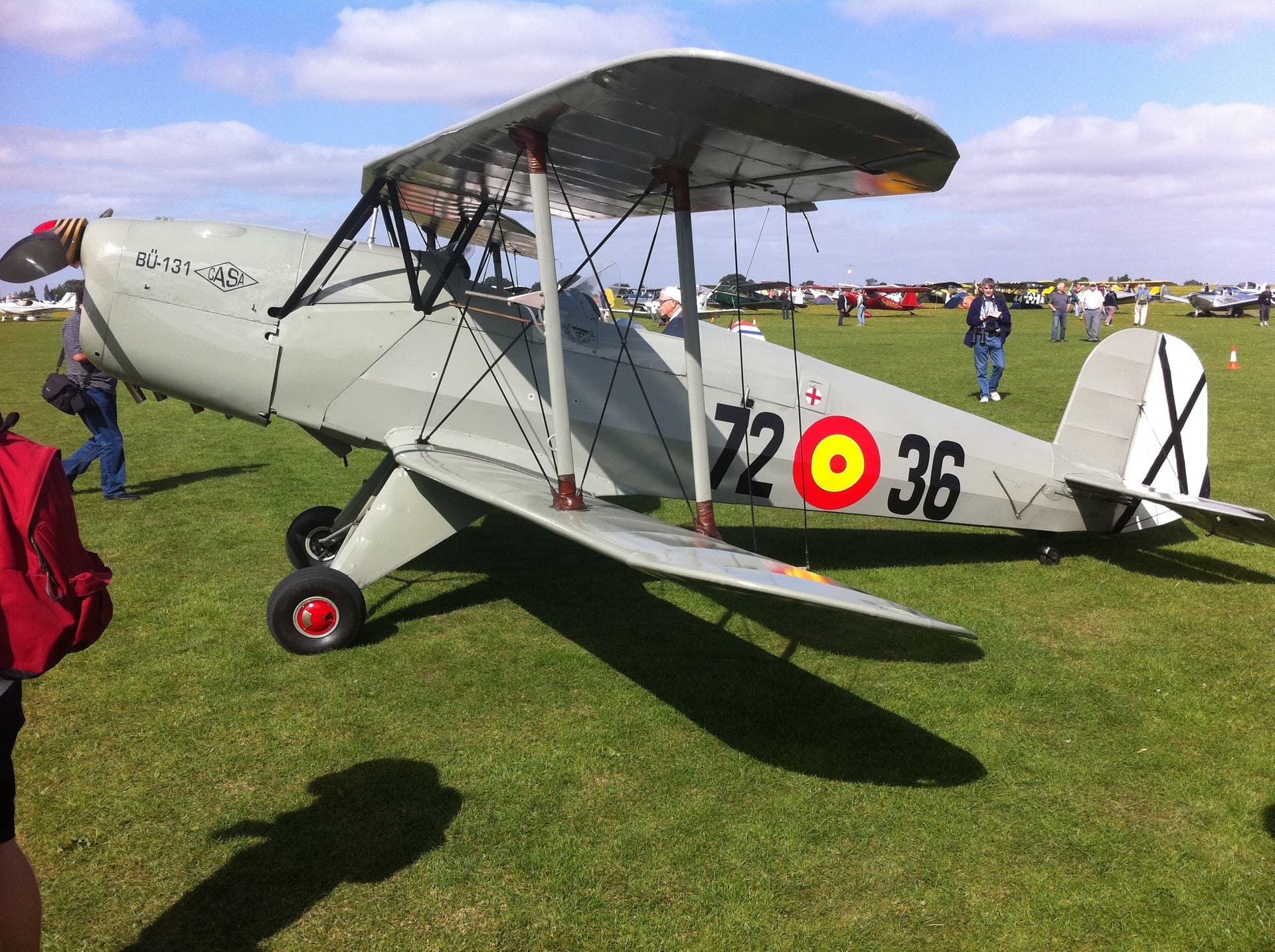
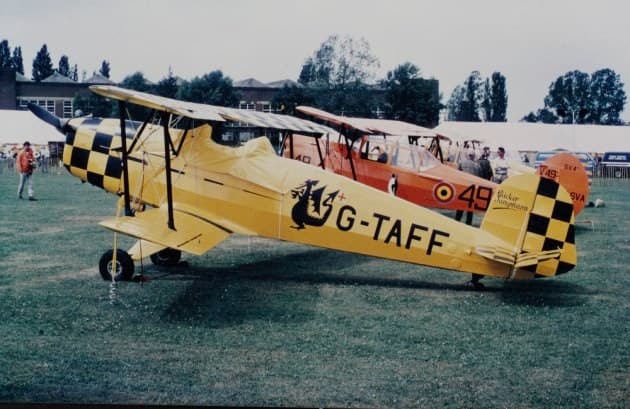
CASA 1.131 (Spain)
1941Spanish licence production, initially close to the Bü 131B and later adapted around whatever engine Spain could source as German supply ended entirely: first a Spanish-built Hirth derivative, then the domestic ENMA Tigre, and from the 1950s American Continental and Lycoming flat-fours. Built into the early 1960s, and the version most airworthy 'Jungmanns' flying today actually are.
Progressive engine substitutions driven entirely by Spanish industrial supply rather than performance (first a locally built Hirth-derived unit, then the ENMA Tigre, then American flat-fours) with the airframe itself essentially unchanged across the whole run. Spain needed a trainer fleet for an air force rebuilding after the Civil War and could not depend on German engine imports through and after the Second World War; each engine change simply followed whatever powerplant Spanish industry, and later the international surplus market, could actually deliver.
Kokusai Ki-86 / Kyushu K9W Momiji (Japan)
1942Independent Japanese licence production for the Imperial Army (Kokusai Ki-86, powered by a Hitachi Ha-47) and Imperial Navy (Kyushu K9W Momiji, with a different Hitachi engine and equipment fit), together totalling well over 1,300 airframes: more than a quarter of every Jungmann ever built, across both services.
Replaced the German Hirth engine entirely with domestic Hitachi units, differing between the Army and Navy versions, and adapted equipment fits to each service's requirements; the airframe and its aerobatic-trainer role were otherwise retained unchanged. Japan needed a large, independent supply of elementary trainers with no dependence on wartime shipping lanes to Germany, and licensing the airframe while substituting domestic engines let two separate services each build to their own equipment standards.
Doflug/Dornier Bü 131 (Switzerland)
1936Swiss licence production at Dornier's Altenrhein works (later Doflug), close to the German Bü 131B, supplying the Swiss Air Force's elementary trainer fleet for roughly 35 years of continuous service into the early 1970s, an unusually long career for a design of its generation.
Built essentially to the Bü 131B standard under licence, with equipment and instrumentation adapted to Swiss Air Force practice rather than any structural redesign. Switzerland's policy of domestic or licensed arms production, reinforced by wartime neutrality that cut off easy German imports, made local manufacture the practical route to an elementary trainer fleet it could sustain and support for decades.
Aero C-104 (Czechoslovakia)
1947Postwar Czechoslovak production at the Aero works, re-engined with the domestic Walter Minor and built in around 260 examples for the Czechoslovak military flying academy, following smaller prewar Tatra-built and wartime German-specification batches.
Substituted the Czechoslovak Walter Minor engine for the German Hirth and adapted instrumentation to postwar Czechoslovak military standards; the airframe itself continued unchanged from the wartime Bü 131D-2 built in the same factory under occupation. With German engine supply gone entirely after 1945 and a domestic military academy to re-equip, Aero simply continued building the airframe its own factory already knew, around the best domestically available engine rather than seeking a new design.
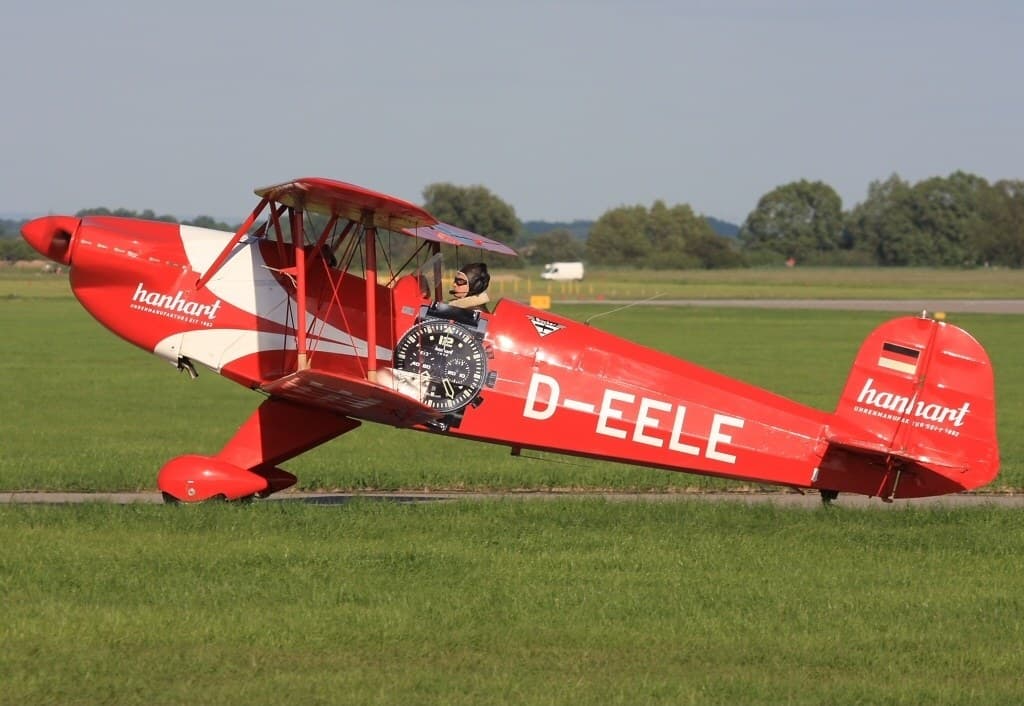
Modern reproductions and Lycoming conversions
1994Since the 1990s, small new-build programmes in Spain (Bücker Prado's BP 131, using surviving CASA jigs), the Czech Republic (the SSH T-131PA, still in limited production) and Poland have produced genuinely new Jungmann airframes to the original drawings, alongside widespread private re-engining of older survivors with Lycoming or Continental flat-fours for greater power and inverted-system reliability.
New-build airframes follow the original drawings closely; private conversions most commonly swap the Hirth-descended powerplant for a Lycoming O-320 or O-360, which brings a proper inverted fuel and oil system alongside more power. Demand from the vintage aerobatic and warbird-adjacent flying community for airworthy Jungmanns has outlasted the supply of original airframes in restorable condition, and Lycoming parts and support are far easier to source today than anything for the original Hirth engines.
Well received within the type community: new-build airframes are generally treated as genuine Jungmanns rather than replicas, since they follow the original drawings, and Lycoming conversions are widely regarded as a practical upgrade rather than a compromise of authenticity.
- Flugzeug Bücker Bü 131 „Jungmann", CASA 1.131 E, Deutsches Museum
- Bü 131 Jungmann, Förderverein Bücker-Museum Rangsdorf
- Kokusai Ki-86A trainer, National Museum of Naval Aviation
- The Bücker Jungmann, AvBuyer
- Bücker Bü 131 Jungmann — 1953 CASA 1.131E, ENMA Tigre IV, Historic and Classic Aircraft Sales
- Bücker Bü 131 Jungmann, 1951 CASA 1.131-E Serie 2000, Lycoming AEIO-360, Aeromarkt
- Bücker Bü 131 Jungmann, Wikipedia
Checked September 2, 2026