Aircraft
Cessna 172
C172
Cessna Aircraft CompanyUnited States
- Role:
- Light aircraft
- First flight:
- 1955
124kt
Cruise speed
640nm
Range
General
- Role:
- Light aircraft
- Status:
- In production
Programme
- First flight:
- June 12, 1955
- Introduction:
- 1956
- Produced:
- 1956 to 1986, 1996 to present
- Number built:
- 45,000
Crew & capacity
- Crew:
- 1
- Capacity:
- 3 passengers
Dimensions
- Length:
- 27 ft
- Height:
- 9 ft
- Wingspan:
- 36 ft
- Wing area:
- 174 ft²
Weights
- Empty weight:
- 1,691 lb
- Maximum takeoff weight:
- 2,551 lb
- Fuel capacity:
- 56 US gal
Powerplant
- Engine:
- 1 × Lycoming IO-360-L2A (172S)
- Power:
- 180 hp (134 kW)
Performance
- Maximum speed:
- 126 kt
- Stall speed:
- 48 kt
- Rate of climb:
- 728 ft/min
- Ceiling:
- 13,999 ft
Price
- New in 1956:
- $8,995
- New, from:
- $419,620
- Used market:
- $45,000 – $350,000
As of 2026-09. See references.
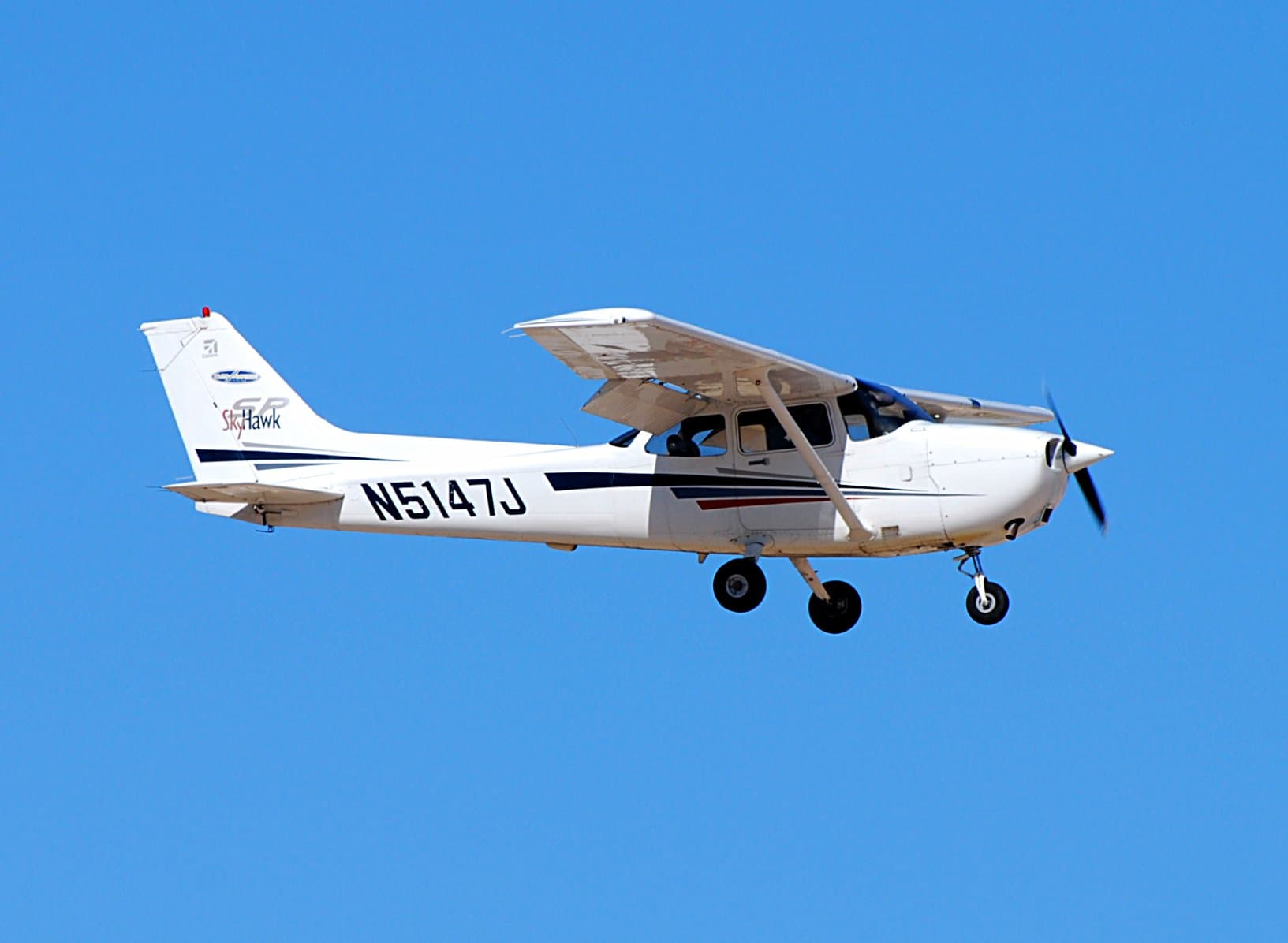
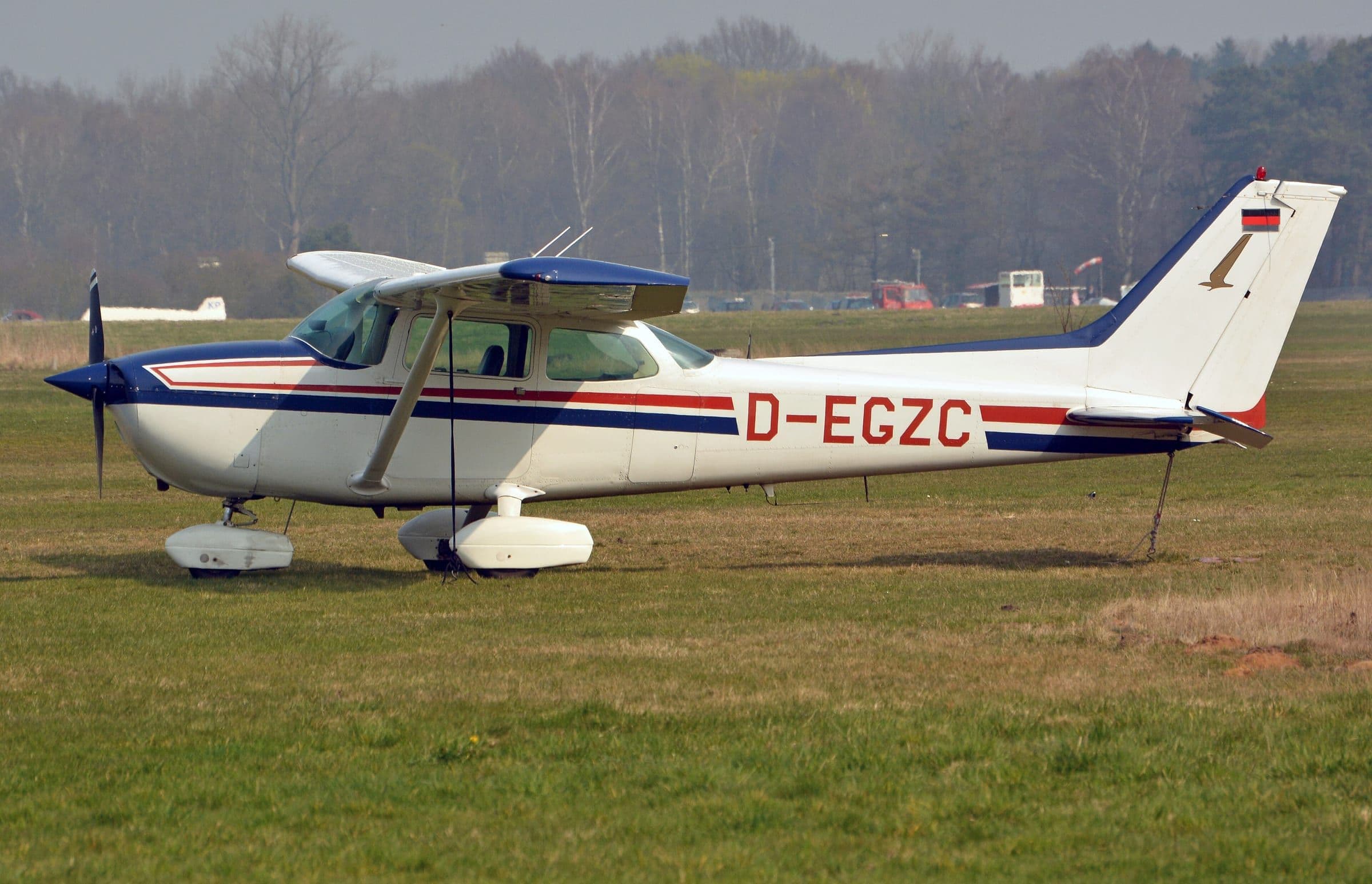
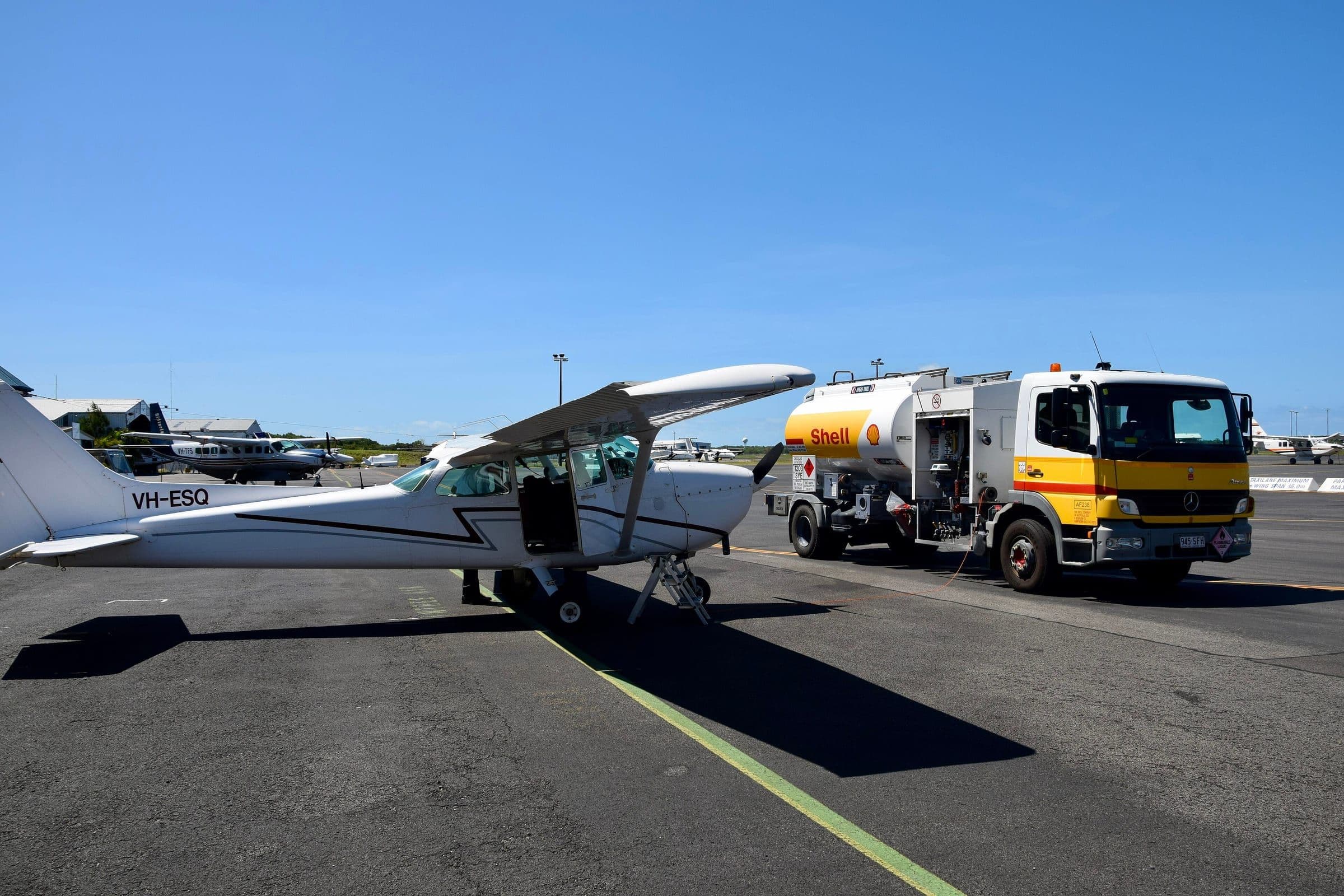
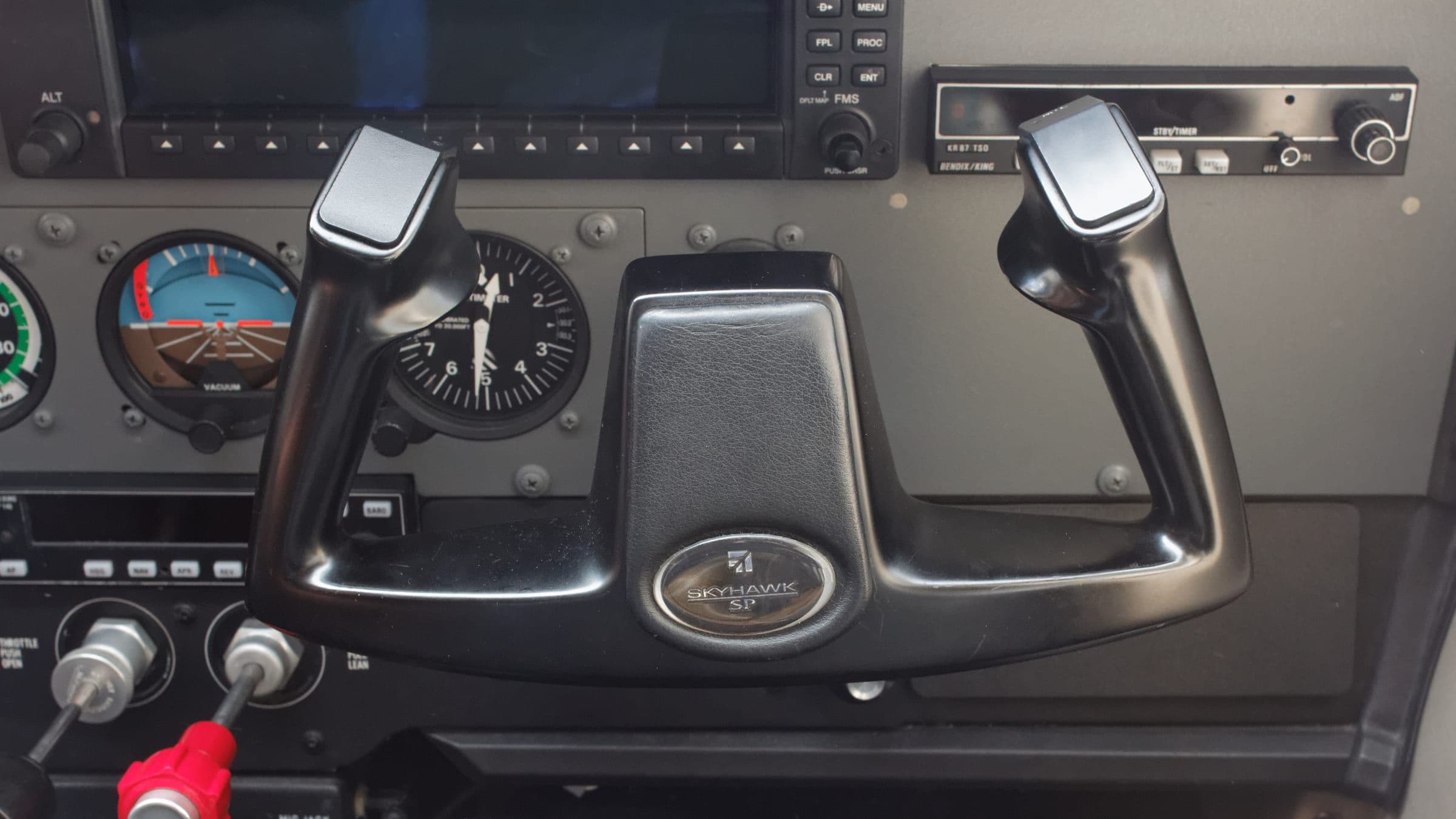
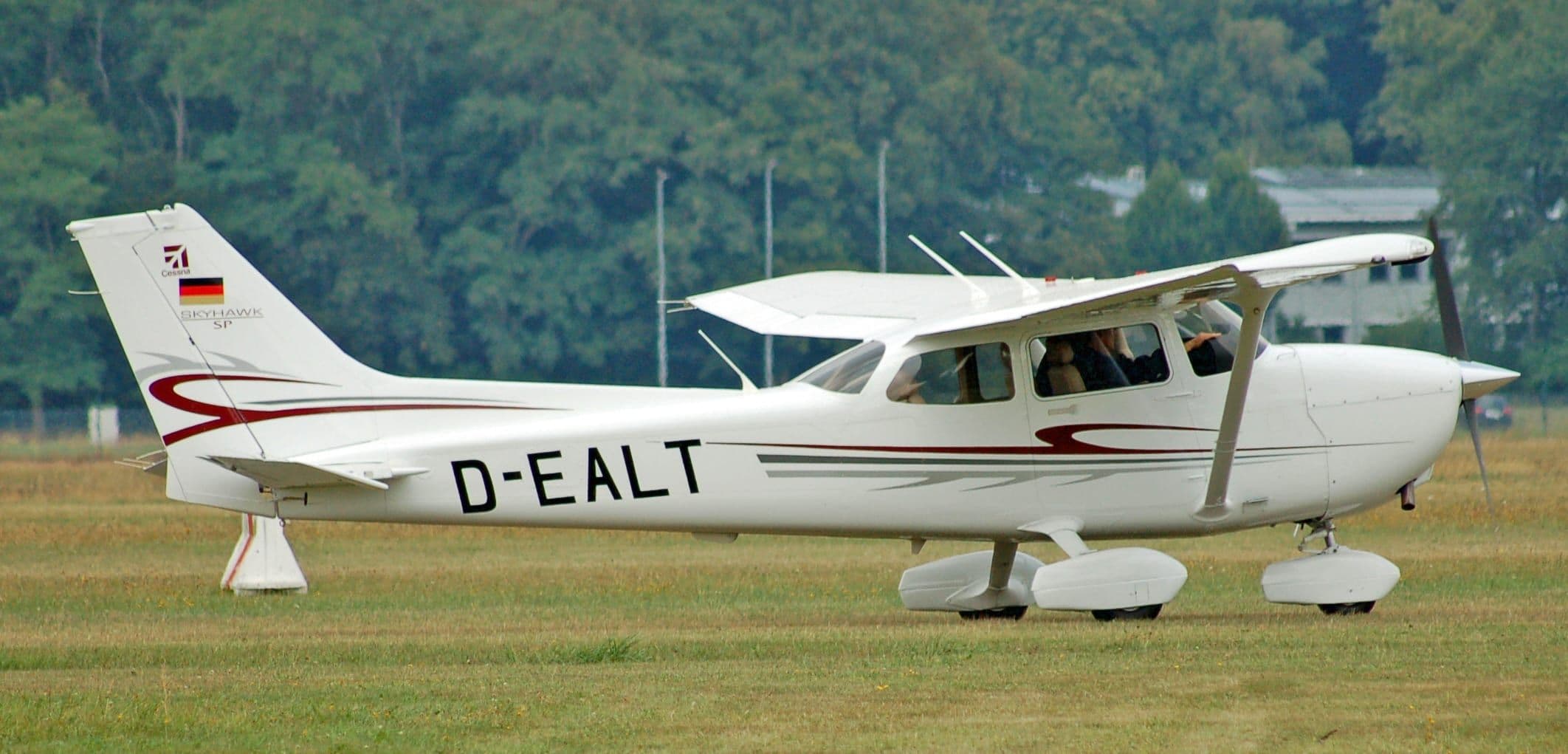
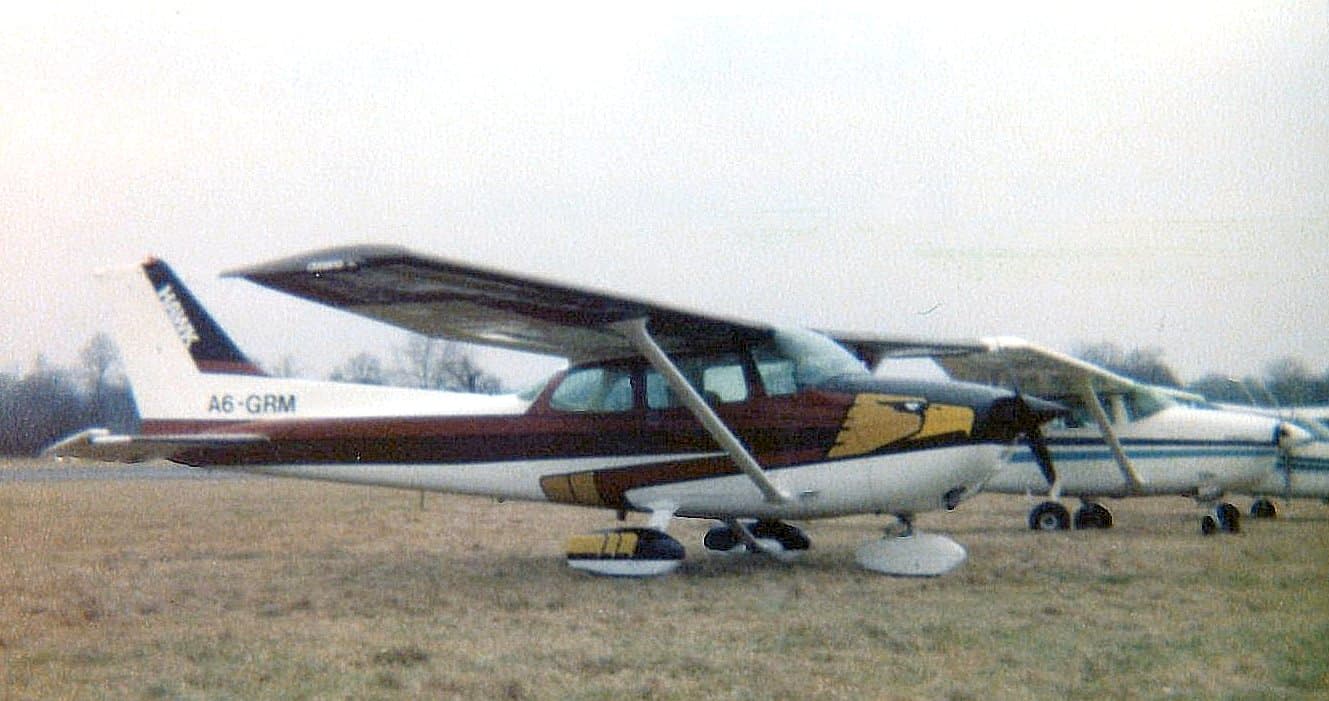
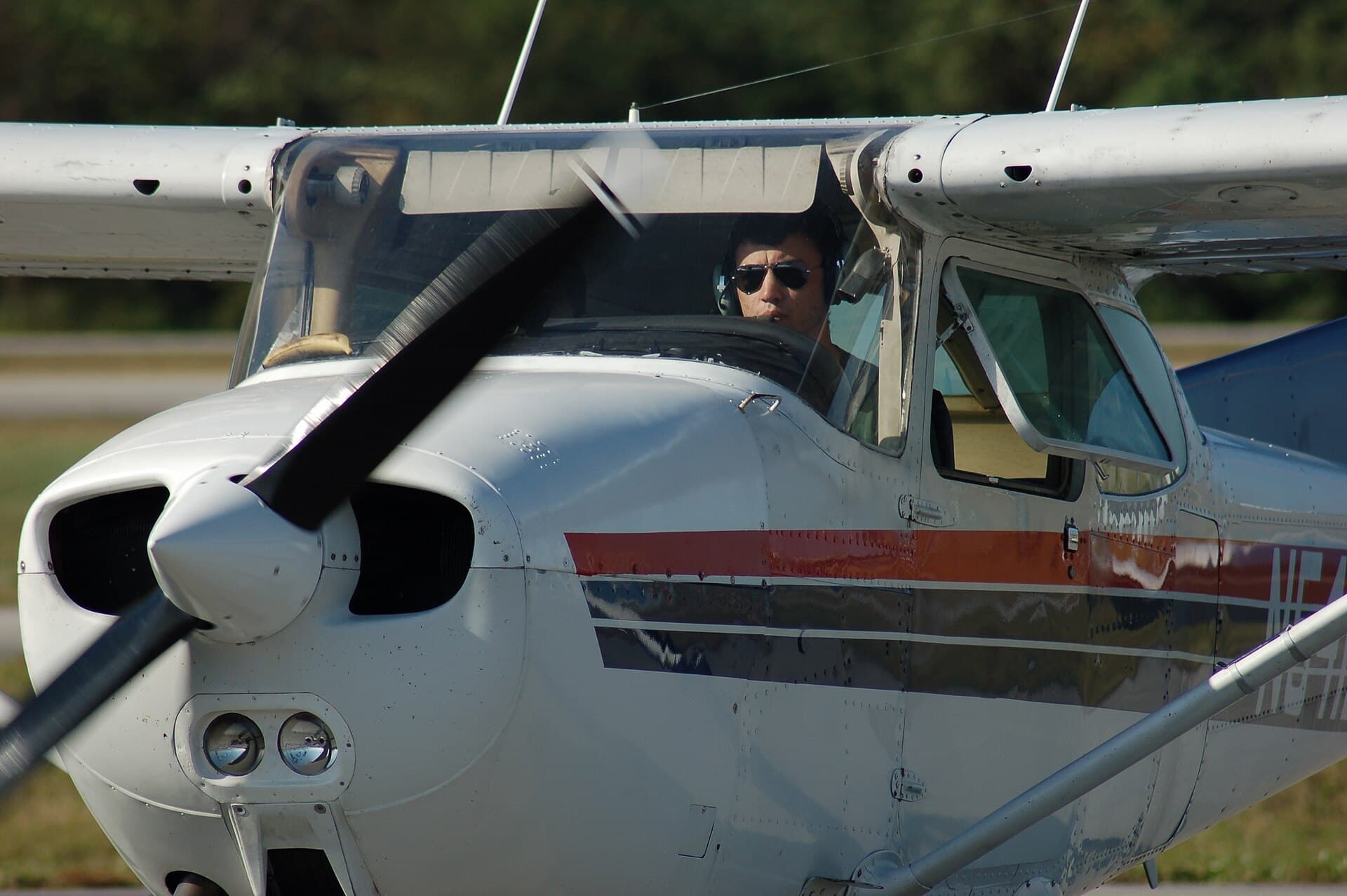
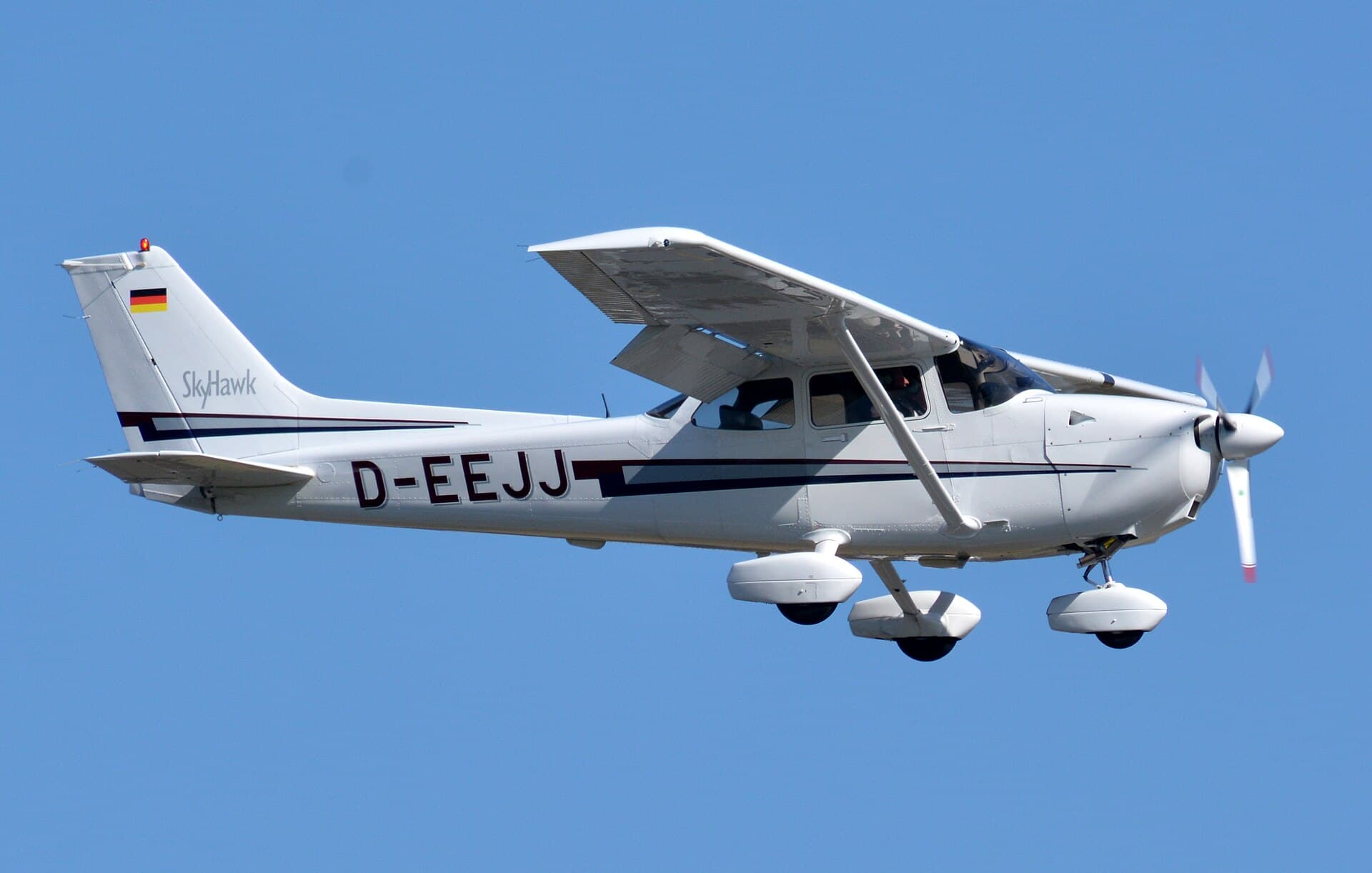
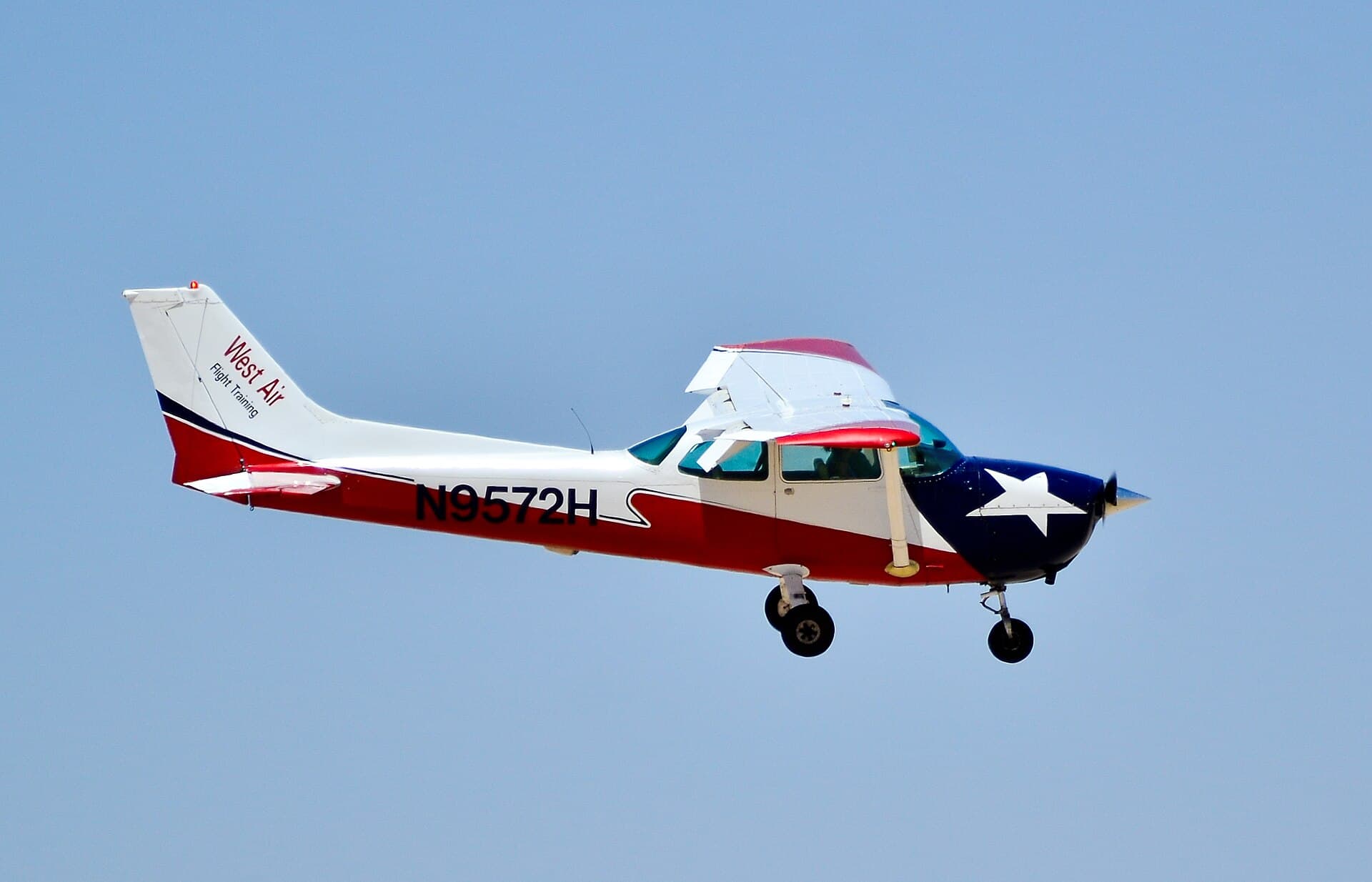
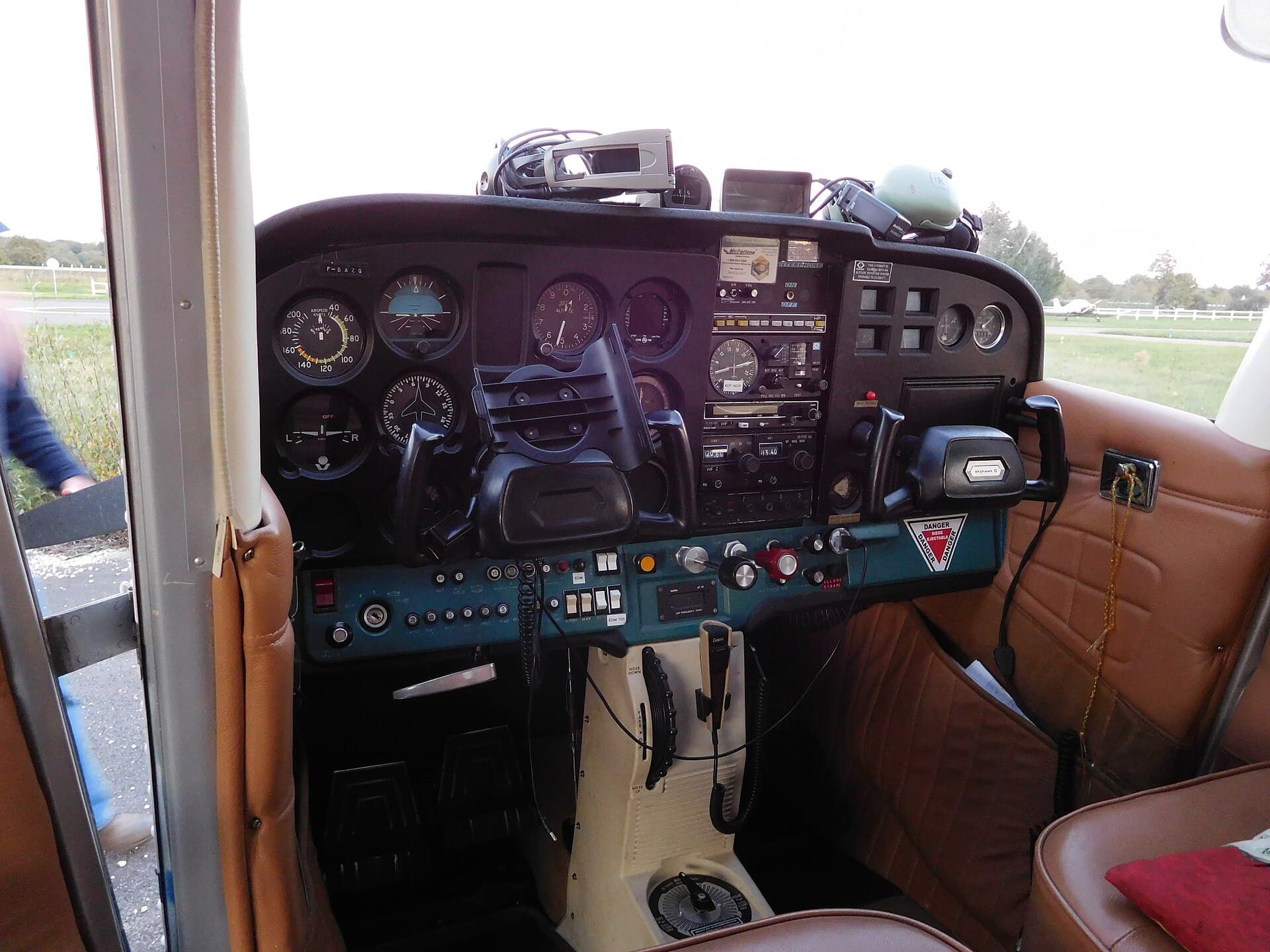
The Cessna 172 Skyhawk is a four-seat, single-engine, high-wing light aircraft that Cessna has built, with one long interruption, since 1956. It is the most-produced aircraft in history, by a margin no other design has come close to matching.
Exactly how many exist depends on what is counted. The Wichita and Independence lines, the licence-built Reims aircraft in France and the military T-41 variants are not always tallied together, and published totals range from about 44,000 to more than 45,000. The order of magnitude is not in dispute: no other aeroplane, civil or military, has been built in such numbers, and its nearest rivals are wartime fighters produced under conditions no peacetime manufacturer could repeat.
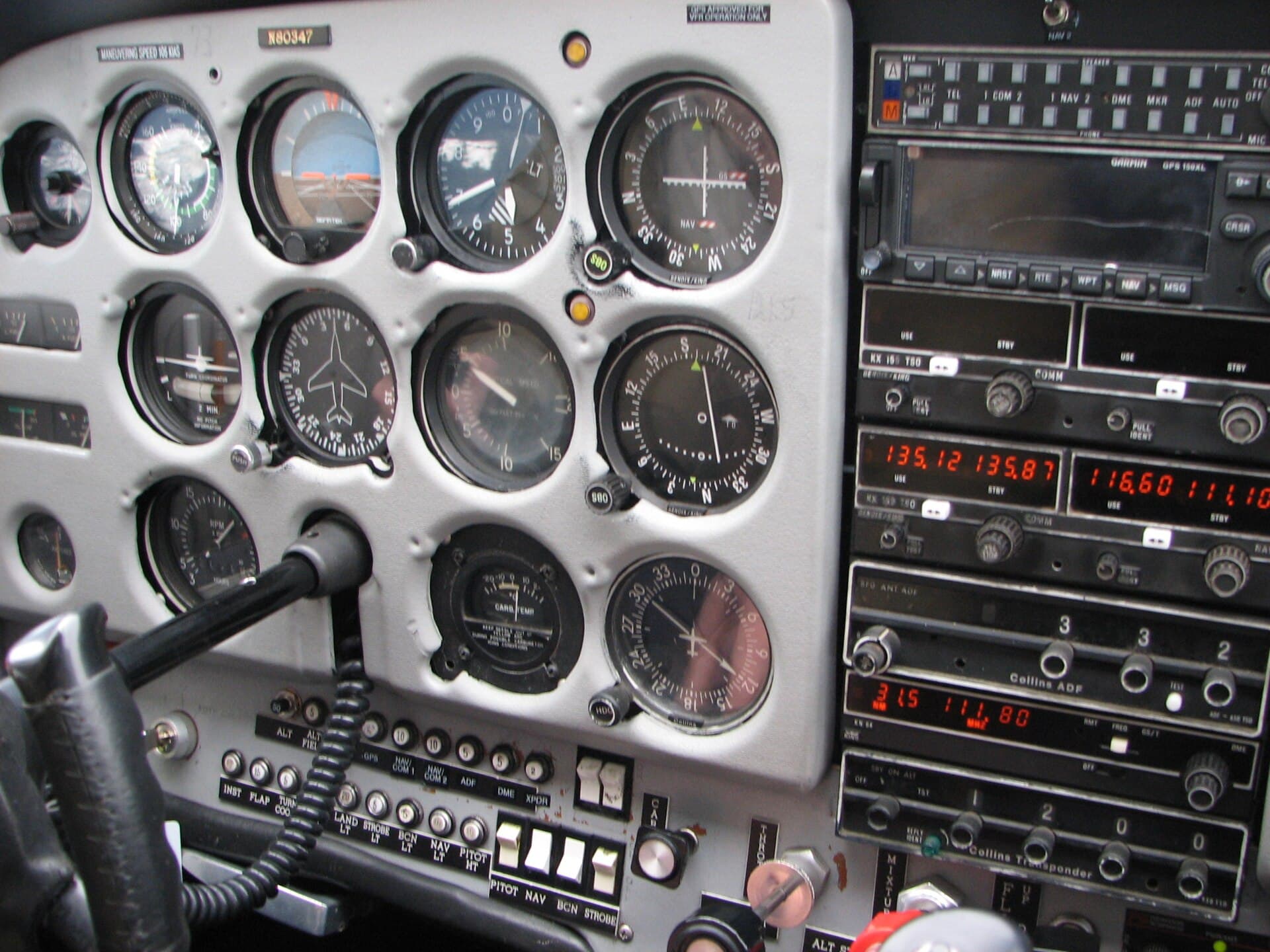
Seven decades after the prototype first flew, the Skyhawk remains in production in its 172S form, fuel-injected, 180 horsepower, and fitted as standard with the Garmin G1000 NXi glass cockpit. The airframe beneath that panel would be entirely familiar to a pilot from 1956.
Its longevity rests on a formula Cessna has never abandoned: a docile high-wing airframe, honest handling, structural simplicity, and running costs a flying school can actually sustain. The 172 is not fast, is not elegant in any obvious way, and carries a useful load that forces a real choice between passengers and fuel. None of that has mattered. For most of the world, for most of living memory, learning to fly has simply meant flying a 172: and an aircraft that teaches well, forgives generously and stays airworthy for decades turns out to be worth more than one that is merely impressive.
Development
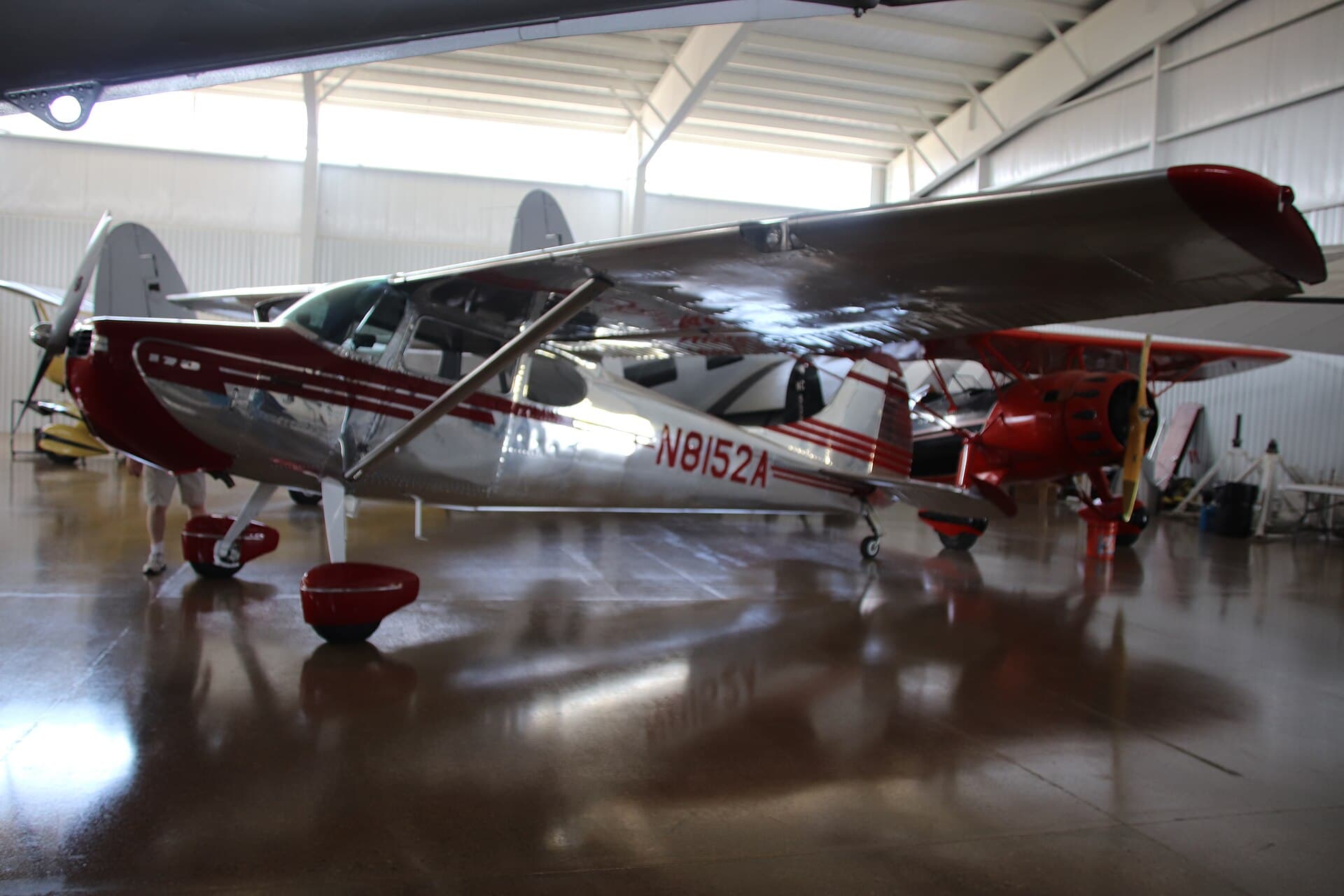
The 172 began not as a clean sheet but as a correction. Cessna's Model 170, a tailwheel four-seater that had sold well since 1948, was losing ground quickly in the mid-1950s, and the reason had nothing to do with how it flew. Buyers were abandoning taildraggers. A nosewheel undercarriage made an aircraft dramatically easier to taxi, to keep straight on takeoff and, above all, to land without the swing that punishes a careless tailwheel pilot. Piper's Tri-Pacer was taking sales on precisely that point.
Cessna's answer was pragmatic to the point of bluntness. Rather than design a new aeroplane, the company took the 170's wing, fuselage and tail, fitted a tricycle undercarriage it marketed as Land-O-Matic, and squared off the fin and rudder. The prototype flew on 12 June 1955. The type certificate followed in November 1955, and deliveries began in 1956 at a list price of 8,995 dollars.
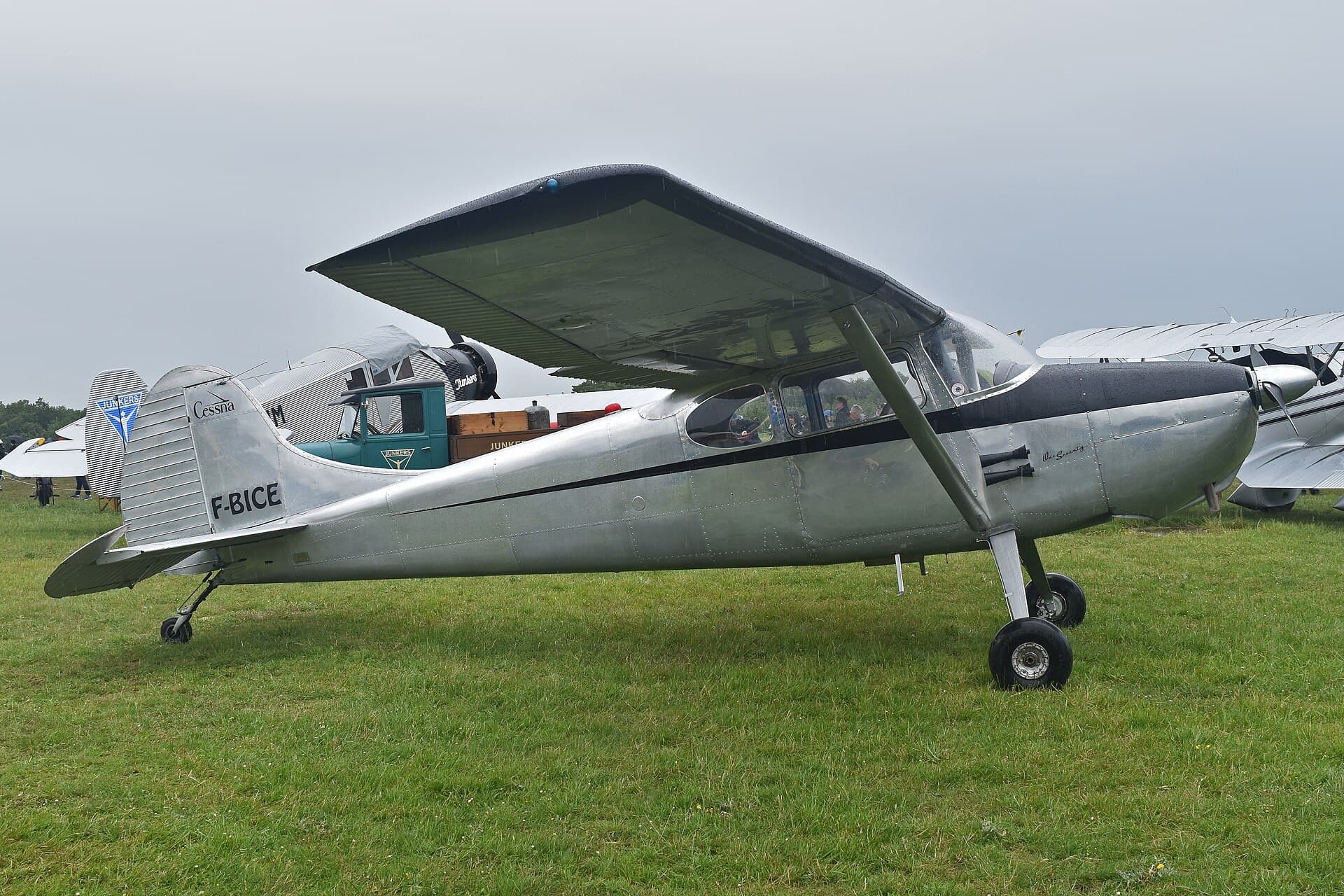
The gamble paid off emphatically. Well over a thousand aircraft were sold in the first full year, a figure that startled a company expecting to supplement 170 sales rather than replace them. The 172 outsold every competitor in its class, and it did so without offering a single performance advantage over the aircraft it was derived from. What it offered was the removal of a difficulty.
The consequences were swift. The 170 was discontinued in 1956, killed by its own derivative, and the 172 moved to the centre of Cessna's single-engine line, where it has remained ever since. It is a useful lesson in what actually sells aeroplanes: the 172 won not by flying better, but by being easier.
Design
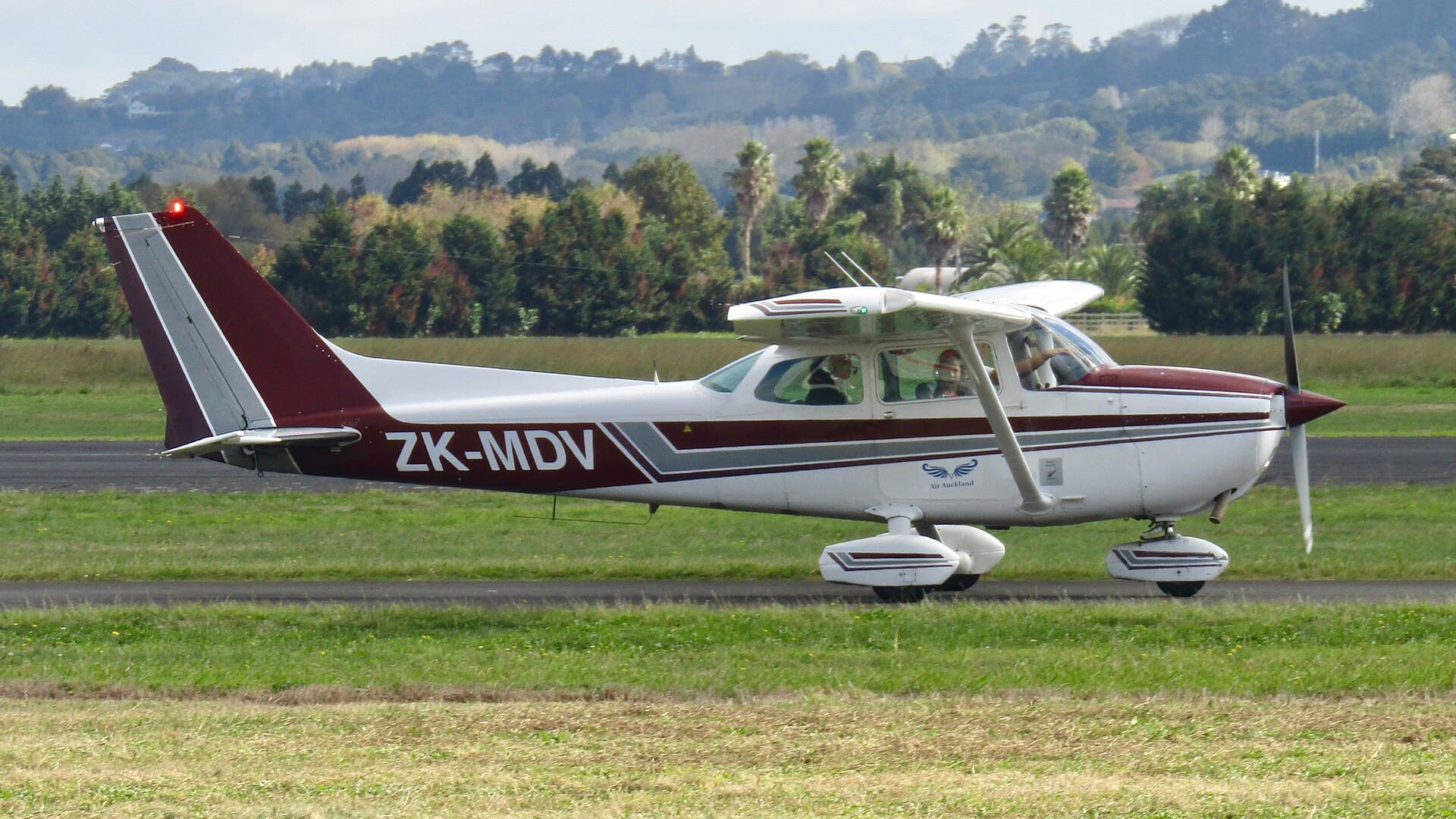
The 172's layout has barely changed in seventy years, and the consistency is the point: a strut-braced high wing, a semi-monocoque aluminium fuselage, fixed tricycle gear with a steerable nosewheel, and four seats beneath a broad cabin roof.
The high wing does more work than it appears to. It places the wing above the cabin, giving an unobstructed downward view (decisive for training, sightseeing and any kind of low-level work) and hangs the fuselage beneath the lift, which is inherently stable in roll. The bracing struts let the spar be lighter than a cantilever wing would need and keep the whole structure easy to inspect, at the cost of a few knots of cruise that the 172's customers have never cared about. The wing uses a NACA 2412 section with slotted flaps that, on early aircraft, extended to a full forty degrees, giving the steep, slow, powered approach that generations of instructors taught.
The undercarriage deserves its own mention. The main legs are tapered spring steel, a solution Cessna adopted from the designer Steve Wittman, with no oleos, no hydraulics and almost nothing to service. They simply flex. It is probably the single component most responsible for the 172's reputation for surviving student landings.
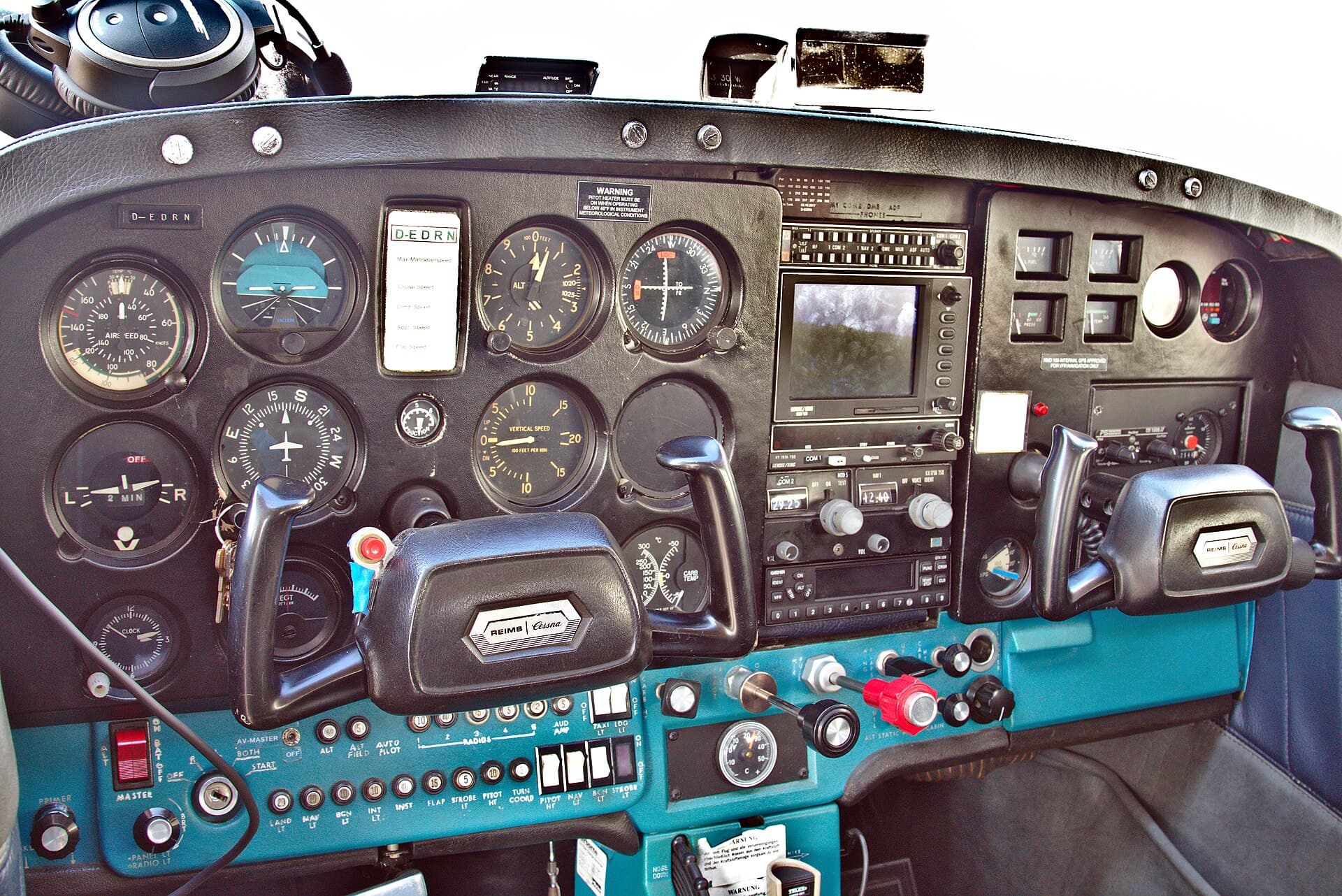
Power grew step by step rather than by revolution. The original 145-horsepower Continental O-300 six gave way to four-cylinder Lycomings from 1968, and today's 172S uses a fuel-injected 180-horsepower Lycoming IO-360-L2A driving a fixed-pitch McCauley propeller. The panel followed the same path: from a sparse row of dials, through the Garmin G1000 that became standard in the mid-2000s, to the G1000 NXi fitted today. Every one of those changes was an incremental improvement to an accepted formula. Cessna has repeatedly been in a position to replace the 172 and has repeatedly concluded there was nothing to replace it with.
Technical characteristics
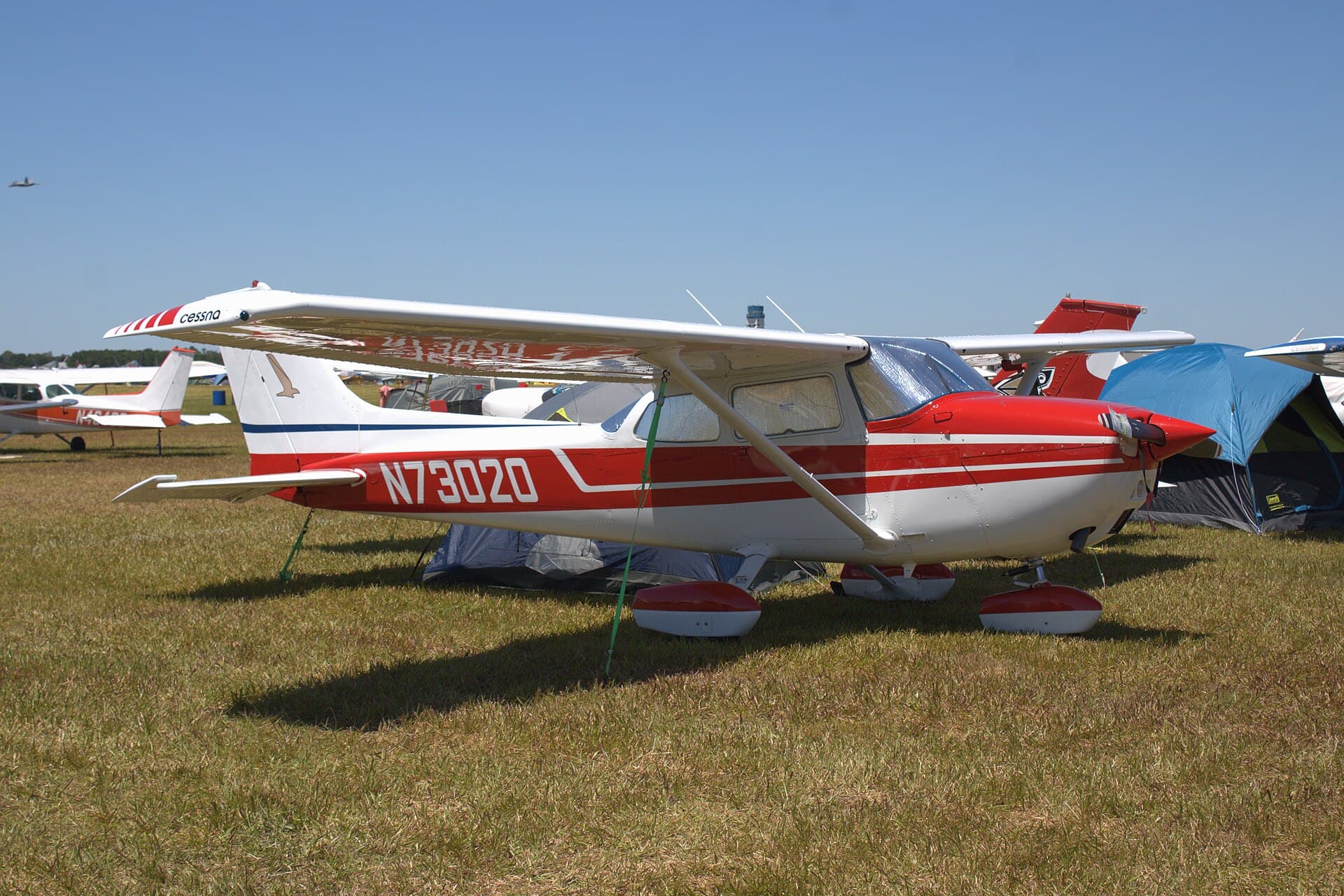 Cessna 172M Skyhawk
Reading the model letters is reading the aircraft's biography, and the 172 has more of them than almost any other design.
The swept fin, the feature that makes a 172 recognisable at a distance, arrived with the 172A in 1960. The Skyhawk name came in 1961 with the 172B, initially as a trim package rather than a model in its own right. The 172D of 1963 lowered the rear deck and added the wrap-around rear window Cessna marketed as Omni-Vision, permanently changing the aircraft's silhouette. Electric flaps replaced the manual lever in 1964.
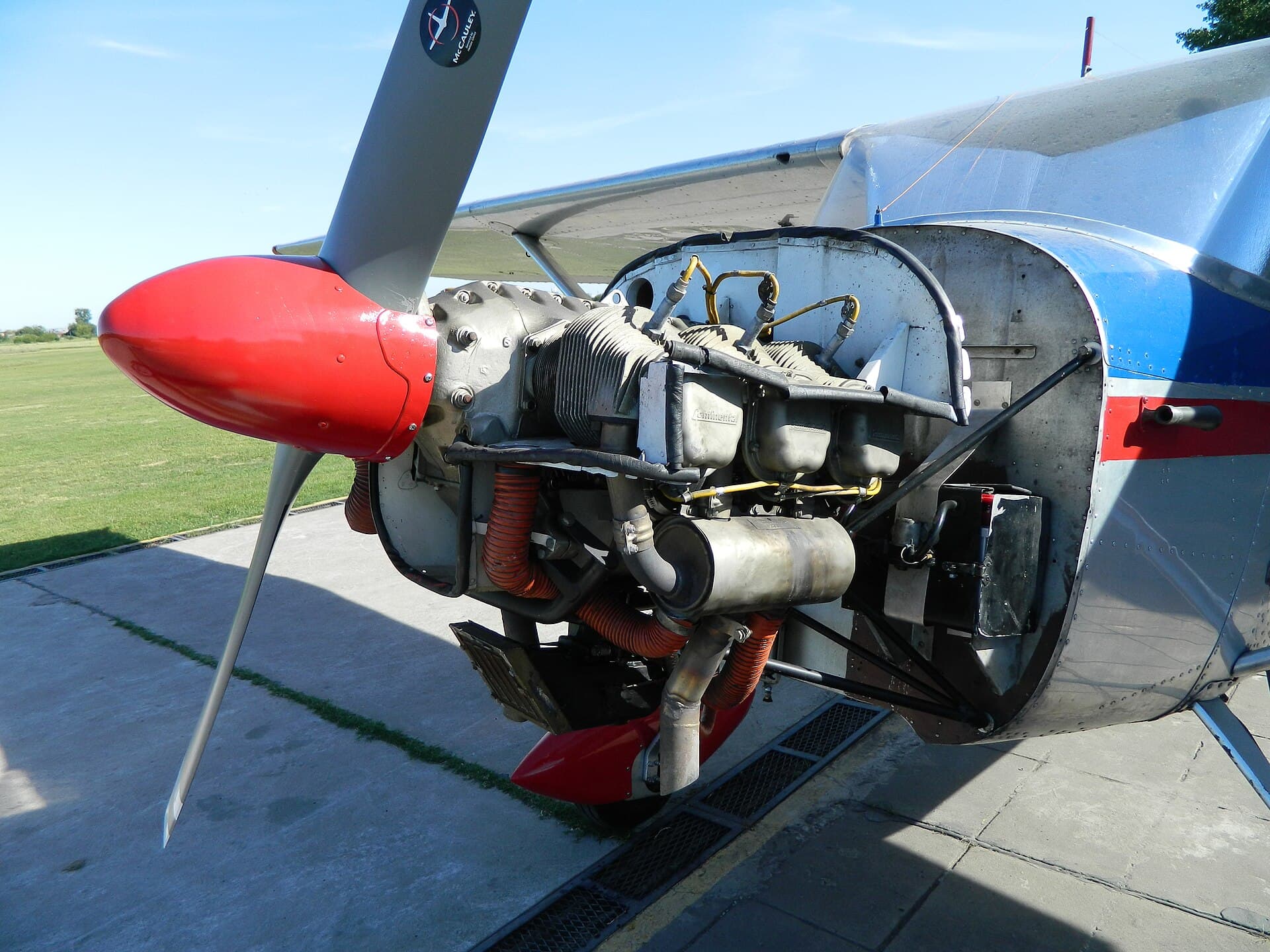
The most significant change came in 1968, when the 172I abandoned the Continental O-300 six for a four-cylinder Lycoming O-320, fewer cylinders, less weight, and the beginning of the Lycoming era that continues today. The 172M of 1973 added a drooped, cambered wing leading edge that softened the stall further still, marketed reasonably enough as the camber-lift wing.
Not every change was an improvement. The 172N of 1977 adopted the O-320-H2AD, an engine designed around the coming shift to 100-octane fuel, and it proved troublesome in service, with camshaft and valve-train problems that generated service bulletins and a lasting reputation. The 172P of 1981 put the matter right, and also reduced maximum flap deflection from forty degrees to thirty, trading some of the older aircraft's dramatic short-field approach for better go-around performance with full flap.
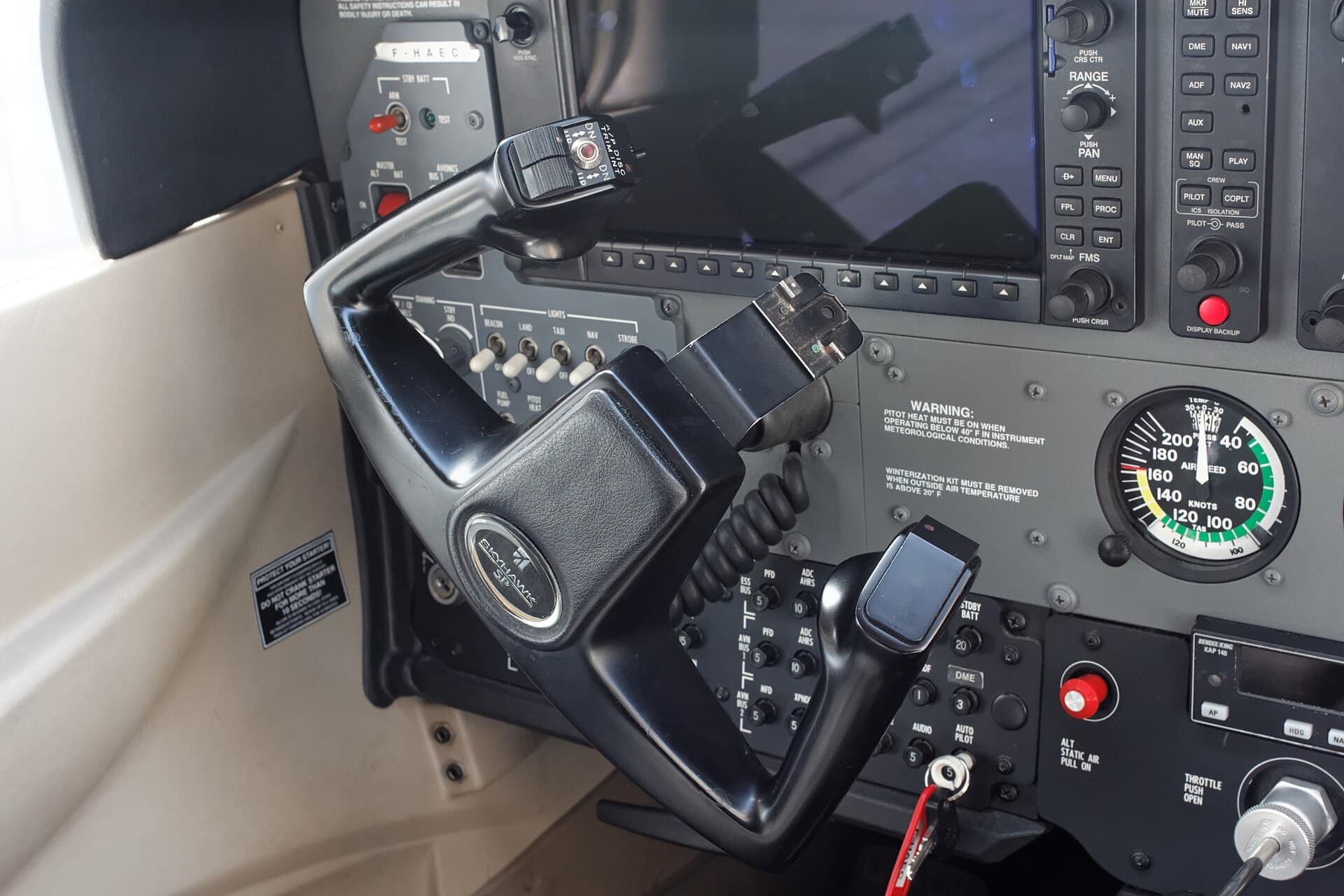 Cessna 172SP
The modern era is defined by injection and glass. The 172R restarted production in 1996 with a fuel-injected 160-horsepower engine; the 172S of 1998 raised that to 180 and became the Skyhawk SP. Garmin's G1000 became standard in the mid-2000s and was succeeded by the G1000 NXi, which is what a new Skyhawk is delivered with today. Beyond the panel, a current Skyhawk and a 1998 one are close to the same aeroplane.
Flight characteristics
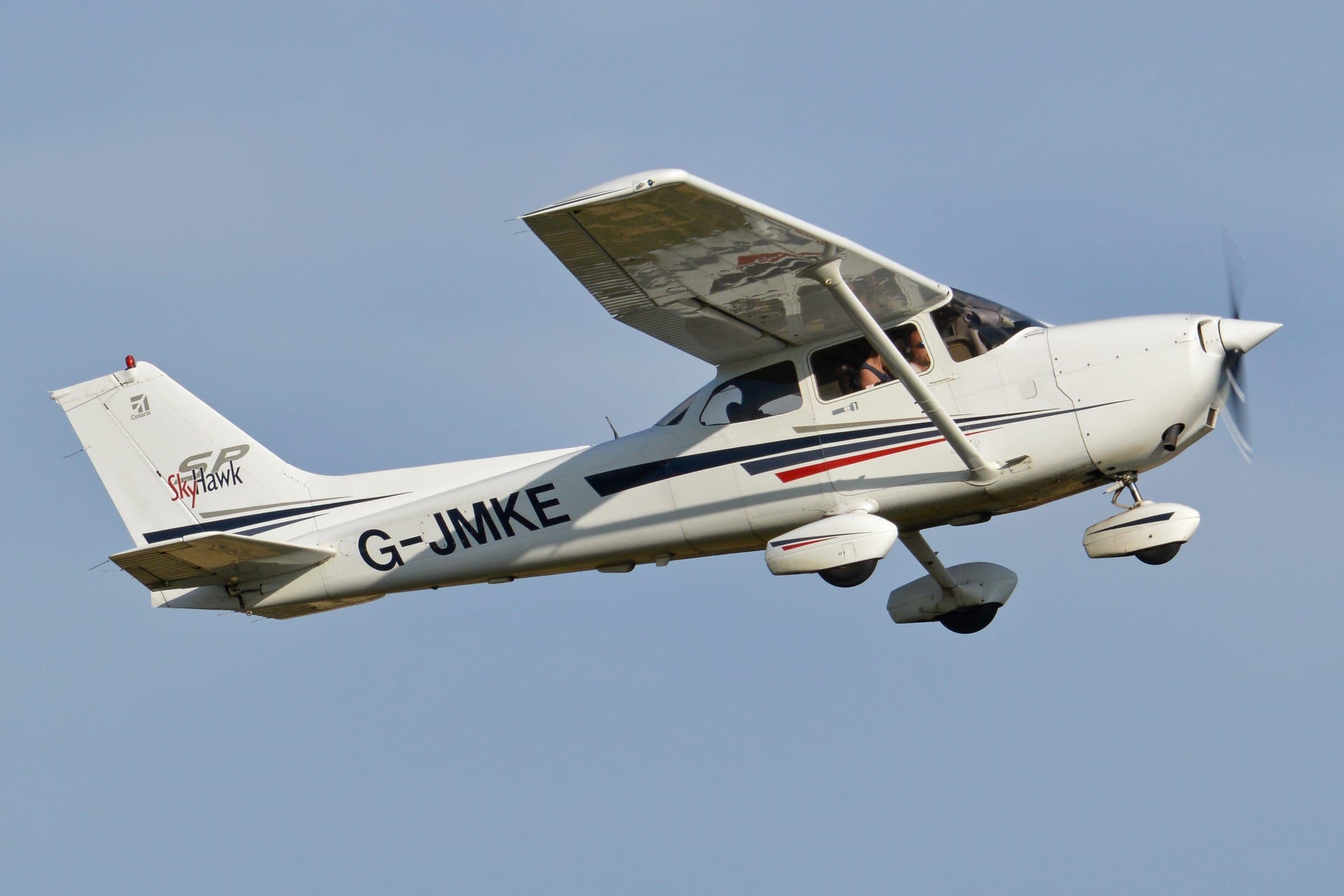 Cessna 172S Skyhawk SP
Ask any instructor why the 172 endures and the answer is its manners. The aircraft is stable in all three axes, returns towards level flight if left alone, and holds a trimmed attitude with almost no attention. It announces an approaching stall with a gentle buffet and a straight nose drop that recovers almost by itself, and it tolerates the crosswind arrivals, bounced landings and mishandled flap settings that fill a student's first hundred hours.
The numbers are modest and honest. Cruise is around 124 kt at seventy-five per cent power, the wing stalls at about 48 kt indicated with flaps up, the aircraft climbs at roughly 730 ft/min at sea level, and the service ceiling is 14,000 ft. Range is about 640 nm, which in practice means a comfortable three-hour leg with a sensible reserve.
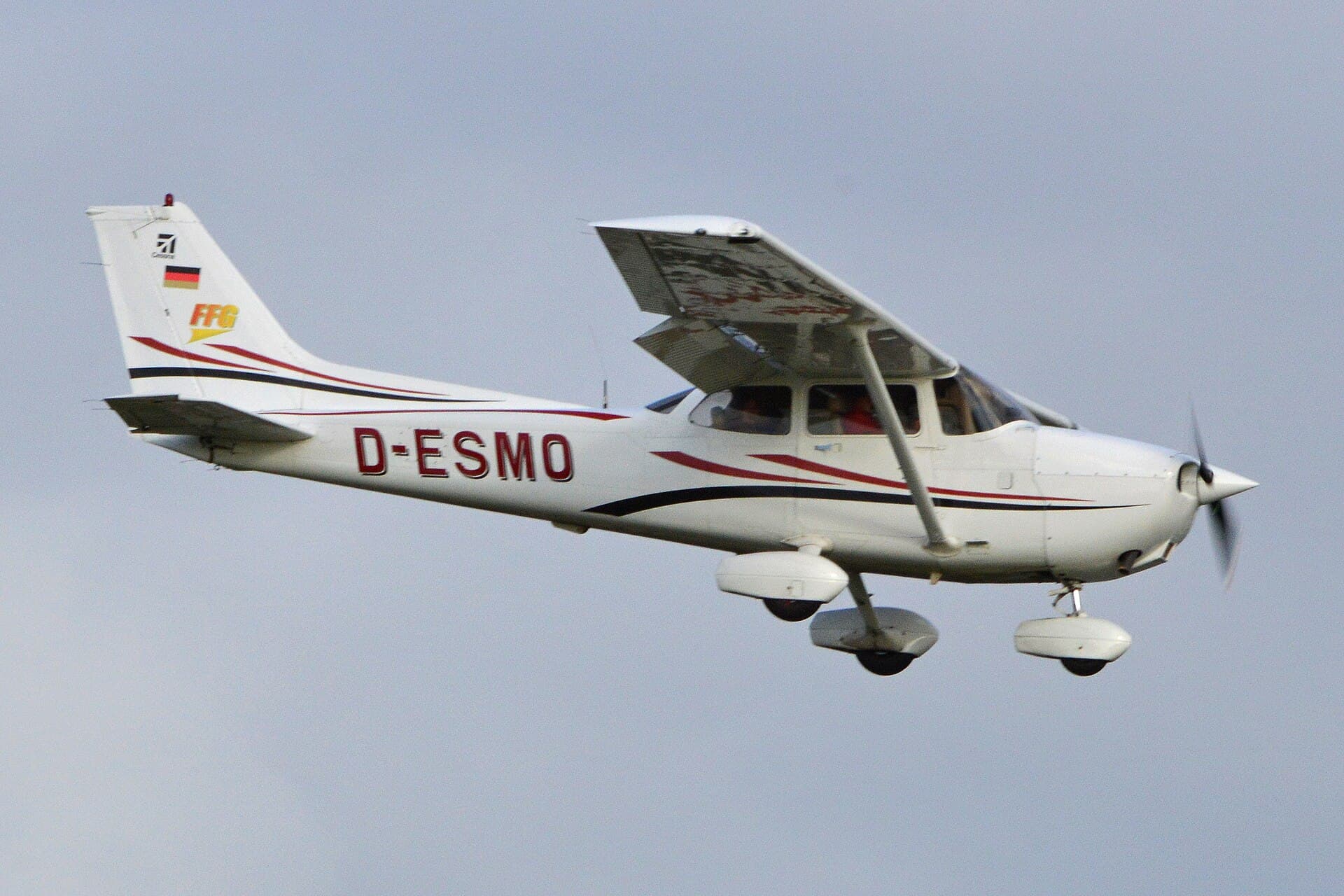 Cessna 172R
Its real limitation is not speed but load. A 172S has a useful load near 878 lb against a fuel capacity of 56 US gal, which means four adults and full tanks is not a combination that exists. Every 172 pilot learns early to trade fuel against seats: and learning that trade properly, with a weight and balance sheet rather than optimism, is one of the more valuable things the aircraft teaches.
What it offers instead of performance is predictability. It does not reward aggression, it hides no vices for the inattentive, and it does very little a pilot has not been warned about. Those qualities are unremarkable on paper and extremely hard to design deliberately. They are why the 172 became the world's default first aeroplane, and why pilots who long ago moved on to far more capable machines still remember it with a kind of exasperated affection.
Flight training
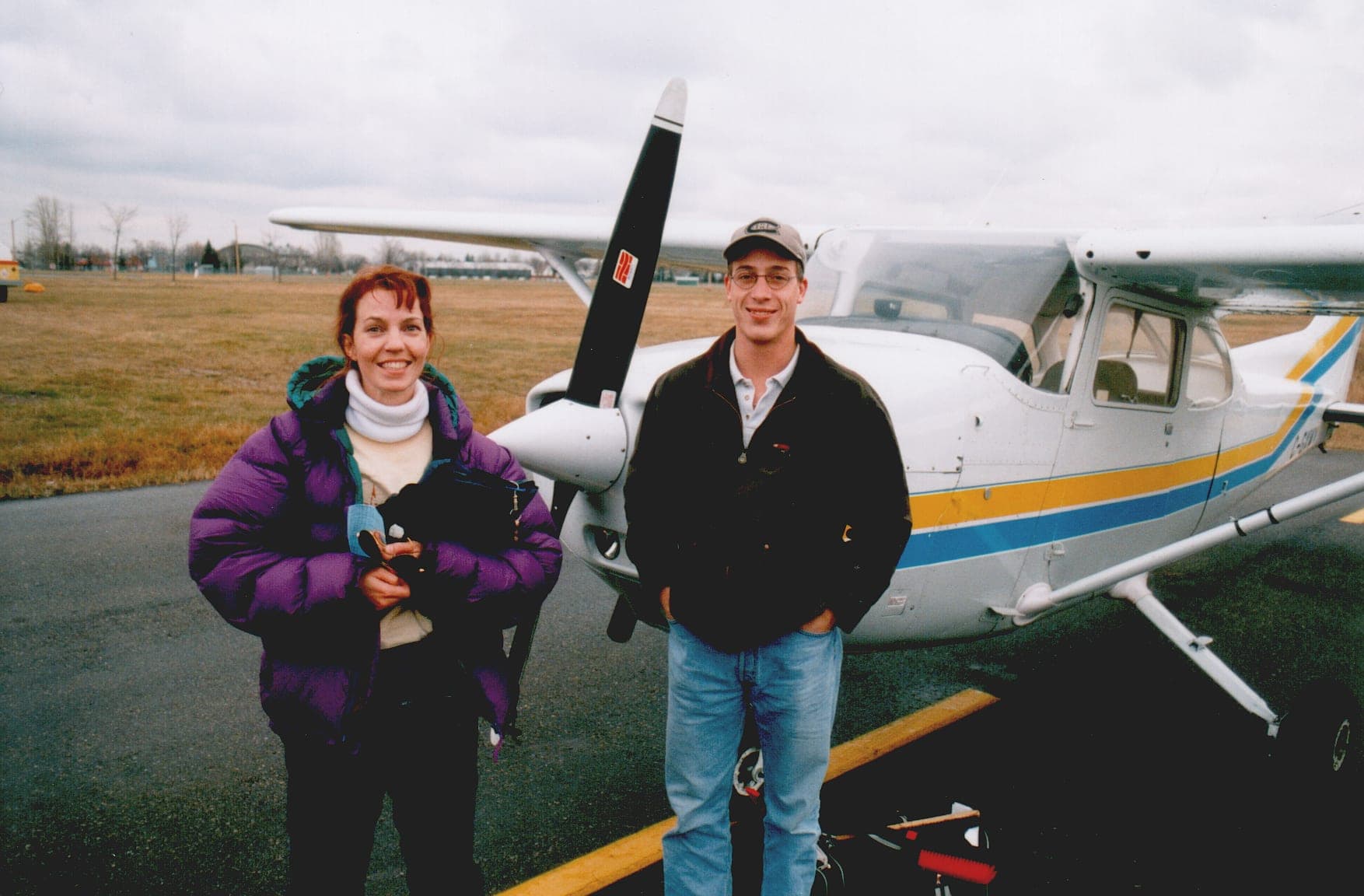
No aircraft has taught more people to fly, and it is not close. From the late 1950s onward the 172 became the backbone of civilian flight training across North America, Europe, Africa, Asia and Australia, and it still equips flying schools, aero clubs and university aviation programmes by the hundreds. A substantial share of the world's airline pilots logged their first solo, first cross-country and first licence checkride on a Skyhawk.
The reasons are unglamorous. The aircraft is forgiving enough that a student's mistakes are recoverable and instructive rather than terminal. Its systems are simple enough to be taught in an afternoon and understood completely, a carburettor or a fuel-injection system, a fixed-pitch propeller, a fixed undercarriage, and very little else to mismanage. It is cheap enough per hour that a school can charge a rate students will pay, and durable enough to fly six hours a day for years.
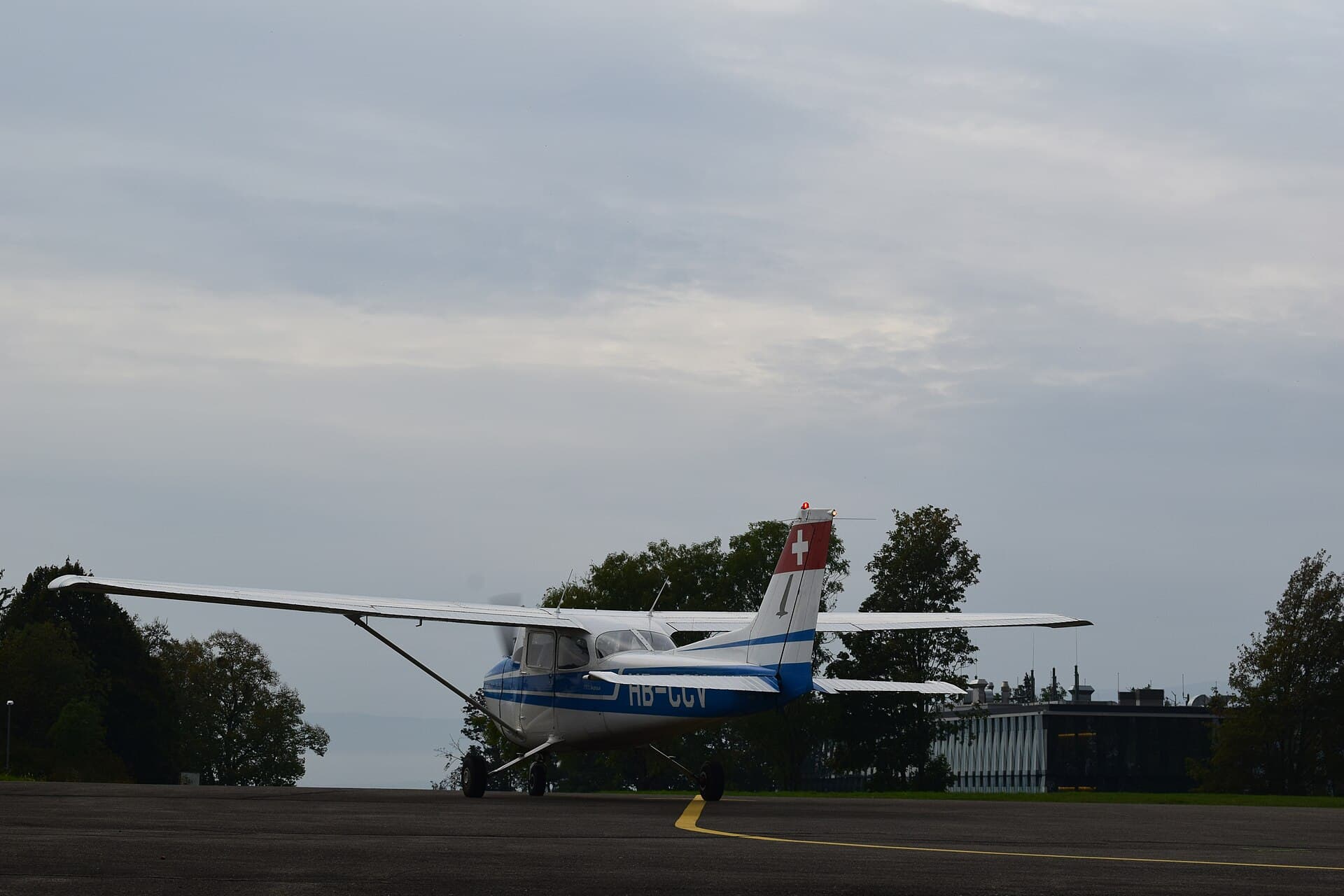
That role then shaped the aircraft in turn. Every revision protected the qualities the training market depended on: robust spring-steel landing gear, docile stall behaviour, straightforward systems, moderate operating costs. Whenever Cessna considered changes that would have made the 172 faster or more sophisticated, the customer that mattered most was a flight school putting a full working day on each airframe: and that customer wanted nothing that would raise the hourly rate or shorten a maintenance interval.
The result is a genuine feedback loop. The 172 became the standard trainer because it suited training, and then stayed suited to training because it had become the standard. Instructors know it, mechanics know it, examiners know it, insurers price it keenly, and in much of the world the syllabus is effectively written around it.
Military service
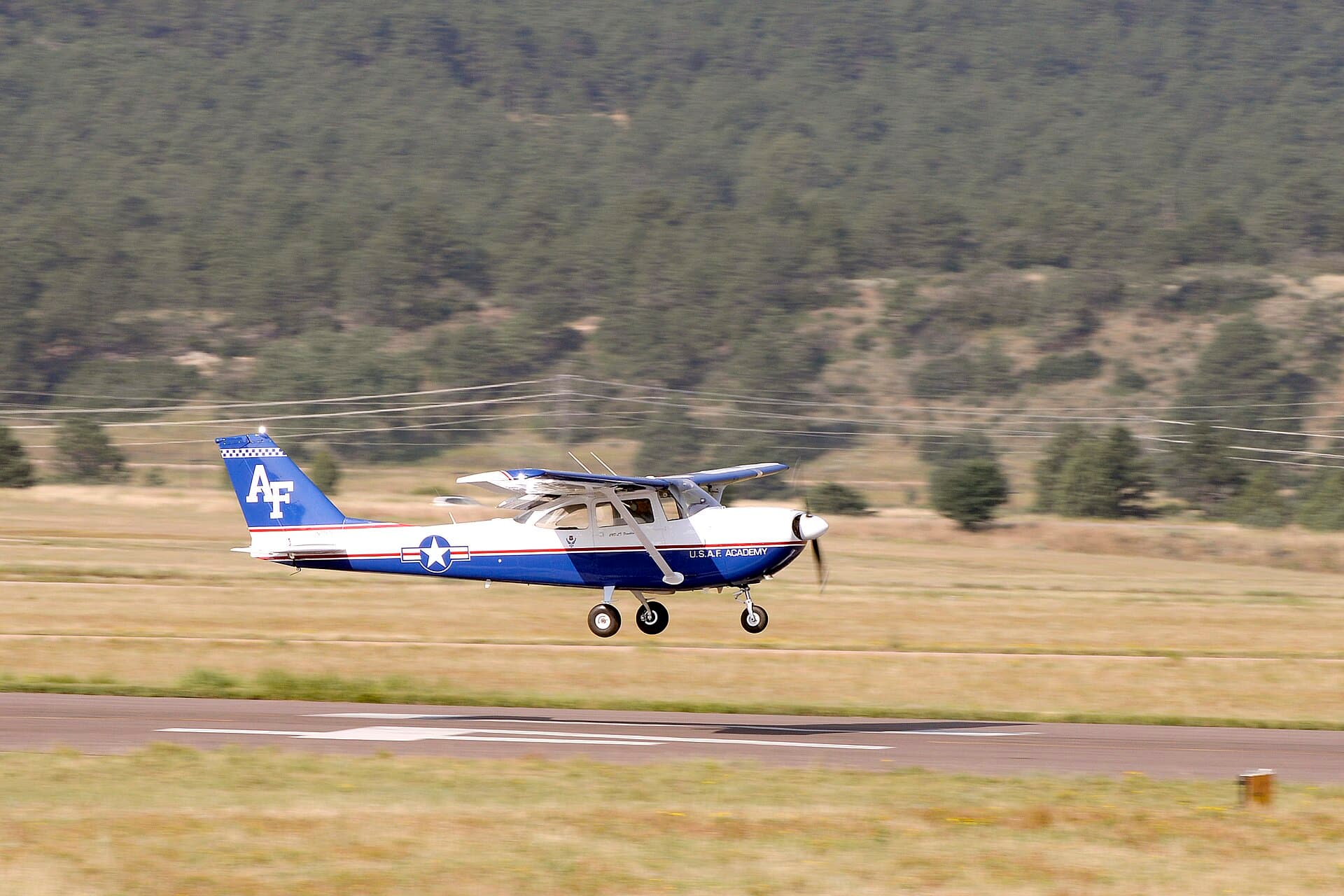 Cessna T-41 Mescalero
The 172 wears uniform as the T-41 Mescalero. In 1964 the United States Air Force, looking for a cheaper way to find out whether a candidate could fly before committing him to jet training, bought an essentially off-the-shelf 172 rather than commissioning a purpose-built trainer. The T-41A was close to a standard 145-horsepower aircraft of the period, flown by civilian contract instructors, and it did exactly what was asked of it: it identified the students who were not going to make it, at a small fraction of the cost of discovering the same thing in a T-37.
More powerful versions followed. The T-41B, C and D were based on the uprated 210-horsepower model, serving the US Army, the Air Force Academy and, through military assistance programmes, a long list of allied air arms. Several of those air forces still operate the type, in some cases as the only fixed-wing trainer they have.
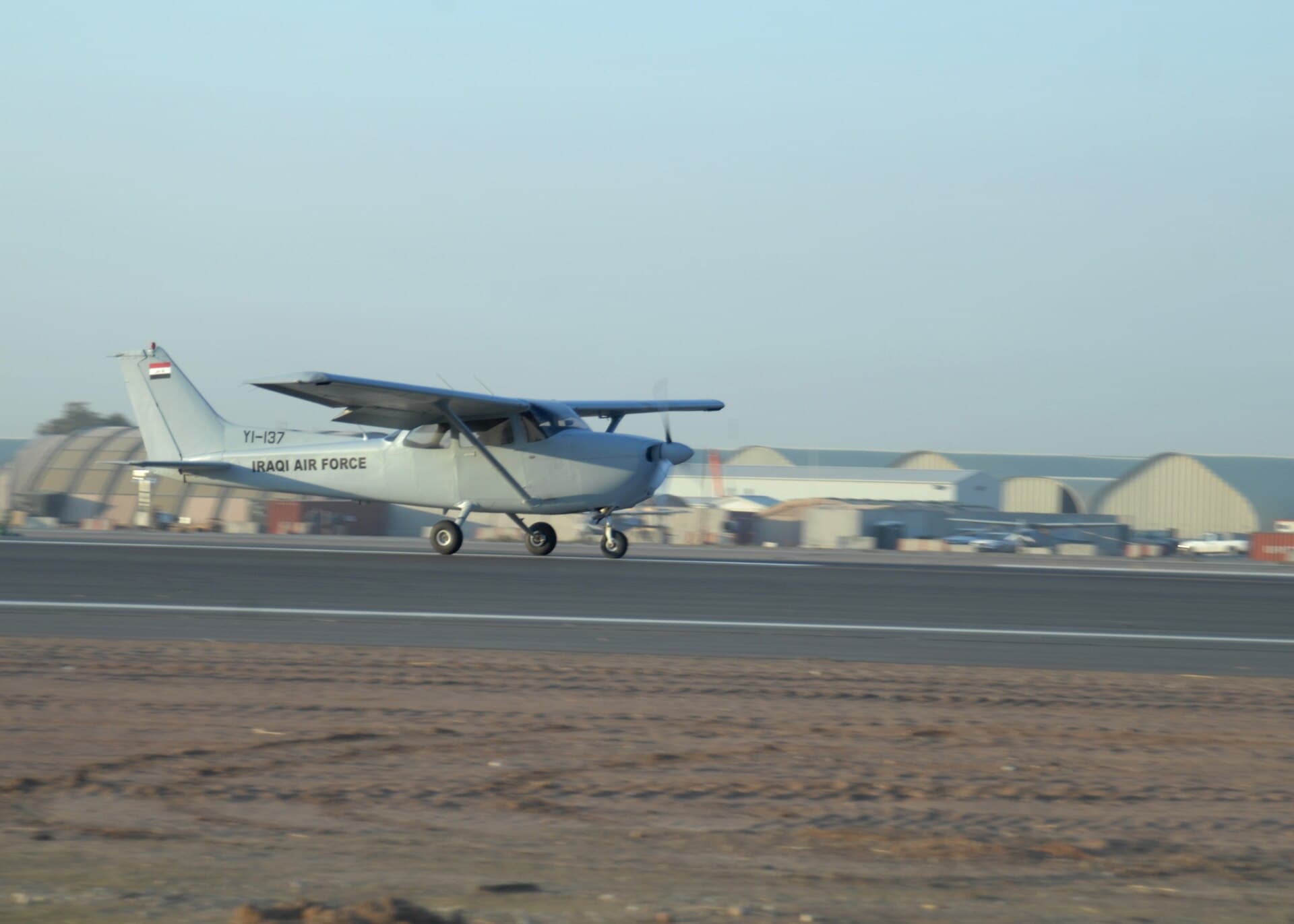
Militaries value the 172 for the same reasons flying schools do: low purchase and operating cost, mechanical simplicity, forgiving handling, and a supply of parts and expertise that will not disappear. For many smaller air forces the T-41, or a plain civilian 172, has been the first rung of the pilot-training ladder, the aircraft on which every one of their pilots learned the basics before moving to anything faster.
There is a certain irony in it. An aeroplane designed to sell to private owners by being easy to land became, essentially without modification, a standard piece of military equipment on four continents, purely because being easy to fly is a military virtue too.
Production
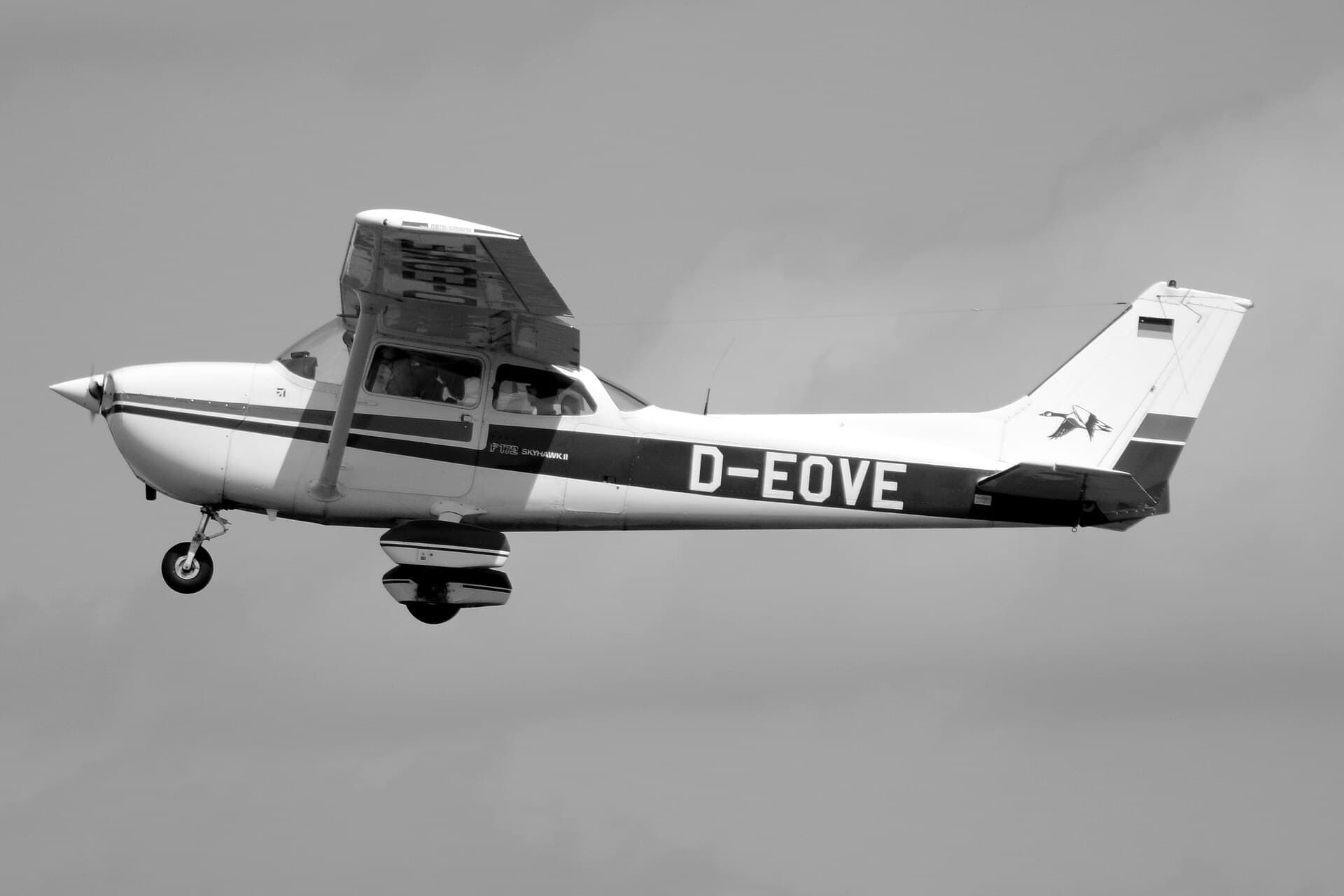
Skyhawks were built in Wichita, Kansas, and, from the early 1960s, under licence by Reims Aviation in France, whose F172 series supplied the European market for two decades and carried its own model letters in parallel with the American ones. Reims aircraft are genuine 172s and are usually, though not always, included in production totals, which is one reason those totals vary.
By 1986 around 37,300 had been completed. That year Cessna suspended all piston-single production, and the reason was not demand. American general aviation was in the middle of a product-liability crisis in which manufacturers were being sued over aircraft built decades earlier, and the insurance cost attached to each new airframe had risen to the point where building light aircraft in the United States no longer made commercial sense. The 172 did not fail; the legal environment around it did.
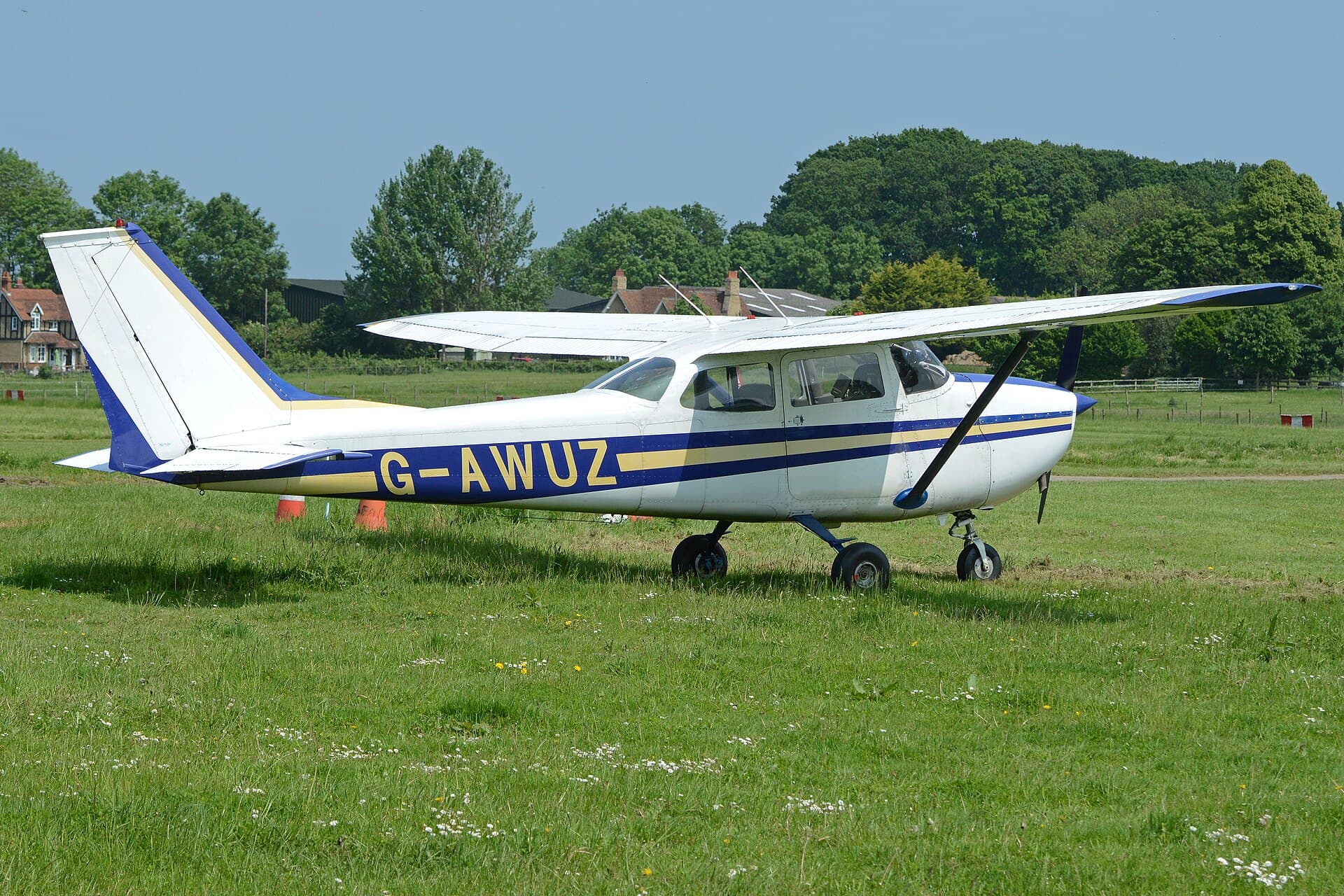
The General Aviation Revitalization Act of 1994 changed that, imposing an eighteen-year limit on manufacturers' liability for ageing airframes, and the line came back. The fuel-injected 172R appeared in 1996, built at a new plant in Independence, Kansas, and the 180-horsepower 172S followed in 1998. Production continues at Independence today.
The running total is beyond 44,000 and is usually quoted as more than 45,000, more than any other aircraft in history, but the figure should be read with care. Published totals differ according to whether they include Reims-built aircraft, military T-41s and the various 172-derived models, and no widely cited source defines precisely what it is counting. The honest statement is that the 172 has been built in greater numbers than any other aeroplane, and that the exact number is not settled.
In service
For its first three decades the 172's history is mostly a story of steady, almost boring success, punctuated by two events that still get told as stories in their own right. On 4 December 1958, a 172 sponsored by the Hacienda hotel in Las Vegas took off with Robert Timm and John Cook aboard and did not land again for sixty-four days, refuelled in the air by a truck racing beneath it; the endurance record they set has never been broken. In May 1987, a rented Reims-built 172 flown by a nineteen-year-old West German, Mathias Rust, slipped through Soviet air defences undetected and landed on a bridge by Red Square, an episode that cost senior Soviet commanders their jobs and became, briefly, a piece of Cold War history rather than aviation trivia.
The real crisis, though, was neither of those. By the mid-1980s American general aviation was being strangled by product-liability litigation: manufacturers were being sued over aircraft built decades earlier, and the insurance premium loaded onto every new airframe made building light singles in the United States unprofitable almost regardless of demand. In 1986 Cessna suspended all piston production, and the 172 line (by then around 37,300 aircraft old) simply stopped. It was not a failure of the aeroplane; it was a failure of the legal environment around it.
That crisis had a legislative fix. The General Aviation Revitalization Act, signed in 1994, capped manufacturers' liability for ageing aircraft at eighteen years, and Cessna acted on it quickly. A new factory was built at Independence, Kansas, and in 1996, a full decade after the line went silent, the fuel-injected 172R rolled off it, followed in 1998 by the 172S that is still built today.
The interruption obscures a rougher patch inside the piston era itself. The 172N of 1977 was fitted with the Lycoming O-320-H2AD, an engine designed around the industry's coming switch to 100-octane fuel, and it went into service with camshaft and valve-train problems serious enough to generate a string of service bulletins and a reputation that took years, and the corrected 172P of 1981, to live down. It remains the clearest black mark on an otherwise unusually clean safety and reliability record.
Set against that, the arithmetic is one-sided. Every rival that has been launched as a 172-killer (faster, more efficient, composite, cheaper to run) has come and mostly gone, while the Skyhawk kept building, restarting and outlasting them. Total production is usually put above 45,000, more than any other aircraft, civil or military, in history. The story of the 172 is less a string of triumphs than a demonstration that surviving your own mistakes, and your own government's mistakes, matters more in the long run than never making any.
Records and notable flights
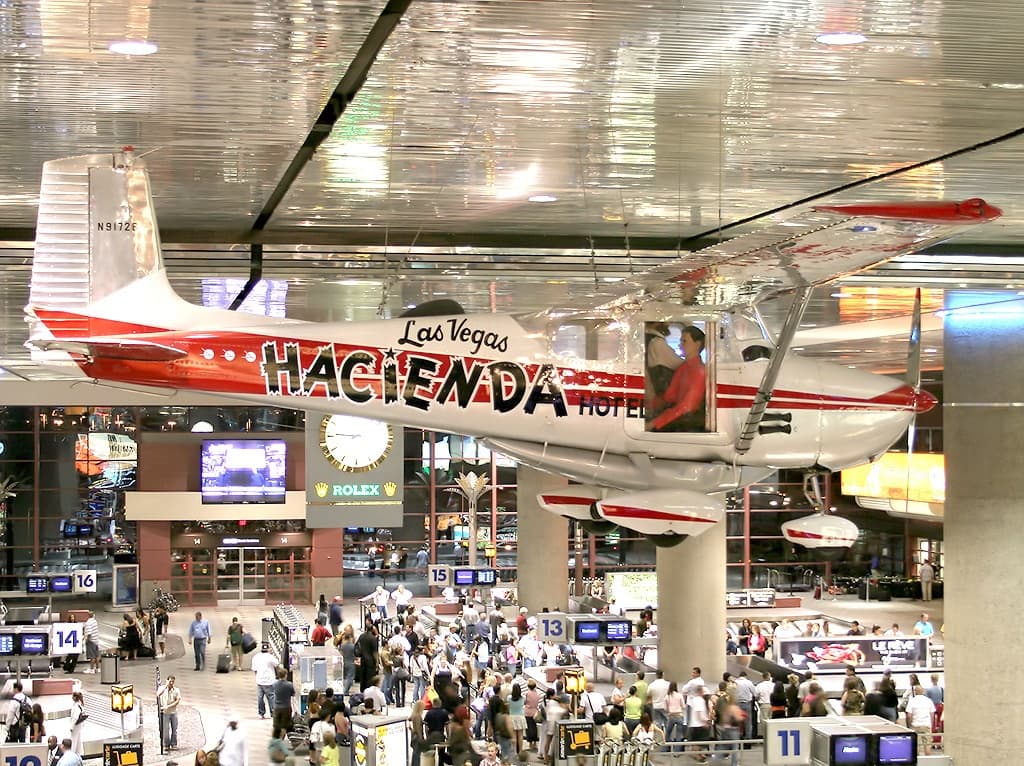
The 172's most famous feat took place over the Nevada desert and has never been repeated. On 4 December 1958 Robert Timm and John Cook took off from Las Vegas in a 172 painted in the livery of the Hacienda hotel, which was sponsoring the attempt as publicity. They did not land until 7 February 1959, sixty-four days, twenty-two hours and nineteen minutes later.
The logistics were extraordinary and faintly insane. Fuel came from a truck racing along a straight desert road beneath the low-flying Cessna, with a hose winched up to the aircraft; food, water and oil came up the same way. The crew took turns sleeping in a space never designed for it, and the airframe accumulated the equivalent of several years of ordinary flying in nine weeks. Both men said afterwards that the aeroplane finished in considerably better condition than they did.
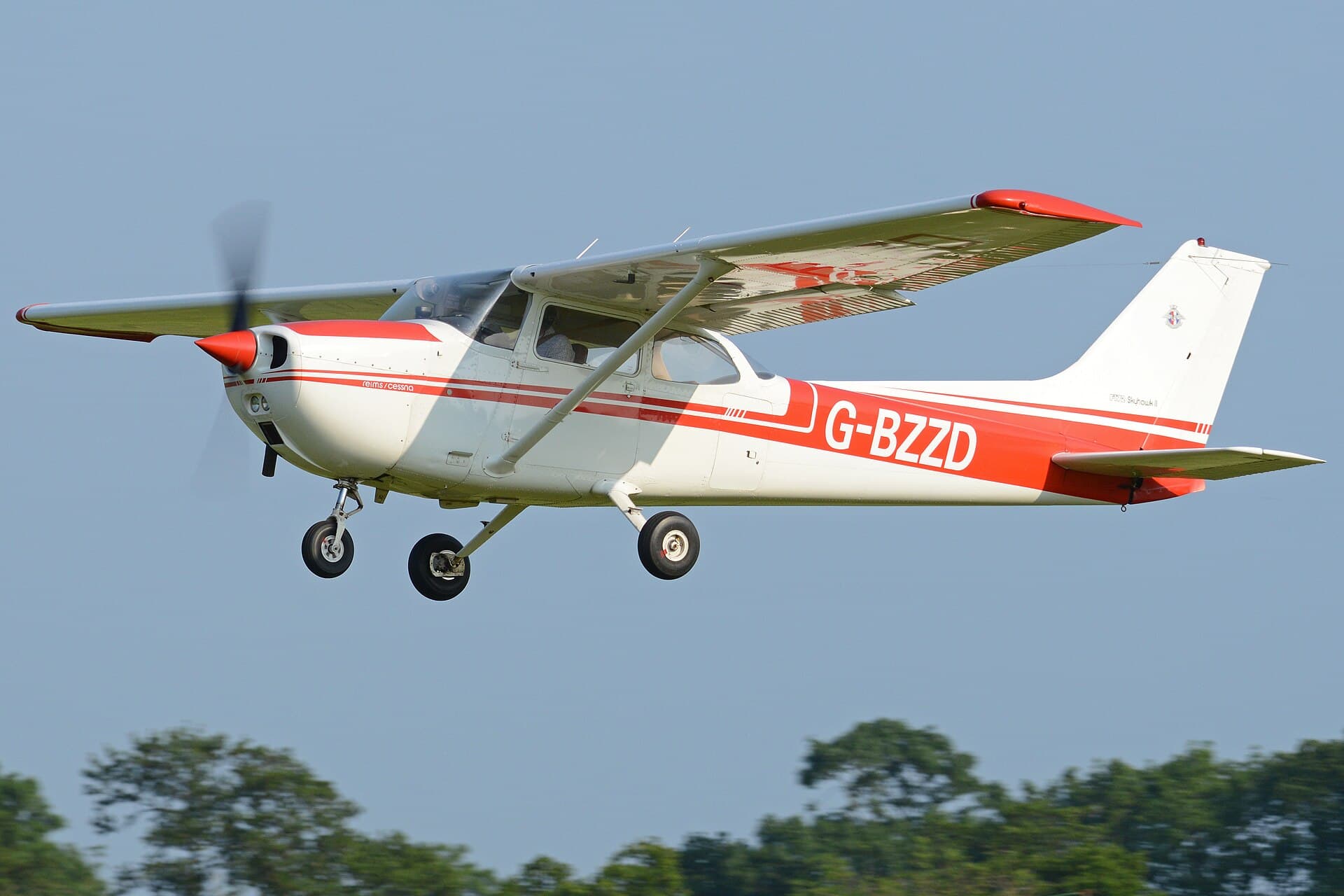 Reims/Cessna F172M
The crewed-flight endurance record they set has stood ever since, and the aircraft itself now hangs on display in the terminal at Las Vegas: an unusually honest monument, given that the record began as a hotel advertisement.
The type brushed world history again in May 1987, when nineteen-year-old Mathias Rust flew a rented, Reims-built 172 from Helsinki through Soviet air defences and landed on a bridge beside Red Square in Moscow. He was detected repeatedly and repeatedly not engaged, in a chain of hesitations the flight exposed with humiliating clarity. The political consequences were severe: the Soviet defence minister and the head of air defence were dismissed, and the episode is widely held to have helped Mikhail Gorbachev remove opposition within the military. It remains a strange distinction for a training aeroplane.
Legacy
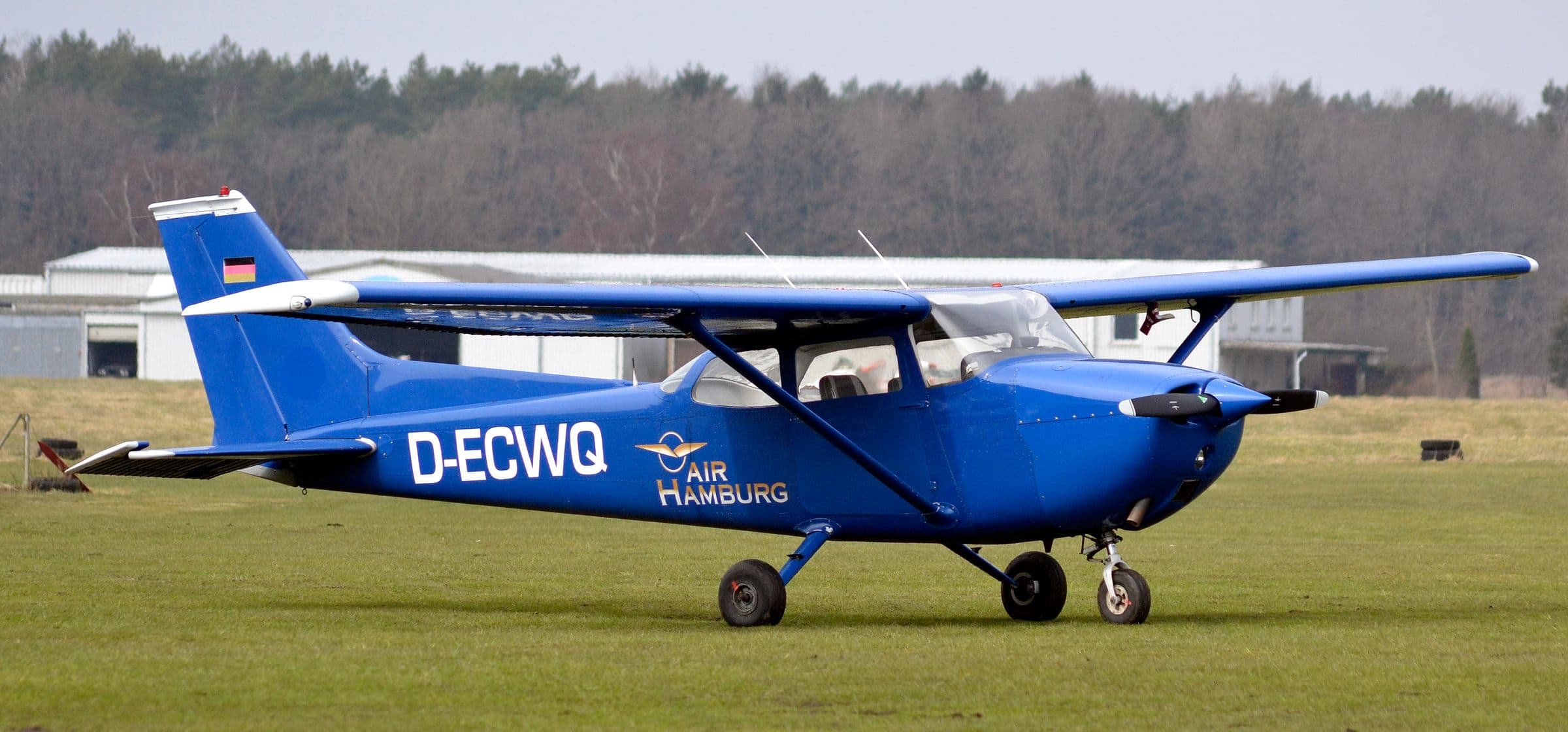
The 172 is to light aviation what a quiet, well-made tool is to any craft: so universal that it has become invisible. It is the aircraft in which the world learns to fly, the benchmark against which every new trainer is measured, and one of very few designs of the 1950s still being built essentially as first conceived.
Its influence is easiest to see in what did not happen. Many aircraft have been launched as 172 replacements (cleaner, faster, composite, cheaper to run) and the 172 is still in production while most of them are not. Some were better aeroplanes in specific ways. None offered the thing the 172 actually sells, which is a worldwide base of instructors who know it, mechanics who can fix it, examiners who test on it, parts that exist everywhere, and a resale value underwritten by seventy years of demand.
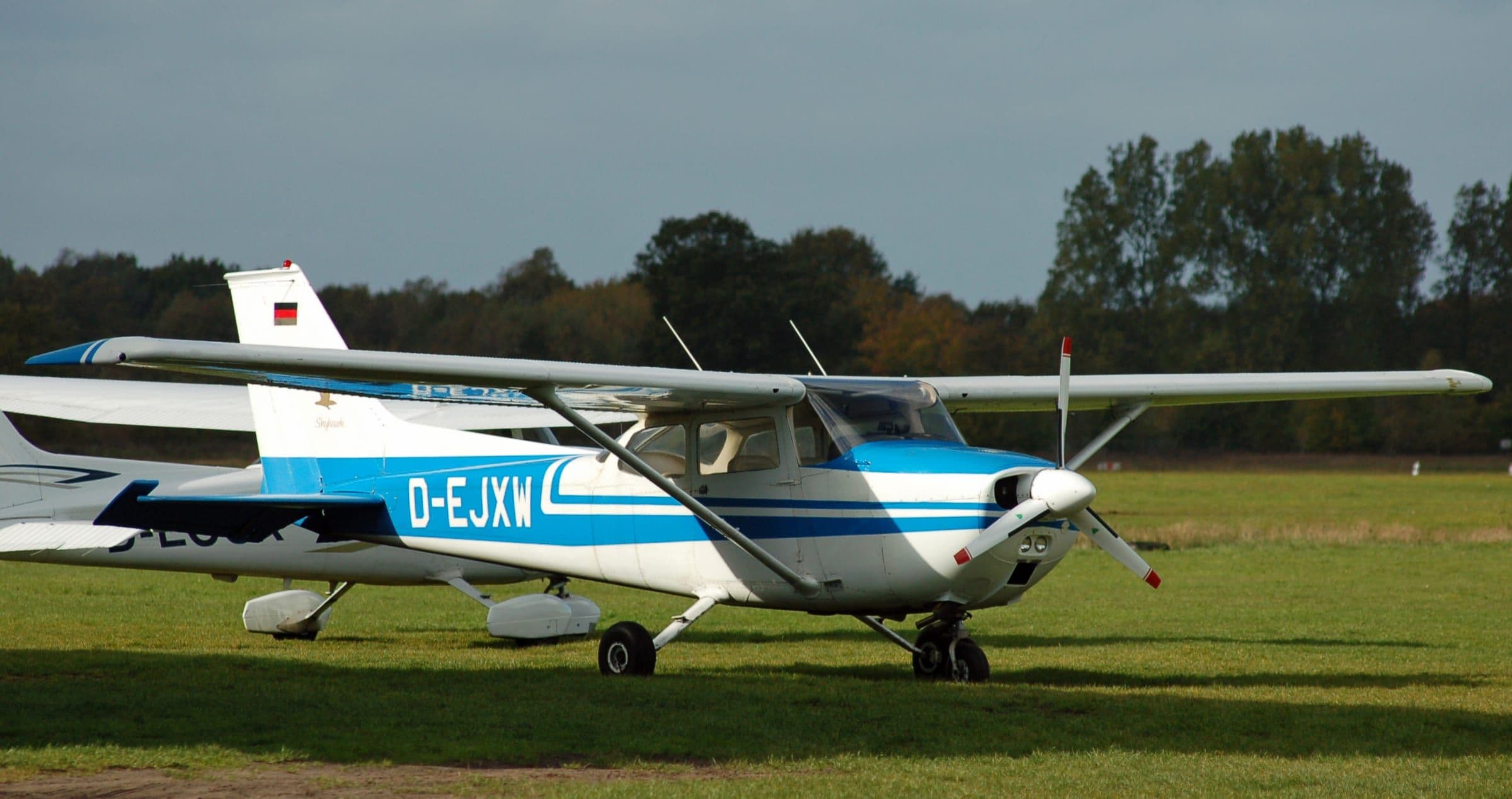
That base is also why the type will not simply retire. Tens of thousands of airworthy 172s exist, supported by an aftermarket of engine overhauls, avionics retrofits and structural repairs, and a well-kept 1970s airframe with a modern panel remains a genuinely competitive aircraft. The fleet ages, but slowly, and it is renewed rather than replaced.
There is a reasonable argument that the 172 has held general aviation back: that a design frozen in 1956 became so entrenched that nothing else could get established. There is an equally reasonable argument that it is the only reason private flying stayed affordable and teachable at all. Both are probably true.
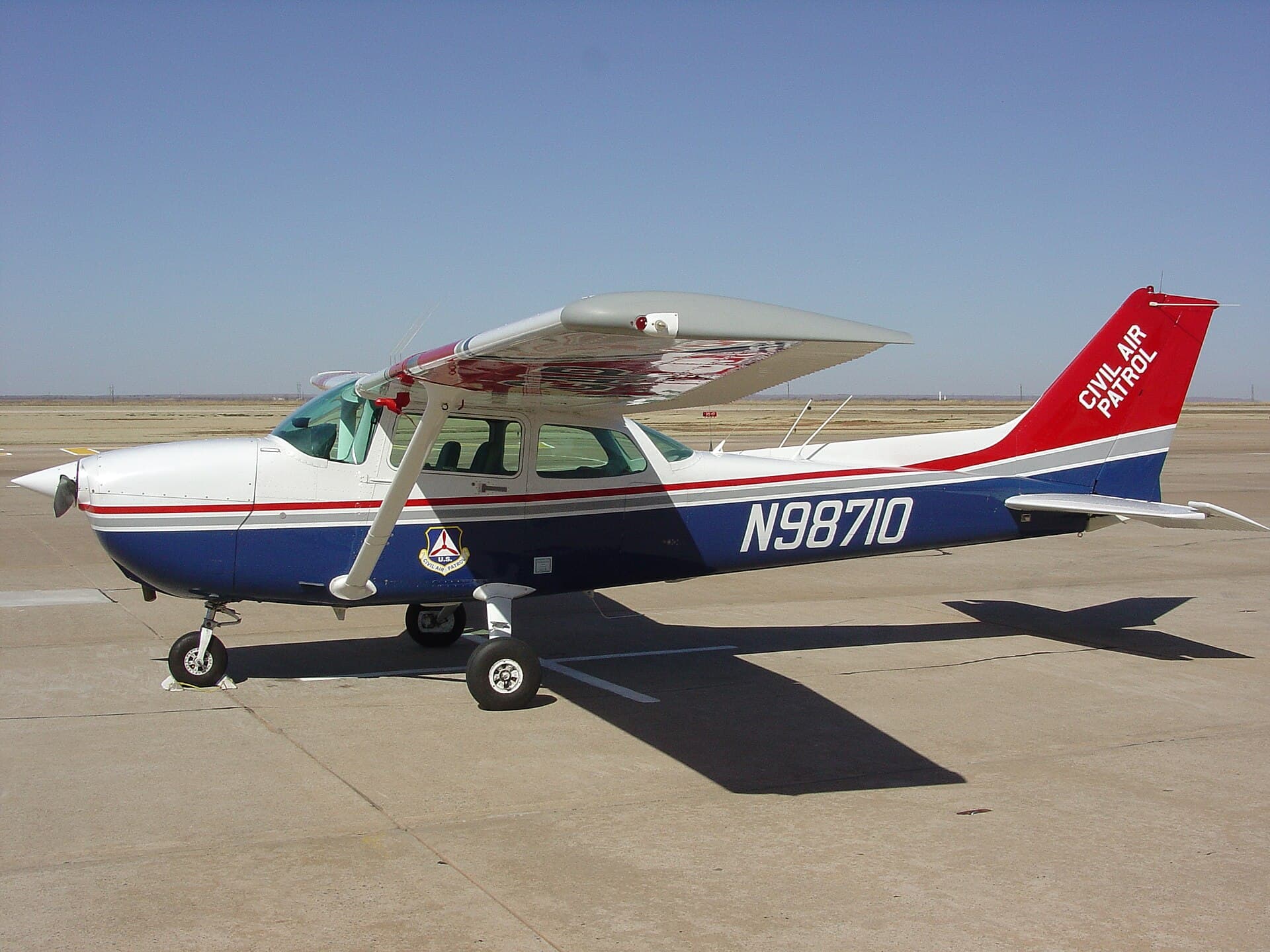
Its measure, in the end, is not speed or glamour but trust, earned six training hours at a time, across seventy years and more than forty-four thousand airframes.
Model evolution
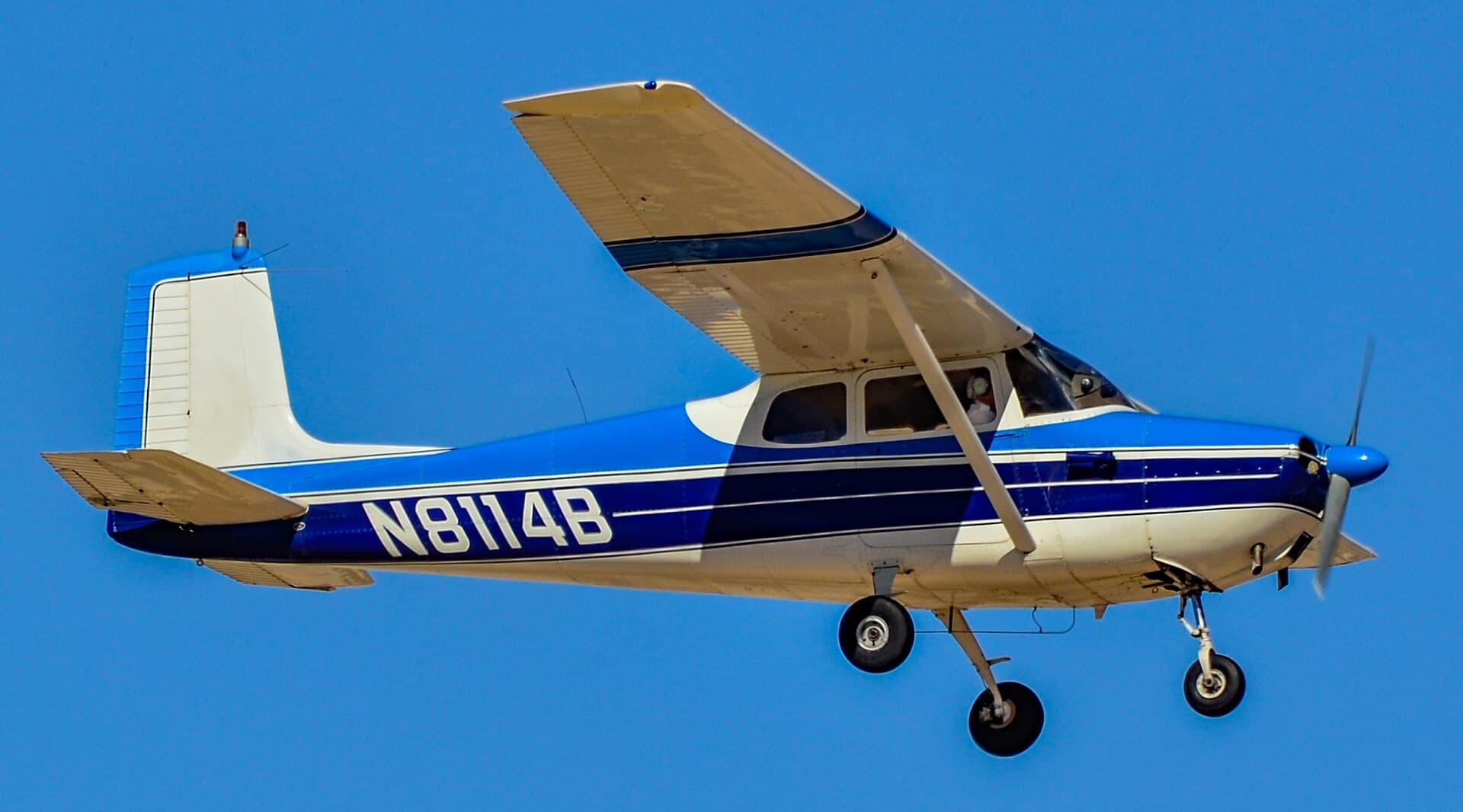
172
1956The aircraft that started the family: a Cessna 170 fuselage on a nosewheel undercarriage, a squared-off fin, and the 145 hp Continental O-300 six. Well over a thousand were sold in the first full year.
Tricycle Land-O-Matic gear replaced the 170's tailwheel. Nosewheel aircraft were far easier to taxi, take off and land, and buyers were abandoning taildraggers.
An immediate commercial success: well over a thousand were sold in the first full year, outselling every rival and soon making the tail-dragging 170 obsolete.
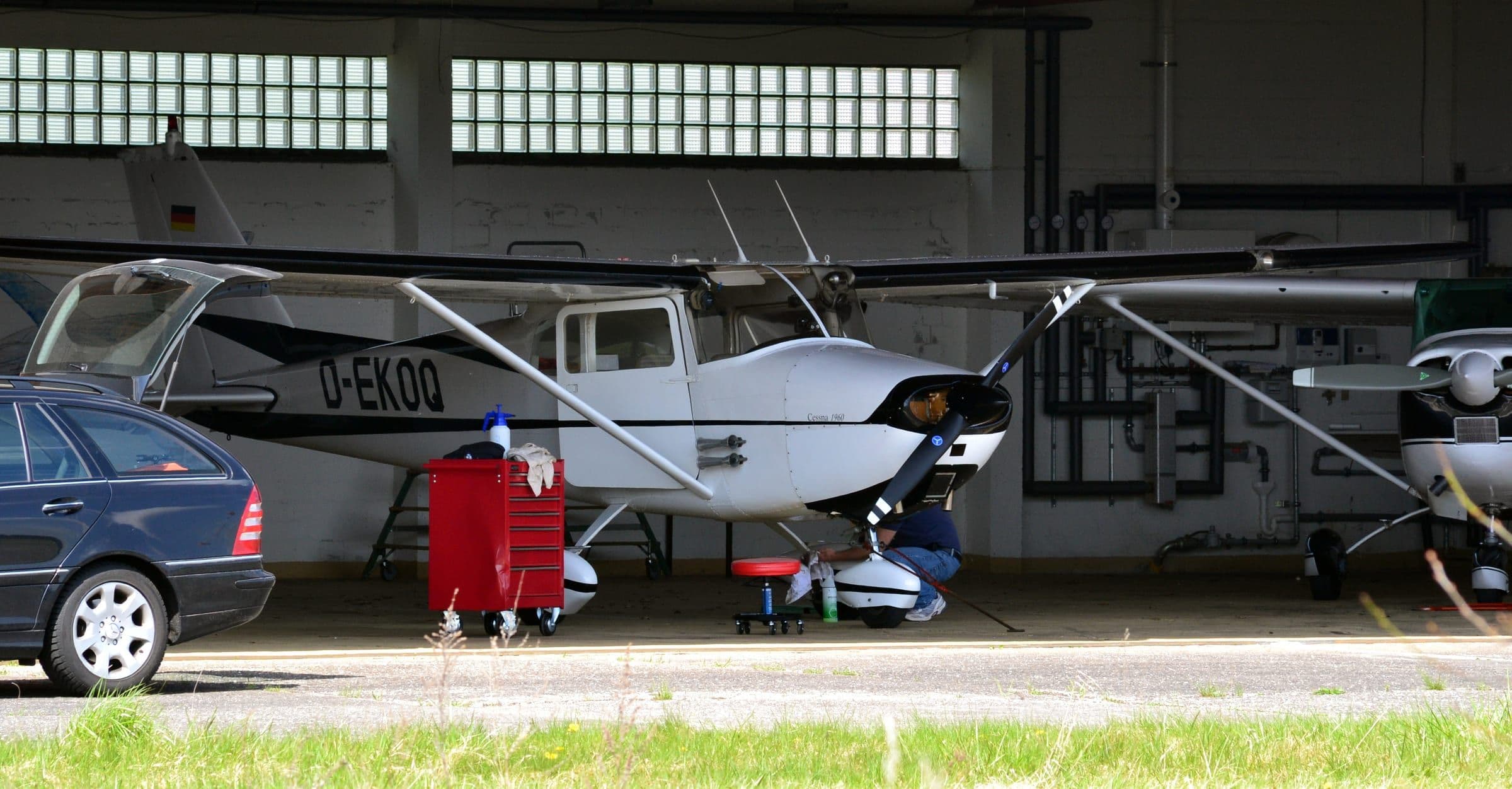
172A
1960A styling and aerodynamics refresh that gave the 172 the silhouette it has kept ever since, the detail that still lets a 172 be identified at a glance across every later generation.
The squared-off fin and rudder of the original 172 were replaced by a swept vertical tail, matching the modern look Cessna was rolling out across its larger single-engine models. Cessna wanted a family resemblance with its bigger, newer singles rather than a four-year-old tail shape carried straight over from the 170.
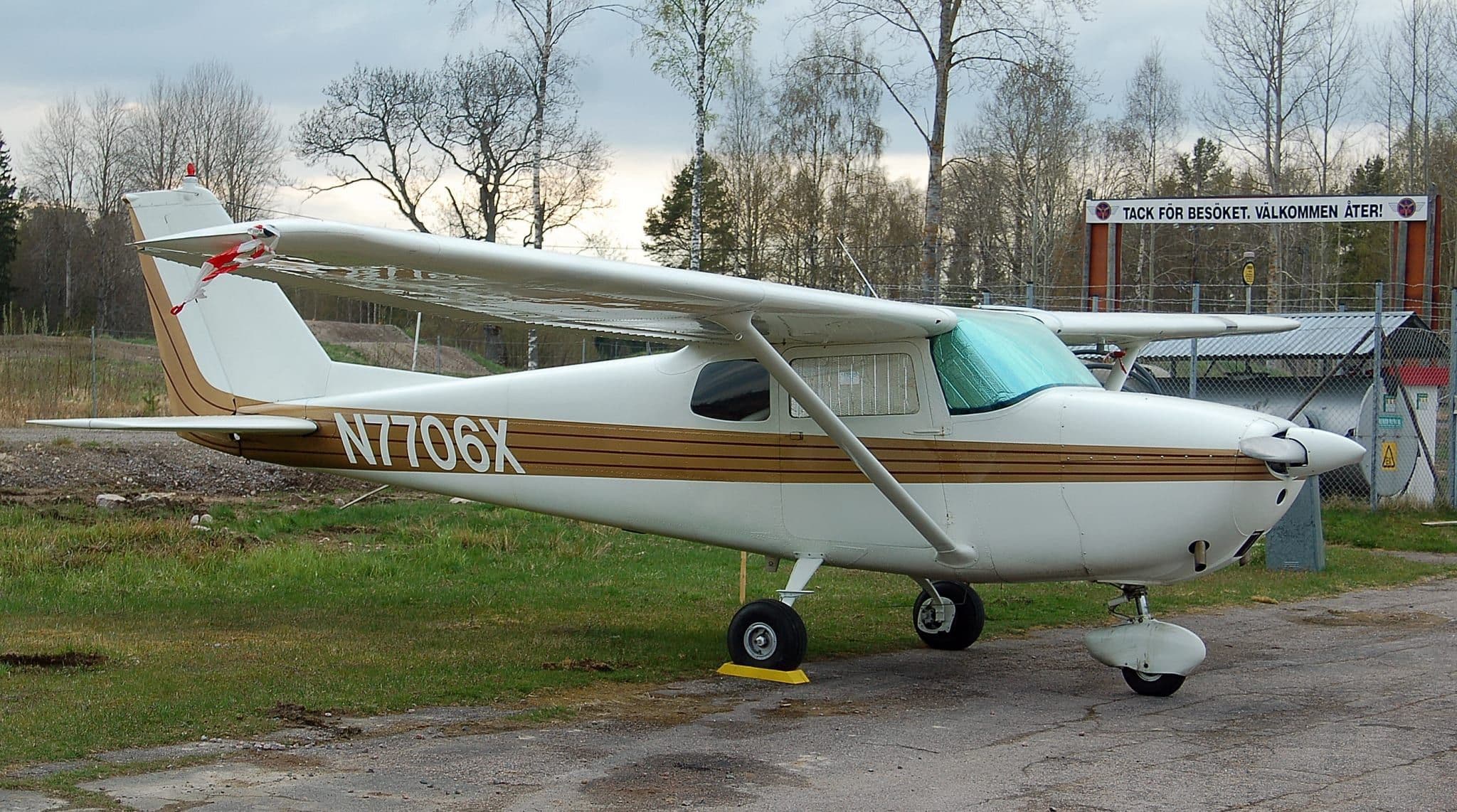
172B Skyhawk
1961The year the aeroplane got its name. Skyhawk began as a deluxe trim option rather than a separate model, but the label proved so effective that it eventually covered the entire line, and the plain '172' name is now mostly used for the type as a whole.
A shorter, wider-tracked undercarriage, a repositioned propeller spinner and a more upscale cabin trim distinguished the Skyhawk package from the base aircraft. A smarter-looking, better-equipped 172 could be sold at a premium as competition in the light four-seat class intensified through the early 1960s.
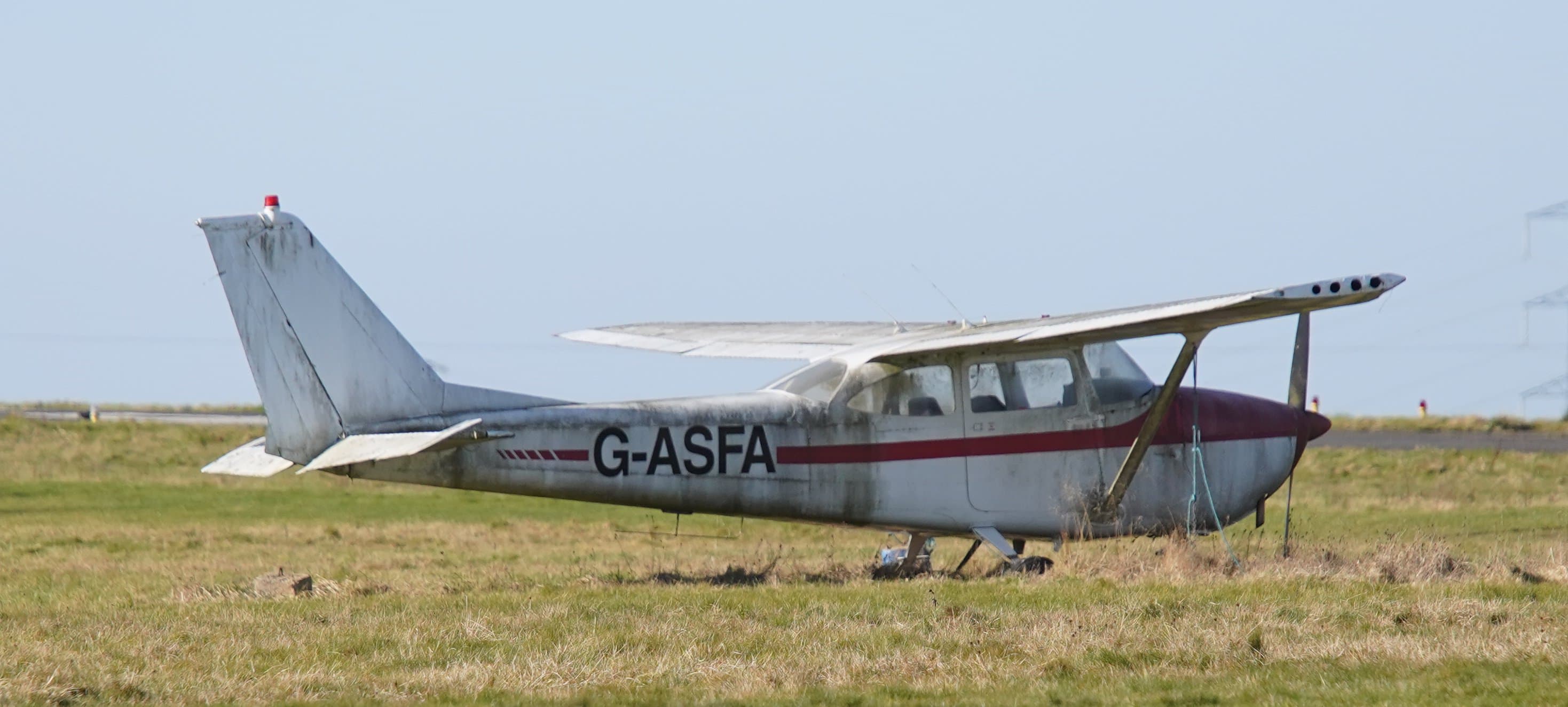
172D
1963The cabin opened up: the lowered rear fuselage brought the wrap-around Omni-Vision rear window that defines every later Skyhawk.
Cut-down rear deck and Omni-Vision rear glazing. Rear visibility was the 172's most criticised blind spot, and a strong selling point for rivals.
Warmly received: the Omni-Vision window answered the type's most-criticised blind spot, and the wrap-around glass became a Skyhawk signature.
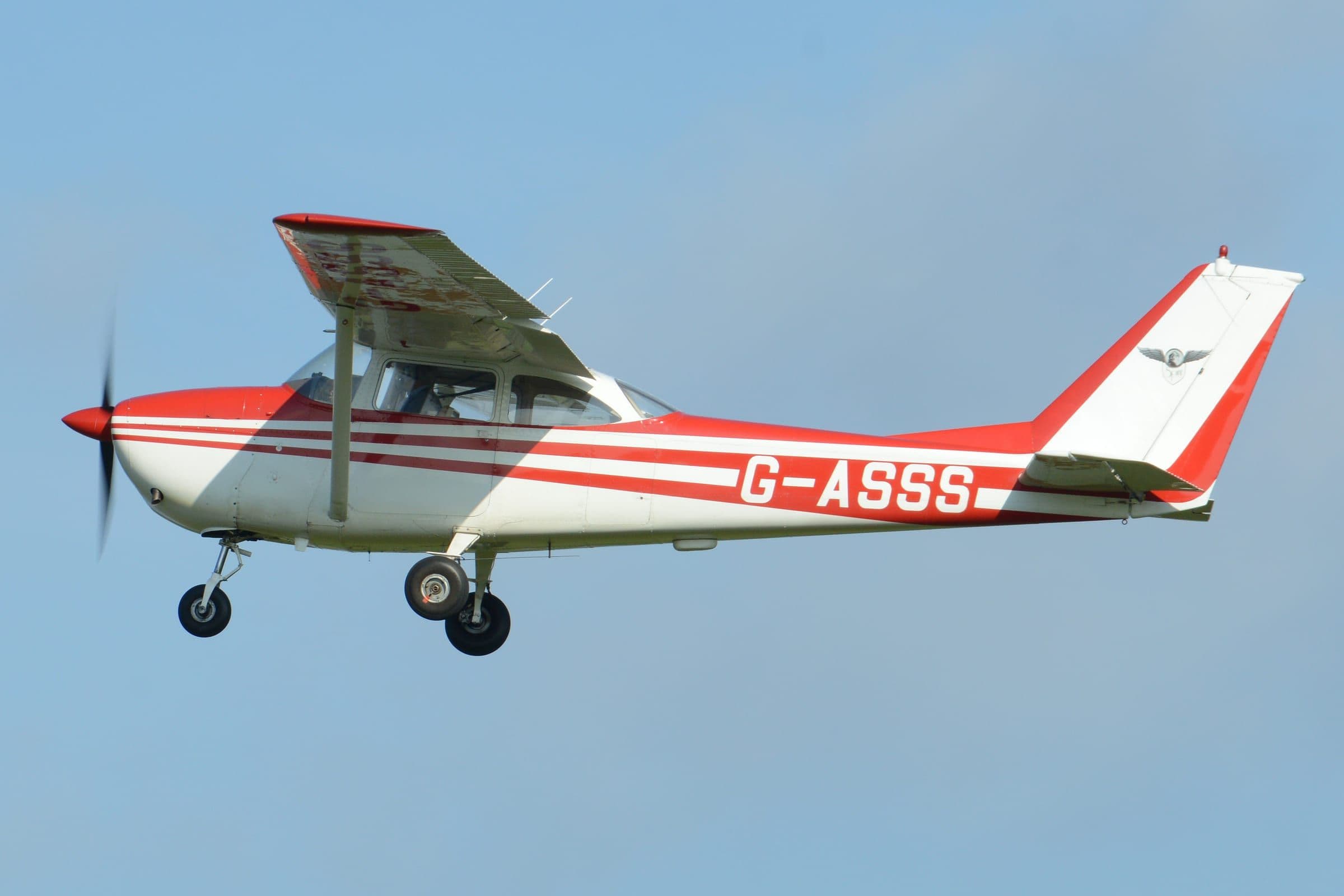
172E
1964A quiet, mechanical modernisation of the same Omni-Vision airframe introduced the year before: the kind of unglamorous refinement that made up most of the model line's yearly changes.
The manual flap lever, cranked by hand through its detents, was replaced by an electrically actuated flap system operated by a simple switch. Cessna was standardising powered flaps across its single-engine range, giving pilots a simpler, more precise and less physically demanding way to select flap settings on approach.
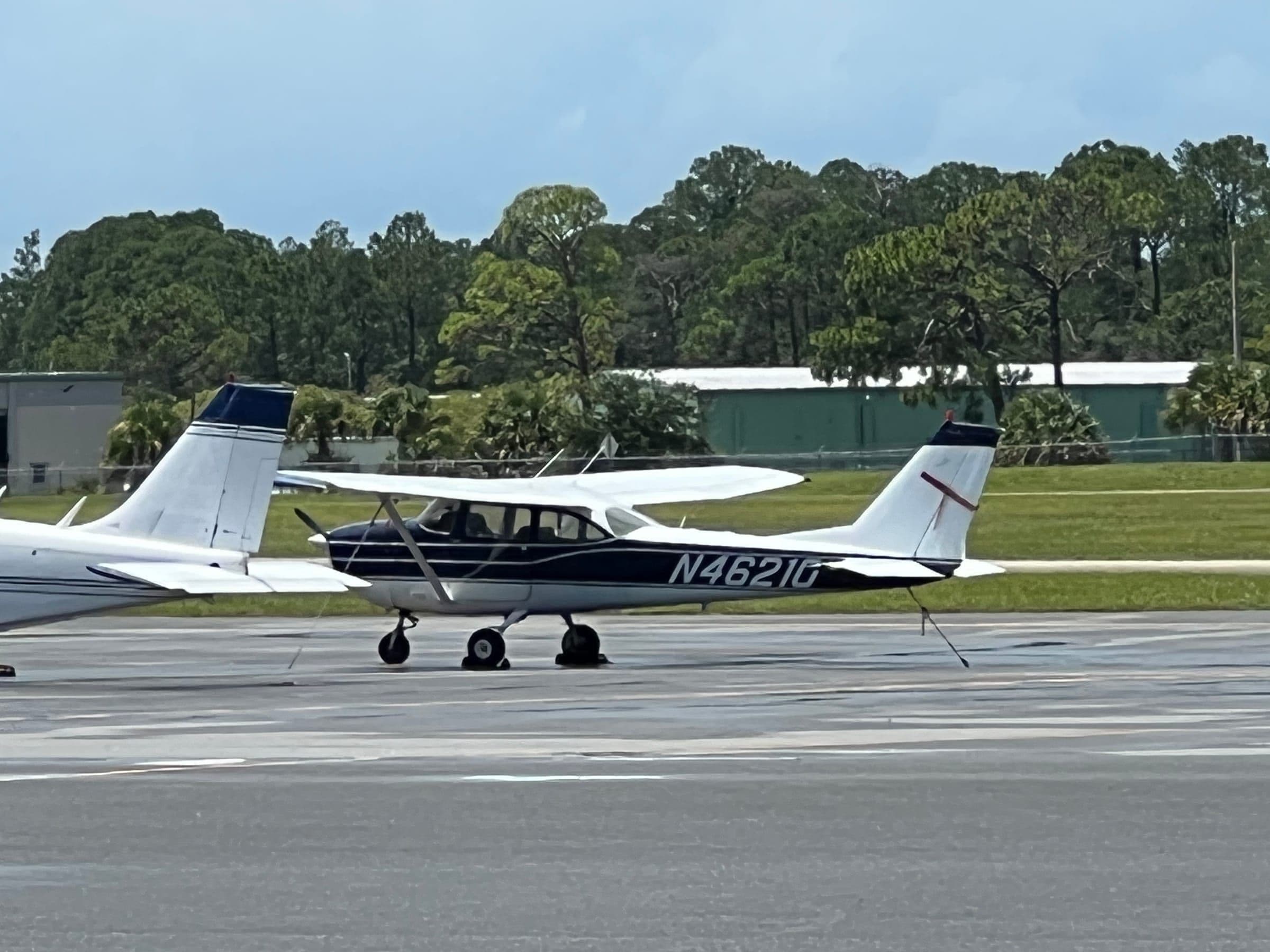
172I
1968The most significant technical change in the Skyhawk's history: the original six-cylinder engine was abandoned for a four-cylinder Lycoming, opening the era that still powers every 172 built today.
The 145 hp Continental O-300 six was replaced by a 150 hp four-cylinder Lycoming O-320-E2D, fewer cylinders, less weight, and a fresh accessory and parts base. The O-300 was ageing and increasingly costly to support; the lighter, simpler Lycoming suited the decades of high-volume training production Cessna still had ahead of it.
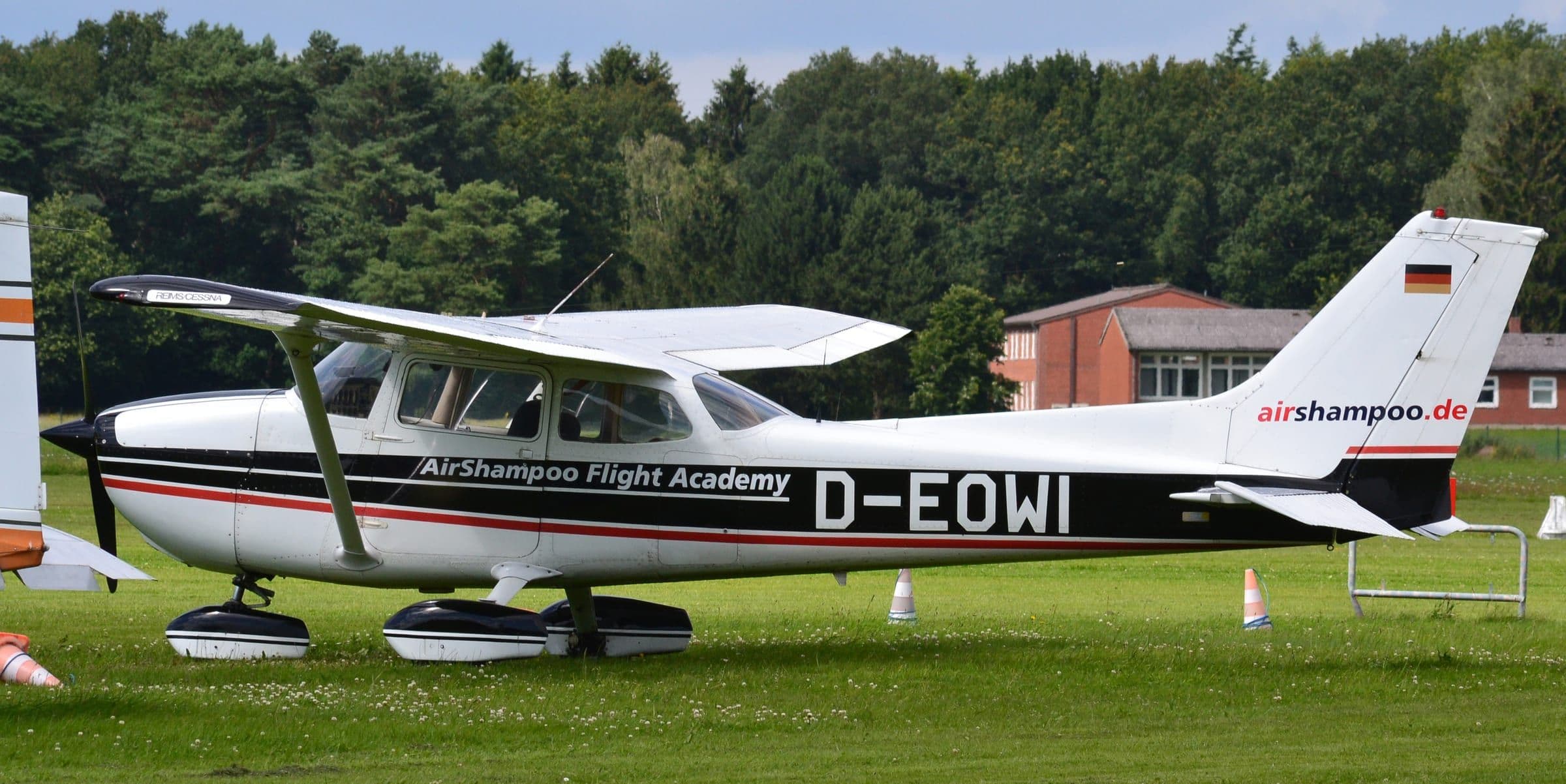
172M
1973The archetypal 1970s Skyhawk, built by the thousands for flying schools and aero clubs on both sides of the Atlantic and still one of the most common airframes seen at any training airfield today.
A drooped, cambered leading edge was added to the wing, marketed by Cessna as the camber-lift wing. The reshaped leading edge softened the stall further still and made it better announced, a priority for a fleet whose main job was absorbing student mistakes.
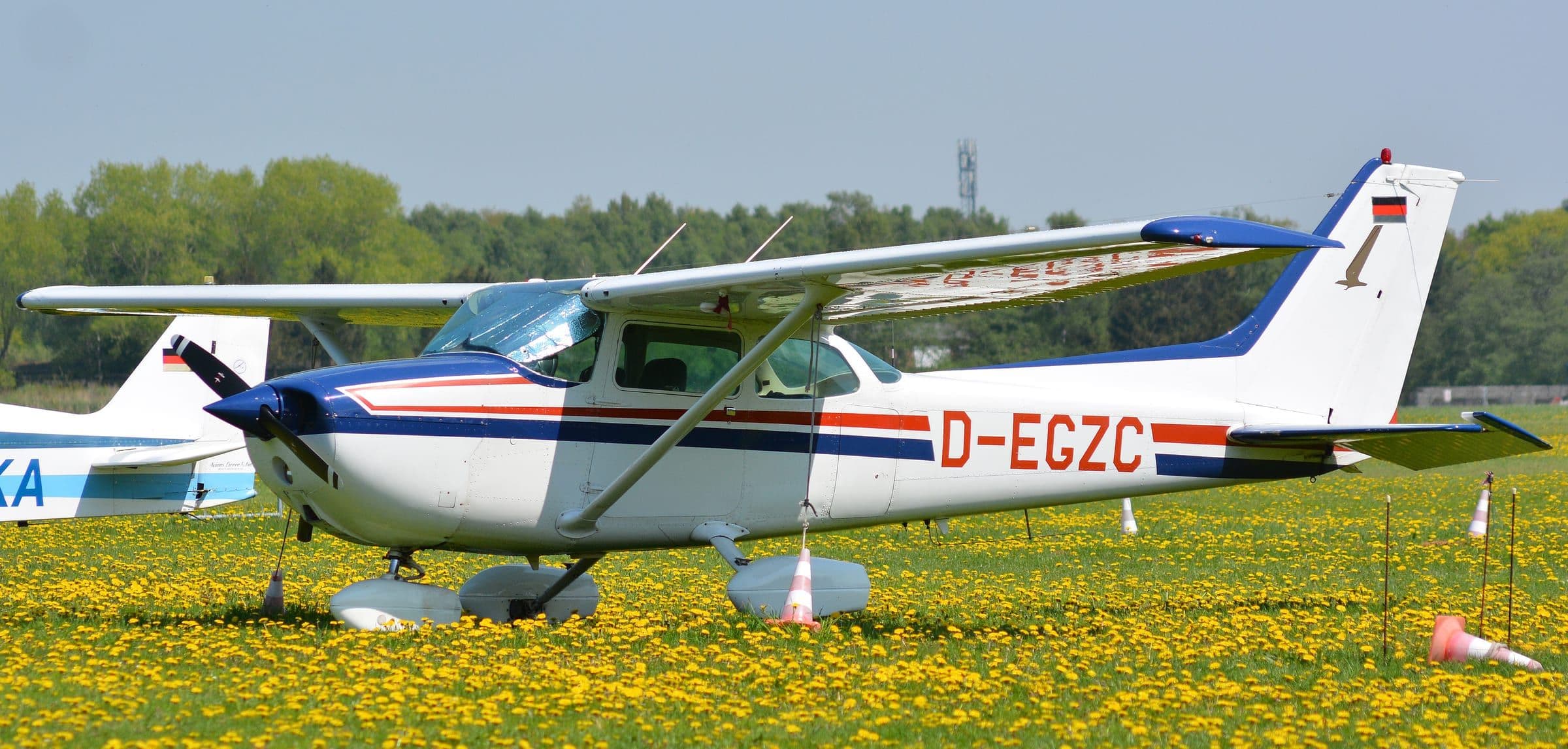
172N
1977A response to the fuel transition of the late 1970s, and the family's most troubled chapter.
160 hp Lycoming O-320-H2AD designed to run on 100LL. The 80-octane avgas the fleet burned was being withdrawn; the new engine, however, brought valve-train problems that took years to resolve.
Remembered as the family's problem child: the H2AD engine's valve-train troubles dented the Skyhawk's hard-won reputation for reliability for years.
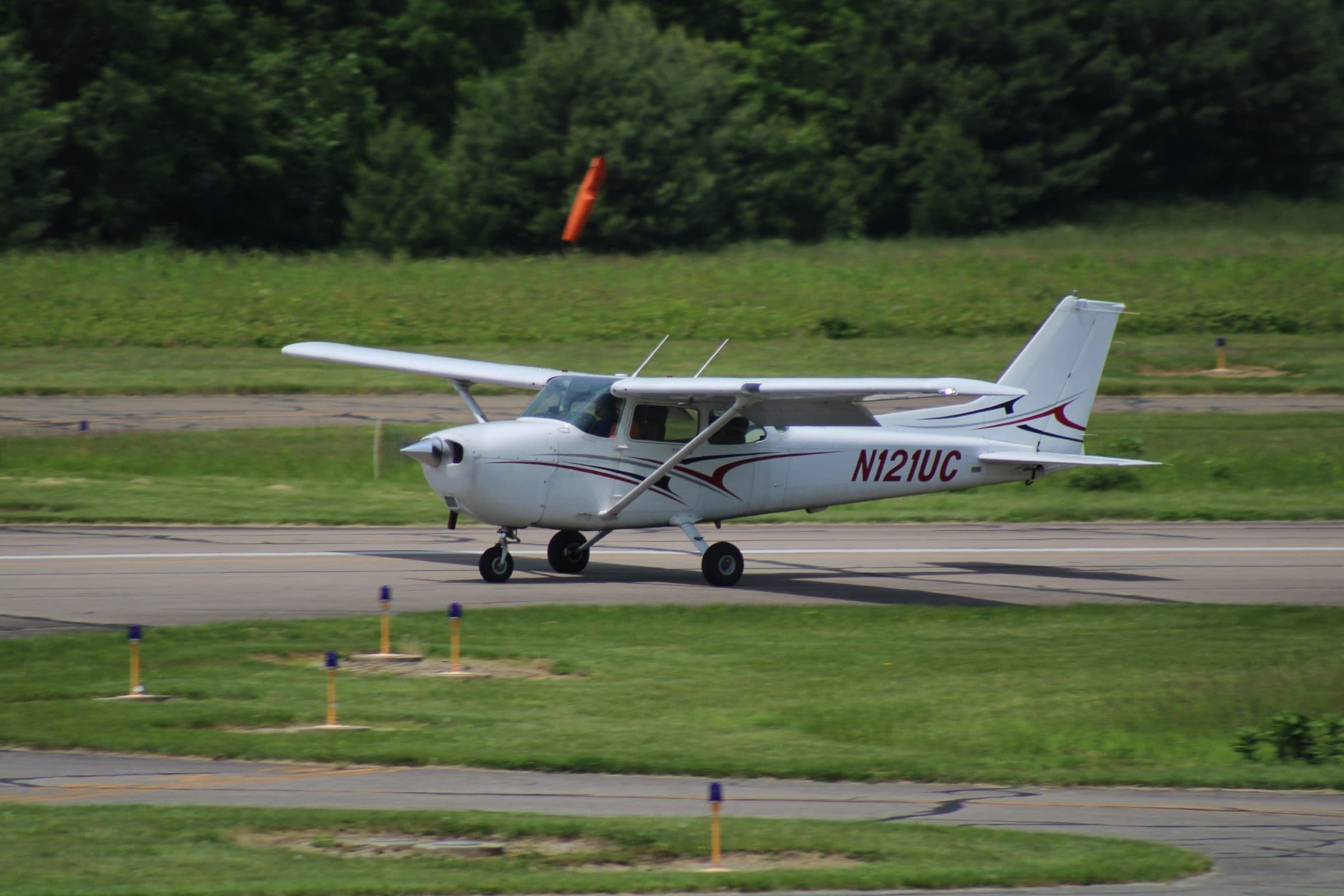
172P
1981The rehabilitation model that closed the first act of the piston era before the 1986 production pause.
O-320-D2J engine, a modest gross-weight increase and optional long-range tanks. To put the H2AD's reliability troubles behind the fleet and restore the type's reputation.
Seen as the model that restored trust, closing the first piston era on a high note before the 1986 production pause.
172R
1996The aircraft that brought the Skyhawk back after a ten-year silence, built in a brand-new factory in Independence, Kansas, and the model that proved the piston line still had a market.
A fuel-injected 160 hp Lycoming IO-360 replaced the carburetted engines of the pre-1986 fleet, paired with modern standard avionics and a redesigned interior. The 1994 General Aviation Revitalization Act made restarting production viable again, and fuel injection eliminated carburettor icing, a real hazard the training fleet had lived with for decades.
172S Skyhawk SP
1998The definitive modern Skyhawk, still in production today. The Garmin G1000 glass cockpit became standard in 2005.
180 hp IO-360-L2A and a higher maximum takeoff weight. Schools asked for better climb and useful load; the glass cockpit aligned training with the airliners students would move on to.
Widely regarded as the definitive modern Skyhawk: still in production, and the benchmark against which every new training aircraft is measured.
Blueprints
- Cessna Skyhawk, Textron Aviation
- Endurance Test, Circa 1958, AOPA
- Cessna 172S — Aircraft Guide, AOPA
- CESSNA 172 Skyhawk, SKYbrary
- Reims Aviation & the French Cessnas, Cessna Flyer Association
- The Evolution of the Cessna 172, FLYING Magazine
- The amazing 64-day flight endurance record of Las Vegas's Hacienda, New Atlas
- 12 June 1955, This Day in Aviation
- CESSNA 172 aircraft for sale — current listings, Controller
- Cessna 172 — Used Aircraft Guide, Aviation Consumer
Checked July 30, 2026