Aircraft
Airbus A380
A388
Airbus SEFrance
- Role:
- Double-deck wide-body airliner
- First flight:
- 2005
488kt
Cruise speed
7,991nm
Range
General
- Role:
- Double-deck wide-body airliner
- Status:
- In service
Programme
- First flight:
- April 27, 2005
- Introduction:
- 2007
- Produced:
- 2005 to 2021
- Number built:
- 251
Crew & capacity
- Crew:
- 2
- Capacity:
- 525 passengers
Dimensions
- Length:
- 239 ft
- Height:
- 79 ft
- Wingspan:
- 262 ft
- Wing area:
- 9,096 ft²
Weights
- Empty weight:
- 610,680 lb
- Maximum takeoff weight:
- 1,267,658 lb
- Fuel capacity:
- 84,535 US gal
Powerplant
- Engine:
- 4 × Rolls-Royce Trent 900 or Engine Alliance GP7200 turbofans, each around 311 to 348 kN (70,000 to 78,000 lbf) thrust
Performance
- Maximum speed:
- 510 kt
- Ceiling:
- 42,979 ft
Price
- New in 2018:
- $445.6M
- Used market:
- $25.2M – $76.9M
As of 2026-09. See references.
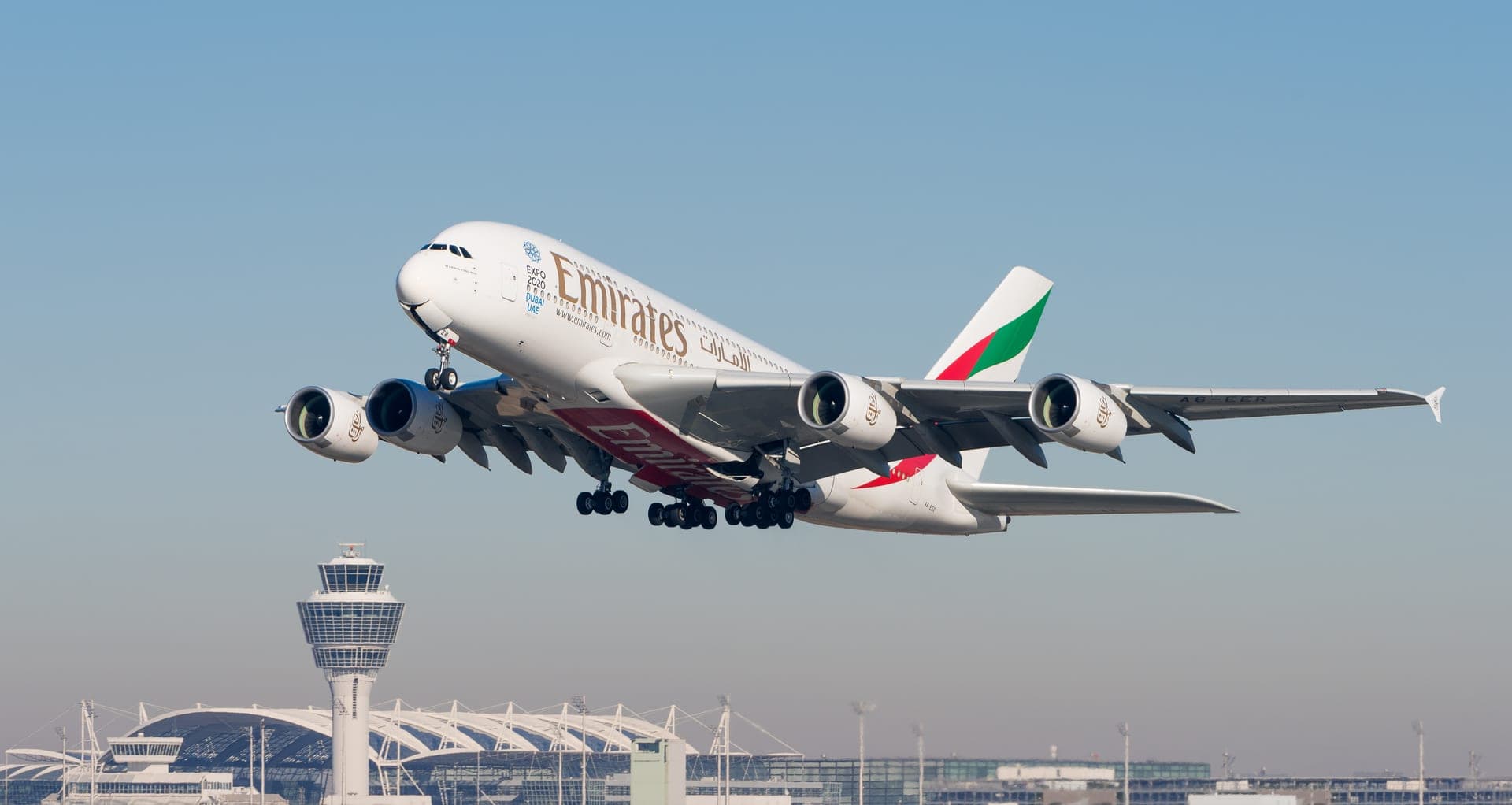
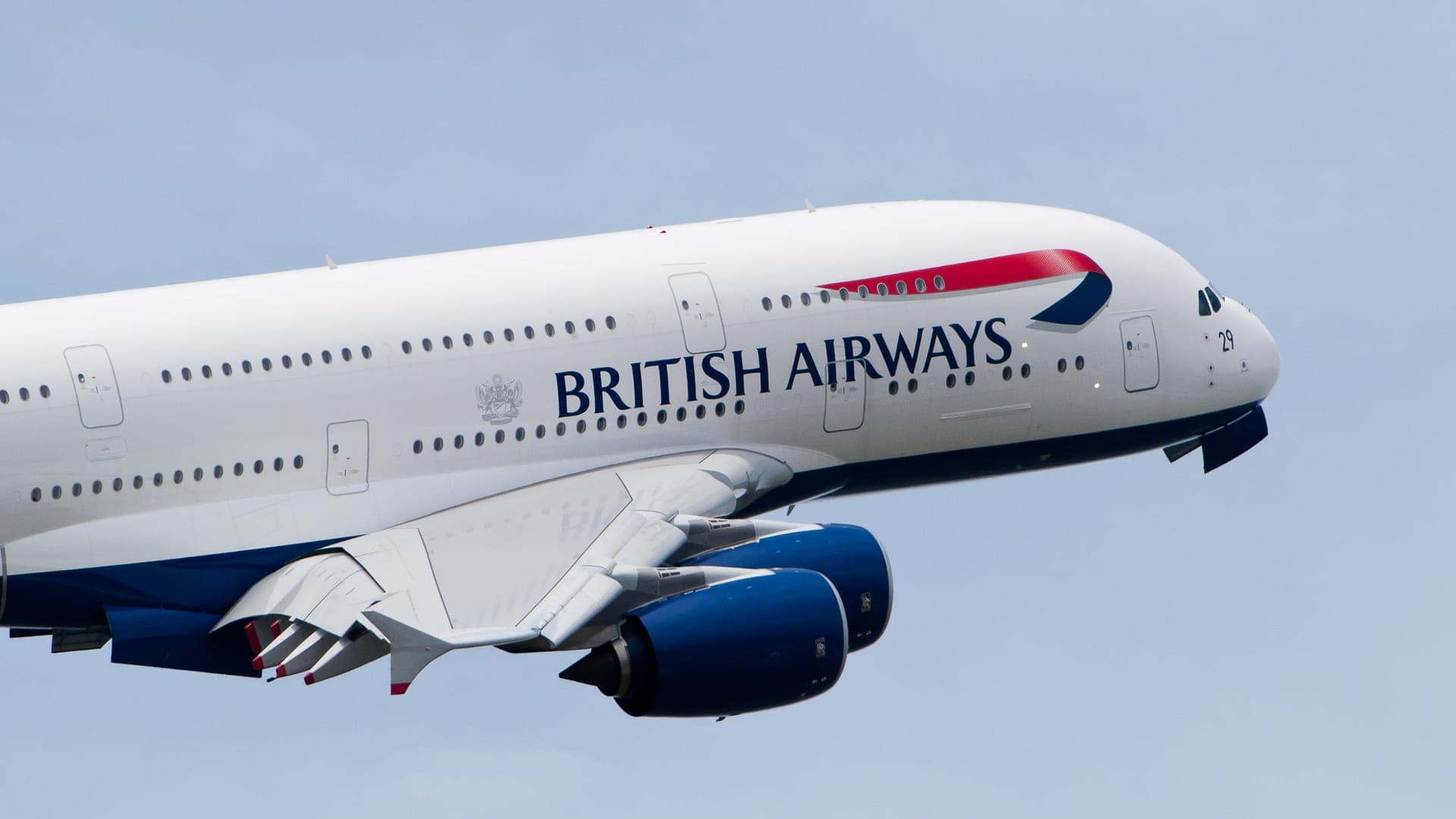
The Airbus A380 is the largest passenger airliner ever built: a full-length double-deck fuselage, four engines, and a wingspan wider than a football pitch is long. Airbus built it to beat Boeing's dominance of the very largest end of the widebody market, betting that airlines would keep wanting bigger aircraft to fly into a shrinking number of congested hub airports. As an aeroplane it succeeded completely, passengers loved the quiet, spacious cabin, and airlines that operated it found a reliable, popular workhorse. As a business it failed just as completely: airlines increasingly preferred smaller, cheaper twin-engine widebodies that could fly point-to-point routes profitably rather than needing hubs, and Airbus never came close to recovering its development costs.
That contradiction, a genuinely excellent aircraft that the market simply stopped wanting to buy, is the story of the A380. It entered service with Singapore Airlines in October 2007, two years late and enormously over budget after a production crisis nearly derailed the programme before a single aircraft reached an airline. It then flew for over a decade with an excellent safety record, survived a serious uncontained engine failure aboard a Qantas aircraft in 2010, and became the signature aircraft of carriers such as Emirates, which alone bought nearly half of everything Airbus ever built. In 2019 Airbus announced it would end production, and the last airframe was delivered to Emirates in December 2021. Yet the story did not end there: from 2022 onward, as air travel recovered from the pandemic faster than new aircraft could be built, several airlines pulled retired and stored A380s back into service, giving an aircraft nobody wanted to order anymore an unexpected second act in the skies it was designed for.
History
Airbus launched the A3XX programme, which became the A380, in December 2000, after years of studying whether the widebody market would keep growing toward ever-larger aircraft the way Boeing's 747 had defined it for three decades. Airbus judged that hub-to-hub travel between the world's biggest airports would keep intensifying and that an aircraft carrying far more passengers than the 747 would let airlines add capacity without adding flights into slot-constrained airports. Final assembly took place at a purpose-built hall in Toulouse, and major structural sections were manufactured across France, Germany, Spain and the United Kingdom and shipped by ship, barge and the specially adapted Beluga transporters to be joined there.
The programme first flew on 27 April 2005, and flight testing went well. But the aircraft that reached Toulouse for final assembly could not, at first, be wired correctly. German and French engineering teams had used different, incompatible versions of the CATIA design software to lay out the aircraft's roughly 270 nm of cabin wiring, and the two harness designs did not fit together on the production line. Discovered in 2005 and not fully resolved for more than two years, the wiring crisis forced Airbus to announce successive delivery delays (first six months, then a full year) and ultimately pushed the aircraft's entry into service back by about two years against the original schedule. The delay cost Airbus and its parent group EADS billions of euros in penalty payments to airlines and lost revenue, forced a management reshuffle at Airbus, and became one of the most expensive industrial mistakes in the history of commercial aviation.
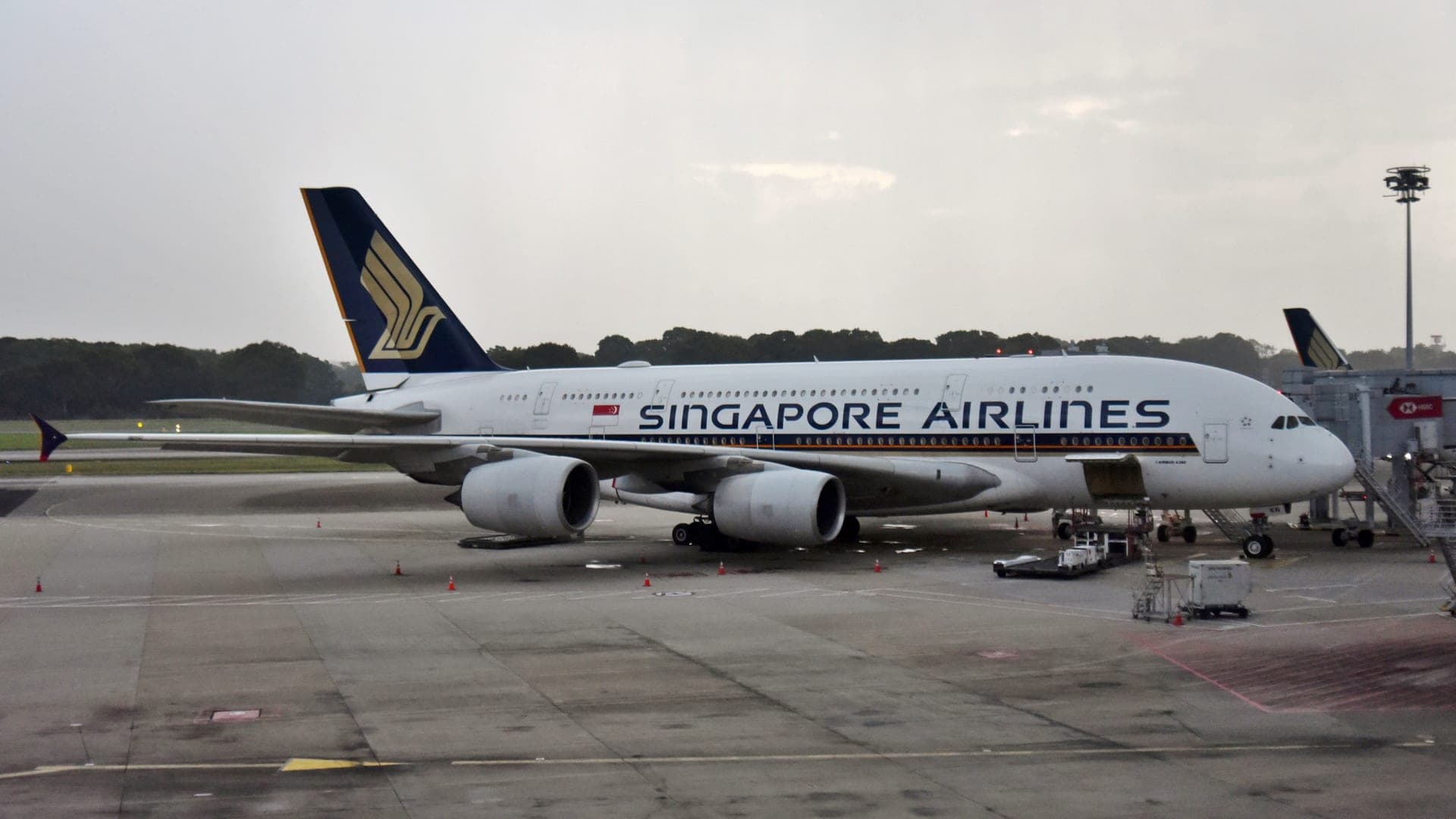 Airbus A380-841
Singapore Airlines took delivery of the first production A380 and flew the type's inaugural commercial service, from Singapore to Sydney, on 25 October 2007: a moment of genuine technical triumph after the wiring debacle, even as the delay had already reshaped how the wider industry saw the programme's risk. Emirates, Qantas and Lufthansa followed as early operators, and the A380 quickly earned a reputation among passengers as the quietest, smoothest widebody flying.
That reputation was tested on 4 November 2010, when Qantas Flight 32, an A380 climbing out of Singapore, suffered an uncontained failure of its number-two Rolls-Royce Trent 900 engine caused by a manufacturing defect in an oil pipe. Shrapnel from the disintegrating engine damaged wiring, fuel lines and flight-control systems across the wing and fuselage, and the crew spent almost two hours working through dozens of system failures before landing the aircraft safely back in Singapore with no injuries among the 469 people on board: an outcome widely credited to the flight crew's handling and the aircraft's redundant systems, and one that became a benchmark case study in crew resource management. Rolls-Royce redesigned the affected component, and Qantas grounded its A380 fleet for three weeks while inspections were completed across the type.
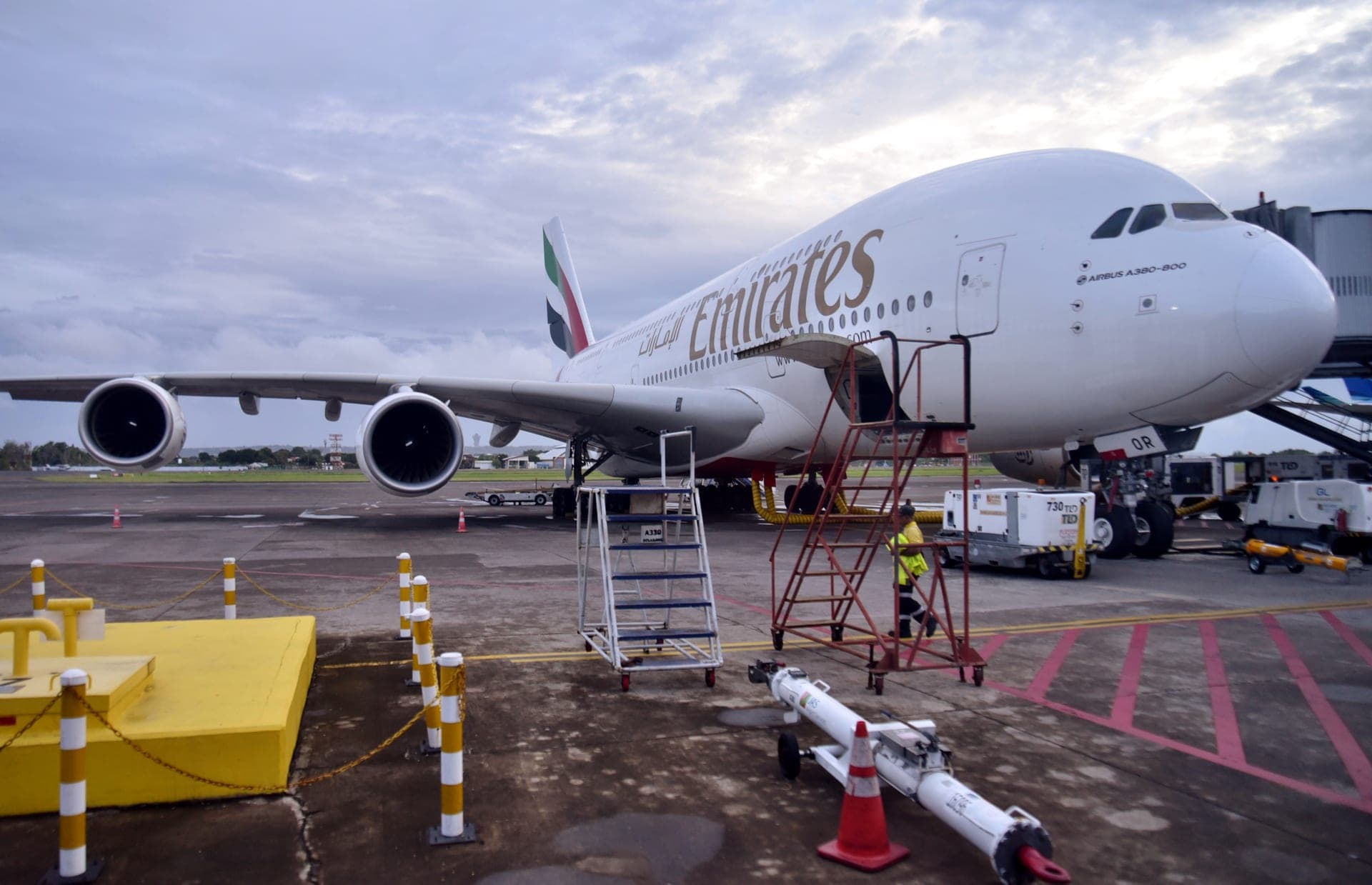 Airbus A380-861
In 2012, routine inspections found hairline cracks in wing rib-feet brackets on a number of in-service A380s, tracing to a manufacturing process that left some brackets more brittle than specified. Airbus and regulators mandated inspections and repairs across the fleet; the cracks were not judged to pose an immediate safety risk given the aircraft's fail-safe wing design, and the fix was rolled into production for later airframes, but the episode added to a growing sense that the A380 programme was proving more troublesome, and costlier, than Airbus had promised its customers.
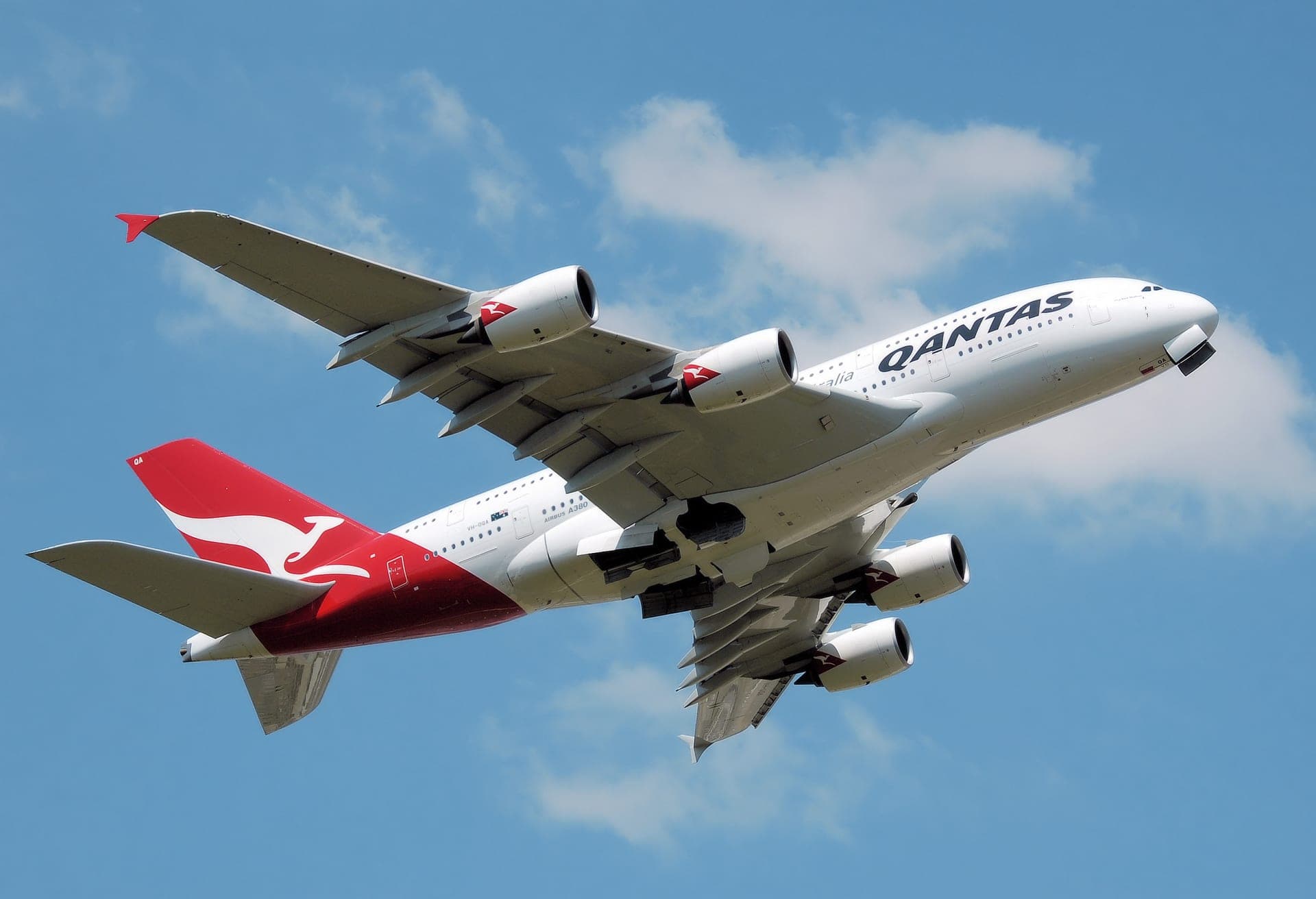 Airbus A380-842
Orders, which had been thin from the start outside a handful of committed operators, largely dried up through the 2010s as airlines increasingly favoured twin-engine widebodies like the Boeing 777 and Airbus's own A350, which could fly many of the same long-haul routes with two engines instead of four at a fraction of the trip cost. In February 2019, after Emirates, by then the type's dominant customer, trimmed its own outstanding order, Airbus announced that A380 production would end in 2021, closing the programme after a production run of only 251 aircraft against an initial break-even target several times that number. The final A380 built, registered A6-EVS, was delivered to Emirates on 16 December 2021.
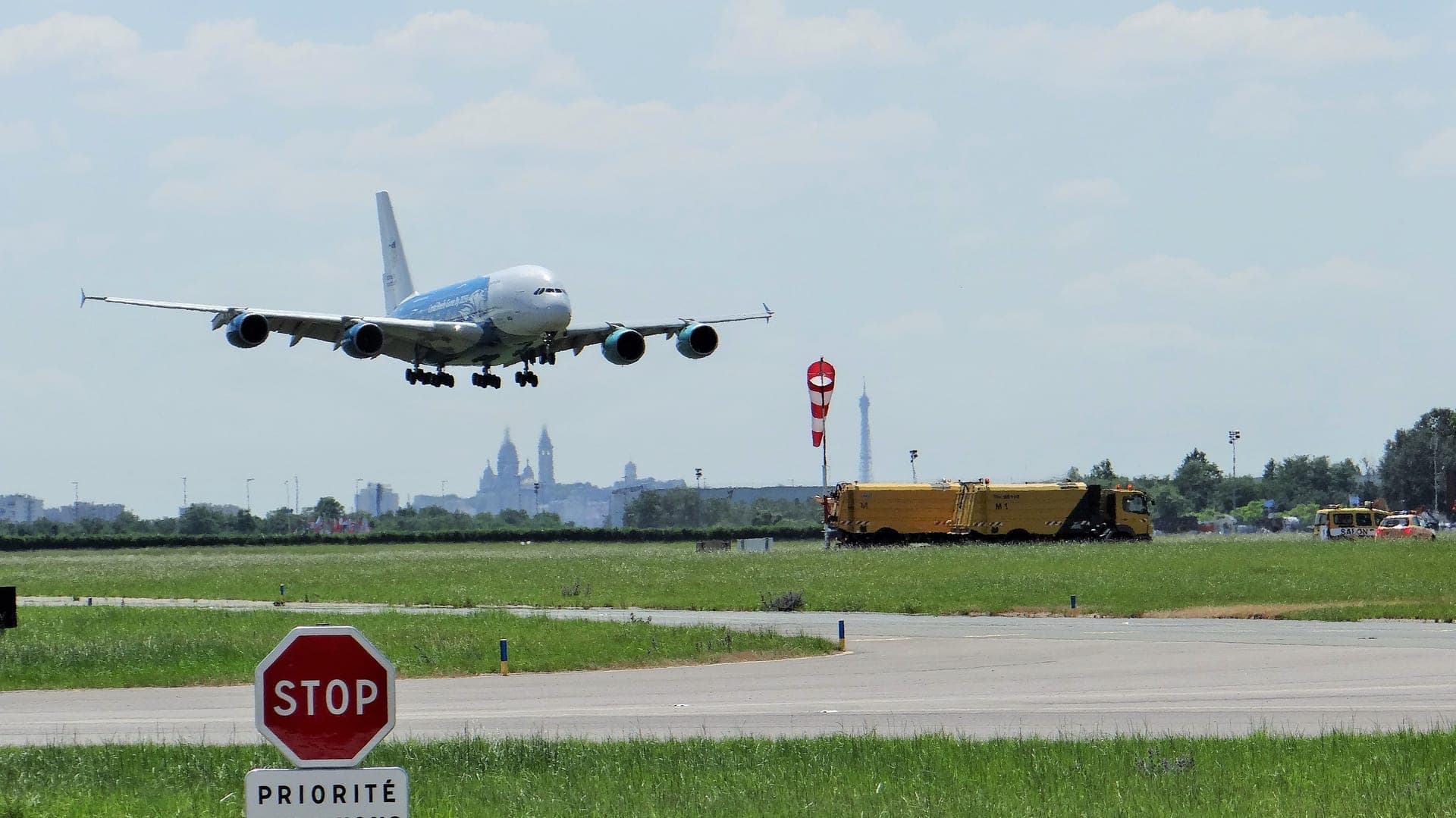 Airbus A380-841
The aircraft's story did not end with production. As international travel recovered from the Covid-19 pandemic faster than airlines could take delivery of new aircraft, several carriers reversed plans to retire their A380s and returned stored airframes to service from 2022 onward, while lessors such as HiFly and Global Airlines found renewed demand for second-hand examples: a market nobody had expected an aircraft whose production had already ended to have.
Development
The A380 was engineered around a single governing constraint: the ICAO Code F airport box of 260 ft by 260 ft, the largest gate and taxiway envelope most major airports were built to accommodate. Airbus designed the wingspan to come in just under that limit at 261.6 ft, which meant every other dimension of the aircraft had to grow upward rather than outward: hence the full-length double deck, rather than the short upper-deck hump Boeing had used on the 747. That single choice gave the A380 roughly 50 percent more floor area than the 747 on a similar overall footprint, and it is the reason the aircraft looks the way it does.
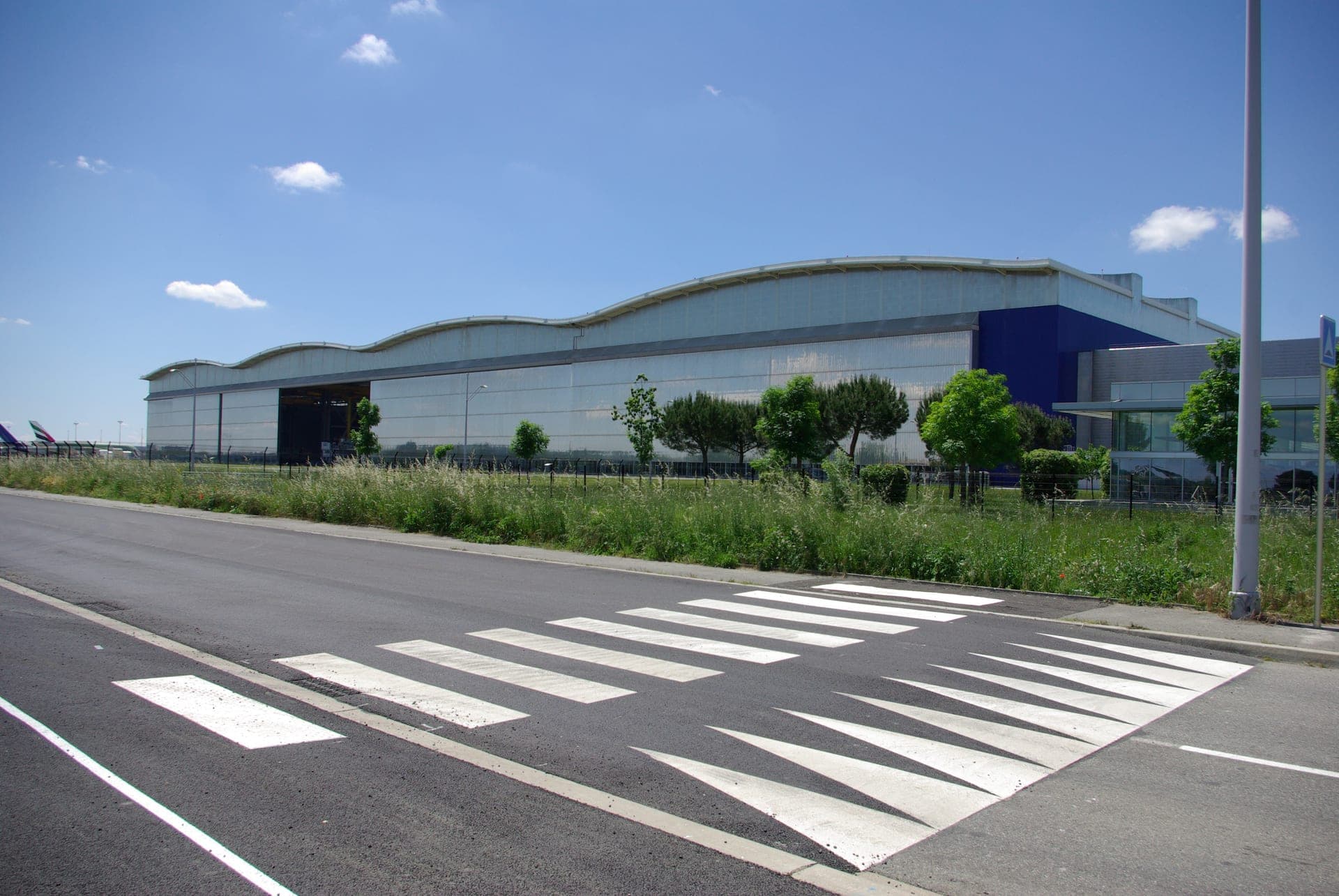
Building an airliner this large across four countries required a logistics operation almost as ambitious as the aircraft itself. Airbus enlarged its fleet of Beluga outsize transporters and built new roll-on roll-off port facilities and specially widened roads through southern France so that wings from Broughton in Wales, fuselage sections from Hamburg, and other major structures from Spain could reach Toulouse for final assembly. The programme's wiring crisis, discovered during that assembly process in 2005, exposed how fragile the coordination between the dispersed design teams had been and forced Airbus to overhaul how its engineering centres shared and validated design data: a change that shaped how the company ran every subsequent programme.
Design
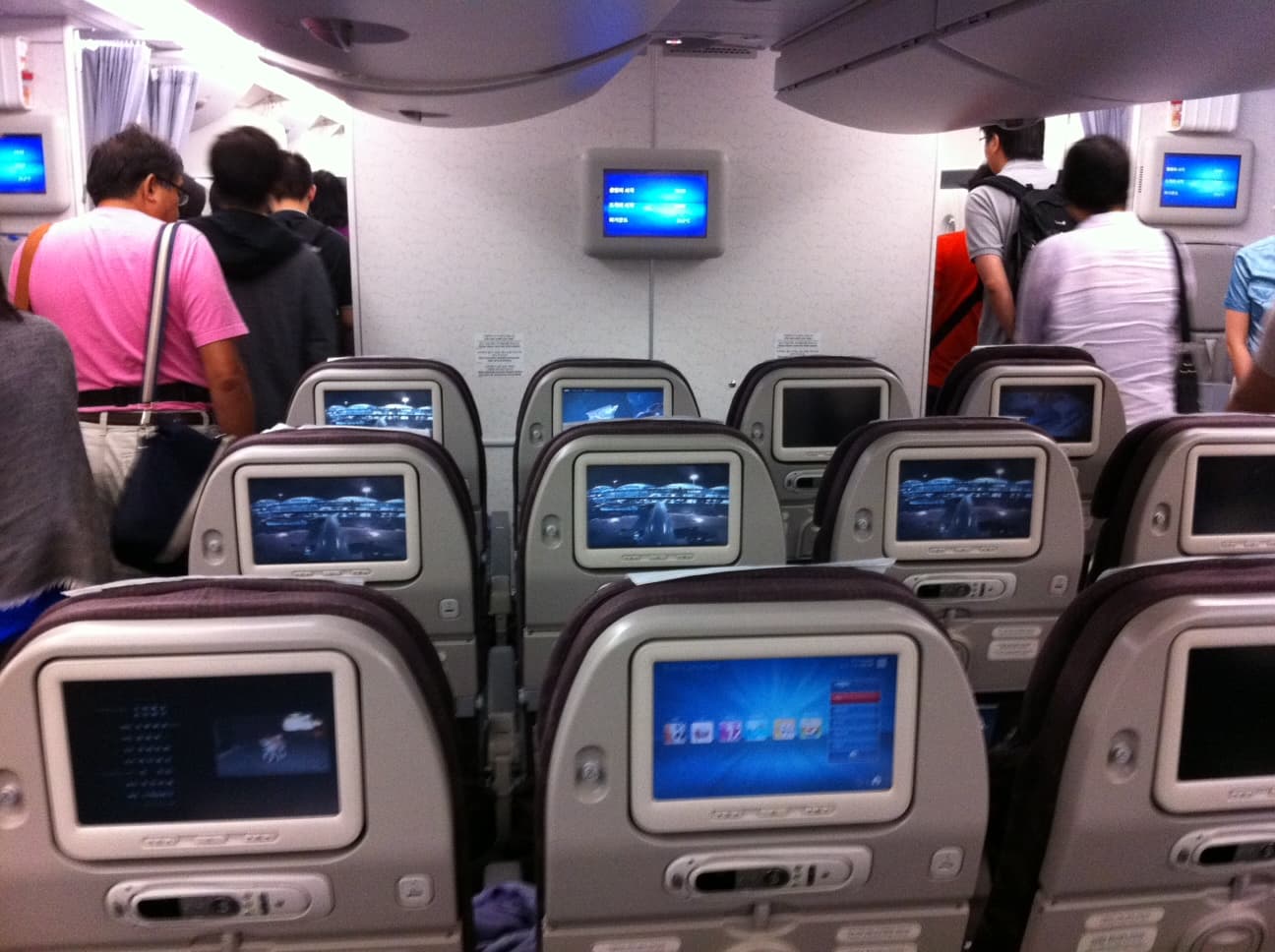
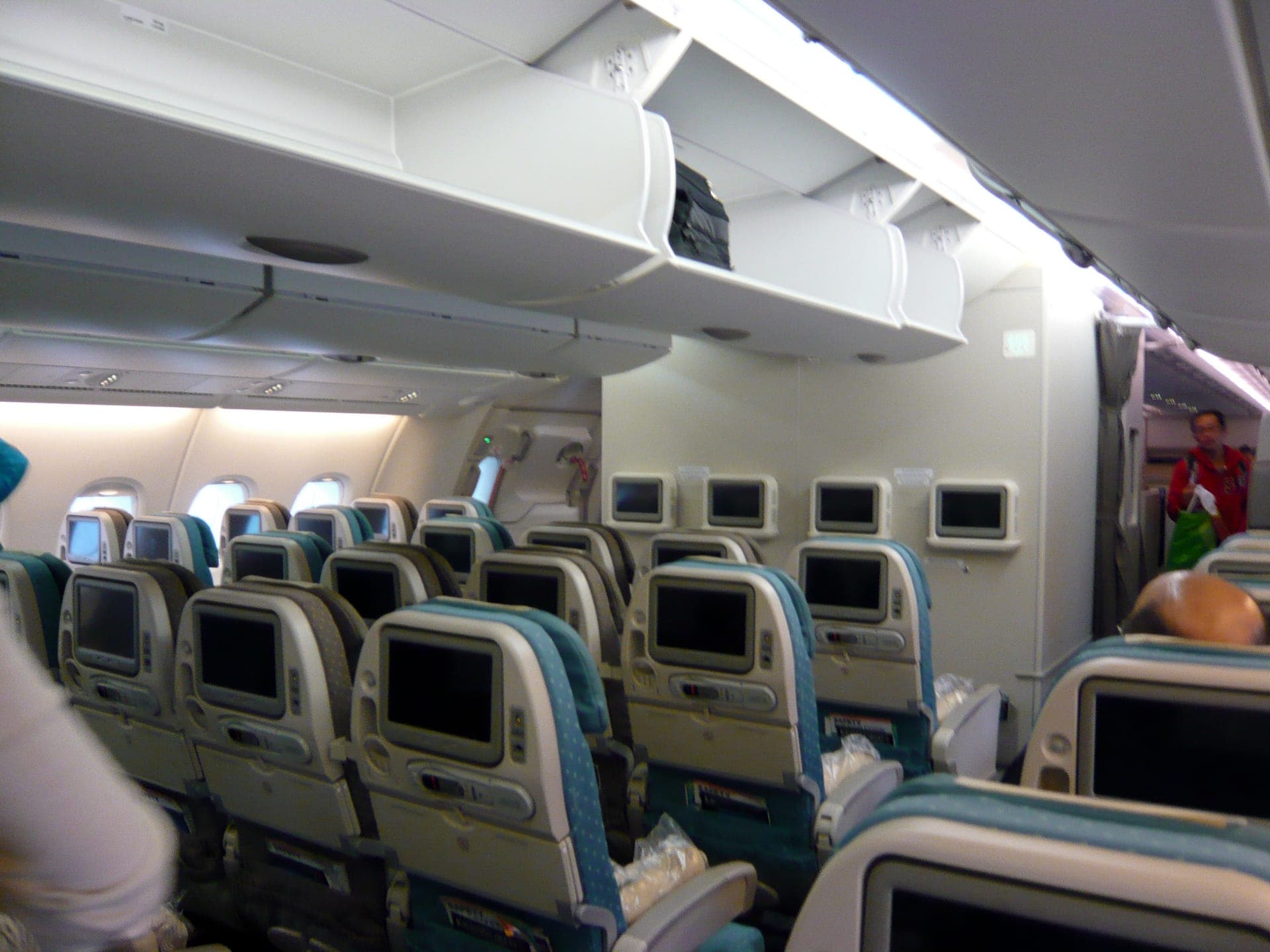
The A380's cabin cross-section is its defining feature: a full-length lower deck and a full-length upper deck, each wide enough for twin aisles, giving a typical three-class layout around 525 seats and a maximum single-class certification of 853. In practice almost no airline configured an A380 anywhere near its maximum capacity: most flew it with 450 to 550 seats, spending the extra space the design allowed on wider seats, bars, showers and lounges rather than more passengers, which shaped the type's reputation as the most comfortable widebody in the sky as much as anything about how it flew.
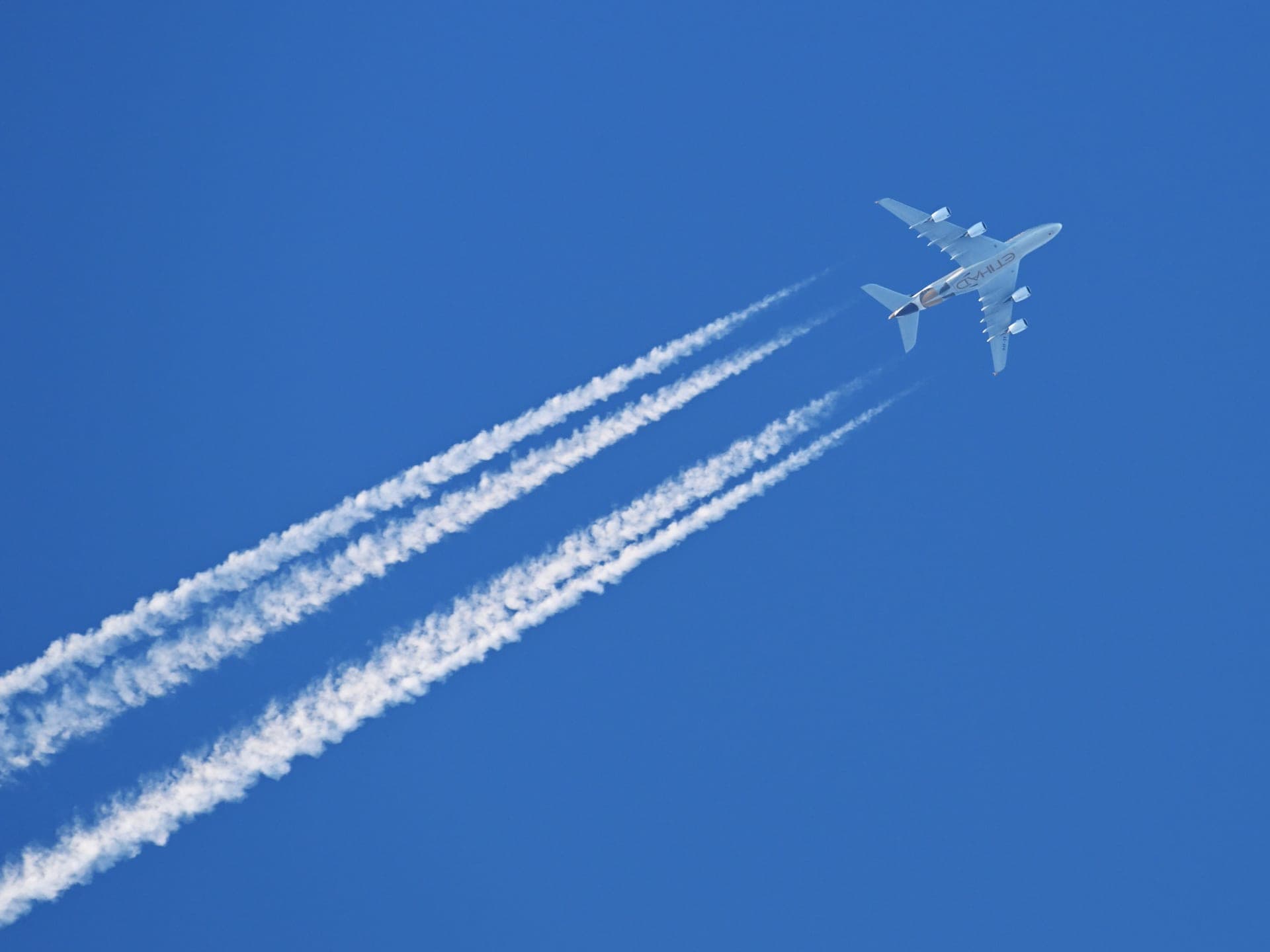
Four engines, from a choice of the Rolls-Royce Trent 900 or the Engine Alliance GP7200, a joint venture of General Electric and Pratt & Whitney, power the aircraft, mounted well forward of the wing on pylons in the same layout the 747 had used for the same reason: redundancy on ocean crossings, in an era when the aircraft was designed before twin-engine widebodies had won the trust for the longest routes. The wing itself, proportionally larger relative to the aircraft's weight than on most contemporaries, was designed with substantial growth margin that Airbus never used, since no stretched or heavier A380 variant ever reached production.
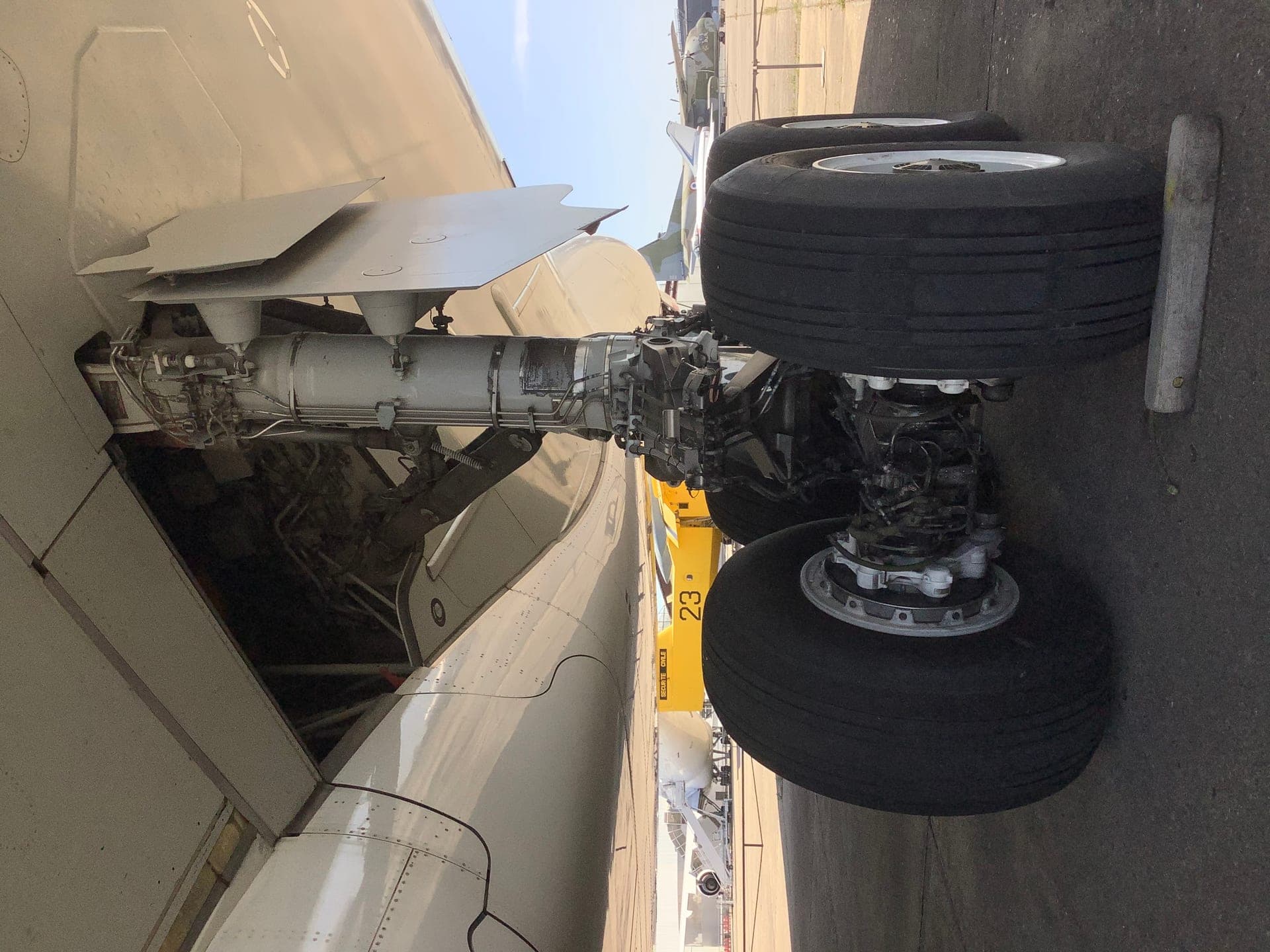
The undercarriage reflects the aircraft's exceptional weight: a nose gear, two wing-mounted main gear legs, and two body-mounted main gear legs under the centre fuselage, totalling twenty wheels, spreading a maximum take-off weight of up to 1,270,000 lb across enough tyre contact area to use existing major-airport runways without their pavement being rebuilt specifically for the type, though many airports still had to widen taxiways, gates and jet bridges to handle the aircraft's sheer size.
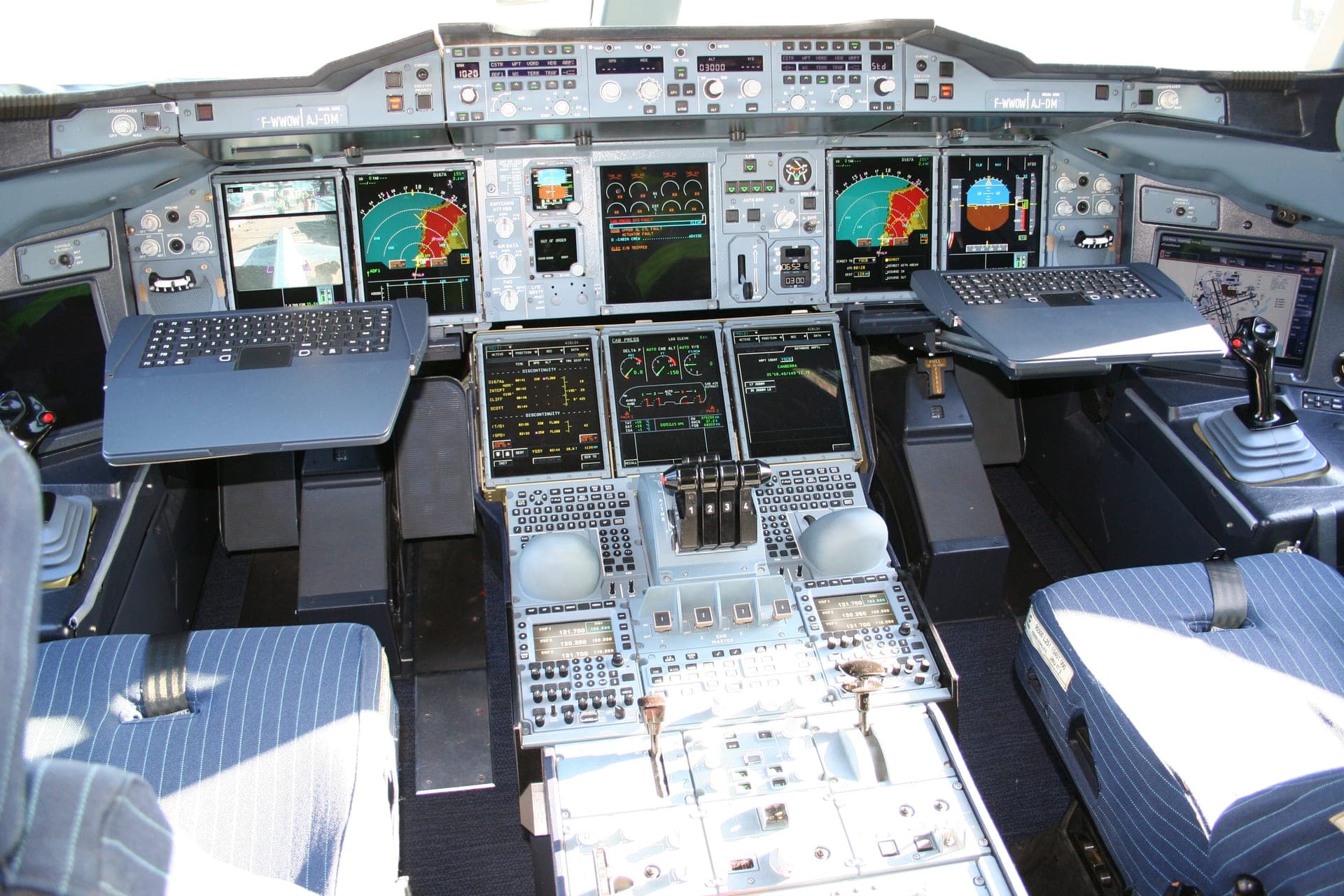
Flight-deck philosophy followed Airbus's established fly-by-wire, side-stick architecture rather than the yoke-and-column layout of Boeing's widebodies, with computer-mediated flight-envelope protections and a two-pilot crew as standard from entry into service, unlike the flight-engineer stations still found on early 747s decades earlier.
Technical characteristics
The A380's airframe makes extensive use of composite materials and advanced aluminium alloys: around 25 percent of the structure by weight, including a carbon-fibre-reinforced-plastic central wing box, the first time that structure had been built from composite on a widebody of this size, chosen to keep the aircraft's weight manageable against its enormous dimensions.
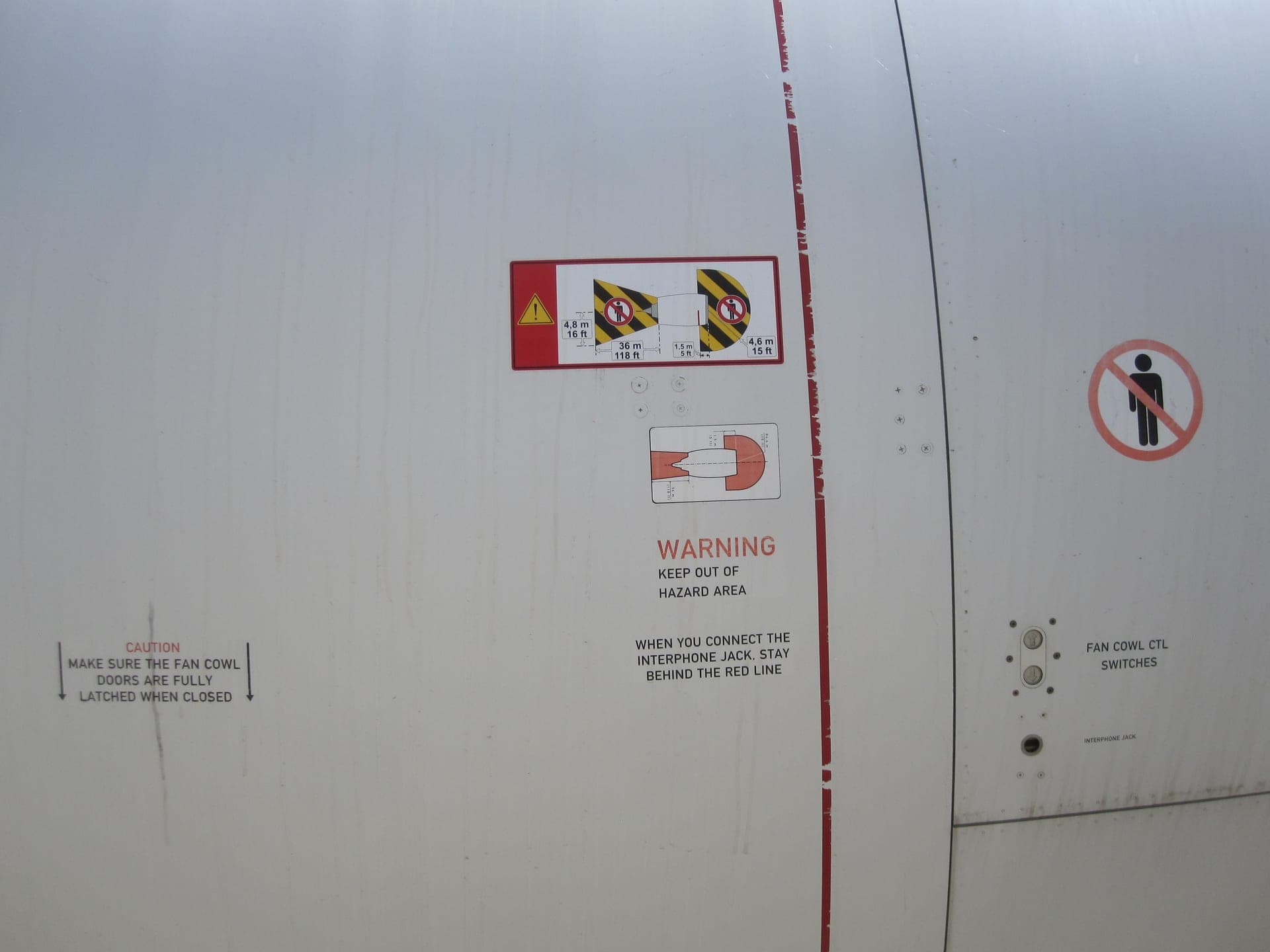
Maximum take-off weight for the standard A380-800 reached up to 1,270,000 lb on later-build aircraft, and fuel capacity of around 85,000 US gal gave the type a design range of roughly 7,990 nm, enough for the longest scheduled routes in commercial service, including non-stop flights between the Gulf and North America or Australia.
Cabin systems reflected the scale of the aircraft as much as the airframe did: air-conditioning packs, electrical generation and hydraulic systems were all sized well beyond what a conventional widebody required, and the aircraft's four independent hydraulic and electrical systems gave it a level of built-in redundancy that proved decisive in the 2010 Qantas engine failure, when the crew were still able to fly and land the aircraft despite extensive damage to multiple systems.
Production
Airbus built the A380 in only one passenger form to reach production: the A380-800, the sole variant airlines ever actually flew. Two further versions were studied in depth and never built. The A380F was a dedicated freighter offered alongside the passenger version from launch, intended to carry around 330,000 lb of cargo on the double-deck main and lower holds; FedEx and UPS placed early orders, but both cancelled them as the passenger programme's delays dragged on, and Airbus never resumed freighter development once the wiring crisis and the collapse of the passenger order book made the business case for a second variant impossible to justify.
Later in the programme's life, as passenger sales weakened, Airbus studied two enlargement concepts rather than a shrink: the A380plus, revealed in 2017, would have added folding wingtip extensions, aerodynamic refinements and up to 80 extra seats to cut operating cost per passenger without a full re-engining; and an unofficially discussed A380neo would have gone further, fitting new-generation engines in the manner of Airbus's A320neo and A330neo re-engining programmes. Neither concept found a single committed customer, and Airbus shelved both once the 2019 production-end decision was made: by then, no airline believed a heavier or re-engined A380 would change the fundamental economics working against a four-engine aircraft of this size.
In total, only 251 A380s were built between the 2005 first flight and the December 2021 final delivery, a run that left the programme far short of the roughly 420 aircraft Airbus originally said it needed to break even.
Operators
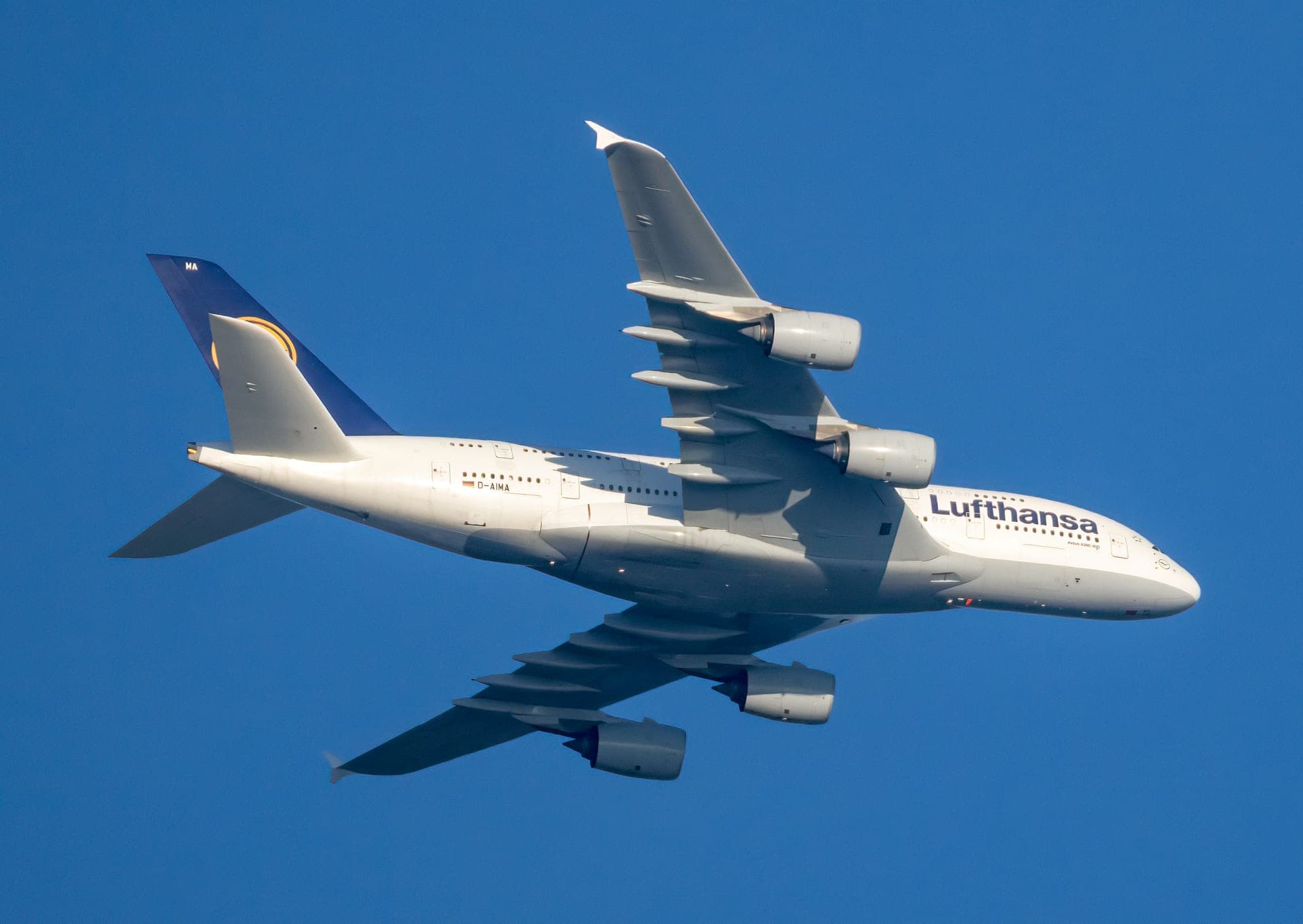 Airbus A380-841
Emirates was, by a wide margin, the A380's defining customer: the Dubai-based carrier ordered 123 of the 251 aircraft ever built, built an entire long-haul network strategy around connecting the world through Dubai on the type, and remained the largest operator of the aircraft long after Airbus stopped building it. Singapore Airlines, the launch operator, and Qantas, Lufthansa, British Airways and Emirates' Gulf rivals Etihad and Qatar Airways each flew smaller fleets, using the aircraft on their highest-demand trunk routes rather than across their networks generally.
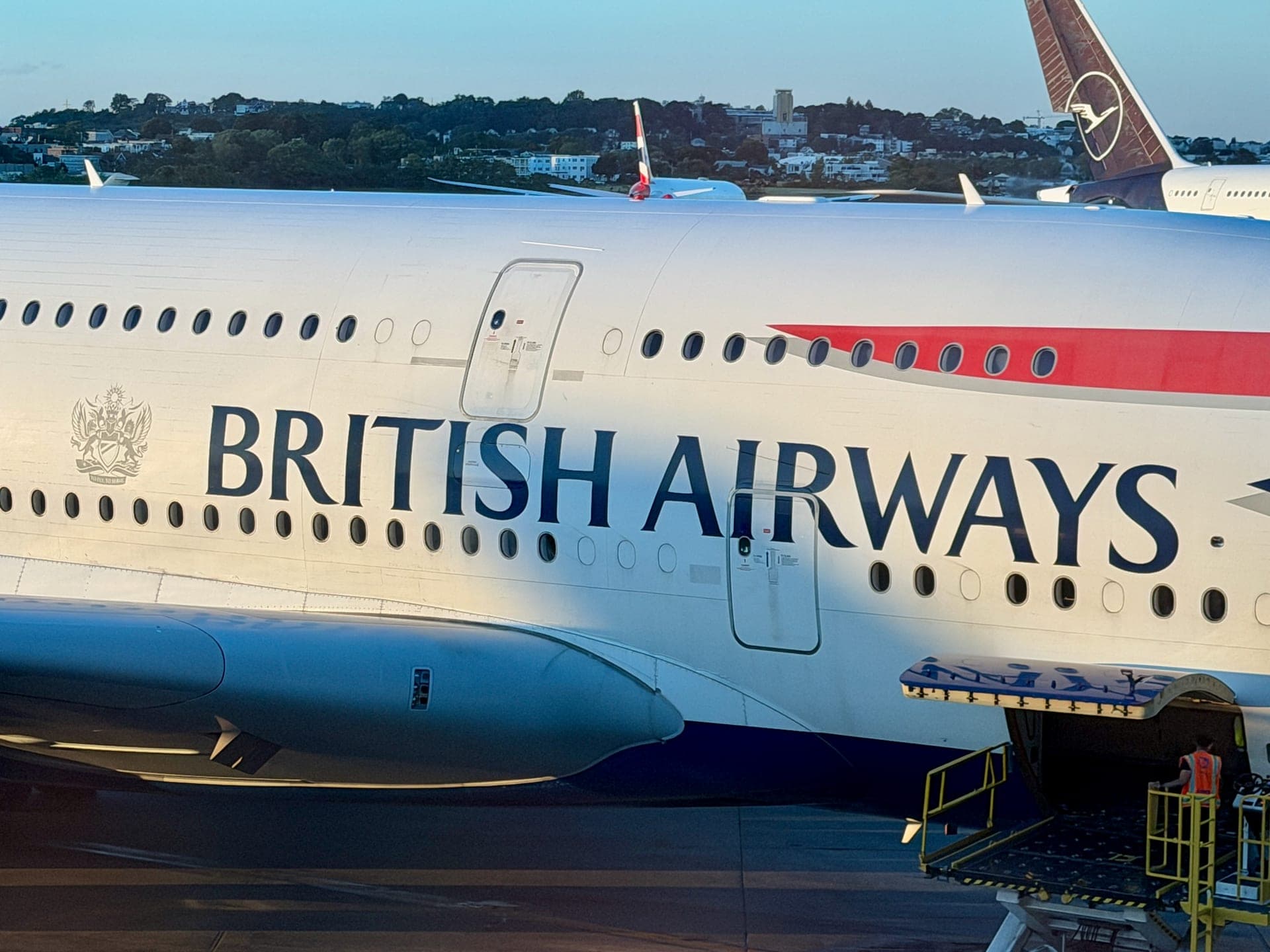 Airbus A380-841
Most operators found the A380 an excellent aircraft to fly and a difficult one to schedule profitably outside a handful of routes dense enough to fill its cabin reliably; several airlines, including Air France and some Gulf carriers, retired parts of their fleets earlier than planned once travel collapsed in 2020, while others accelerated retirement decisions they had already been considering. Air France retired its entire A380 fleet in 2020, and Malaysia Airlines and a handful of lessors' aircraft went into long-term storage or were parted out for spares.
The pandemic recovery reversed some of that. As demand for premium long-haul travel rebounded faster than airlines could take delivery of new aircraft from Airbus or Boeing, carriers including Qantas, Lufthansa, Etihad and Emirates itself returned stored A380s to service from 2022 onward, and charter and leasing specialists such as HiFly and the short-lived Global Airlines acquired second-hand examples specifically to fly them: an aircraft with no production line left had, unexpectedly, a functioning market again.
Legacy
The A380 is, in the end, a case study in the gap between engineering success and commercial success. Every technical goal Airbus set for the programme was met or exceeded: the aircraft flew reliably, passengers overwhelmingly preferred it to any other widebody, and its safety record, including surviving the 2010 Qantas uncontained engine failure with no injuries, was excellent. None of that was enough to sustain a business built on the bet that the aviation industry would keep concentrating traffic through mega-hubs on ever-larger aircraft. Airlines instead spread capacity across more frequent flights on smaller, cheaper-to-operate twin-engine widebodies flying point-to-point, and the A380's four engines and enormous size became a cost disadvantage no amount of cabin comfort could offset.
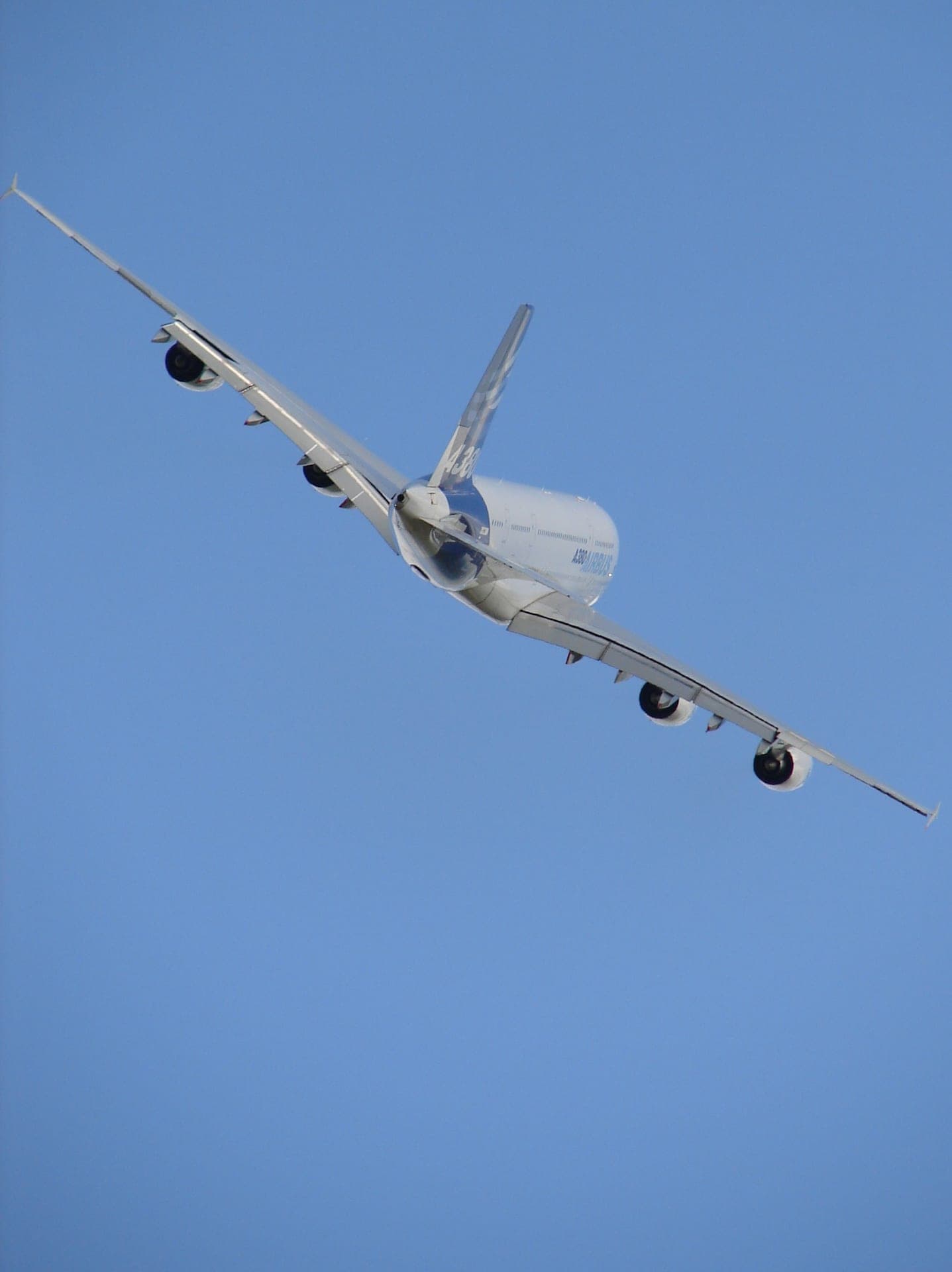
Airbus never recovered its development costs on the programme, widely estimated at well over €15 billion, and the A380 stands as one of the costliest miscalculations in commercial aviation history alongside, and in curious symmetry with, Concorde, the last aircraft to bet as heavily on a single, unrepeatable idea about how people would want to fly.
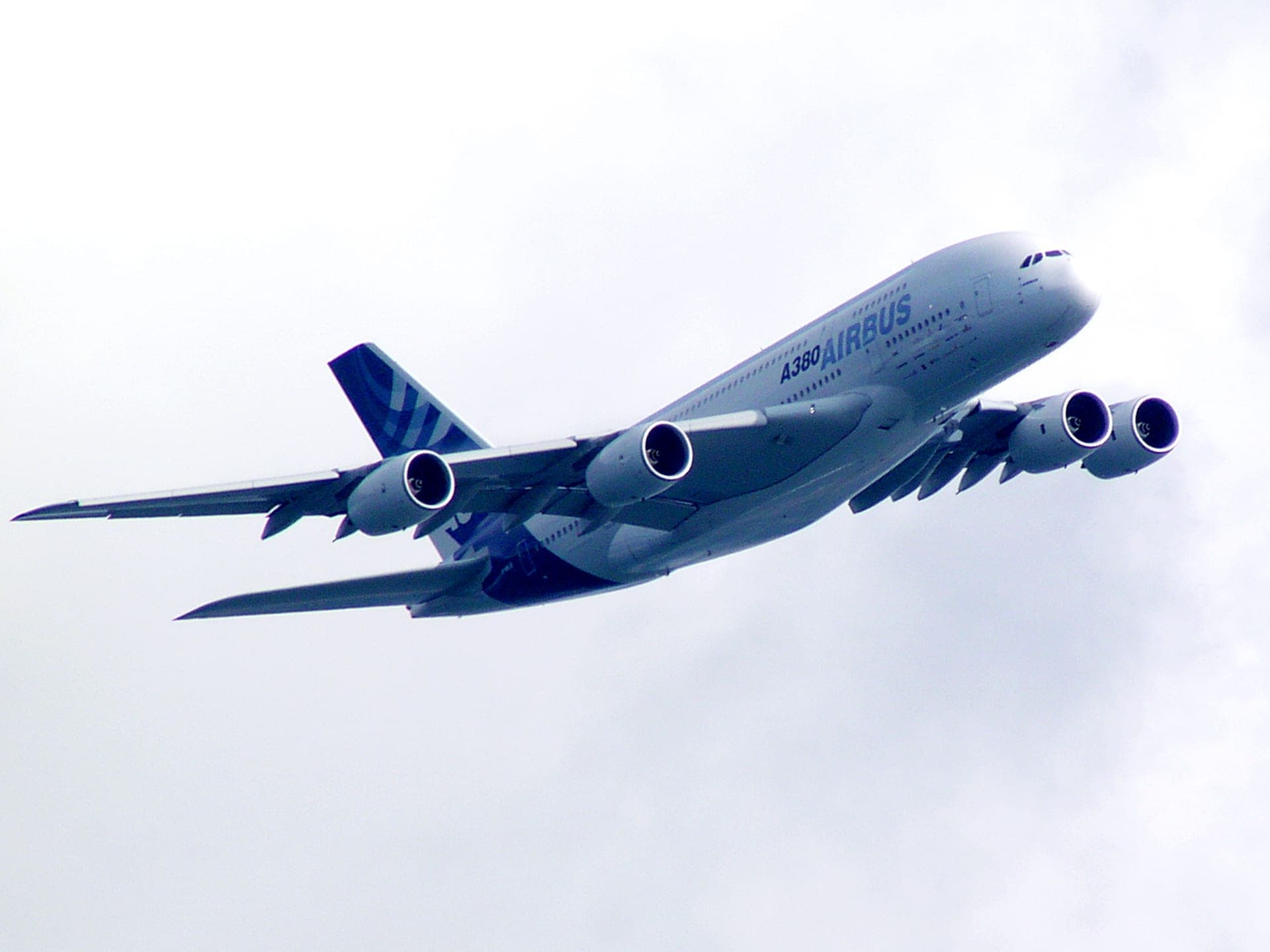
Yet the aircraft's unexpected return to active service from 2022 onward complicated any simple verdict of failure. Airlines that had written the type off found themselves needing every available widebody as travel recovered, and passengers who remembered flying the A380 before the pandemic often specifically sought it out again. For an aircraft whose production line closed for good in 2021, the A380 kept finding reasons to keep flying, proof that the market misjudged its economics without ever managing to dislike the aeroplane itself.
Model evolution
Airbus A380-800
2007The only A380 version to reach production and the aircraft every operator actually flew: a full-length double-deck fuselage seating a typical 525 passengers across three classes, powered by a choice of Rolls-Royce Trent 900 or Engine Alliance GP7200 engines. It entered service with Singapore Airlines in October 2007, two years behind Airbus's original schedule after a wiring-harness incompatibility between the German and French design teams forced repeated delays during final assembly in Toulouse.
Established the double-deck cross-section, four-engine layout and 261.6 ft wingspan, sized to the ICAO Code F airport box, that defined the entire programme, since no other passenger variant ever followed it into production. Built to challenge Boeing's decades-long dominance of the largest end of the widebody market, on the belief that airlines would keep concentrating long-haul traffic through the biggest hub airports rather than flying smaller aircraft point-to-point.
Loved by passengers and safe in operation, but a commercial disappointment: only 251 were built against a break-even target of roughly 420, and Airbus ended production in 2021 as airlines shifted to smaller twin-engine widebodies.
Airbus A380F
A dedicated freighter version offered alongside the passenger A380 from the programme's launch, designed to carry around 330,000 lb of cargo across the double-deck main and lower holds. FedEx and UPS placed early orders, but both cancelled them as the passenger programme's delays dragged on through the mid-2000s, and Airbus never resumed development once the wiring crisis and a shrinking passenger order book made a second variant commercially unviable. No A380F was ever built.
Would have added a main-deck cargo door and strengthened floors to the standard A380 airframe; no structural prototype was ever built, since the version was cancelled before reaching hardware. Intended to extend the A380's size advantage into the air-cargo market, following the same passenger-then-freighter logic that had underpinned the Boeing 747's original design.
Airbus A380plus / A380neo
Late-programme study concepts, never built, for an enlarged or re-engined A380 intended to cut operating costs as passenger orders weakened. The A380plus, revealed publicly in 2017, proposed folding wingtip extensions, aerodynamic refinements and up to 80 extra seats without a new engine. An A380neo, discussed informally within Airbus, would have gone further and fitted new-generation engines in the manner of the company's A320neo and A330neo programmes. Neither concept attracted a single committed order, and both were shelved once Airbus decided in 2019 to end A380 production entirely.
A380plus: folding wingtips, revised winglets and aerodynamic tweaks for roughly 4 percent lower fuel burn, plus a higher-density cabin. A380neo: new-generation engines, never formally specified before the study was dropped. Proposed to answer airlines' complaints about the A380's high trip cost relative to newer twins, in a last attempt to keep the programme commercially viable before Airbus concluded the underlying economics could not be fixed.
Never flew. No airline placed an order for either concept, and both were abandoned when Airbus ended A380 production in 2019.
Blueprints
- A380, Airbus
- A380 Facts and Figures, Airbus
- New Airbus list prices 2018, Airbus
- Type Certificate Data Sheet EASA.A.110 — Airbus A380, European Union Aviation Safety Agency
- Aeroscopia — A380 MSN001, Musée Aeroscopia
- Airbus builds last A380 as production run ends, Reuters
- A380 second-hand values and the post-pandemic return to service, ch-aviation
- Qantas Flight 32: uncontained engine failure investigation, Australian Transport Safety Bureau
- Airbus A380 production list, Planespotters.net
- How Much Is An Airbus A380 Worth In 2023?, Simple Flying
Checked September 2, 2026