€73.4B
Revenue
financial year 2025
793
Commercial deliveries
financial year 2025
Company
- Country
- Europe (France, Germany, Spain, United Kingdom)
- Headquarters
- Leiden, Netherlands · Toulouse, FranceRegistered in the Netherlands as a European company (Societas Europaea); run from Toulouse-Blagnac, where the executive and the largest assembly lines are.
- Listing
- Euronext Paris: AIR
Founding
- Founded
- December 18, 1970Paris, France
- How it was founded
- Not a company founded by people but an agreement between states: the French, West German and British governments agreed in September 1967 to build a wide-body airliner together, and the manufacturers were bound three years later into a groupement d'intérêt économique, a vehicle that made no profit of its own and sold aircraft on behalf of its members.
- Founded as
- Airbus Industrie GIE
- Founders
- Aérospatiale (France) · Deutsche Airbus (West Germany)
- Former names
- Airbus Industrie GIE (1970–2001)Airbus SAS (2001–2014)European Aeronautic Defence and Space Company (EADS) (2000–2014)Airbus Group NV / SE (2014–2017)
Scale
- Employees
- 165,294as of December 31, 2025
- Backlog
- 8,754 aircraftas of December 31, 2025
European aerospace group: airliners, military aircraft, helicopters, satellites and launchers, created in 1970 as a consortium of national manufacturers.
Airbus is the aircraft manufacturer that governments built on purpose. In the late 1960s the United States made almost every jet airliner flying in the Western world, and three European states concluded that if they wanted an aerospace industry at all, none of them could afford one alone. The answer they reached was not a company but a treaty: France, West Germany and Britain agreed in 1967 to build a wide-body airliner together, and in 1970 the manufacturers were bound into Airbus Industrie, a French legal vehicle with no share capital that sold aircraft on behalf of its members.
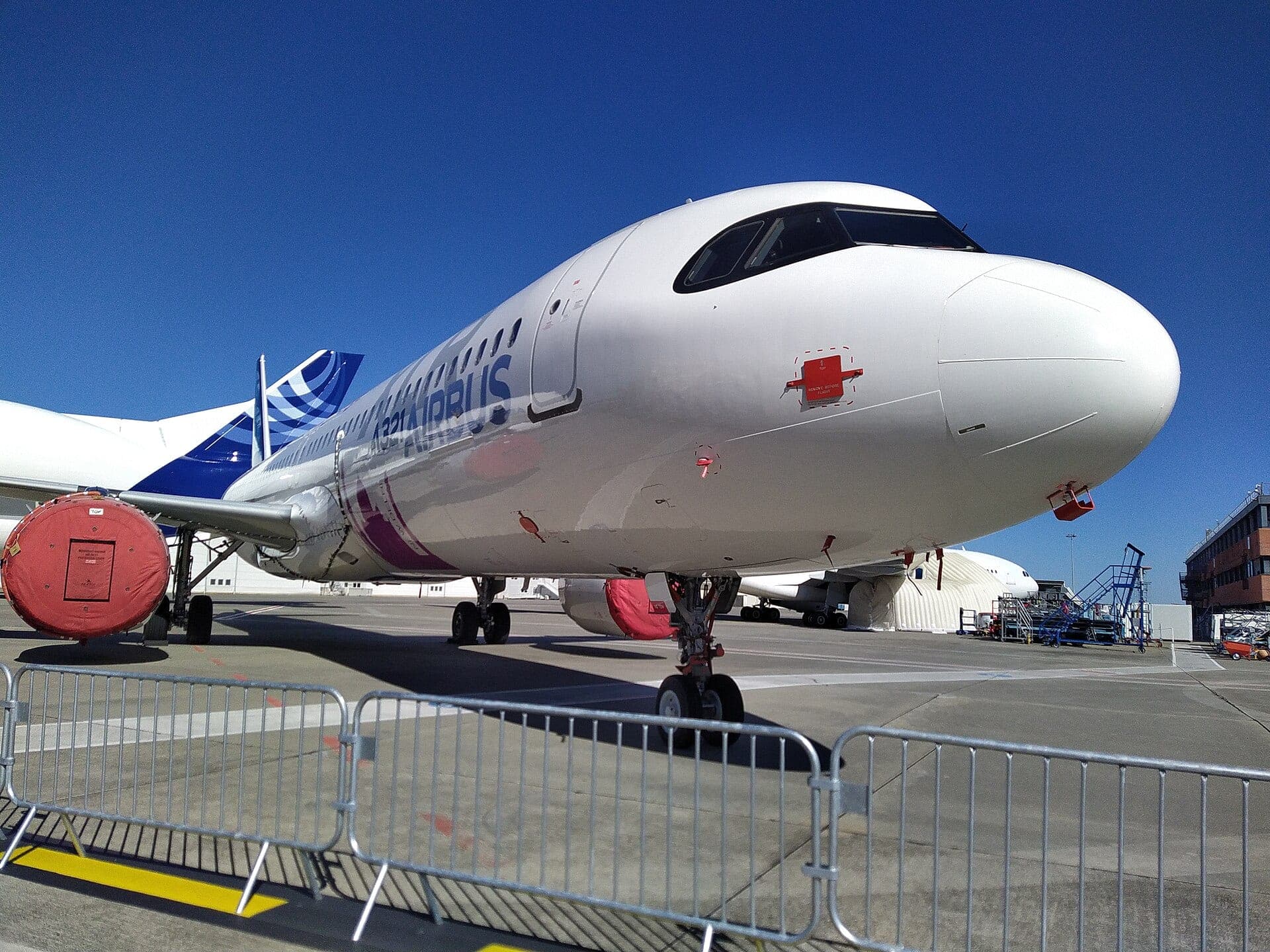
It should not have worked. The consortium had two official languages, national partners who distrusted one another's accounts, and a first product, the A300, that sat unsold on the Toulouse apron for months. It worked anyway, and then it worked better than anyone intended. The A320 of 1987 introduced digital fly-by-wire to the airline world; the A330 became the most successful wide-body of its generation; and in 2019 the A320 family overtook the Boeing 737 as the best-selling airliner in history.
The company that exists today is not a consortium any longer. Airbus Industrie became an integrated company, Airbus SAS, in 2001; its parents merged into EADS in 2000; and in 2014 the group took the name of its best-known product. Airbus SE is registered in Leiden, run from Toulouse, listed in Paris, Frankfurt and Madrid, and still partly owned by the French, German and Spanish states. Its three divisions build airliners, military aircraft, satellites, launchers and more helicopters by value than anyone else.
The figures below are those of a company at the top of a duopoly rather than one fighting its way into it. In the 2025 financial year Airbus reported revenue of €73.4 billion, delivered 793 commercial aircraft, a record, and closed the year with a backlog of 8,754 aircraft. It employed 165,294 people at the end of 2025.
Origins
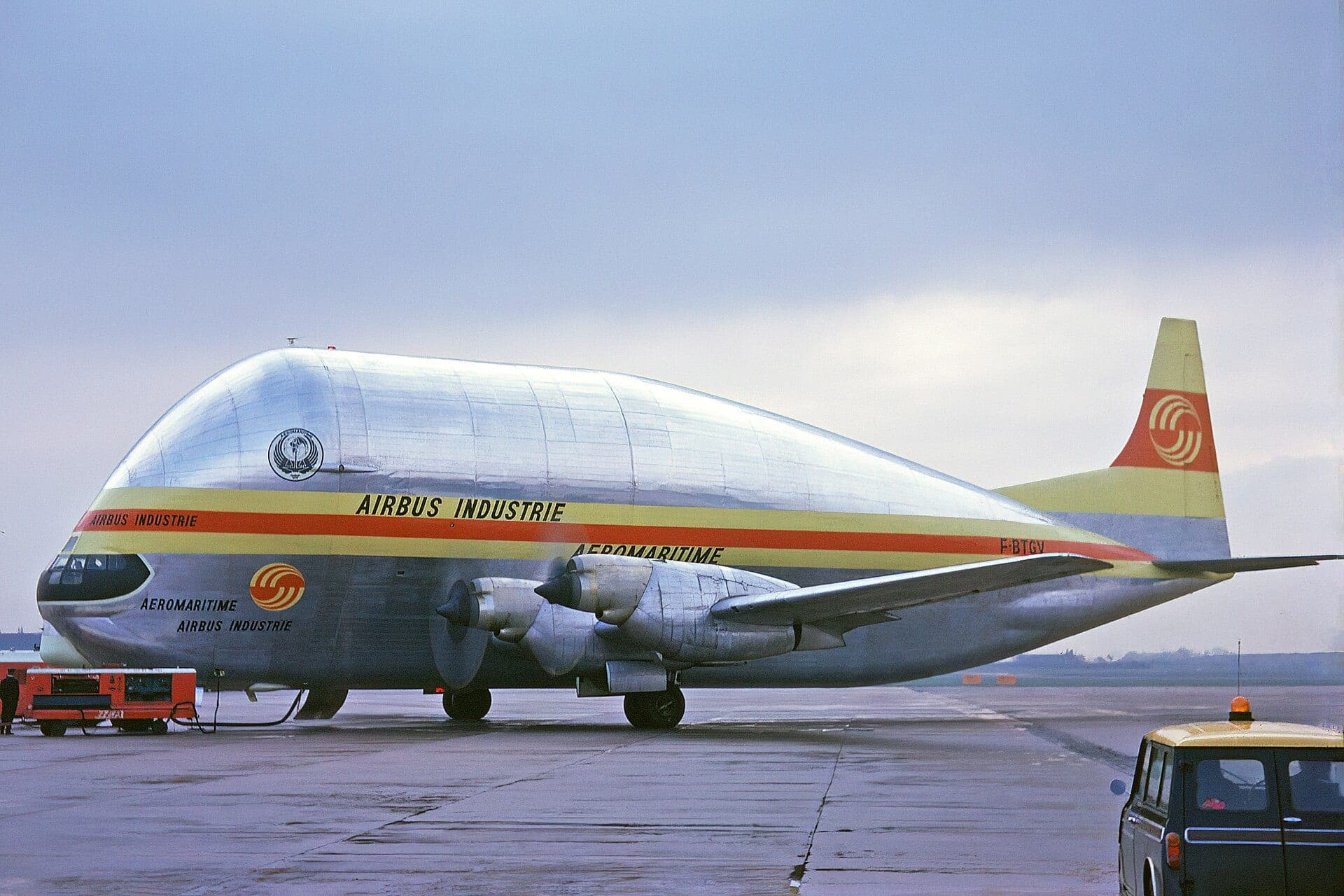
By the mid-1960s every European attempt to build a large airliner alone had ended in a small production run. The Comet, the Caravelle, the Trident and the VC10 were each excellent in some way and commercially overwhelmed by Boeing and Douglas, whose home market alone was larger than all of Europe's put together. The lesson drawn in Paris, Bonn and London was that the problem was not engineering but scale.
On 26 September 1967 the three governments signed a memorandum of understanding to develop a 300-seat twin-engined "air bus" for short and medium routes, on condition that airlines committed to it first. The name was a generic term of the period for a high-capacity airliner, not a brand. The design leadership went to France's Sud Aviation, which had built the Caravelle; the engine went to Rolls-Royce; the German share was grouped in a consortium, Deutsche Airbus.
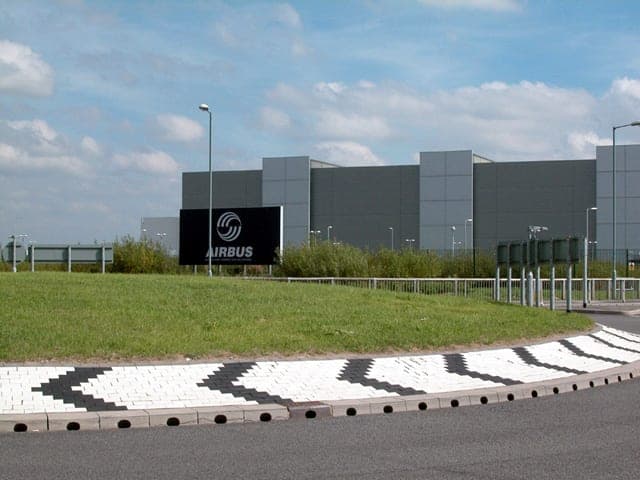
Britain did not stay. In 1969, with the aircraft shrunk to 250 seats and the British government preferring to back the BAC Three-Eleven, London withdrew. The programme survived because Hawker Siddeley, which had already invested in the wing design, chose to stay in on its own money, and because France and Germany agreed to carry the rest. That is why every Airbus wing has been built in Britain ever since, even in the years when Britain was not a partner.
On 18 December 1970 Airbus Industrie was formally created as a groupement d'intérêt économique between Aérospatiale, the successor to Sud Aviation, and Deutsche Airbus. A GIE was an unusual choice with a precise purpose: it had no share capital, paid no tax and made no profit of its own. The partners built parts at their own risk and cost, delivered them to Toulouse, and the GIE sold the finished aircraft on their behalf. Spain's CASA joined in 1971; Britain, through British Aerospace, returned as a full partner in 1979.
Expansion
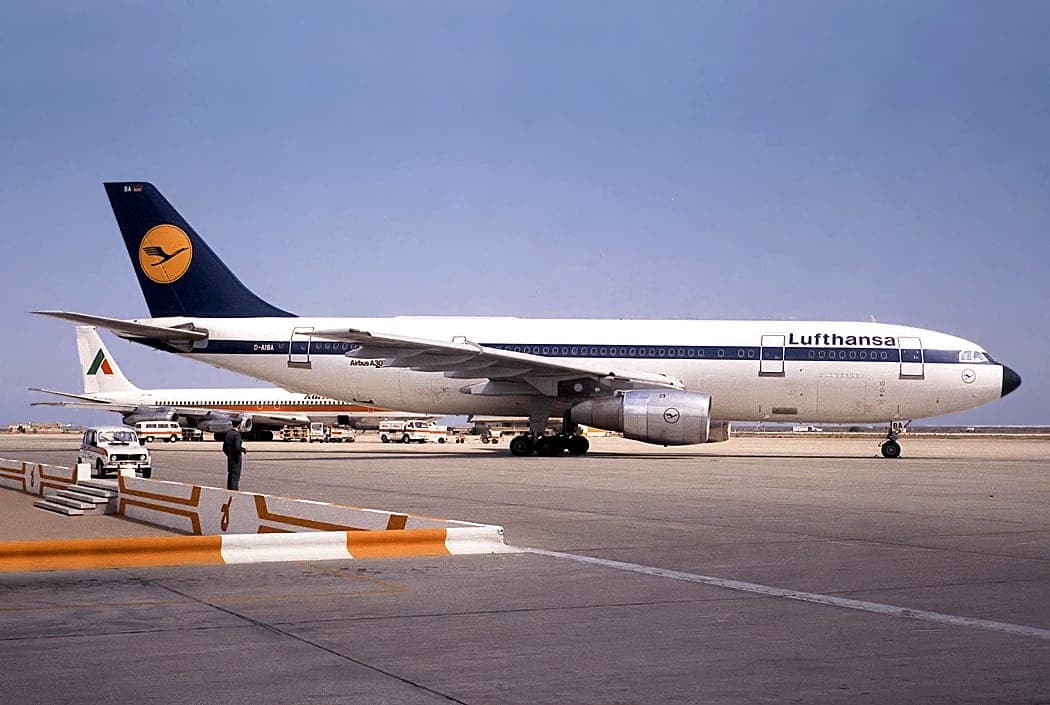
The A300B first flew from Toulouse on 28 October 1972 and entered service with Air France in May 1974. It was the first wide-body airliner with only two engines: an argument airlines did not yet accept, because a twin could not fly far from a diversion airport under the rules of the time, and because three- and four-engined wide-bodies were what serious carriers bought.
For a while it looked as though the sceptics were right. Sales stalled in 1976 and 1977; completed aircraft with no customer, "white tails", were parked on the Toulouse apron, and the consortium kept building them at a rate chosen to keep the workforce together rather than to match demand. The turning point was a loan rather than a sale. In 1977 Airbus lent four A300s to Eastern Air Lines for six months, free, to prove the economics on American routes. Eastern ordered twenty-three in April 1978, and Airbus had its first major American customer.
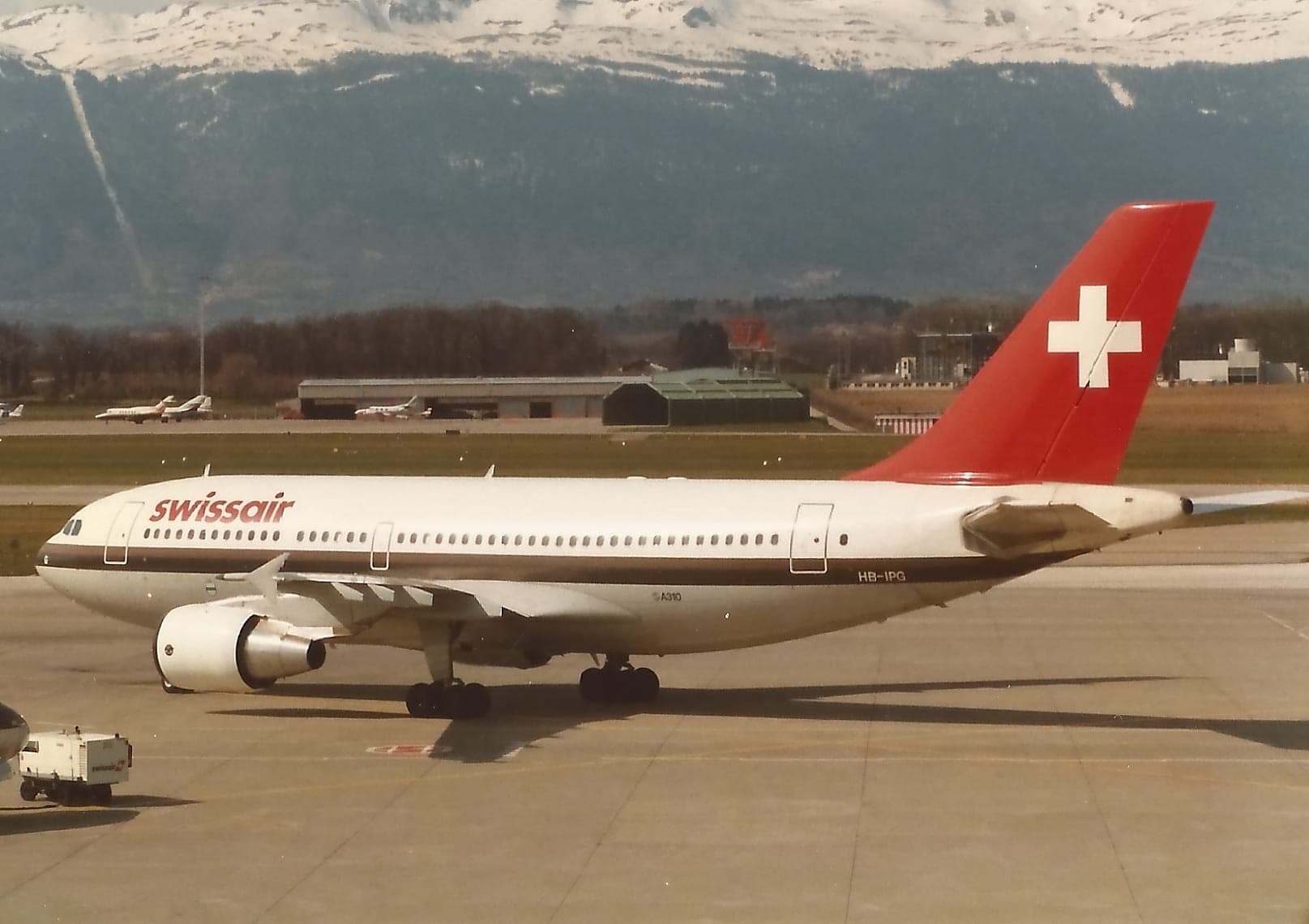
The A310, a shortened A300 with a new wing, followed in 1982 with a two-crew glass cockpit, the flight engineer's panel replaced by screens and automation. It was a technical statement as much as a product, and it prepared the argument Airbus would make at scale five years later: that a European airliner could be the more modern choice rather than the cheaper one.
By the early 1980s the consortium had a family of two aircraft and a reputation it had not had ten years earlier. What it did not yet have was a single-aisle aircraft, which is where the airline market's volume lay and where Boeing's 737 and McDonnell Douglas's MD-80 had it to themselves.
Products

The A320, launched in 1984 and first flown on 22 February 1987, was the aircraft that made Airbus a manufacturer rather than a project. It was the first airliner flown by digital fly-by-wire: the pilot's sidestick sent commands to computers, which moved the control surfaces within limits written into the control laws, so that the aircraft would refuse to stall or overstress itself however hard the stick was pulled. Critics called it an aeroplane that did not trust its pilots. Airlines bought it because it was cheaper to fly, cheaper to train for and more comfortable to sit in than anything in its class.
The flight deck was the real product. Every later Airbus shares its logic, its displays and its sidestick, so a pilot rated on an A320 can convert to an A330 or A350 in days rather than weeks. That "cross-crew qualification" is an argument no single aircraft can make, and it has sold Airbus fleets rather than Airbus aircraft ever since.
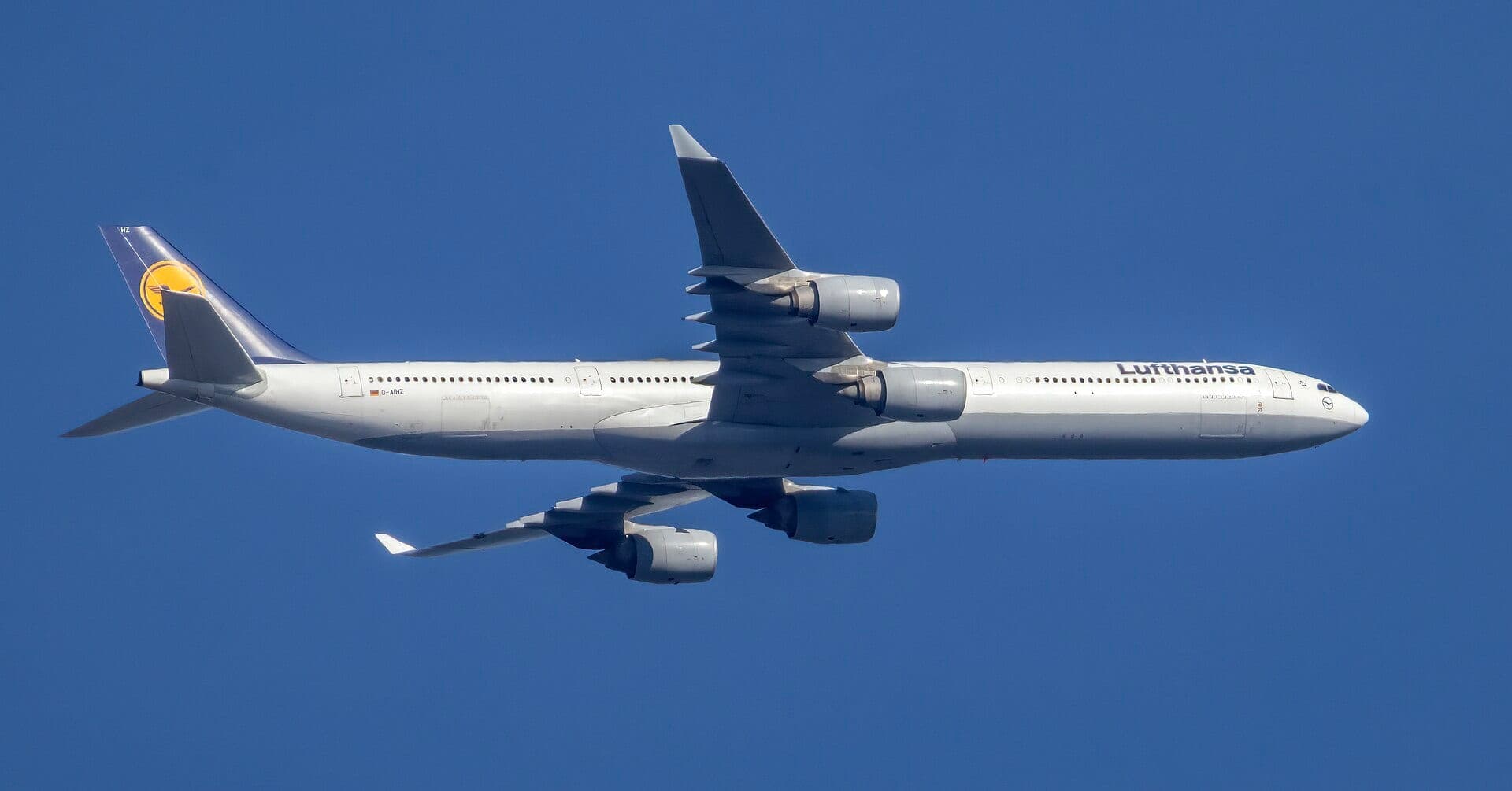
The long-haul family followed the same principle. The A330 and A340 were developed together in the late 1980s around one wing, one fuselage and one cockpit: the four-engined A340 for the long routes that twins were not yet allowed to fly, the twin-engined A330 for everything else. Regulation settled the contest between them. As extended-range rules for twins lengthened, airlines stopped paying for two extra engines; the A340 ended in 2011 after 377 aircraft, while the A330 kept selling and was re-engined as the A330neo.
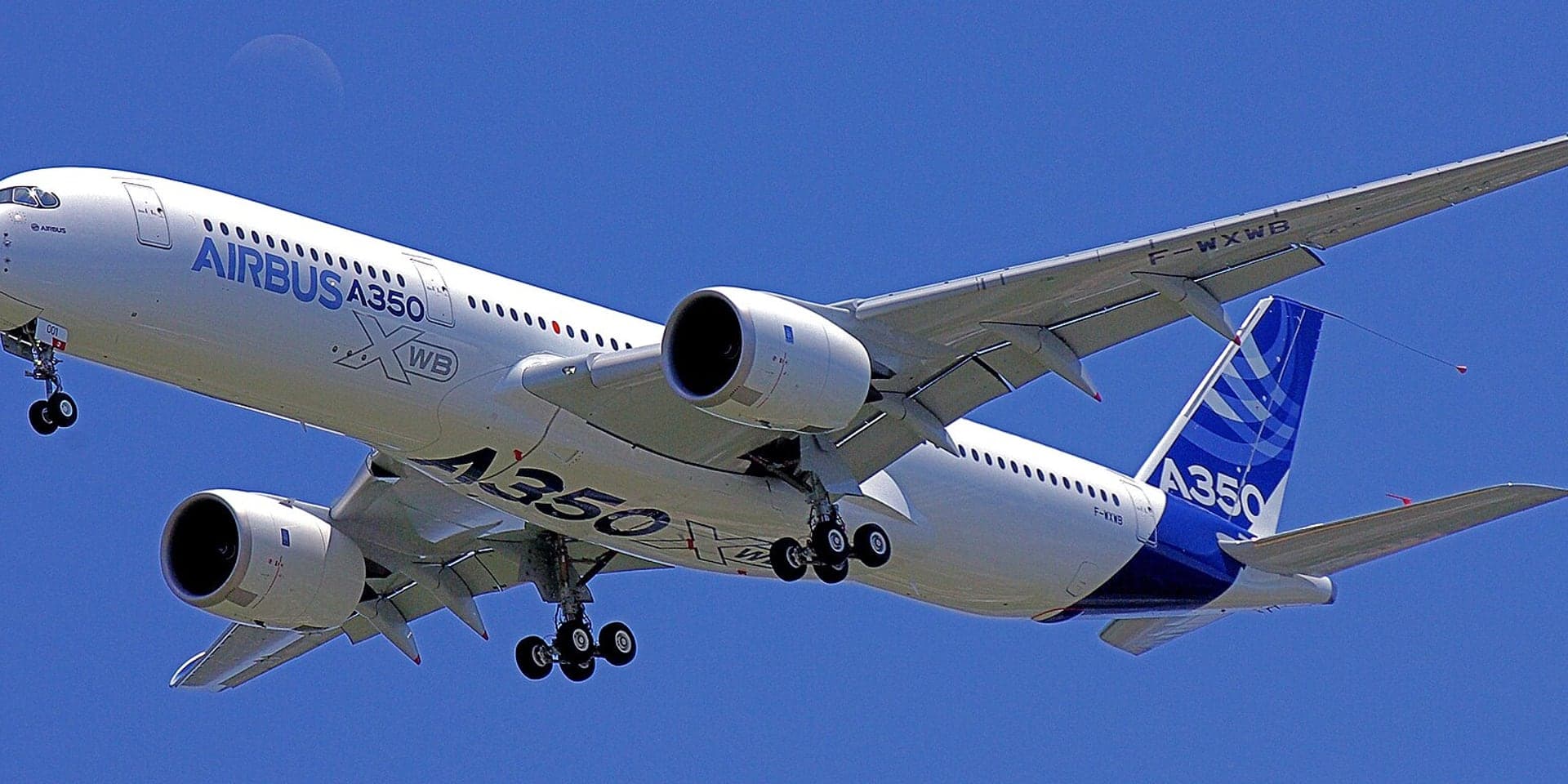
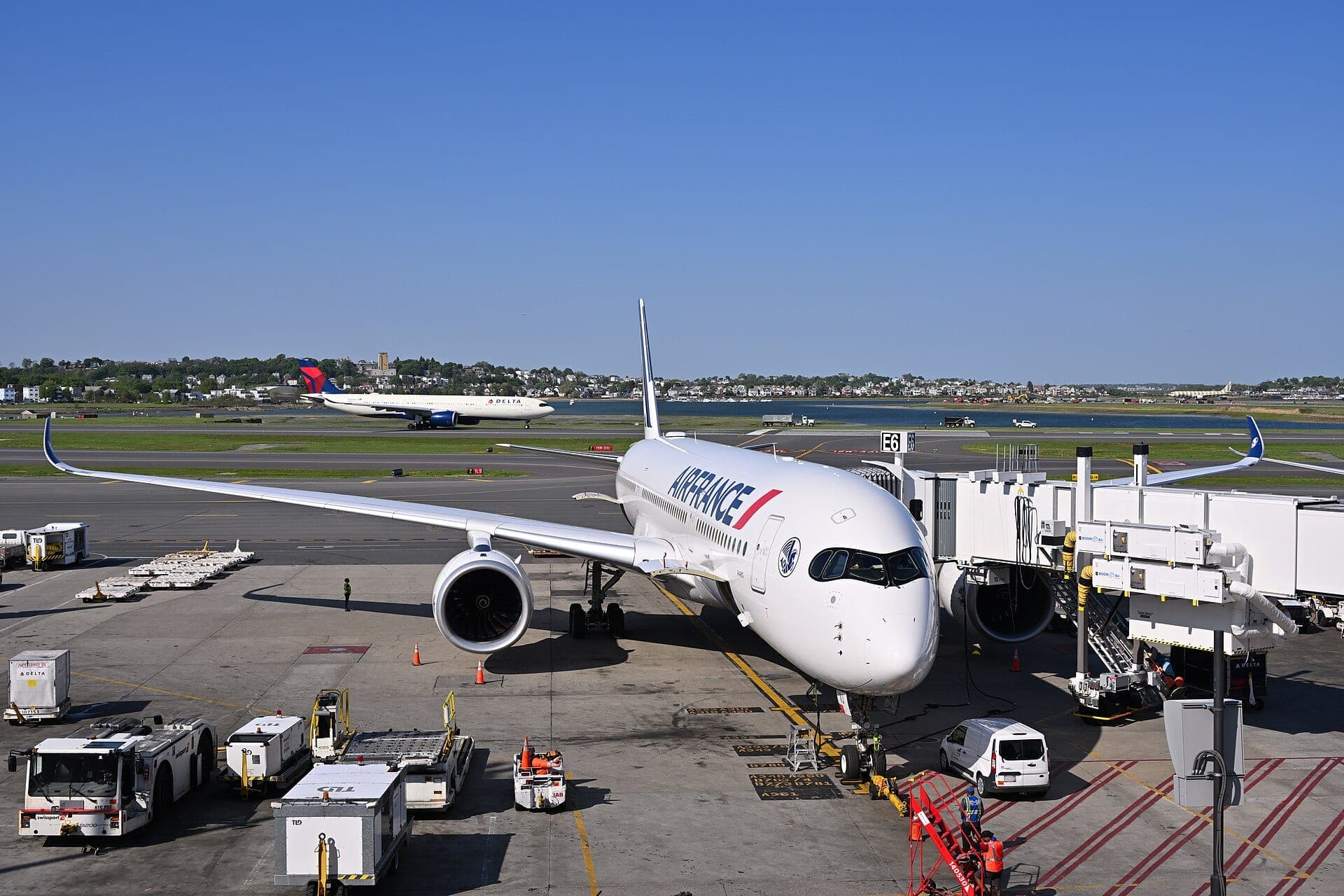
The A350 XWB, first flown on 14 June 2013, was Airbus's answer to the Boeing 787 and, in its larger form, to the 777, a carbon-fibre wide-body designed after the company's first answer, a re-winged A330, was rejected by the airlines it was meant for. And in 2018 Airbus acquired Bombardier's C Series for a nominal sum, renamed it the A220, and filled the one gap in its range below the A320.
Defence
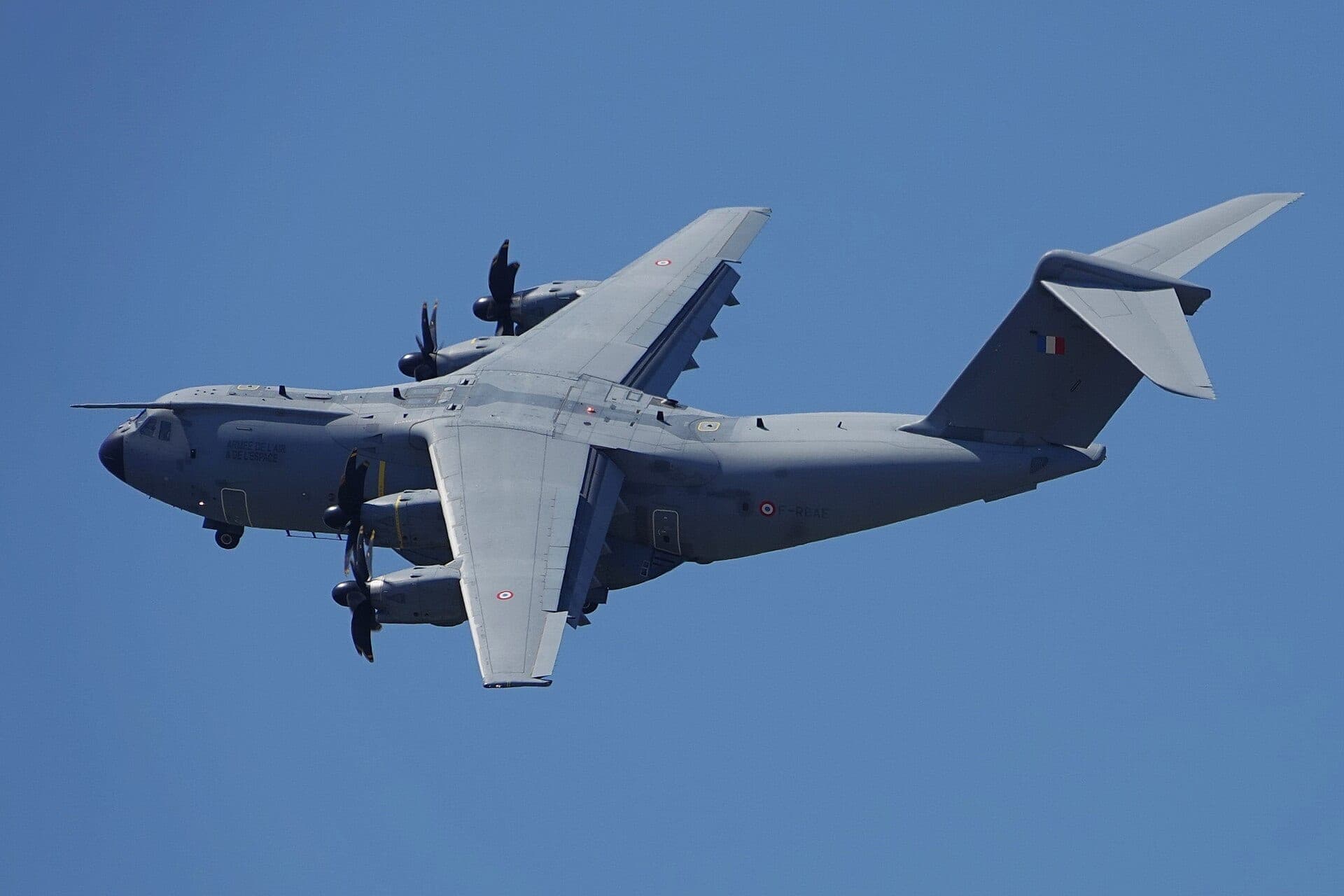
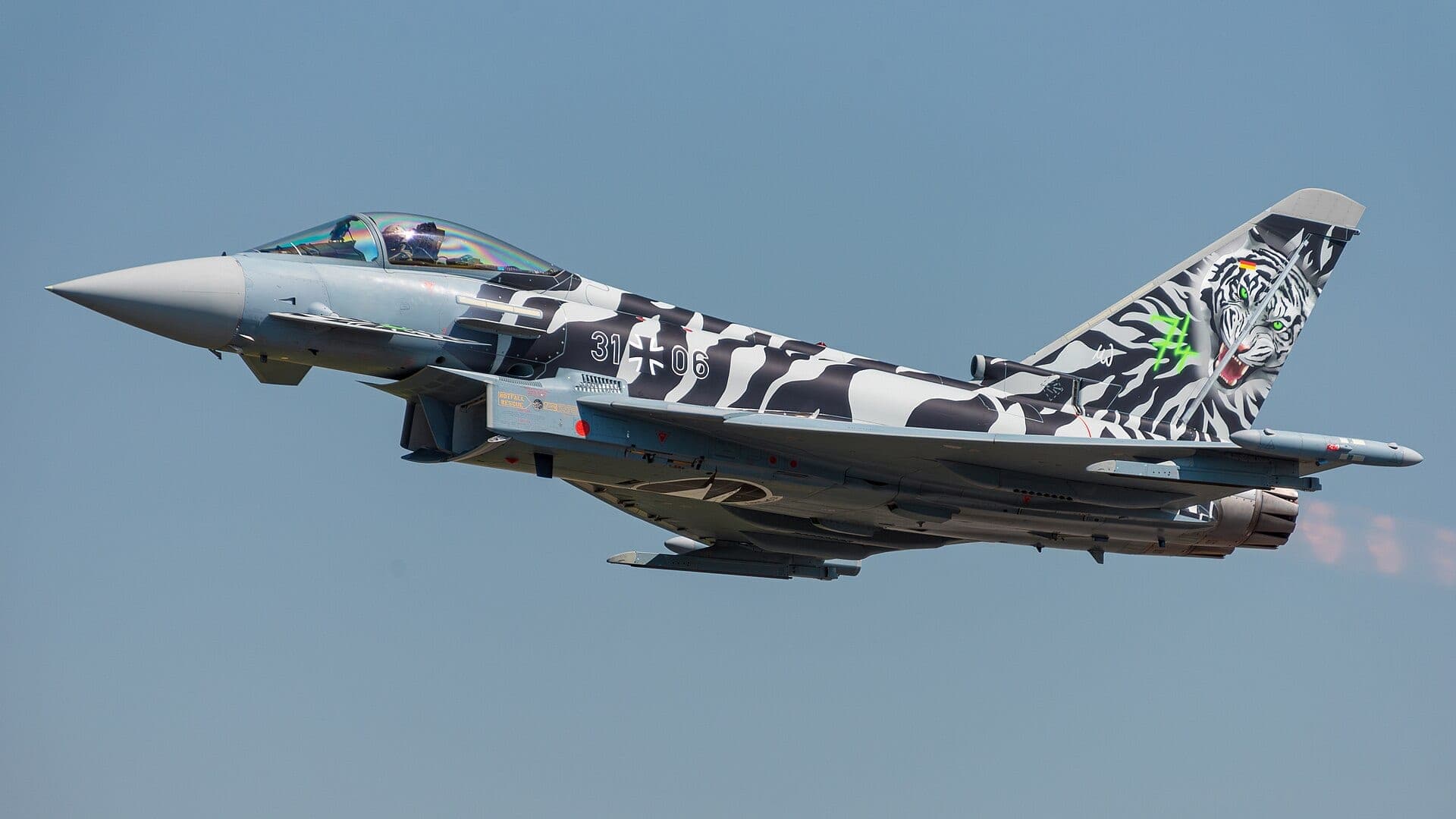
Airbus Defence and Space is the part of the group most shaped by the states that own it. It inherited the military aircraft of Germany's Dornier and MBB, Spain's CASA and France's Matra, and its catalogue reads like a list of European co-operation programmes: the German and Spanish share of the Eurofighter Typhoon, the A400M Atlas airlifter, the A330 MRTT tanker, and a large part of Europe's work on satellites and launchers. In the 2025 financial year the division reported revenue of €13.4 billion.
The A400M is its defining programme, for better and worse. Launched in 2003 for seven European nations, it was a four-engined turboprop airlifter meant to fill the gap between the C-130 and the C-17, with the largest turboprop engines ever built in the West. It was sold at a fixed price and flew three years late; its engine software, its gearbox and its fixed-price contract together cost Airbus several billion euros in charges, and the launch nations renegotiated the contract twice. In service it has done what it was built for, from humanitarian airlifts to the evacuation of Kabul in 2021.
The A330 MRTT has been the more straightforward success: an airliner converted into a tanker and transport, it has won most of the export tanker competitions it has entered outside the United States, including in Britain, France, Australia and much of the Middle East. In the United States the same aircraft, bid with Northrop Grumman, won the Air Force tanker contract in 2008 before the award was overturned on protest and the contract went to Boeing's KC-46.
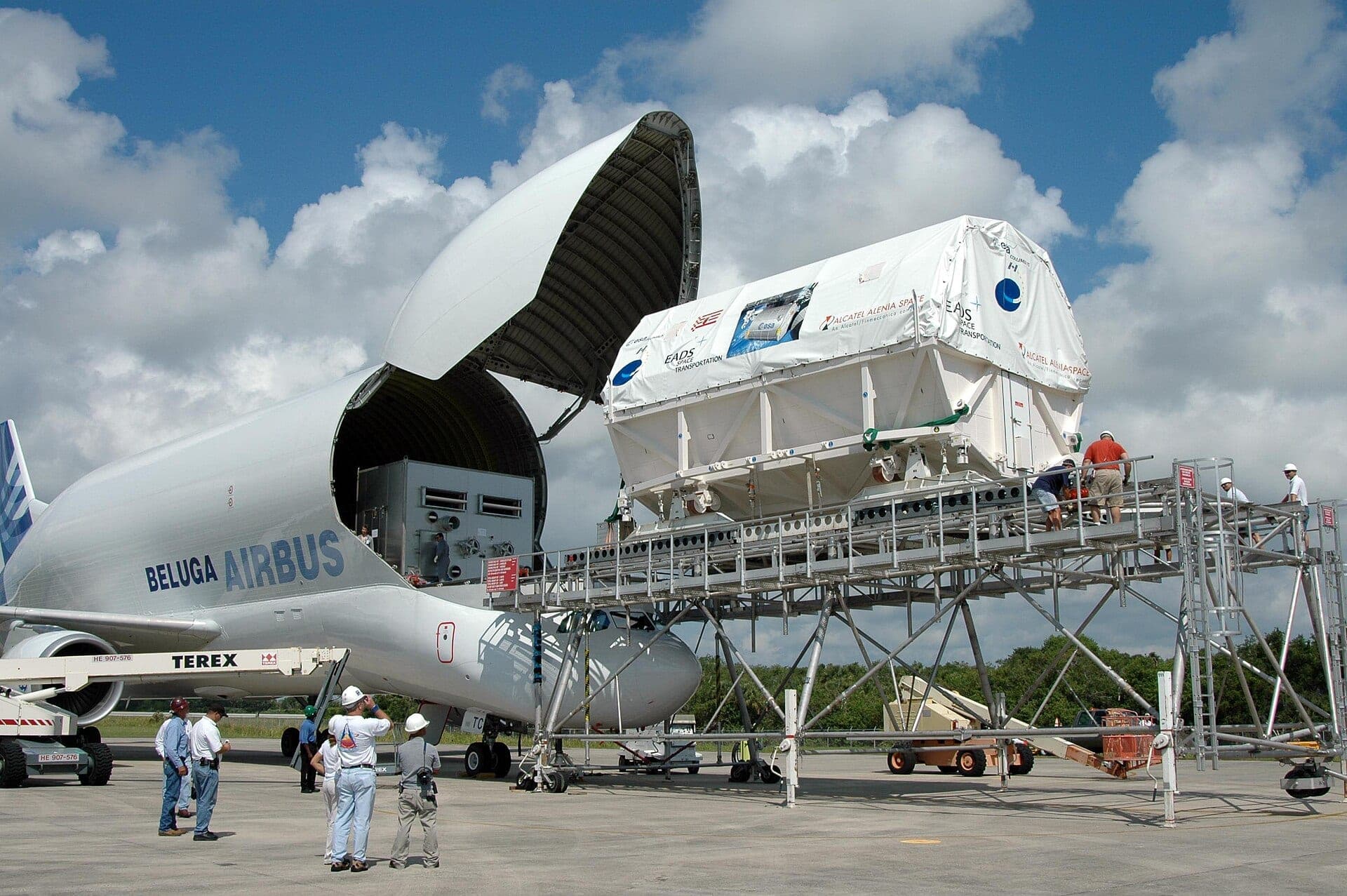
Much of the division's future is in space rather than in the air. Airbus builds telecommunications and Earth-observation satellites in Toulouse, Stevenage and Friedrichshafen, built the Columbus laboratory on the International Space Station and the service module of NASA's Orion capsule, and owns half of ArianeGroup, the maker of Europe's Ariane 6 launcher.
Helicopters
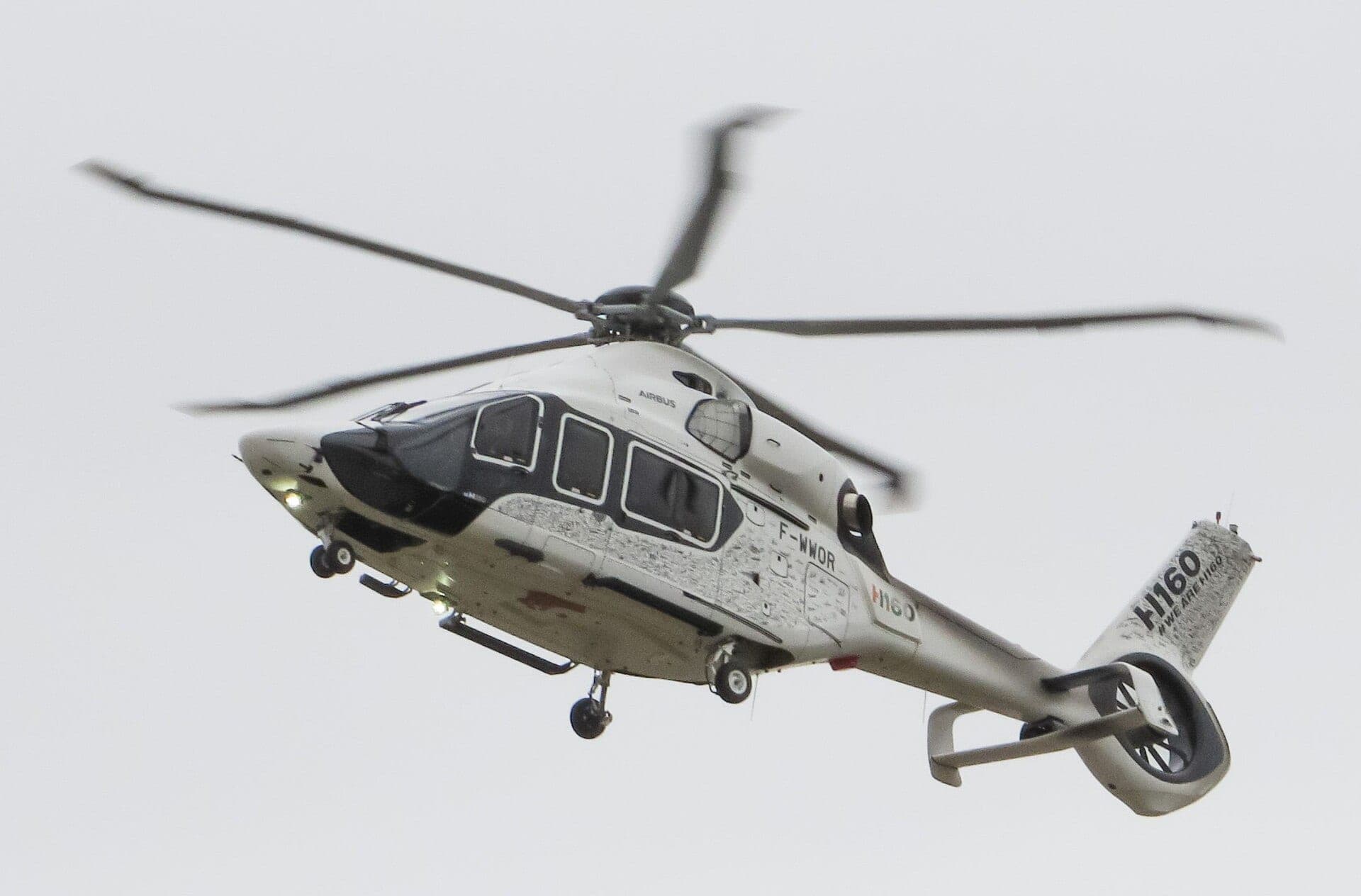
Airbus Helicopters is the world's largest helicopter manufacturer by turnover, and it is older than Airbus. Its roots are in Sud-Aviation's Alouette II of 1955, the first helicopter powered by a gas turbine, and in the line of French rotorcraft that followed it, the Alouette III, the Puma, the Dauphin and the Écureuil. In 1992 Aérospatiale's helicopter business merged with Germany's MBB to form Eurocopter, which became part of EADS and was renamed Airbus Helicopters in 2014.
Its signature is the Fenestron, the shrouded tail rotor that Sud-Aviation introduced on the Gazelle in the late 1960s: a many-bladed fan set inside the tail fin, quieter and far safer on the ground than an open rotor. Its commercial foundation is the Écureuil, now the H125: a light single-engine helicopter that has become the default machine for utility, tourism and mountain rescue work around the world, and one of the few aircraft to have landed on the summit of Everest.
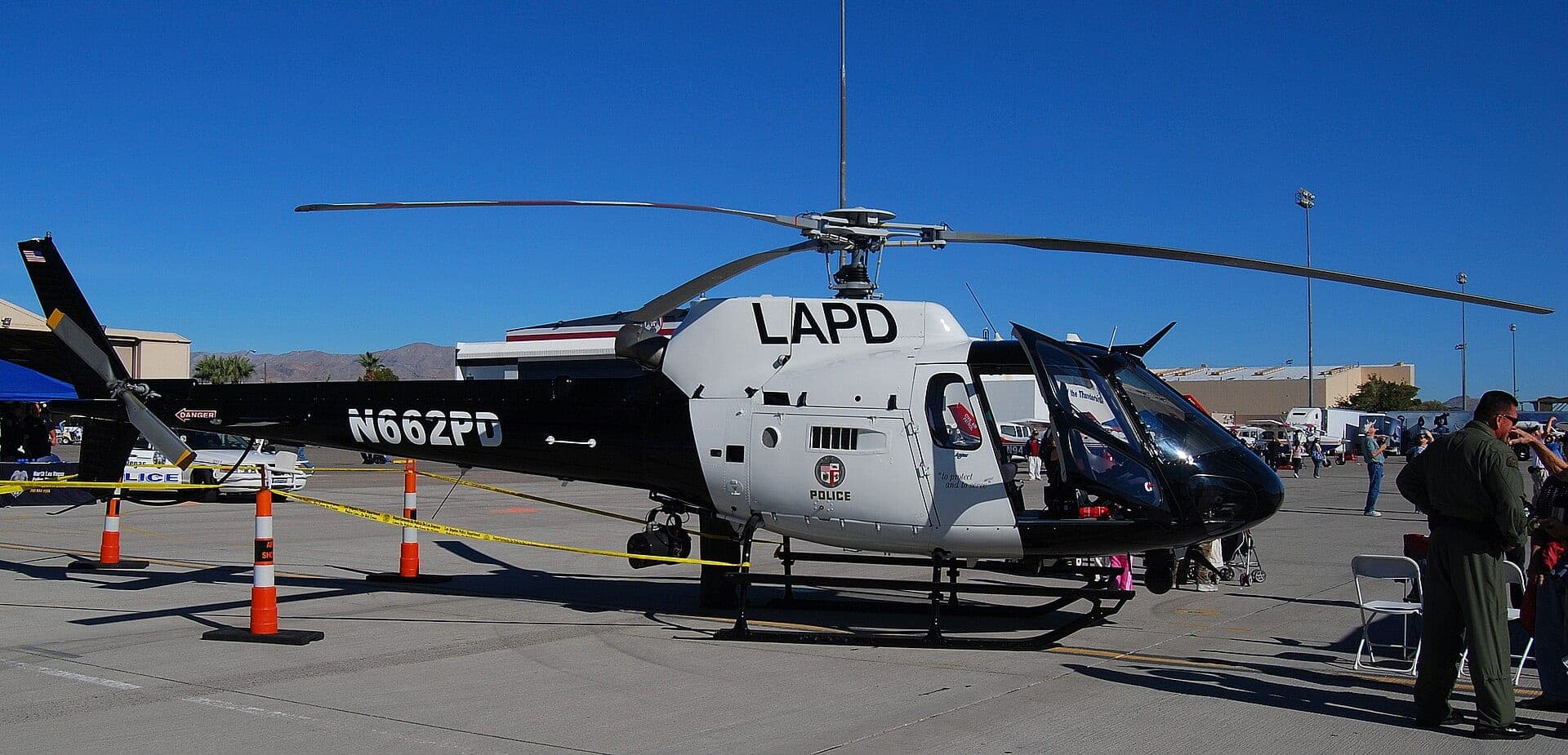
The product range now runs from the H125 to the H225 heavy twin and the NH90 military helicopter, built with Italian and Dutch partners. The H145 light twin has become a standard emergency medical helicopter in Europe and North America, and the H160 (a clean-sheet medium twin with a canted Fenestron, certified in 2020) is the division's first all-new design of the century.
In the 2025 financial year Airbus Helicopters reported revenue of €9.0 billion and delivered 392 helicopters. The division's main plants are at Marignane near Marseille, at Donauwörth in Bavaria, and at Albacete in Spain, with final assembly also carried out in the United States, Brazil and China.
Manufacturing
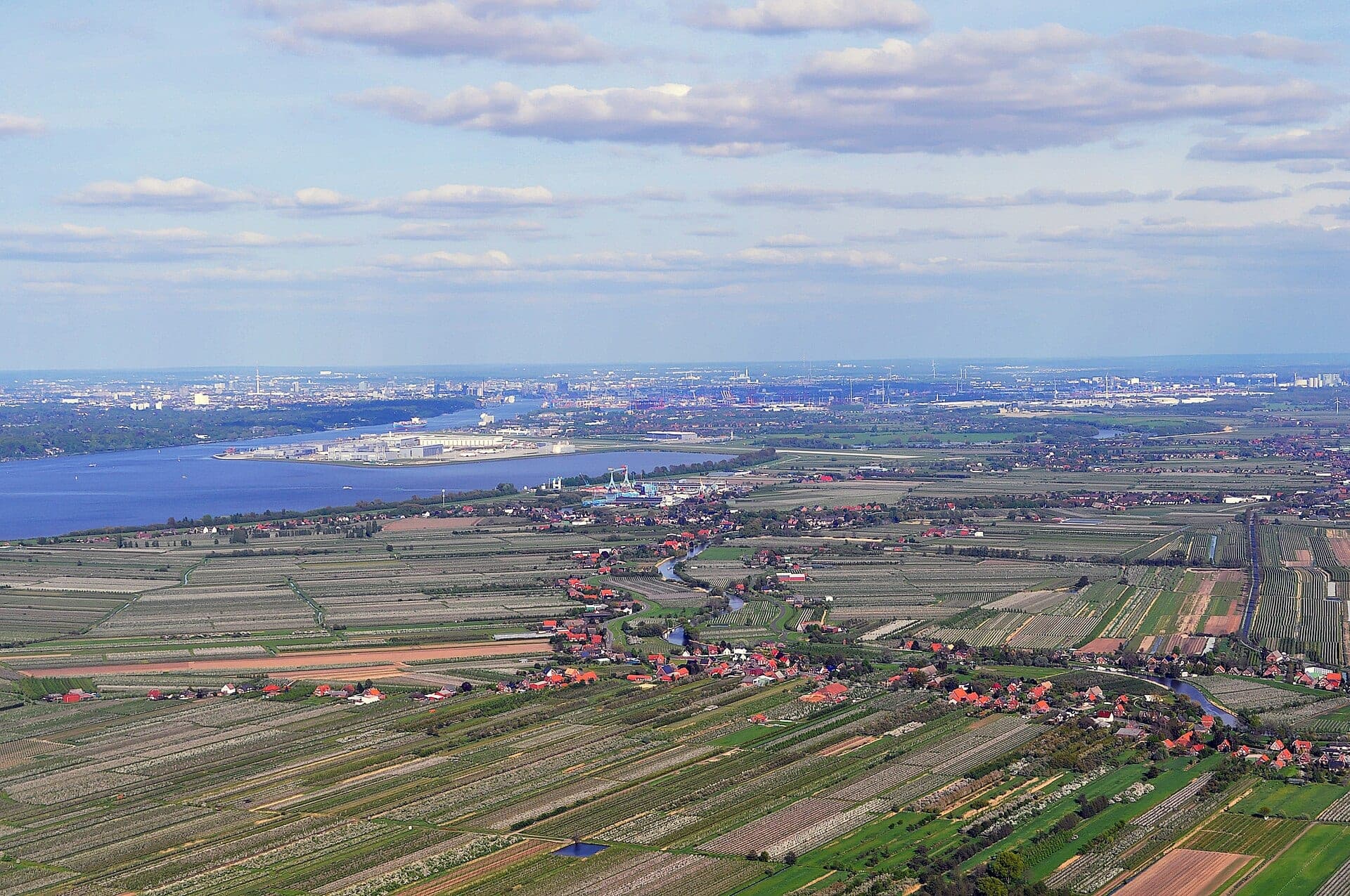
An Airbus is not built in one place, and the reason is political before it is industrial. The consortium's founding bargain was that each nation's share of the work would roughly match its share of the investment, so the aircraft was divided along national lines: wings in Britain, forward and rear fuselage in Germany, the nose, centre section and final assembly in France, the tailplane in Spain. Fifty years later that map is still largely intact, and it defines the company's geography more than any decision about efficiency ever has.
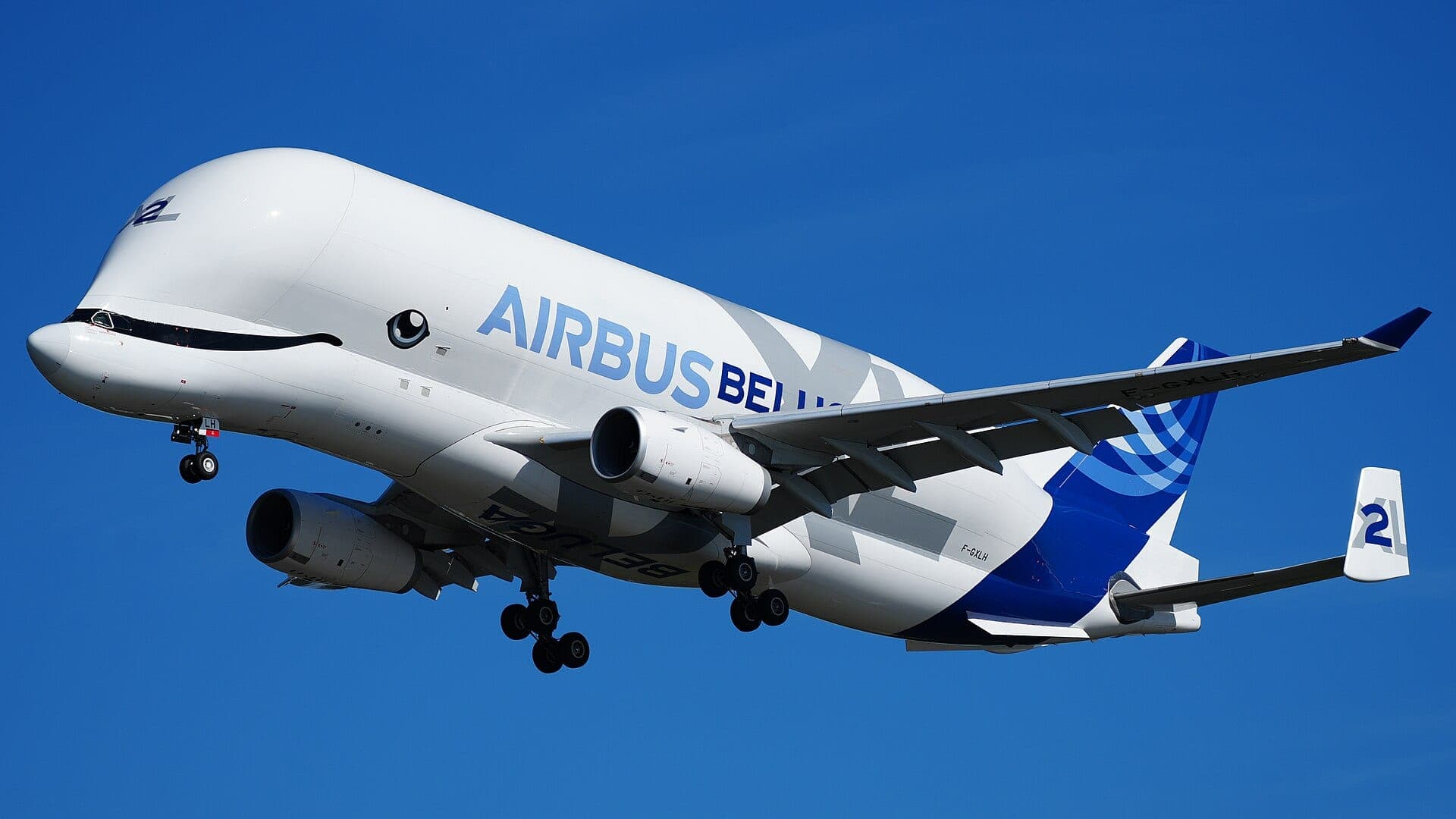
A divided aircraft has to be reunited, and sections the size of a house cannot travel by road. For its first two decades Airbus flew them between plants in Super Guppies, converted Boeing Stratocruisers, a European manufacturer delivering its parts in American aircraft. From 1995 the A300-600ST Beluga took over, and since 2020 the larger BelugaXL, built on an A330 airframe, carries a pair of A350 wings at once. The whale-shaped freighters are the most visible consequence of the work-share: an airline in the sky above Toulouse and Hamburg that exists only because Airbus is four countries.
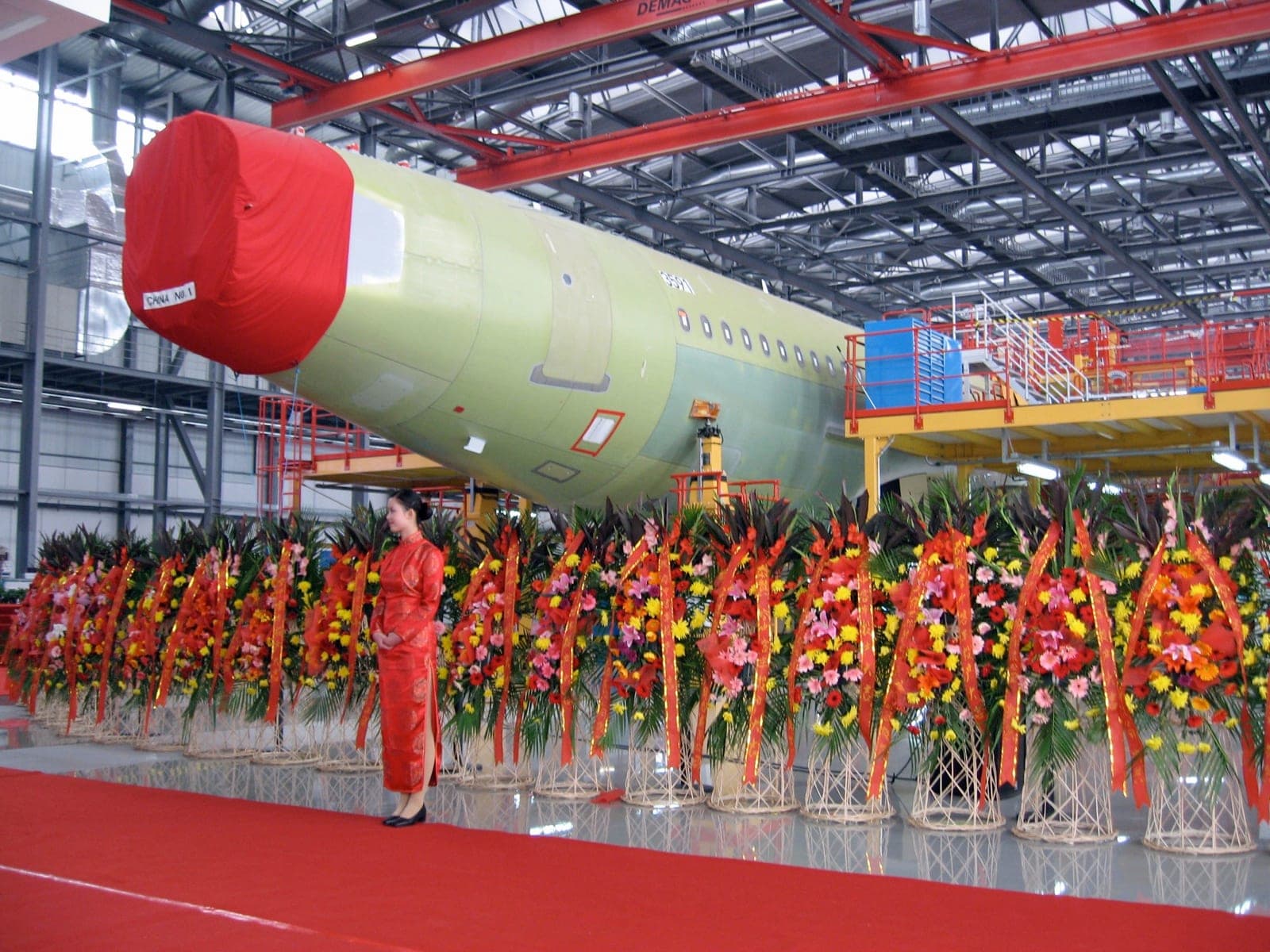
Final assembly follows the same logic at a larger scale. Toulouse assembles the A320 family, the A330 and the A350; Hamburg-Finkenwerder, across the Elbe from the city, has four A320-family lines and the cabin outfitting that goes with them. The first line outside Europe opened at Tianjin in China in 2008, as part of the price of access to the Chinese market. The second opened at Mobile, Alabama, in 2015, an answer to American tariffs and politics that a factory in Europe could not give, and builds A220s as well as A320s for customers in the United States.
The system is resilient and expensive. It lets Airbus survive the loss of a plant, a supplier or a national government's goodwill, and it lets four countries each call Airbus their own. It also means that a single airliner's parts may cross the Channel, the Rhine and the Pyrenees before they fly, and that production rate increases depend on the slowest national plant rather than the fastest.
Workforce
Airbus employed 165,294 people at the end of 2025. Most of them work in the four founding countries, with France and Germany the two largest by a wide margin, and the shape of the workforce still follows the work-share: engineers and assemblers in Toulouse, cabin and fuselage specialists in Hamburg, wing builders in Broughton and Filton, composite and tailplane workers in Getafe and Illescas.
Running a company in four labour-law systems has its own politics. Restructuring at Airbus has repeatedly meant negotiating plant by plant and government by government; the Power8 programme of 2007, which followed the A380 crisis, sold or spun off several national sites and was fought over in every capital. During the pandemic in 2020, when deliveries fell by a third, Airbus announced some 15,000 job cuts across its airliner business and then relied heavily on state-funded short-time working schemes in France and Germany to avoid most of them.
The operating culture is shaped by the same history. The company's working language is English, a neutral choice between French and German; its engineering standards were for decades a negotiated blend of the partners' own. Guillaume Faury, chief executive since April 2019, is the first to have spent most of his career inside Airbus's integrated structure rather than in one of its national parents.
The constraint on the company today is not people or demand but supply. Airbus has spent the years since 2022 trying to raise A320-family production towards 75 aircraft a month, and has been held back repeatedly by engine and component shortages at suppliers rather than by its own lines.
Competition
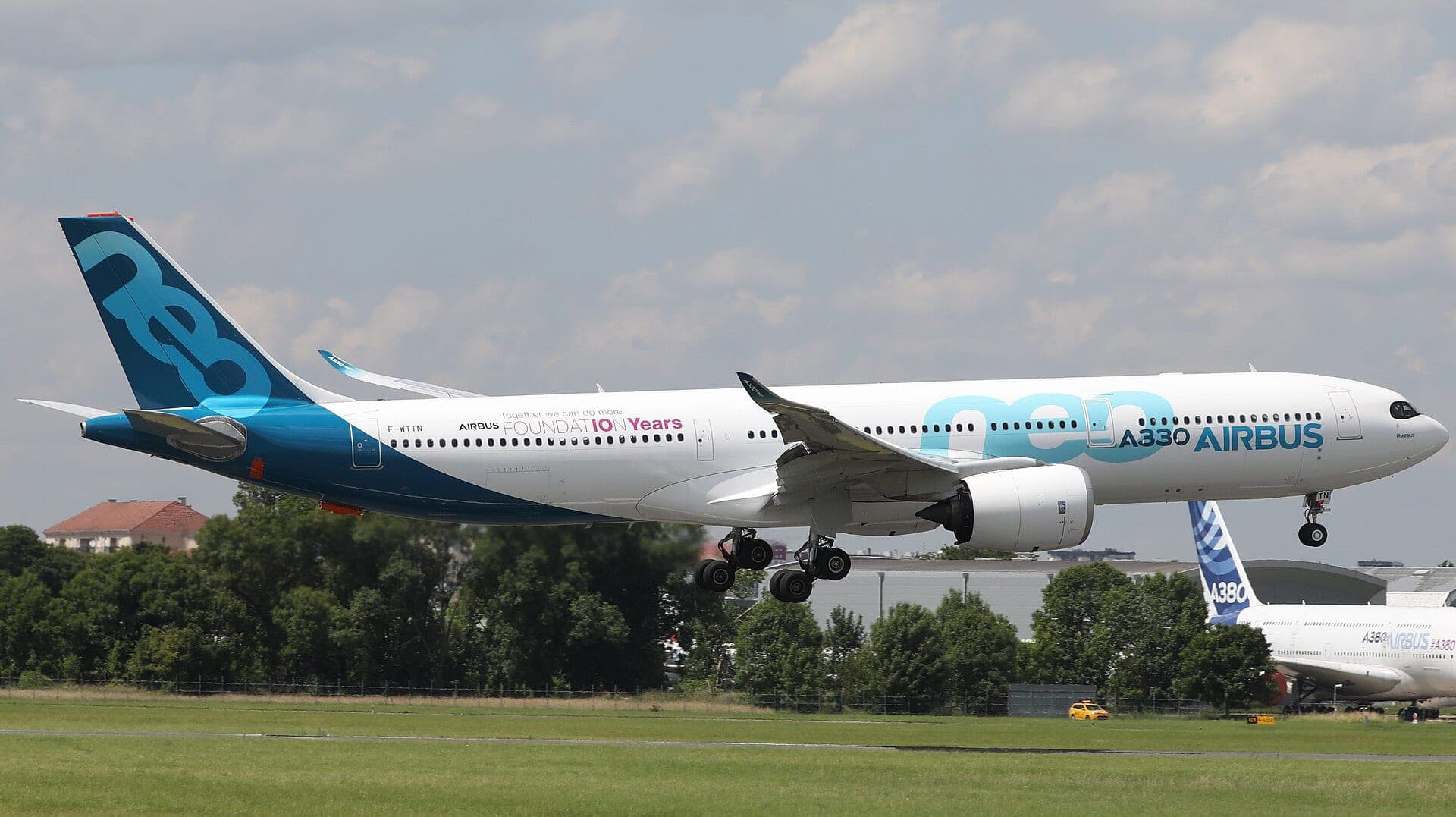
Since Boeing absorbed McDonnell Douglas in 1997, large airliners have come from two companies, and the rivalry between them is the organising fact of the industry. Airbus first delivered more aircraft than Boeing in 2003. Since 2019, when the 737 MAX was grounded, it has led every year, and in 2025 it delivered 793 aircraft against Boeing's 600. The contest is closest in orders, which swing with airline cycles and single campaigns, and least close in single-aisle deliveries, where the A320neo family has outsold the MAX for a decade.
The two companies answered the same questions differently. On very large aircraft, Airbus built the A380 and lost; Boeing built the 787 and won. On single-aisles, Boeing re-engined the 737 and Airbus re-engined the A320: but the A320's higher wing left room for larger engines without moving them, and Airbus did not need the software that compensated for the MAX's changed handling. On long-haul twins the A350 and the 787 and 777X now share the market more evenly than any other segment.
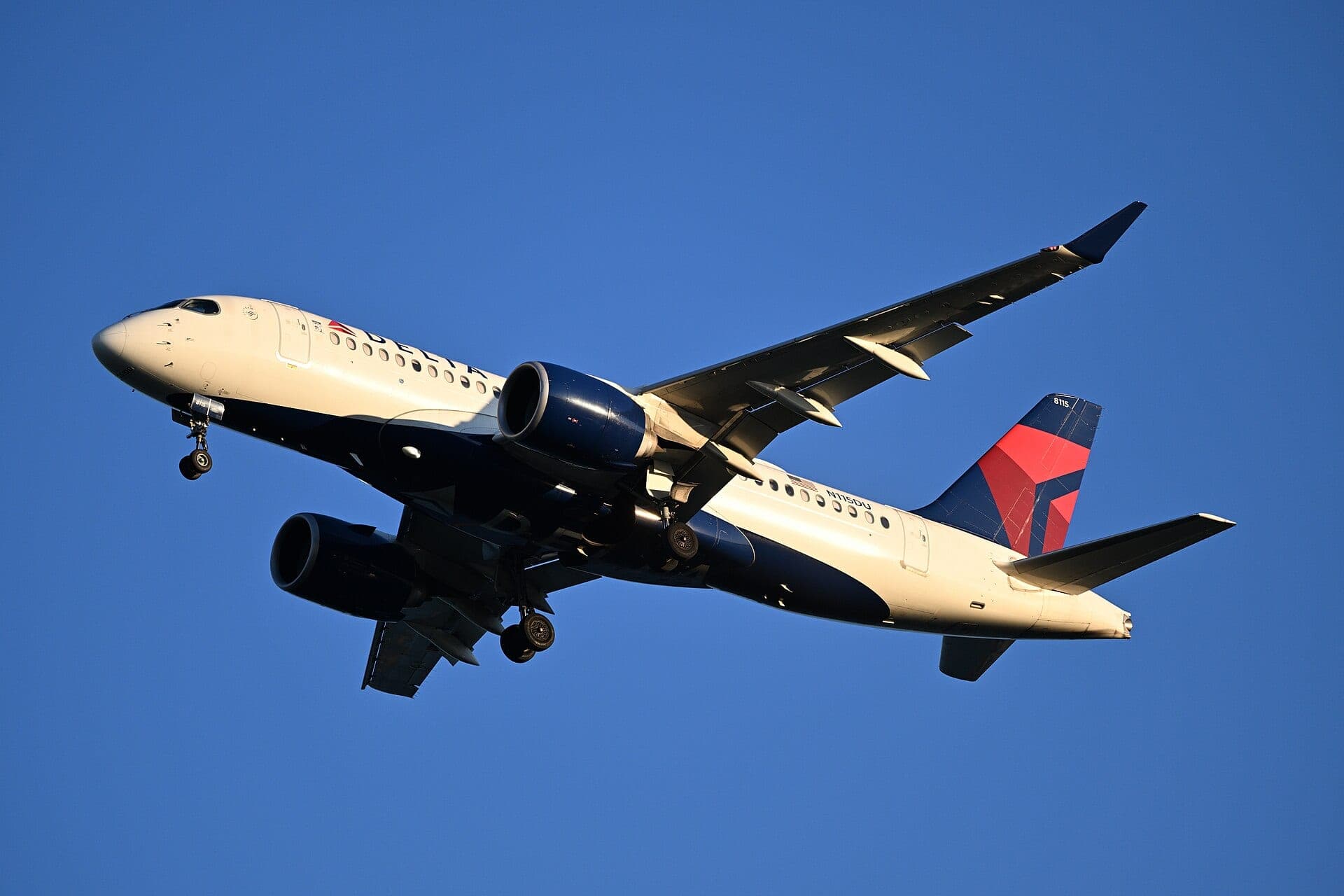
For seventeen years the rivalry was also a legal case. In 2004 the United States brought a complaint at the World Trade Organization against the European Union over "launch aid": repayable government loans that had financed every Airbus programme since the A300. The European Union answered within months with a complaint against American support for Boeing, through NASA and defence research, and state tax breaks in Washington. It became the largest dispute in the WTO's history. The Appellate Body found against both sides: European launch aid for the A380 and A350 was a prohibited subsidy, and so were parts of the Washington tax regime.
In 2019 the WTO authorised the United States to impose tariffs on $7.5 billion of European goods a year, the largest award it has made; in 2020 it authorised the European Union to retaliate on $4 billion of American goods. Both sides imposed them (on aircraft, but also on wine, cheese and whisky) before agreeing in June 2021 to suspend the tariffs for five years while they negotiated. The dispute was never judged won; it was set aside.
Mergers and ownership
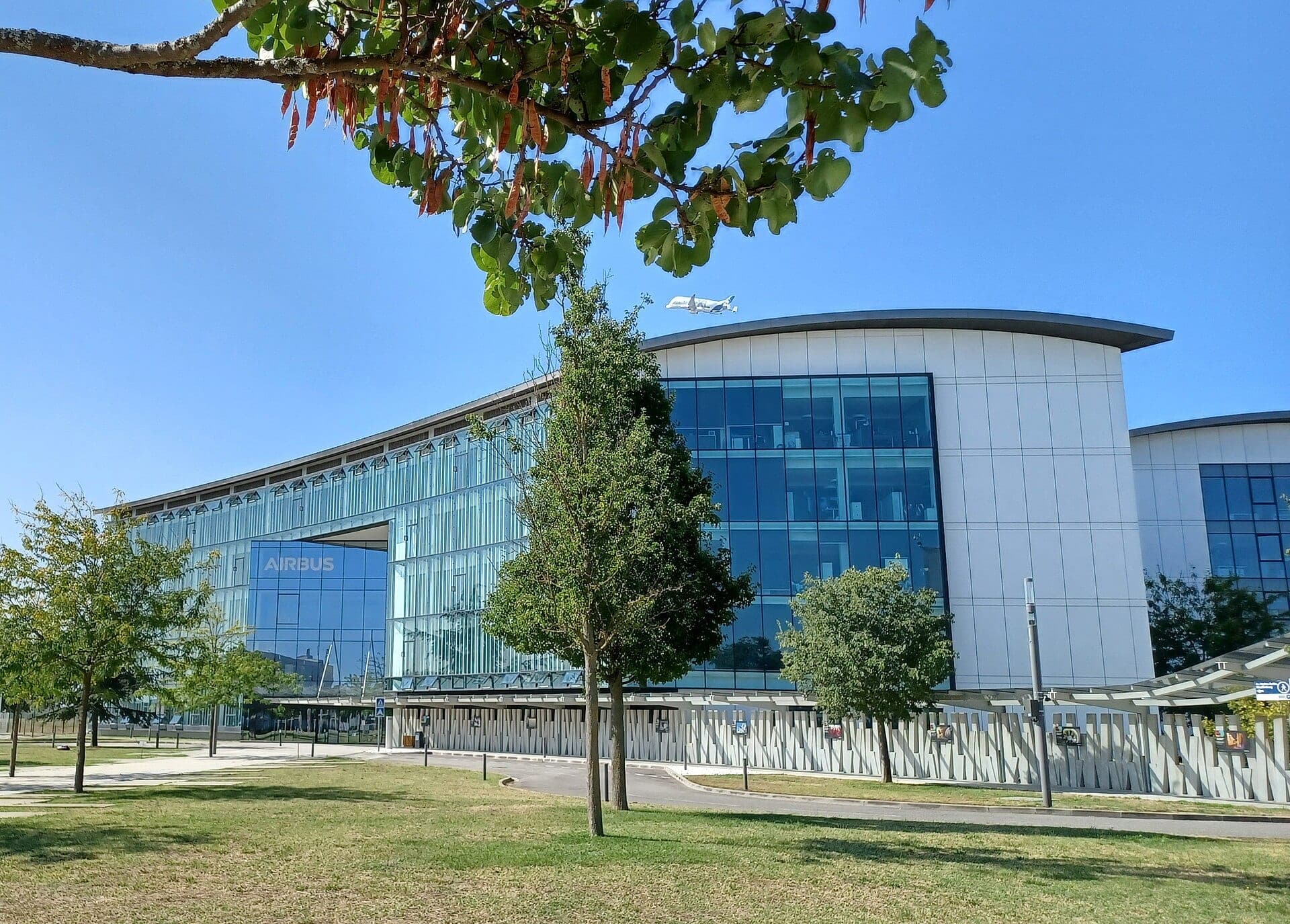
For thirty years Airbus Industrie had no idea whether it made money. The GIE sold aircraft, but the costs sat in the books of the partners, each of which built its share at a transfer price negotiated with the others and none of which wanted to disclose what its parts really cost. By the late 1990s that arrangement was an obstacle: a consortium cannot raise capital, cannot price a new programme honestly and cannot be run by a chief executive whose members each answer to a different government.
The partners dissolved it in two steps. In July 2000 France's Aérospatiale-Matra, Germany's DaimlerChrysler Aerospace and Spain's CASA merged into the European Aeronautic Defence and Space Company, EADS, which held 80 per cent of Airbus; BAE Systems held the remaining 20. On 1 January 2001 Airbus Industrie was converted into Airbus SAS, a single company with its own balance sheet, and for the first time the business had a set of accounts that described it. BAE sold its share to EADS in 2006.
The integrated company still carried its origins. EADS was run for years by pairs of French and German co-chairmen and co-chief executives, a balance that the A380 crisis exposed as a way of managing national interest rather than a company. A governance reform in 2013 reduced the states' formal control, and on 2 January 2014 EADS reorganised itself as Airbus Group, with three divisions (commercial aircraft, defence and space, and helicopters) in place of a federation of national businesses. In 2017 the group merged with its own airliner subsidiary and became simply Airbus SE.
The states did not leave. France and Germany each hold just under 11 per cent, and Spain about 4 per cent, through agreements that keep their stakes in balance. The company is registered in the Netherlands, a neutral jurisdiction chosen so that no partner's law would govern the others, and run from Toulouse, where its executive, its largest assembly halls and its history are.
Setbacks
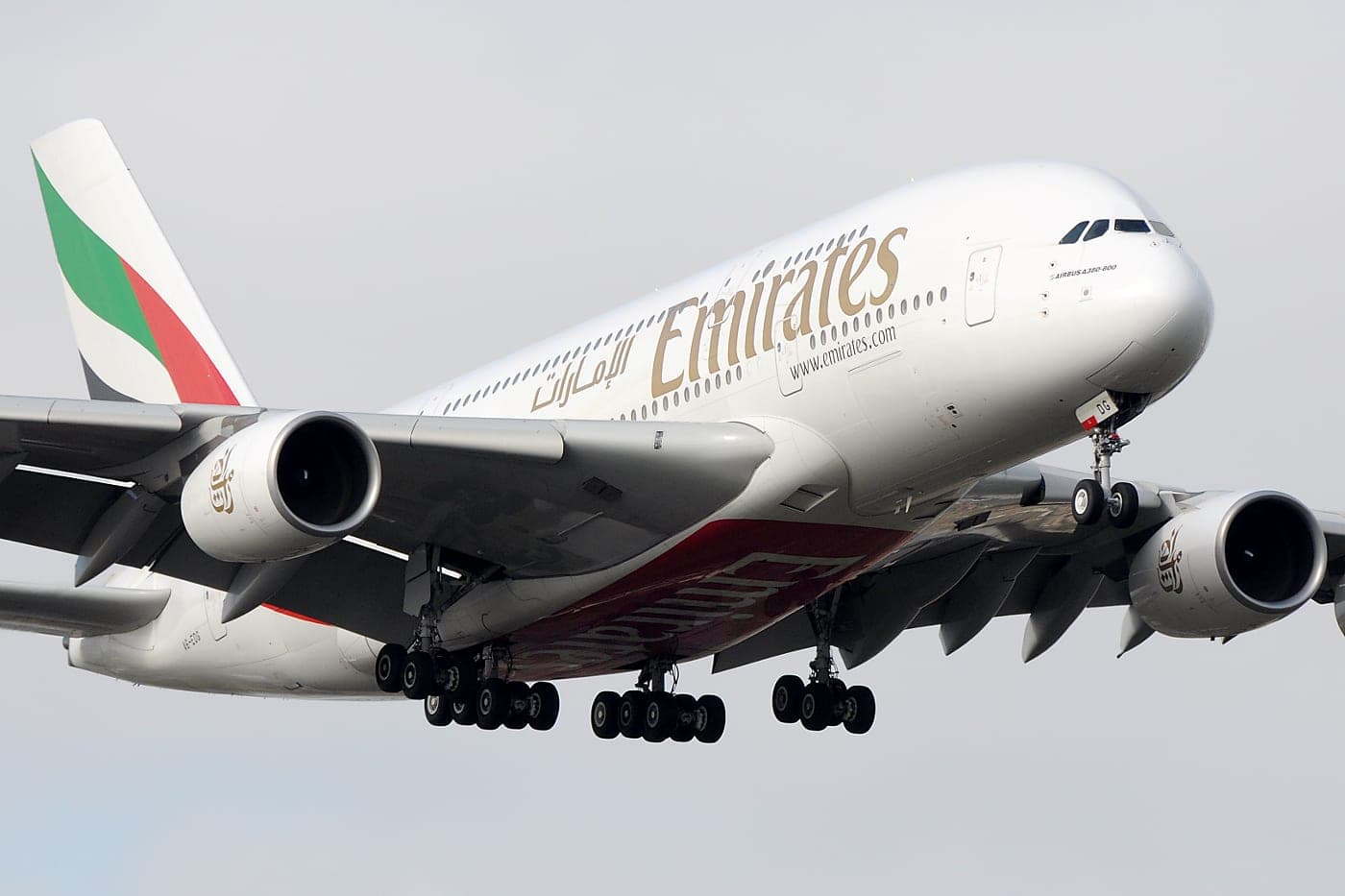
The A380 was Airbus's attempt to end the one monopoly Boeing still held. For thirty years the 747 had been the only very large airliner in the world, and the profits from it had subsidised everything else Boeing did. Airbus launched the A380 in December 2000 on the bet that the future of long-haul travel lay in hubs: that congestion at the great airports would force airlines to carry more people per take-off slot, and that the aircraft to do it would need more than 500 seats on two full decks.
It first flew from Toulouse on 27 April 2005, and then the programme nearly broke the company. The cabin wiring, more than 270 nm of it per aircraft, was designed in Hamburg and Toulouse on different versions of the same design software, and harnesses built in Germany did not fit airframes assembled in France. Deliveries slipped by two years, the parent company's share price fell by a quarter in a day in June 2006, and both the Airbus and the EADS chief executives were gone within weeks. Singapore Airlines finally flew the first commercial A380 in October 2007.
Passengers loved it and airlines mostly did not. The aircraft was quiet, spacious and efficient per seat when full, but very few routes could fill it every day, and the Boeing 787 and Airbus's own A350 let airlines fly smaller aircraft directly between secondary cities rather than funnelling passengers through hubs. Emirates, which took almost half of all A380s built, kept the programme alive almost single-handed.
On 14 February 2019, after Emirates reduced its final order, Airbus announced that A380 production would end. The last aircraft was delivered to Emirates in December 2021. Two hundred and fifty-one were built against a business case that had assumed some seven hundred; the development cost, estimated at more than €25 billion, was never recovered. The industry's argument about hubs versus point-to-point had been settled, and Airbus had lost it to its own A350 as much as to Boeing.
Legacy
Airbus's first achievement is simply that it exists. Every earlier European attempt at a large airliner (the Comet, the Caravelle, the Mercure, Concorde) was a technical success and an industrial dead end. Airbus is the one that became a permanent industry, and it did so by solving a political problem, how four countries could share one aircraft, before it solved any engineering one.
Its second is technical. Fly-by-wire with flight-envelope protection, introduced to airline service on the A320 in 1988, is now the norm for every new airliner, including Boeing's. The common cockpit across a family of aircraft changed how airlines train and roster pilots. The two-crew wide-body, the twin-engined wide-body and the carbon-fibre airliner were all either pioneered or proved at scale by Airbus.
Set against that is the A380, the most ambitious programme in its history and a commercial failure; the A400M, delivered years late at great cost; and a subsidy dispute in which the World Trade Organization found that European governments had given the company prohibited support. Airbus was built on state money, and it would not exist without it. Those facts belong on the same page as the A320.
What FLYPEDIA can say plainly is that Airbus is now the larger of the two manufacturers by deliveries and by backlog, and that its challenge is not selling aircraft but building the ones already sold. Read the aeroplanes alongside this entry: FLYPEDIA's Airbus A380 entry carries that type's history in full, and the Boeing entry tells the other half of the story.
Products
Programmes the company has built or is building. Entries that exist elsewhere in FLYPEDIA are linked.
Airliners
- Airbus A300Out of productionFirst flight 1972 · 561 built (2007)
The world's first twin-engined widebody, and the aircraft the consortium existed to build.
- Airbus A310Out of productionFirst flight 1982
A shortened, re-winged A300 with a two-crew glass cockpit.
- Airbus A320 familyIn productionFirst flight 1987
The first airliner with digital fly-by-wire controls and a sidestick, and since 2019 the best-selling airliner in history.
- Airbus A330In productionFirst flight 1992
The twin-engined half of a twin/quad pair sharing one wing and one flight deck; re-engined as the A330neo in 2017.
- Airbus A340Out of productionFirst flight 1991 · 377 built (2012)
The four-engined long-range half of the pair, ended in 2011 once twins were allowed to fly the same routes.
The largest passenger aircraft ever built, and the programme whose end in 2021 settled the industry's argument about hubs.
- Airbus A350In productionFirst flight 2013
Carbon-fibre widebody built as the answer to the Boeing 787 and the 777.
- Airbus A220In productionFirst flight 2013
The Bombardier C Series, taken over in 2018 and built at Mirabel and Mobile.
Freighters
- Beluga ST / Beluga XLIn productionFirst flight 1994
The outsize freighters that carry the consortium's own sections between its national plants: the aircraft the work-share made necessary.
Military aircraft
- Airbus A400M AtlasIn productionFirst flight 2009
Four-engined turboprop military airlifter for seven European launch nations.
- Airbus A330 MRTTIn productionFirst flight 2007
Tanker and transport conversion of the A330, and the KC-46's rival in export competitions.
- Eurofighter TyphoonIn productionFirst flight 1994
Four-nation combat aircraft in which Airbus holds the German and Spanish share.
Rotorcraft
- Airbus H125In productionFirst flight 1974
The Écureuil line, the most widely used light single-engine helicopter in the world.
- Airbus H145In productionFirst flight 1999
Light twin used for emergency medical services, police and offshore work.
- Airbus H160In productionFirst flight 2015
A clean-sheet medium twin with a canted Fenestron tail rotor, certified in 2020.
- NHIndustries NH90In productionFirst flight 1995
European military helicopter built through a consortium in which Airbus Helicopters is the largest partner.
Space
- Ariane 6In productionFirst flight 2024
Europe's heavy launcher, built by ArianeGroup, the joint venture Airbus owns with Safran.
- Columbus moduleOut of productionFirst flight 2008
Europe's laboratory on the International Space Station, built in Bremen.
Divisions
- Airbus Commercial Aircraft
€52.6B
financial year 2025
Airliners from 100 to more than 400 seats (the A220, A320 family, A330, A350) and the services attached to them.
- Airbus Defence and Space
€13.4B
financial year 2025
Military aircraft, satellites, launchers and secure communications: the A400M, the A330 MRTT, the Eurofighter share and Europe's largest space business.
- Airbus Helicopters
€9B
financial year 2025
Civil and military rotorcraft (the H125, H145, H160 and NH90) and the world's largest helicopter manufacturer by turnover.
Sites
- Toulouse-Blagnac
Toulouse, FranceSince 1970
Head office and the final assembly lines for the A320 family, the A330 and the A350, and, until 2021, the A380. The Jean-Luc Lagardère hall built for the A380 is now an A320 line.
- Hamburg-Finkenwerder
Hamburg, GermanySince 1970
The German centre of gravity: forward and rear fuselage sections, cabin outfitting and painting, and four A320-family final assembly lines.
- Broughton
Flintshire, Wales, United Kingdom
Wing manufacture for every Airbus airliner. The British work-share survived Britain's 1969 withdrawal from the programme, because Hawker Siddeley stayed in at its own risk.
- Getafe
Madrid, Spain
The Spanish share: horizontal tailplanes and composite structures, and the centre of Airbus Defence and Space's military aircraft work.
- Saint-Nazaire
Saint-Nazaire, France
Nose and centre fuselage sections, which travel to Toulouse and Hamburg by Beluga.
- Mobile
Mobile, Alabama, United StatesSince 2015
A320-family and A220 final assembly for the American market: the answer to a tariff and political exposure that a European-only footprint could not solve.
- Tianjin
Tianjin, ChinaSince 2008
The first Airbus final assembly line outside Europe, opened in 2008, assembling A320-family aircraft for Chinese customers; a second line followed.
- Marignane
Marignane, France
Airbus Helicopters' headquarters and main plant, inherited from Sud-Aviation and Aérospatiale.
- Mirabel
Mirabel, Quebec, CanadaSince 2018
The A220 line, acquired with the C Series programme from Bombardier in 2018.
Genealogy
How Airbus was assembled. Airbus Industrie was founded in 1970 by France's Aérospatiale and Germany's aircraft makers (MBB and VFW-Fokker, through Deutsche Airbus) with Spain's CASA joining in 1971 and British Aerospace in 1979. In 2000 the French, German and Spanish partners merged into EADS, and in 2001 the consortium became a single company, Airbus S.A.S., owned 80% by EADS and 20% by BAE Systems until 2006. The warm line is Airbus as readers know it; strictly, today's Airbus SE is EADS itself, renamed in 2014 and 2017.
Scroll to see the full diagram
Timeline
September 26, 1967
The tripartite agreement is signed
French, West German and British ministers agree to build a 300-seat airliner together, on condition that the airlines want it. Britain withdraws two years later.
December 18, 1970
Airbus Industrie is created as a GIE
A groupement d'intérêt économique, a French legal form with no share capital and no profit of its own, binds Aérospatiale and Deutsche Airbus. CASA joins in 1971 and Britain returns in 1979.
October 28, 1972
First flight of the A300B
May 1974
The A300 enters service with Air France
1978
Eastern Air Lines orders the A300
Four aircraft lent for six months turn into an order for twenty-three, and Airbus is a supplier to a major American carrier for the first time.
February 22, 1987
First flight of the A320
The first airliner flown by digital fly-by-wire and a sidestick, with flight-envelope protection built into the control laws.
October 25, 1991
First flight of the A340
January 1, 2001
Airbus Industrie becomes Airbus SAS
Thirty years of consortium accounting end: the partners transfer their assets to a single integrated company.
April 27, 2005
First flight of the A380
2006
The A380 wiring crisis
Incompatible versions of the design software between the French and German plants leave harnesses that do not fit. Delivery slips two years, the share price falls by a quarter, and both chief executives leave.
May 2011
A320neo launched and the A340 ended
June 14, 2013
First flight of the A350 XWB
January 2, 2014
EADS is restructured as Airbus Group
The holding company takes the name of its best-known product; three divisions replace a federation of national businesses. It becomes simply Airbus SE in 2017.
September 2015
The Mobile final assembly line opens
July 1, 2018
The C Series becomes the A220
February 14, 2019
The A380 programme is ended
Emirates cuts its order and Airbus announces the last deliveries for 2021. Two hundred and fifty-one were built against a business case of some seven hundred.
January 14, 2021
The A320 family passes the 737 in orders and deliveries
June 19, 2021
The BelugaXL enters service
December 31, 2025
A record year: 793 aircraft delivered
Deliveries of 793 commercial aircraft and a year-end backlog of 8,754 close the strongest year in the company's history.
- Airbus reports Full-Year (FY) 2025 results, Airbus
- Company history, Airbus
- A380: the end of an era, Airbus
- Aircraft Beluga XL, Airbus
- Airbus A300B, Musée Aeroscopia, Toulouse
- European Communities and Certain Member States — Measures Affecting Trade in Large Civil Aircraft (DS316), World Trade Organization
- United States — Measures Affecting Trade in Large Civil Aircraft (Second Complaint) (DS353), World Trade Organization
- Universal Registration Document 2025, Airbus SE
- Airbus delivers 793 commercial aircraft in 2025, Flight Global
- Airbus, Wikipedia
Checked September 9, 2026