Aircraft
Boeing 737
B737
The Boeing CompanyUnited States
- Role:
- Narrow-body airliner
- First flight:
- 1967
453kt
Cruise speed
3,548nm
Range
General
- Role:
- Narrow-body airliner
- Status:
- In production
Programme
- First flight:
- April 9, 1967
- Introduction:
- 1968
- Produced:
- 1967 to present
- Number built:
- 11,500
Crew & capacity
- Crew:
- 2
- Capacity:
- 210 passengers
Dimensions
- Length:
- 130 ft
- Height:
- 40 ft
- Wingspan:
- 118 ft
- Wing area:
- 1,376 ft²
Weights
- Empty weight:
- 99,362 lb
- Maximum takeoff weight:
- 181,200 lb
- Fuel capacity:
- 6,820 US gal
Powerplant
- Engine:
- 2 × CFM International LEAP-1B turbofans (737 MAX 8), each about 130 kN (29,300 lbf) thrust
Performance
- Maximum speed:
- 473 kt
- Ceiling:
- 41,010 ft
Price
- New in 1967:
- about $4.2M
- New, from:
- $121.6M
- Used market:
- $2M – $48M
As of 2026-09. See references.
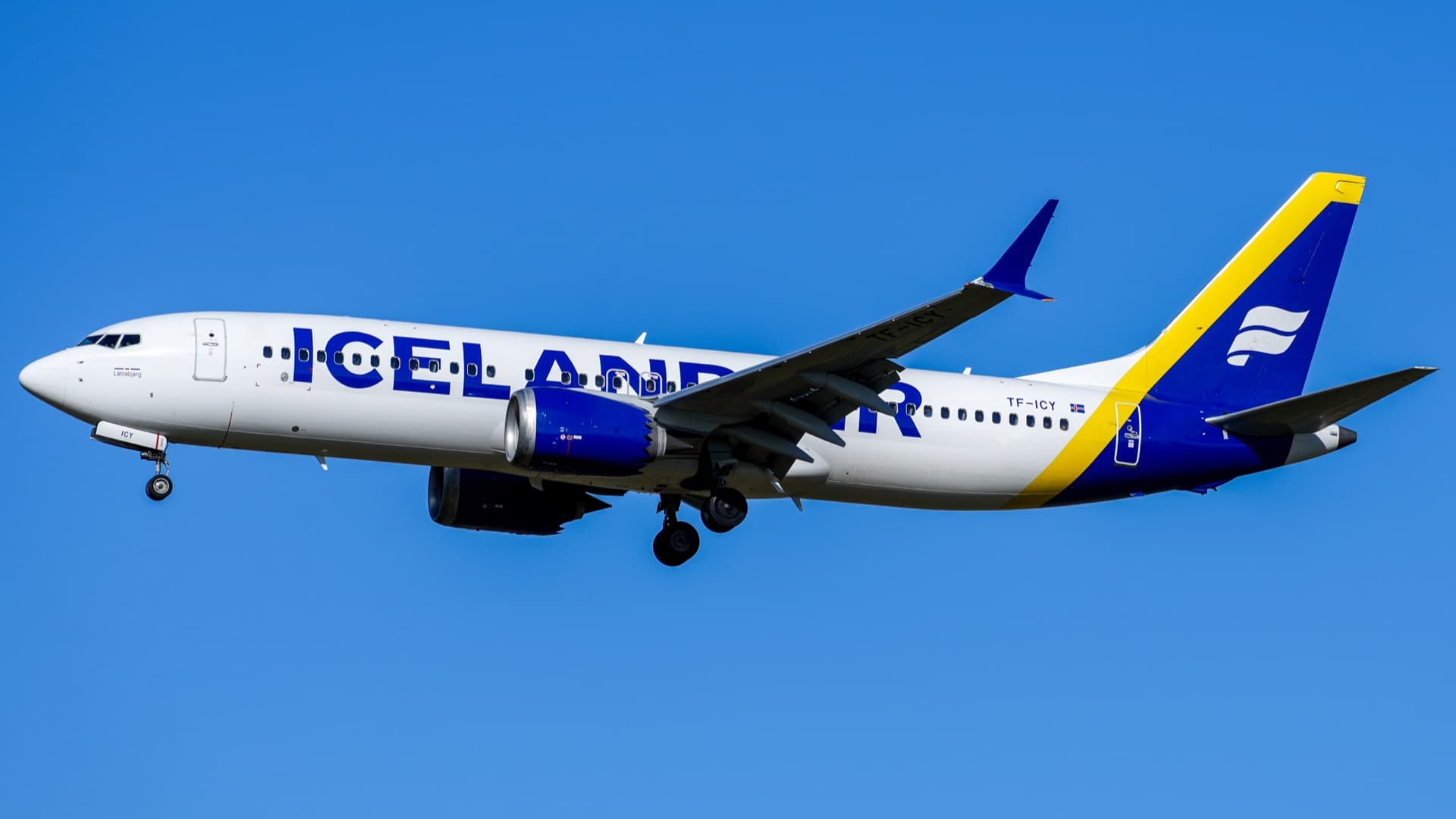
The Boeing 737 is a narrow-body, twin-engine airliner that has been in continuous production since 1967, making it the best-selling commercial jetliner in history. Conceived as a short-haul companion to the larger 707 and 727, it grew across four generations (Original, Classic, Next Generation and MAX) into the backbone of short- and medium-haul air travel worldwide, flown by hundreds of airlines and, in its MAX form, still in production today.
History
 Boeing 737-100
The 737 began as Boeing's answer to a market its rivals had already entered: the Douglas DC-9 and the BAC One-Eleven were both flying before Boeing committed to a short-haul jet of its own. Boeing's board approved the programme in February 1965, betting on a twin-engine design under the wing rather than the rear-mounted engines its competitors had chosen, and on a fuselage cross-section wide enough to share tooling and cabin fittings with the 707 and 727. Deutsche Lufthansa became launch customer with an order for twenty-two aircraft, the only time a non-US airline had launched a Boeing jetliner, and insisted on changes, including uprated engines and a stretched cabin, that shaped the production 737-100 and its immediate successor, the longer 737-200.
The prototype first flew on 9 April 1967, and Lufthansa put the type into scheduled service in February 1968. Early sales were sluggish enough that Boeing considered cancelling the programme in the early 1970s, when a company-wide downturn forced deep layoffs in Seattle; the 737 survived on the strength of the 737-200 Advanced and a slow build-up of orders through the decade that followed.
Boeing re-engined the aircraft for the 1980s as the 737 Classic (-300/-400/-500), replacing the original Pratt & Whitney JT8D turbojets with far more efficient CFM56 turbofans too large in diameter to fit beneath the low wing in their normal circular housing, the engineering compromise that gave the 737 its distinctive flattened, non-circular lower nacelle, a shape retained on every 737 built since. The Next Generation family (-600/-700/-800/-900), launched in 1993 and delivered from 1997, replaced the wing entirely, redesigned the flight deck around large-format displays, and became the version most airlines think of as the modern 737, with the -800 in particular becoming one of the most widely operated airliners ever built.
Boeing launched the fourth generation, the 737 MAX, in 2011 to match the fuel efficiency of the Airbus A320neo without designing an all-new aircraft. The MAX's larger, more efficient CFM LEAP-1B engines could not be hung in the Classic and NG's low position without striking the ground, so Boeing moved them forward and higher on the wing: a change that altered the aircraft's pitch characteristics enough that Boeing added a flight-control software function, the Manoeuvring Characteristics Augmentation System (MCAS), to push the nose down automatically in certain high-angle-of-attack conditions and keep the MAX's handling close enough to older 737s that pilots would not need new type-rating simulator training.
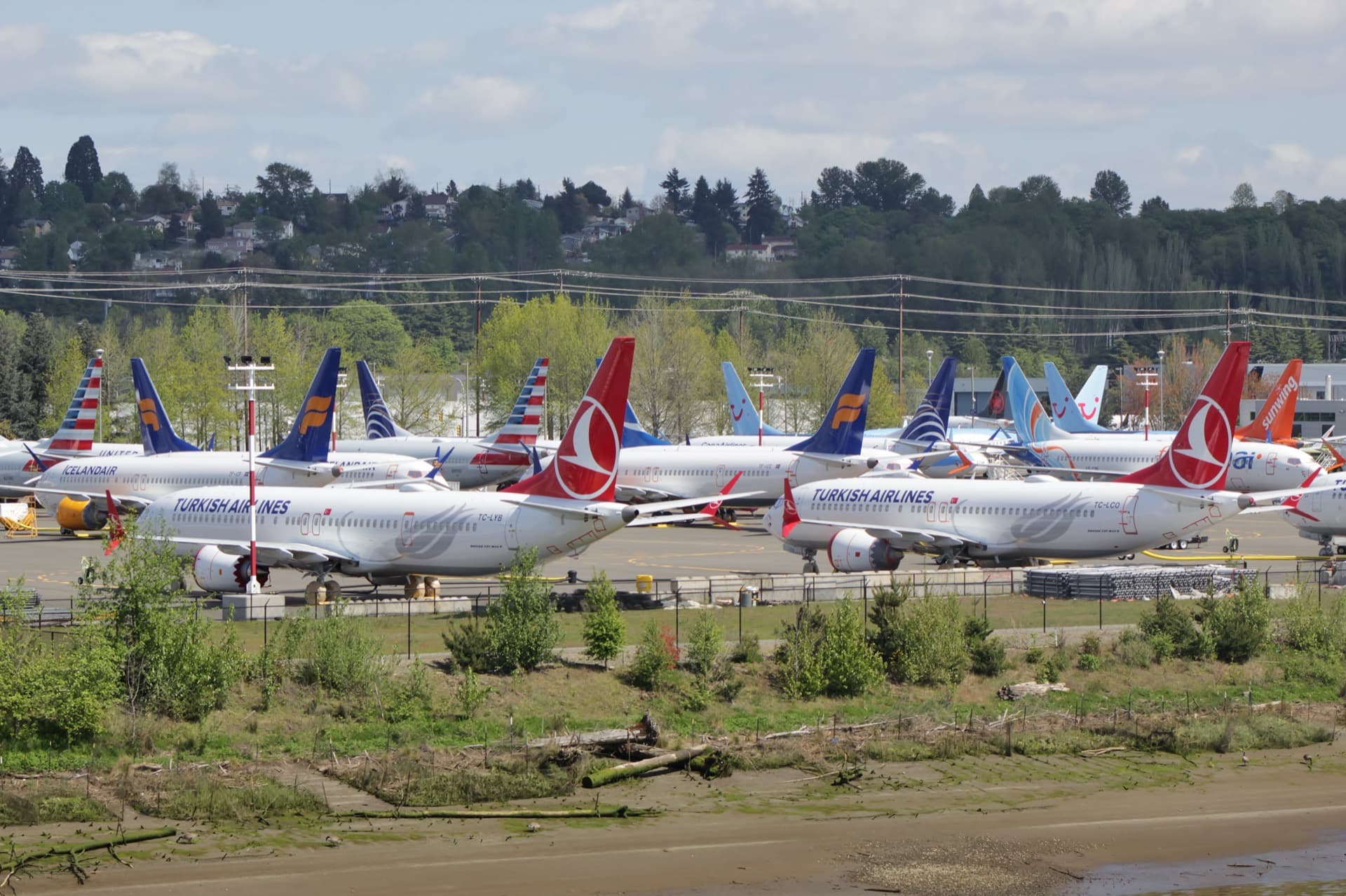
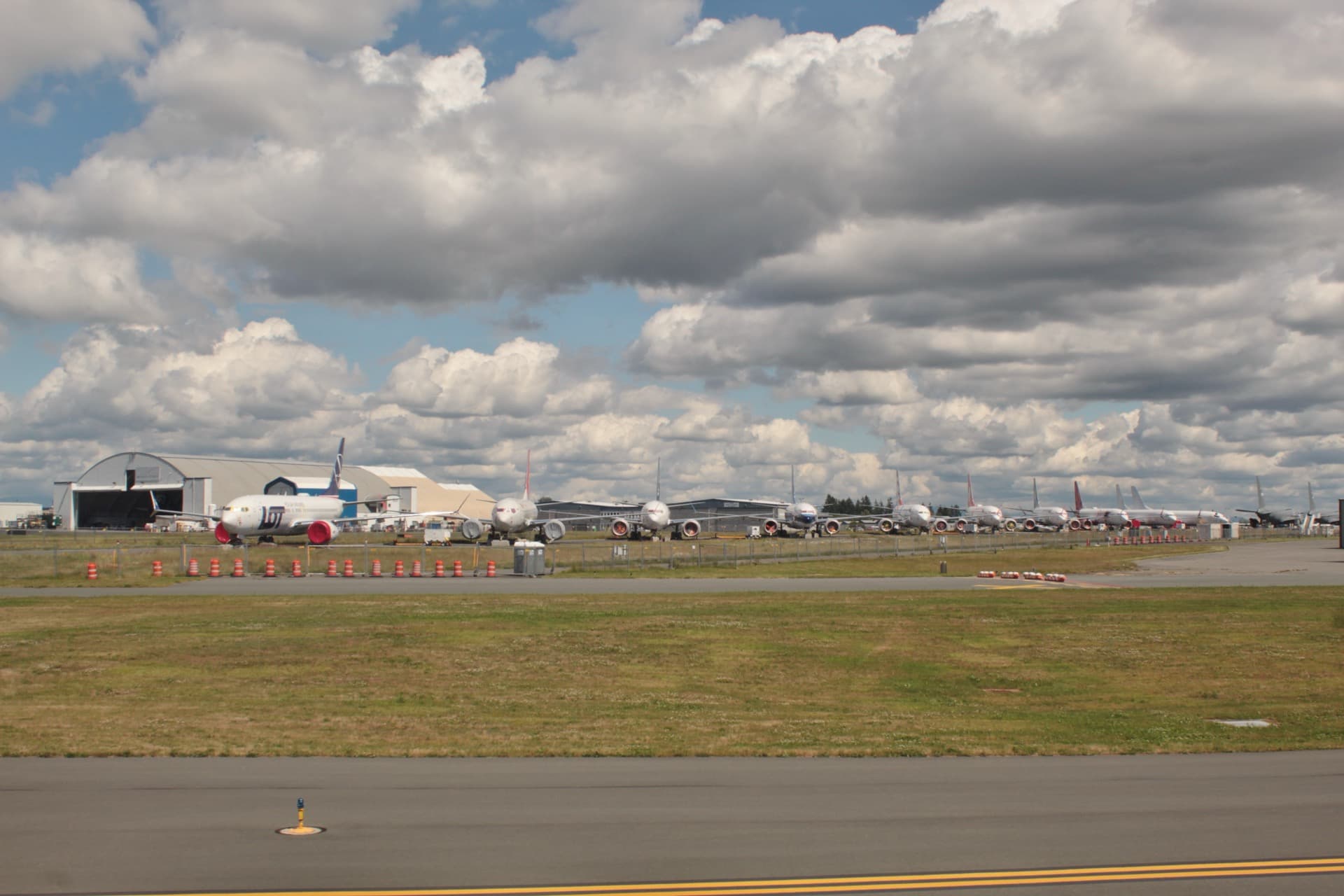
MCAS relied on a single angle-of-attack sensor, without a cross-check against its second sensor, and its existence was not described in the flight manual pilots trained from. On 29 October 2018, a faulty sensor caused MCAS to repeatedly push down the nose of Lion Air Flight 610 after takeoff from Jakarta; the crew could not diagnose the malfunction in time, and the 737 MAX 8 dived into the Java Sea, killing all 189 people aboard. Boeing and regulators issued guidance after the accident but did not ground the fleet. On 10 March 2019, the same failure mode brought down Ethiopian Airlines Flight 302 shortly after takeoff from Addis Ababa, killing all 157 aboard. Within days, aviation authorities worldwide grounded the 737 MAX (the United States, the last major regulator to act, ordered it on 13 March 2019) beginning the longest grounding of a US-certified airliner in history, which lasted until individual regulators cleared the type to fly again between November 2020 and early 2021.
Investigations found that Boeing had understated MCAS's authority and failure modes to the Federal Aviation Administration during certification, and that production pressure inside Boeing and delegated-oversight gaps inside the FAA had both weakened scrutiny of the system. Boeing paid over $2.5 billion in fines, compensation and remediation under a 2021 deferred-prosecution agreement with the US Department of Justice, redesigned MCAS to compare both angle-of-attack sensors and give the crew clear means to disable it, and its chief executive departed under pressure in December 2019.
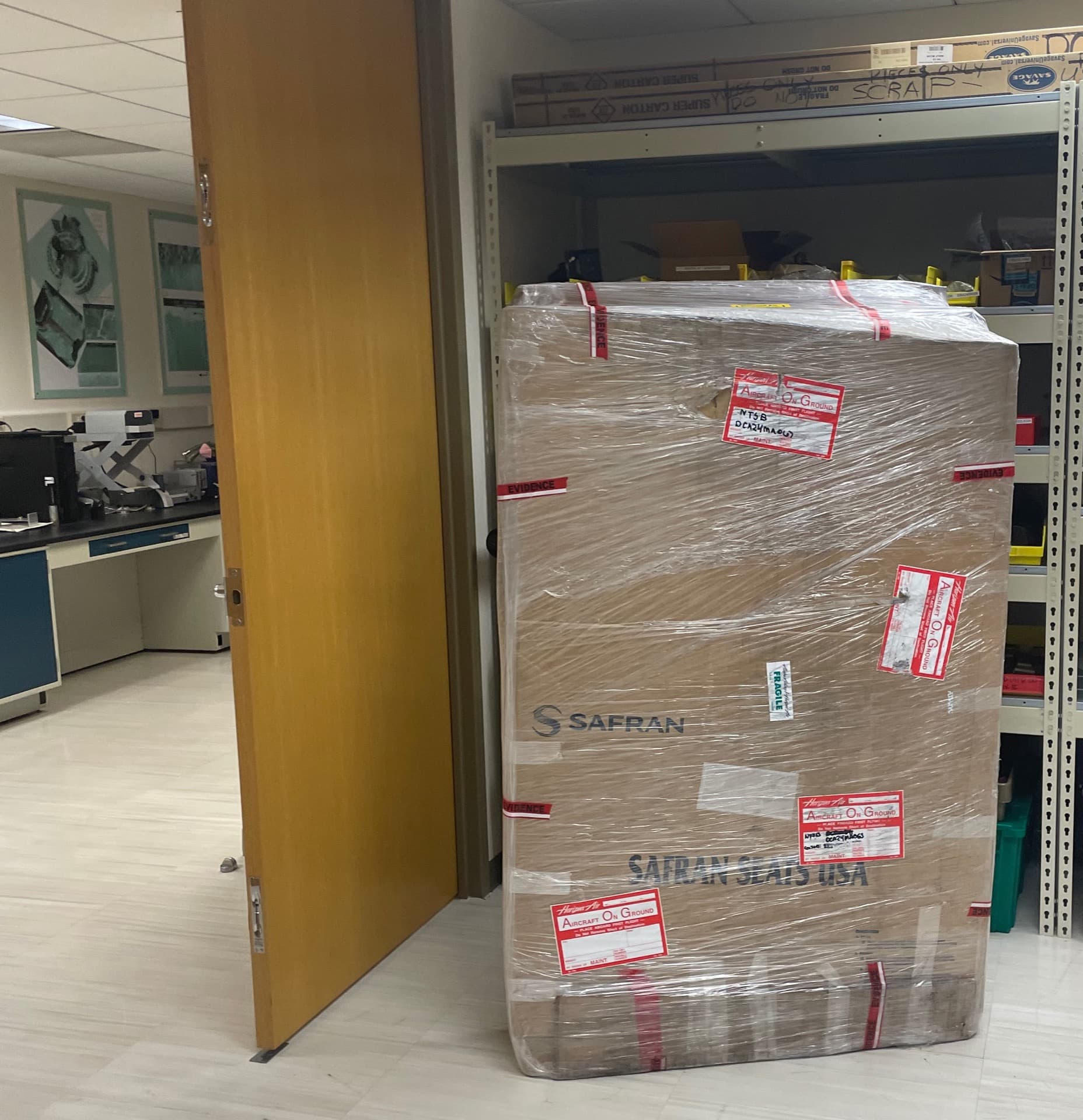
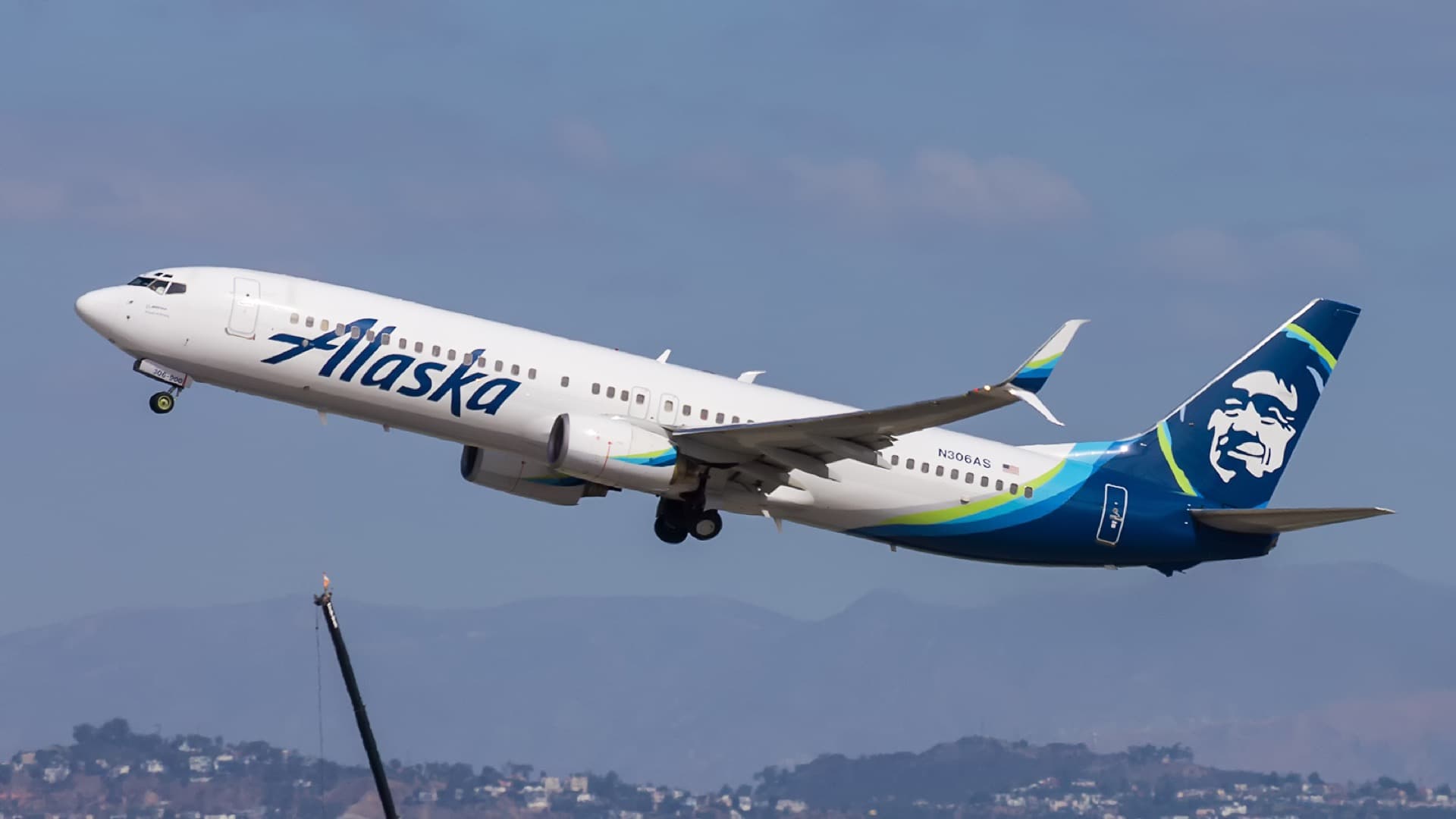
Production quality returned to scrutiny on 5 January 2024, when a door plug fitted in place of an unused emergency exit blew out of Alaska Airlines Flight 1282 shortly after takeoff, depressurising the cabin at altitude; the crew returned safely to Portland and no one was killed. The National Transportation Safety Board found that bolts meant to secure the plug had been removed during a rework at Boeing's Renton factory and never reinstalled, and the accident triggered a fresh FAA audit of Boeing's production line, a cap on MAX output, and renewed congressional and public scrutiny of the company's manufacturing quality culture in the years since the MAX crashes.
Despite that history, the 737 remains the aircraft that did more than any other to put short-haul jet travel within reach of ordinary passengers, and it continues to sell in the thousands: by the mid-2020s well over eleven thousand had been built, more than any other jet airliner, and the MAX order backlog stretched years into the future.
Development
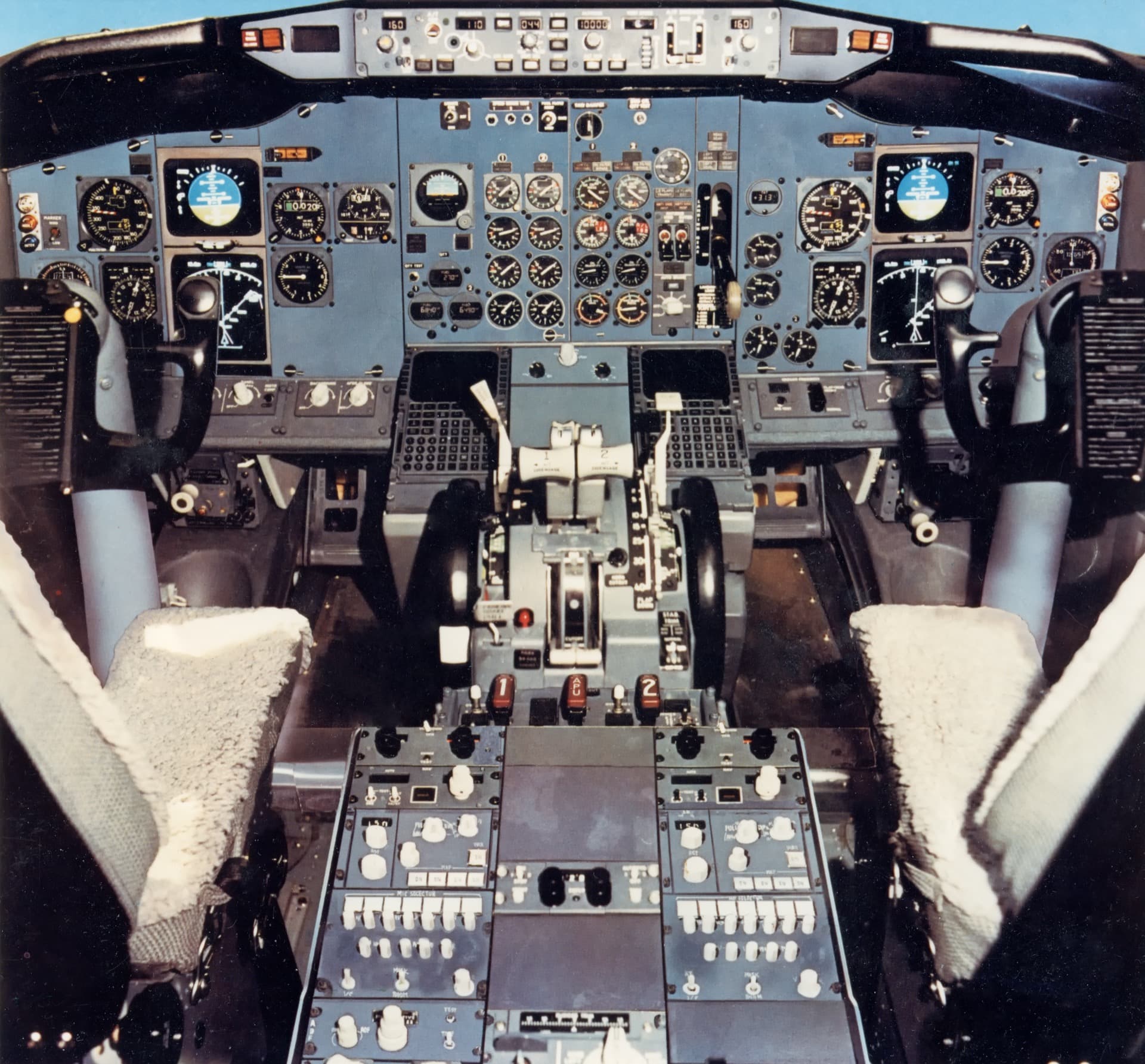
Boeing designed the 737 to reuse as much of the 707 and 727 as it could, sharing the same fuselage cross-section and much of the same cockpit systems and cabin fittings to cut development cost and let airlines cross-train crews and share spares between types. The wing-mounted, underslung engine layout was itself a departure from the rear-fuselage-mounted engines Boeing had used on the 727, chosen because it kept the wing structure lighter and left the tail simpler, at the cost of ground clearance that would later constrain every re-engining decision the programme made.
Each subsequent generation solved a version of the same problem: how to fit a bigger, more efficient engine under a wing that was designed for a much smaller one. The Classic's CFM56 needed the nacelle flattened along its bottom to clear the runway; the MAX's LEAP-1B needed the whole engine moved forward and raised, which is what changed the aircraft's aerodynamics enough to require MCAS. Boeing chose incremental re-engining and re-winging over an all-new airframe at every stage because it preserved the 737's single pilot type rating across generations, the commercial logic that also, in the MAX's case, shaped how conservatively the programme tried to hide the aircraft's handling changes from pilots rather than requiring new training.
Design
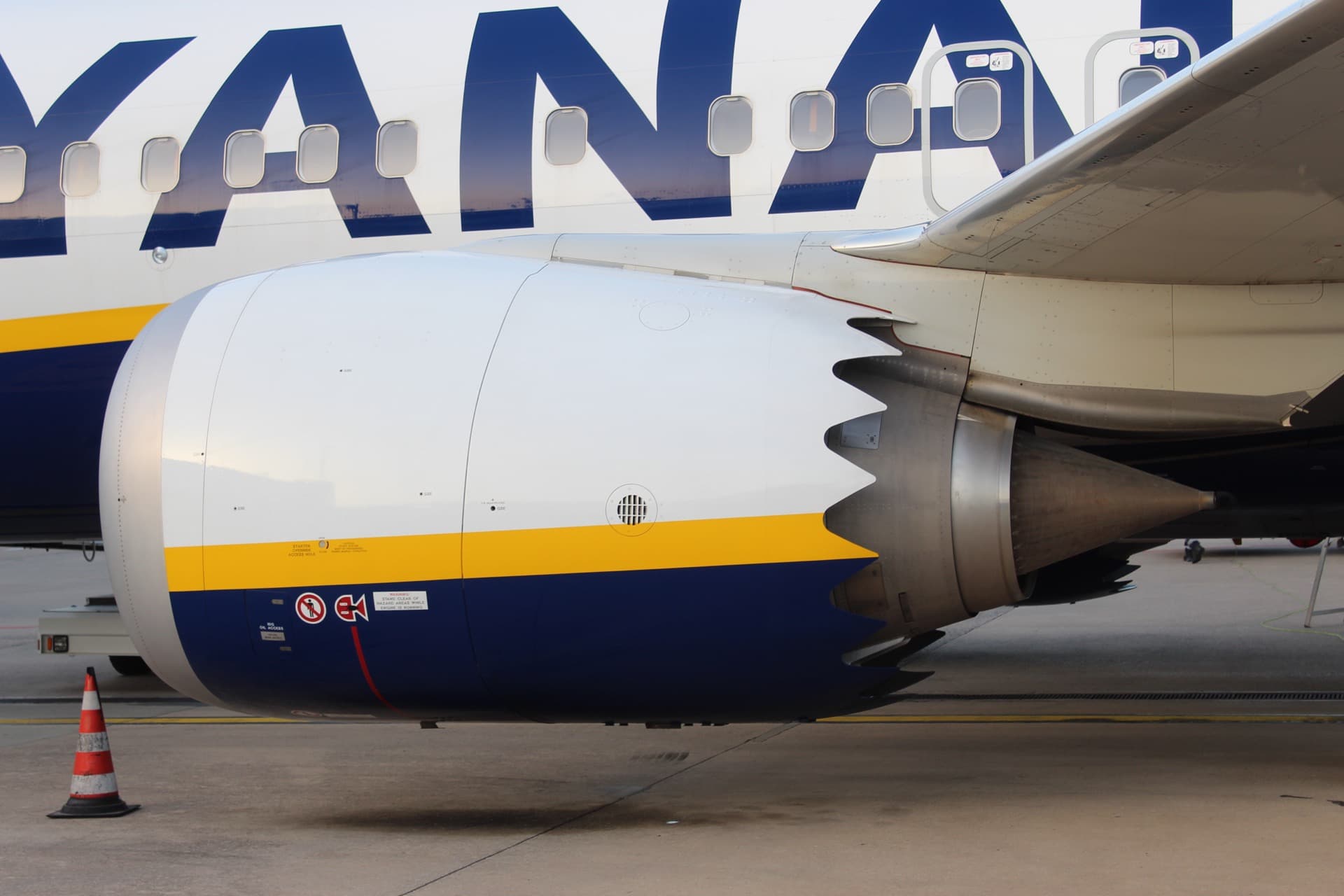
The 737's most visible identity across sixty years of production is the low-slung, non-circular engine nacelle forced on it by that original decision to keep the fuselage close to the ground for easy loading with airstairs, at airports without jet bridges. Every generation after the Original kept that low stance, and every re-engining programme had to design around it rather than simply hanging a larger, more efficient engine underneath in the normal way. The Next Generation's redesigned wing, with a larger area and a modestly greater span, gave the -600 through -900 variants meaningfully better fuel burn and range than the Classics they replaced, and its blended winglets, retrofitted to many older 737s as well, became one of the most recognisable Next Generation identifiers. The MAX carries a further-redesigned wing with split-tip winglets combining a blended and a raked design, chosen after wind-tunnel testing showed it gave the best balance of drag reduction and wingspan within airport gate-size limits.
Technical characteristics
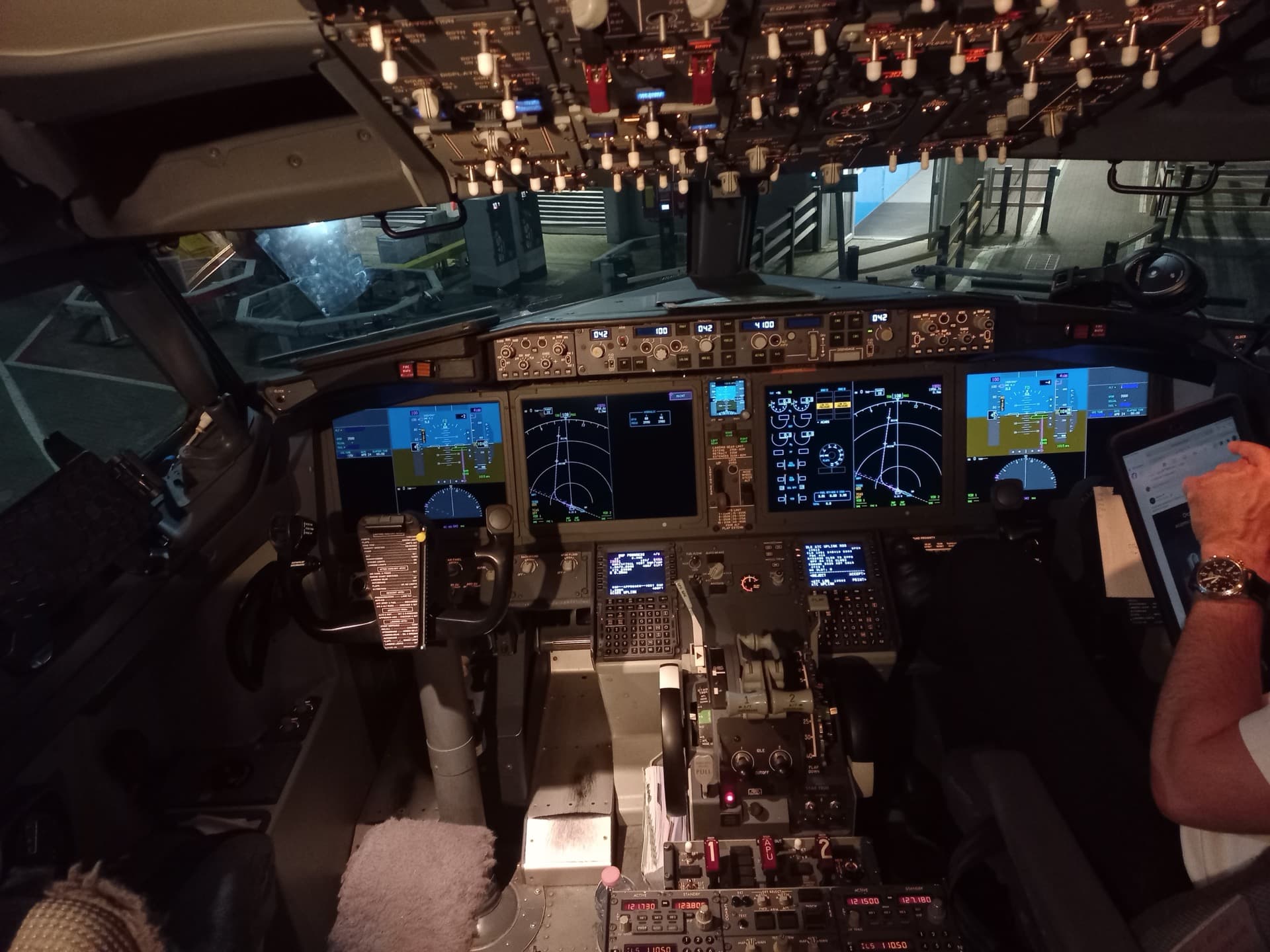
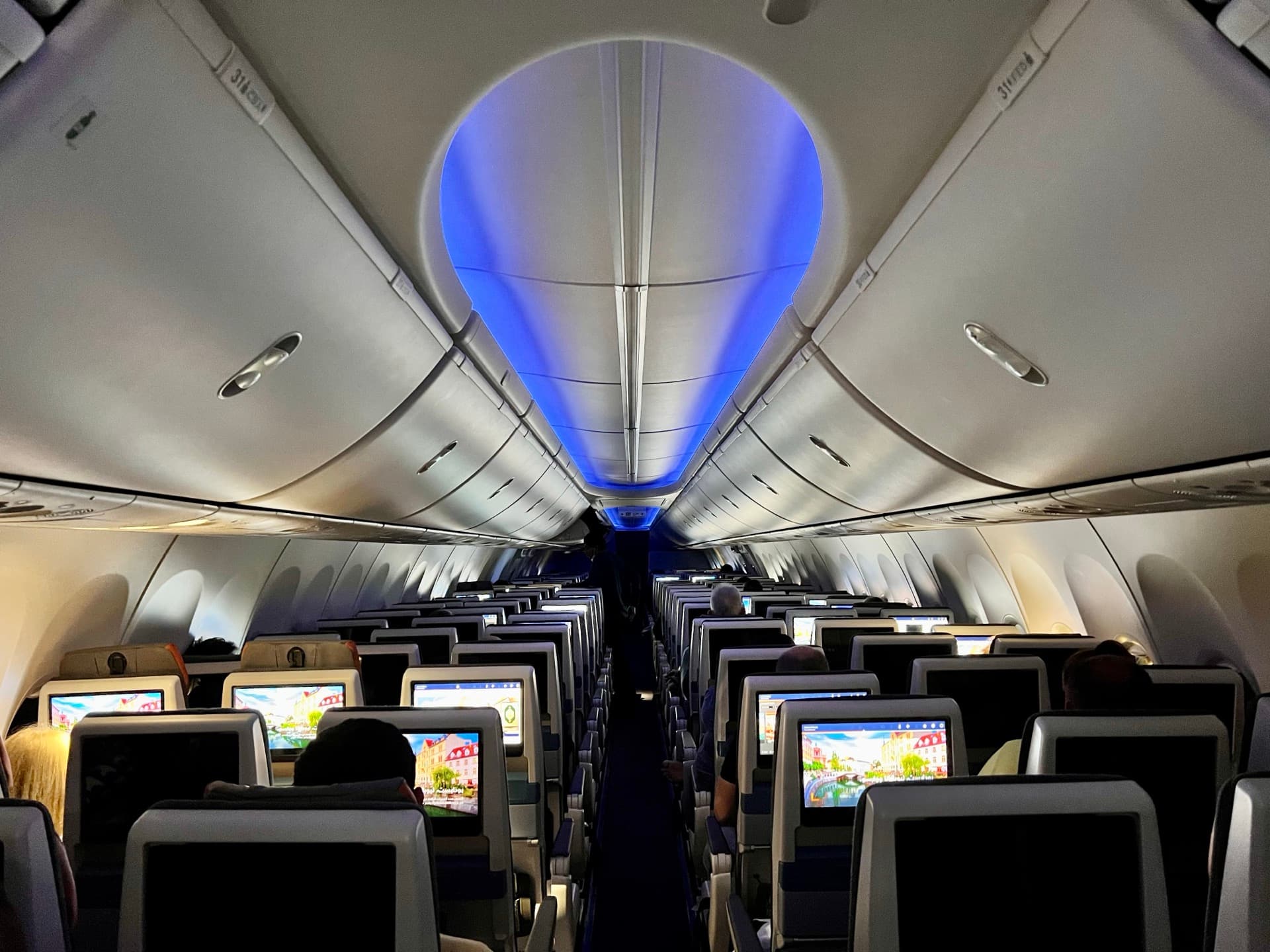
Flight-deck instrumentation changed more than almost any other system across the family: the Original and Classic used conventional electromechanical dial instruments, the Next Generation introduced a six-display glass cockpit built around large-format cathode-ray and later LCD screens, and the MAX carries further-updated LCD primary flight and navigation displays while retaining the same overall crew interface so pilots could move between NG and MAX with minimal extra training, the same continuity of type rating that shaped the MCAS decision. Cabins evolved similarly: the Next Generation and MAX both offer the Boeing Sky Interior, with contoured sidewalls, larger overhead bins and LED mood lighting, standard on later production aircraft and available as a retrofit on earlier Next Generation airframes. The MAX's CFM LEAP-1B engines, combined with the redesigned wing and winglets, give it roughly 14 percent better fuel efficiency per seat than the Next Generation aircraft it replaces, the improvement Boeing built the entire MAX programme to deliver.
Production
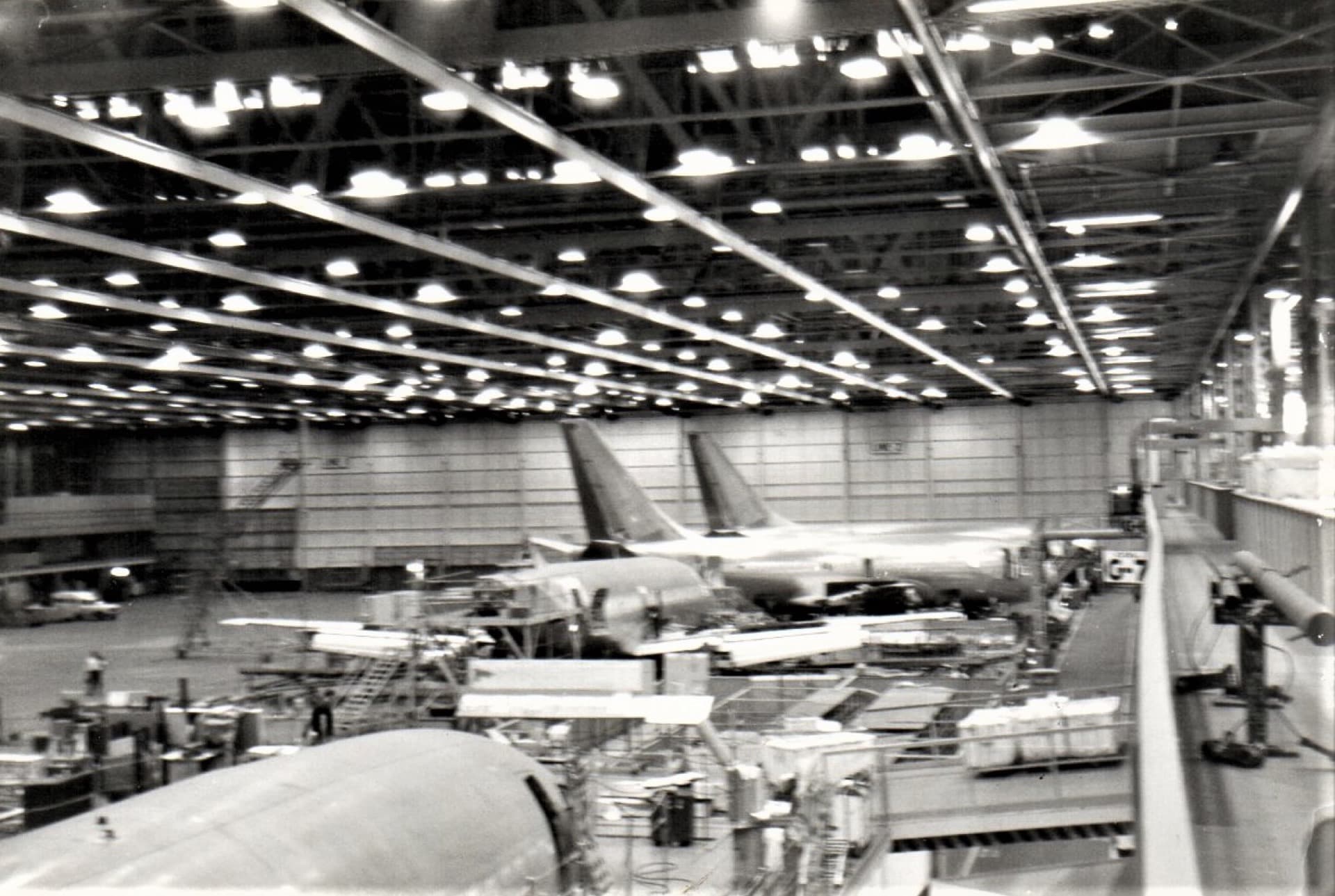
The 737 has been assembled on a single final-assembly line at Boeing's factory in Renton, Washington, since deliveries began in 1967, one of the highest-rate commercial aircraft production lines ever operated, moving airframes continuously along a moving line rather than building each one in a fixed position. Production rates climbed for decades to meet demand, reaching over 50 aircraft a month for the Next Generation and MAX programmes combined at their peak before the MAX grounding halted deliveries, and Boeing capped MAX output well below pre-grounding levels after the 2024 Alaska Airlines door-plug accident while regulators audited the Renton line's quality controls. By the mid-2020s more than 11,500 737s of all generations had been built, more than any other jet airliner in history, with the MAX order backlog alone standing in the thousands.
Operators
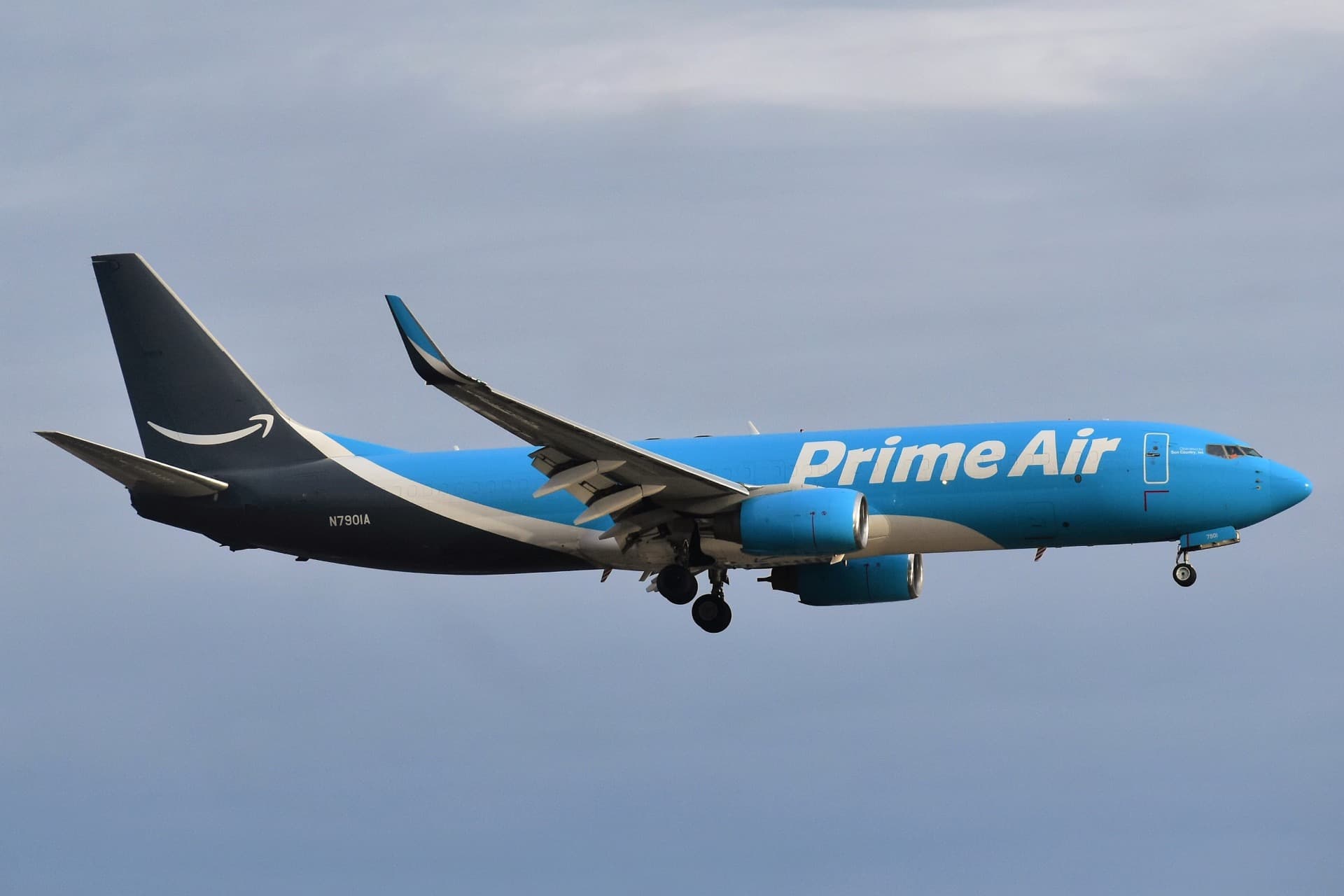 Boeing 737-84P(BCF)
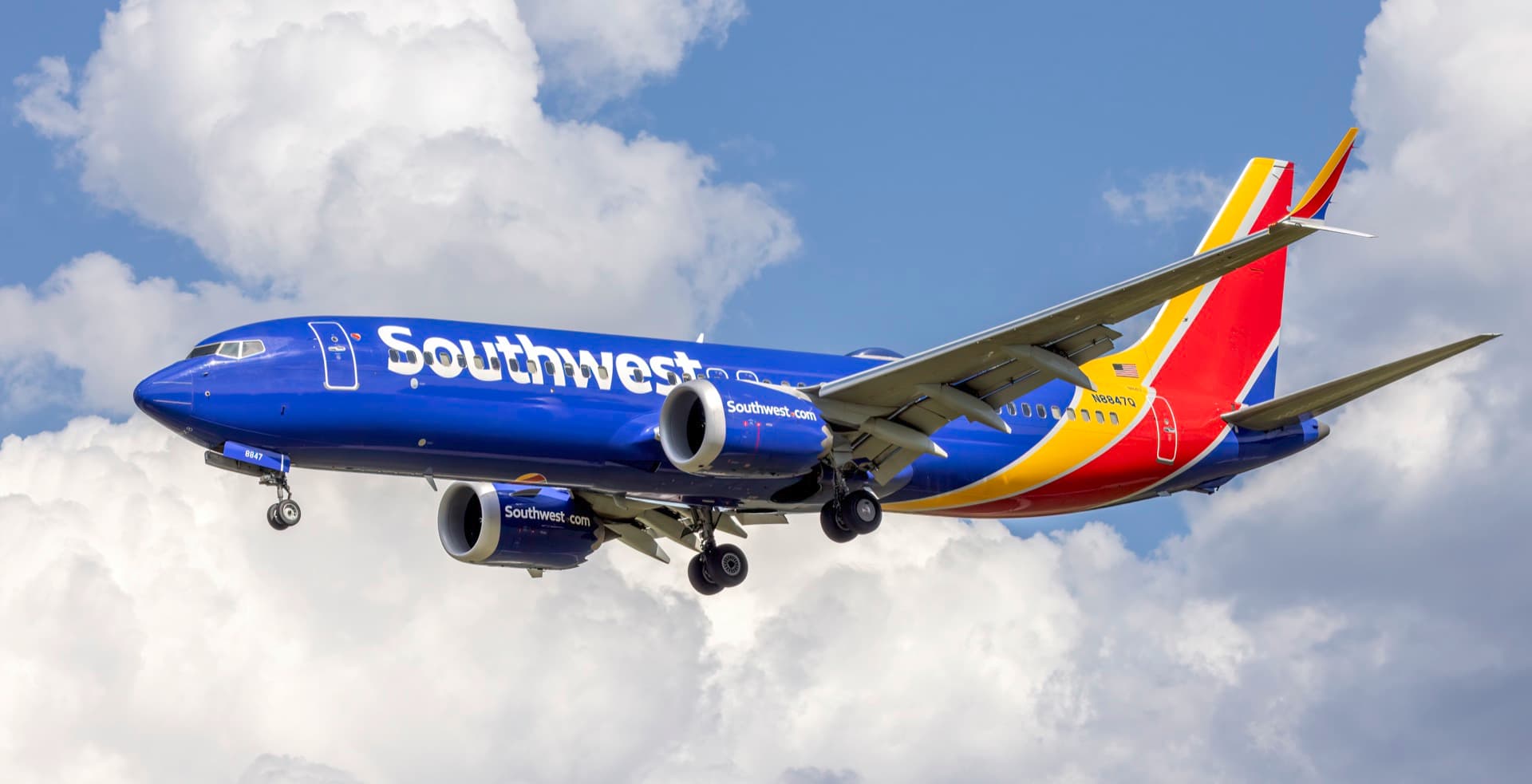
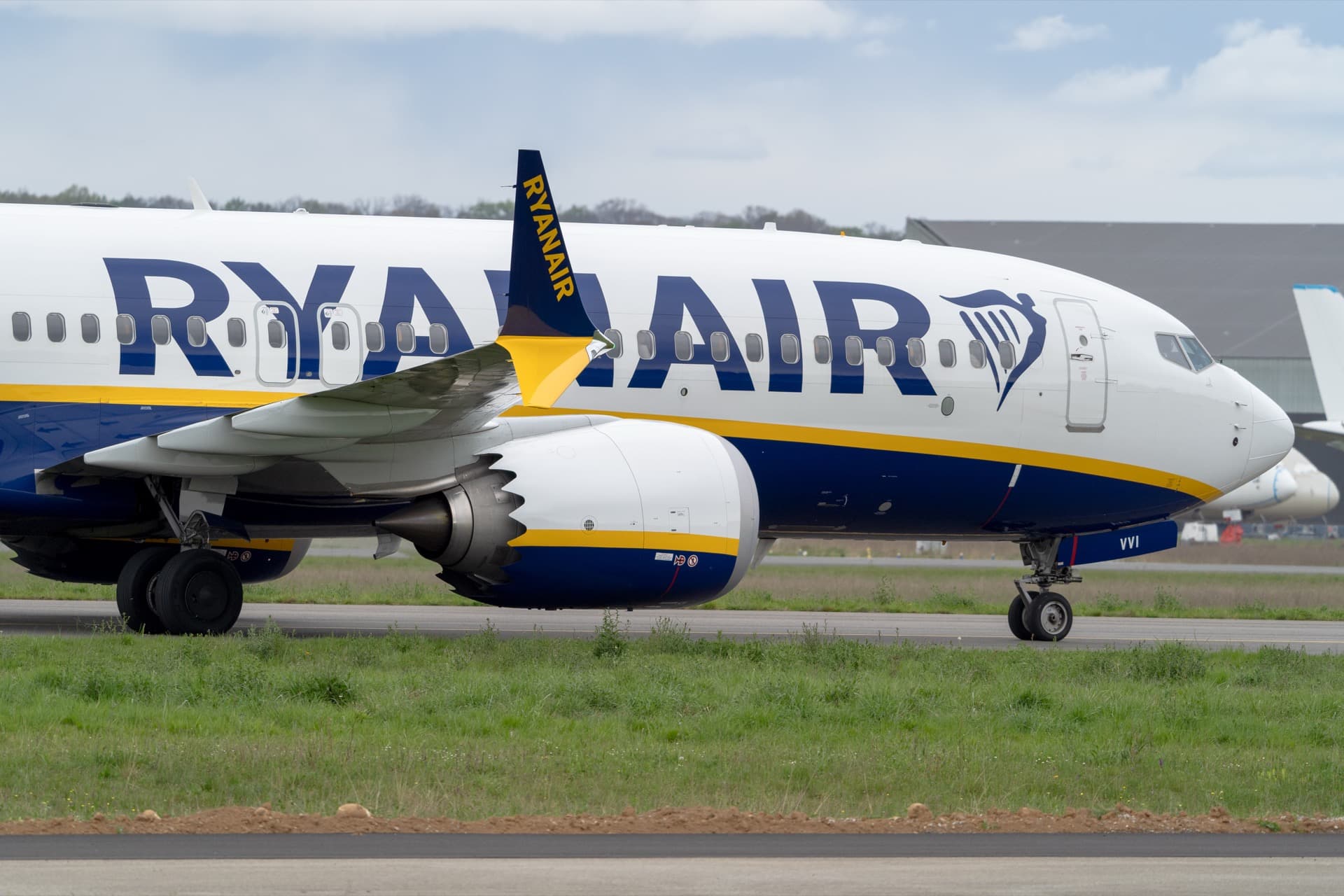
The 737 has been flown by hundreds of airlines on every continent except Antarctica, and several carriers built their entire business model around it: Southwest Airlines has operated the type exclusively since its founding in 1971 and remains the largest 737 operator in the world, and Ryanair built Europe's largest low-cost airline on a fleet of 737-800s and now MAX 8-200s. Alaska Airlines, flydubai, SAS and dozens of other passenger carriers operate the type across its Next Generation and MAX variants, while converted freighters, including 737-800BCF and -700C conversions, fly for cargo integrators and e-commerce operators such as Amazon Prime Air's contracted carriers, extending the airframe's working life well beyond its original passenger service.
Legacy
No jetliner has shaped ordinary air travel as broadly as the 737. It made short-haul jet flying routine and affordable on the routes most passengers actually fly, gave low-cost carriers from Southwest to Ryanair the aircraft their business models were built on, and remains, more than any single 747 or A380 flagship ever could, the airplane most people who have flown have actually flown on. That legacy sits alongside the MAX crashes and the accountability crisis that followed them: the programme forced the aviation industry to re-examine how much a manufacturer may certify itself, and left Boeing under a level of regulatory and public scrutiny it had not faced in decades. Both facts belong to the same aircraft, and neither erases the other: the 737 is simultaneously the airplane that did the most to make flying ordinary, and the one that showed most starkly what happens when the pressure to keep an old design flying runs ahead of the engineering underneath it.
Model evolution
Boeing 737 Original (-100/-200)
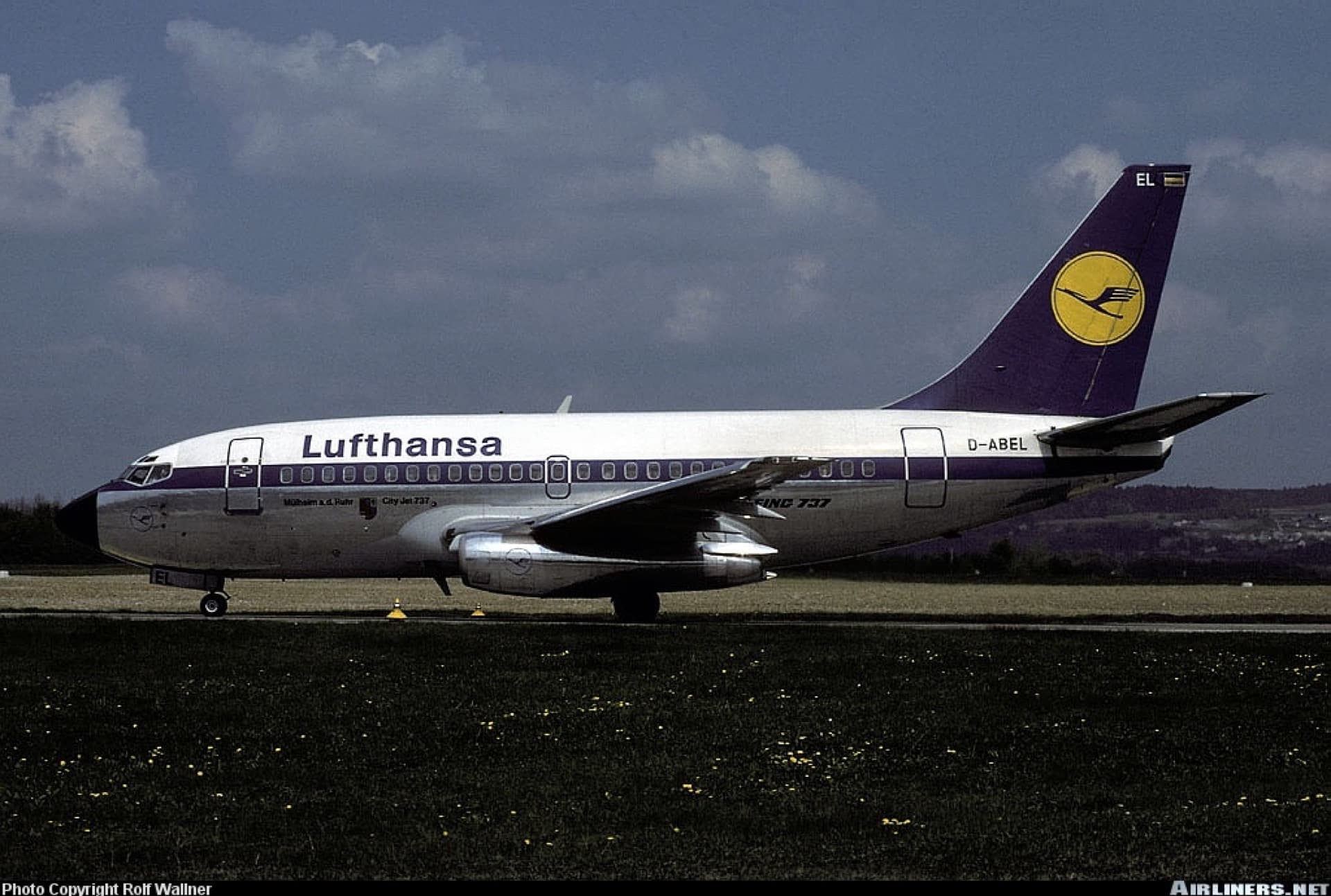
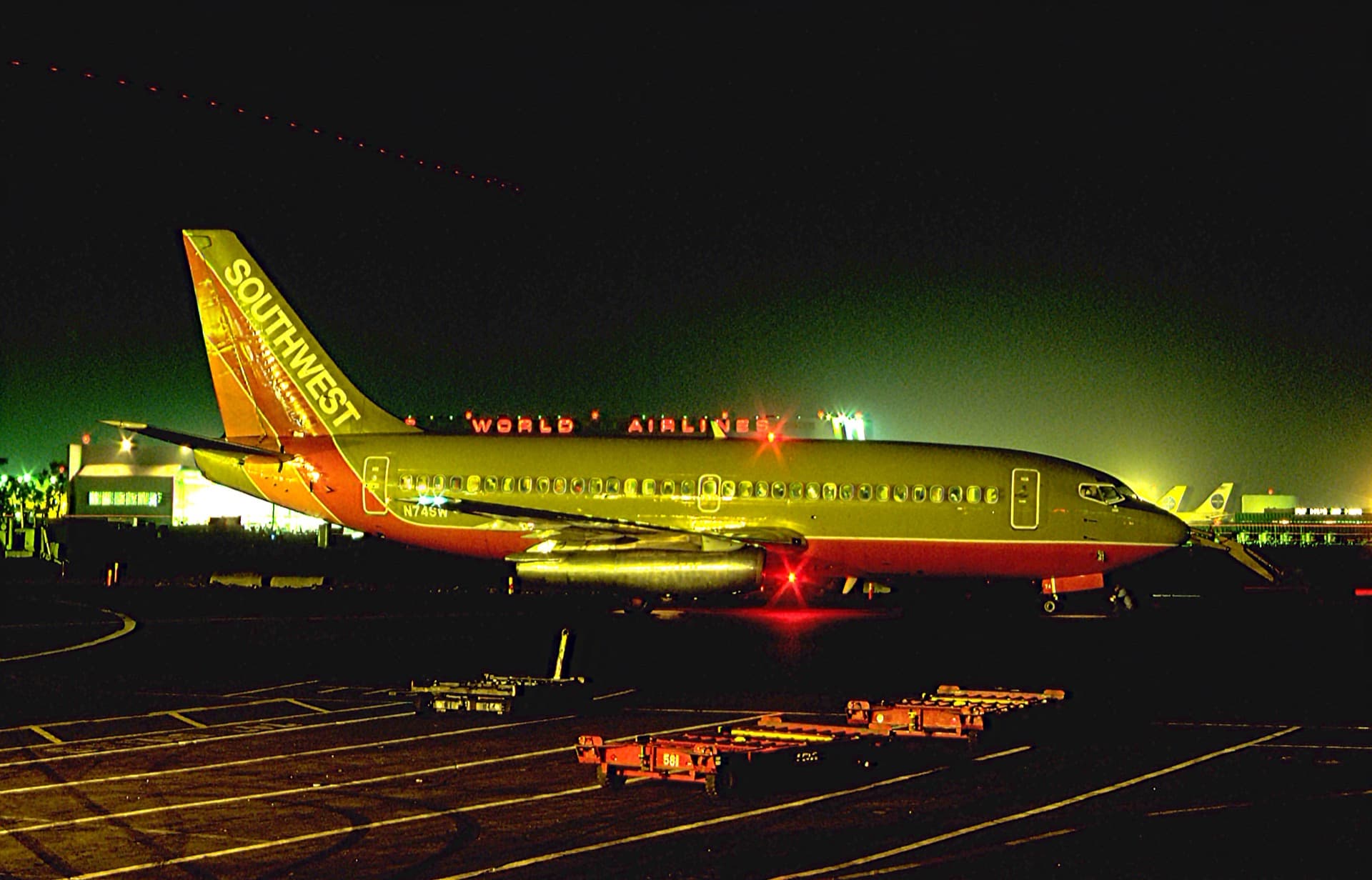
1968The founding generation, launched by Lufthansa in 1968 with the short 737-100 and the more successful, longer 737-200 that followed a year later. Powered by Pratt & Whitney JT8D turbojets slung low and close beneath the wing for easy ground servicing at airports without jet bridges.
Established the low, wing-mounted engine layout, the shared fuselage cross-section with the 707/727, and the two-pilot flight deck every later 737 kept. The 737-200 stretched the fuselage and added the Advanced package of aerodynamic refinements and uprated engines that made it the commercially dominant early version. Built to compete with the Douglas DC-9 on short-haul routes Boeing's larger 707 and 727 could not serve economically, using low-cost, low-clearance engine mounting to keep ground operations simple at smaller airports.
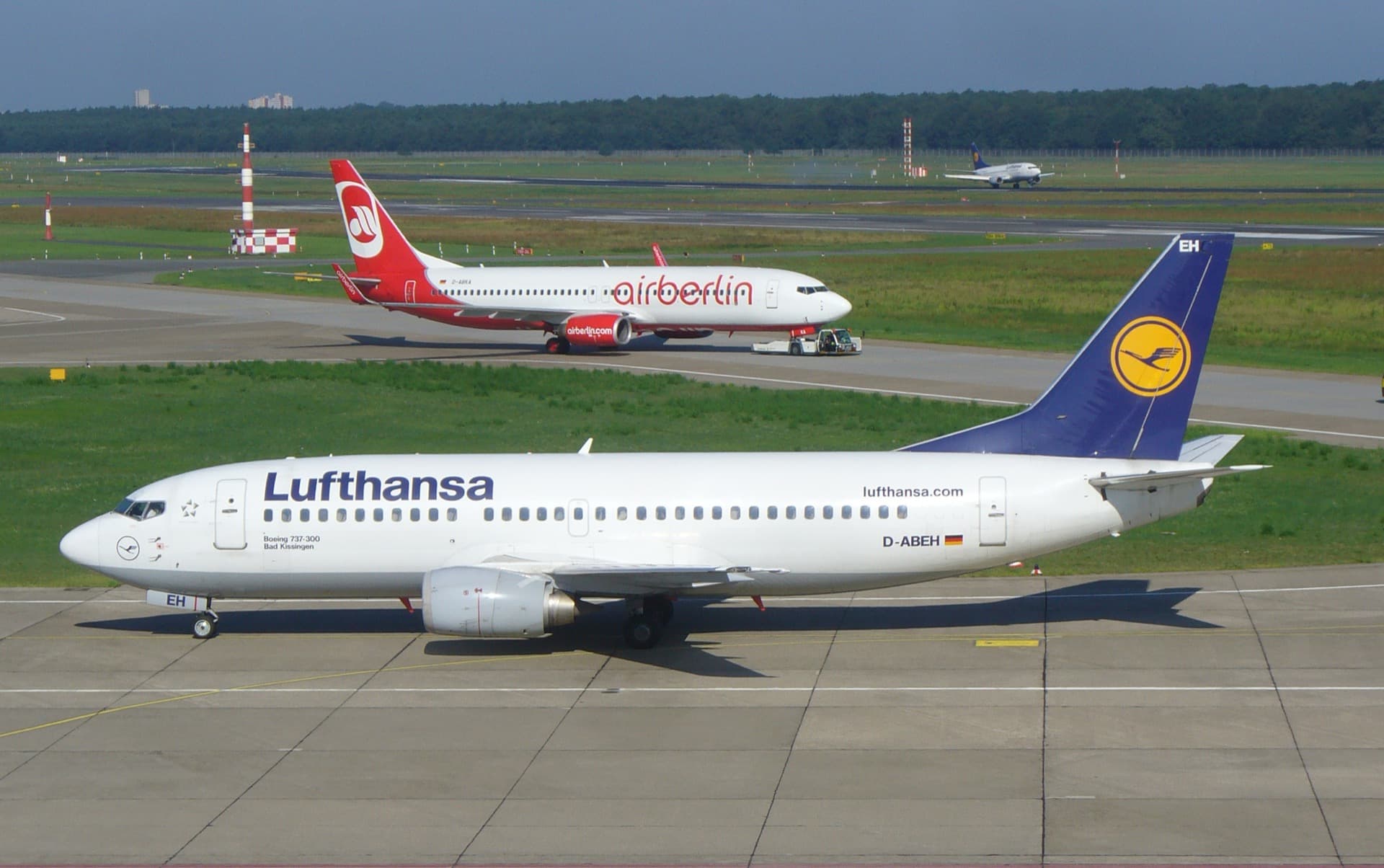
Boeing 737 Classic (-300/-400/-500)
1984A thorough re-engining and modest redesign that kept the Original's fuselage and low wing position but replaced its ageing turbojets with far more efficient turbofans, extending the type's competitive life through the 1980s and 1990s against the new Airbus A320.
Replaced the JT8D with the CFM56 turbofan, too large in diameter for the low wing's normal circular nacelle, so engineers flattened the bottom of the cowling to keep enough ground clearance: the origin of the 737's distinctive non-circular nacelle shape kept on every later generation. Airlines needed the CFM56's far better fuel economy and lower noise to stay competitive, but a full redesign was judged too costly, so Boeing engineered around the wing it already had rather than raising it.
A commercial success that outsold the Classic's direct rival, the early A320, on price and dispatch reliability, though its analogue cockpit was increasingly seen as dated next to Airbus's fly-by-wire, glass-cockpit design.
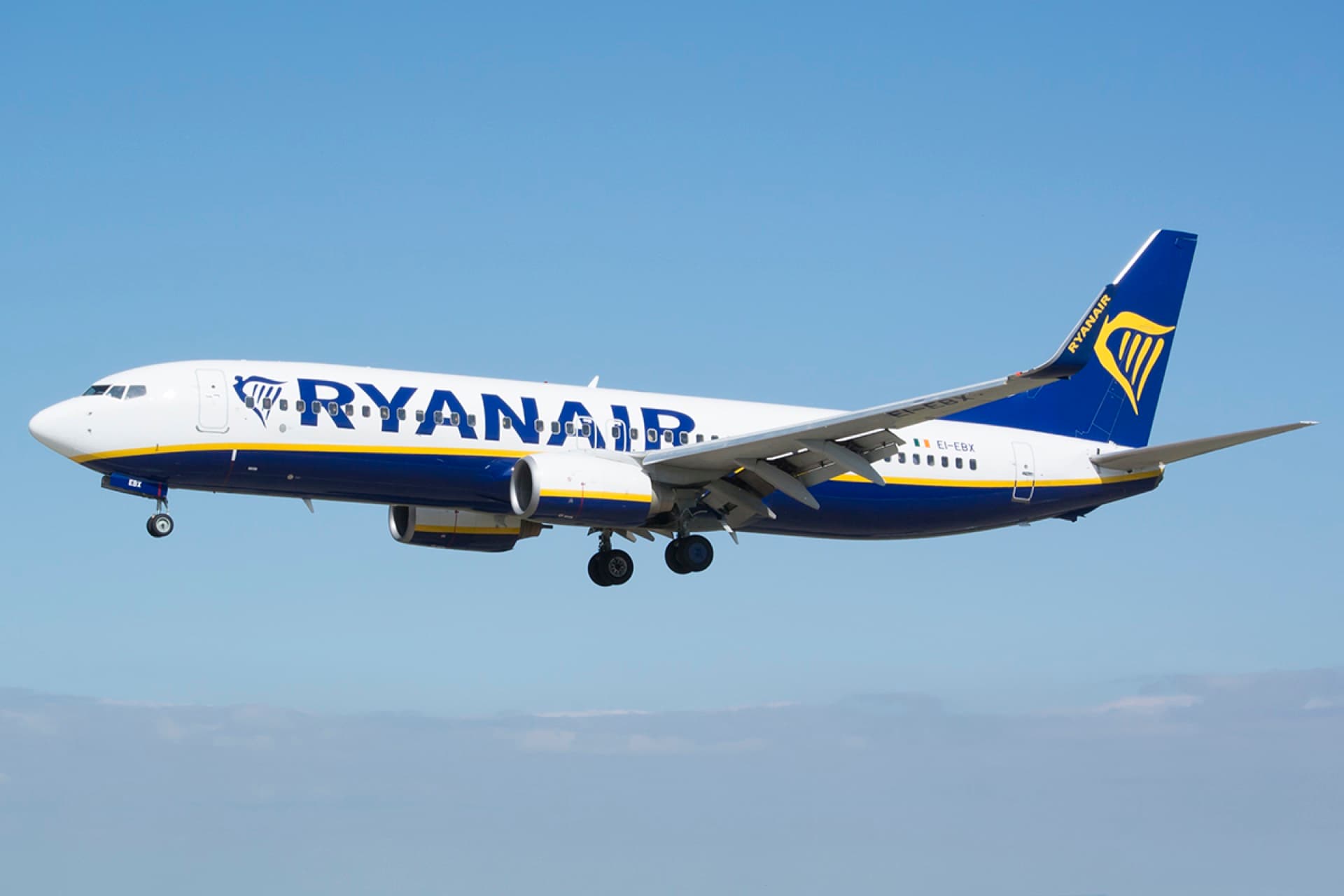
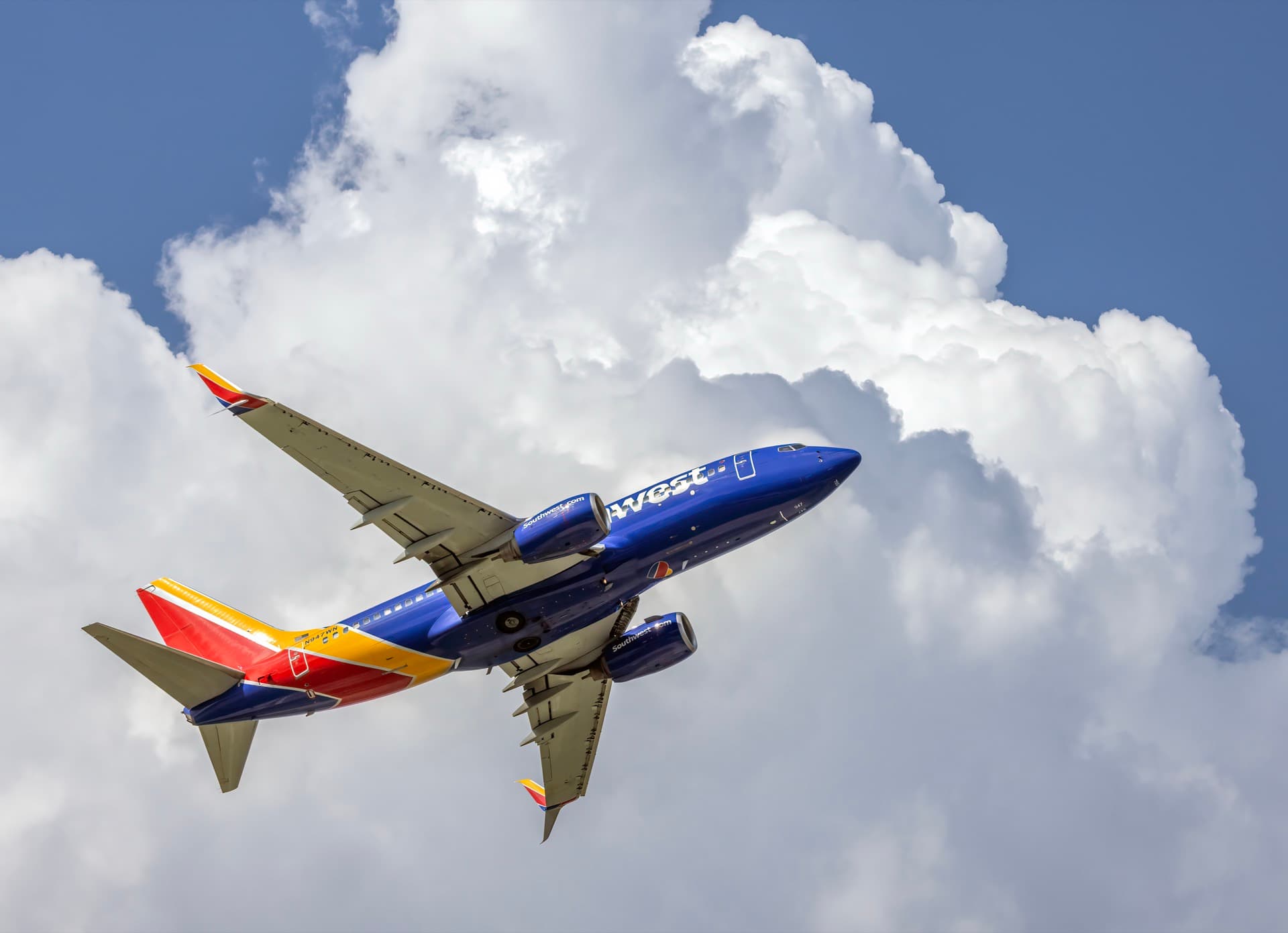
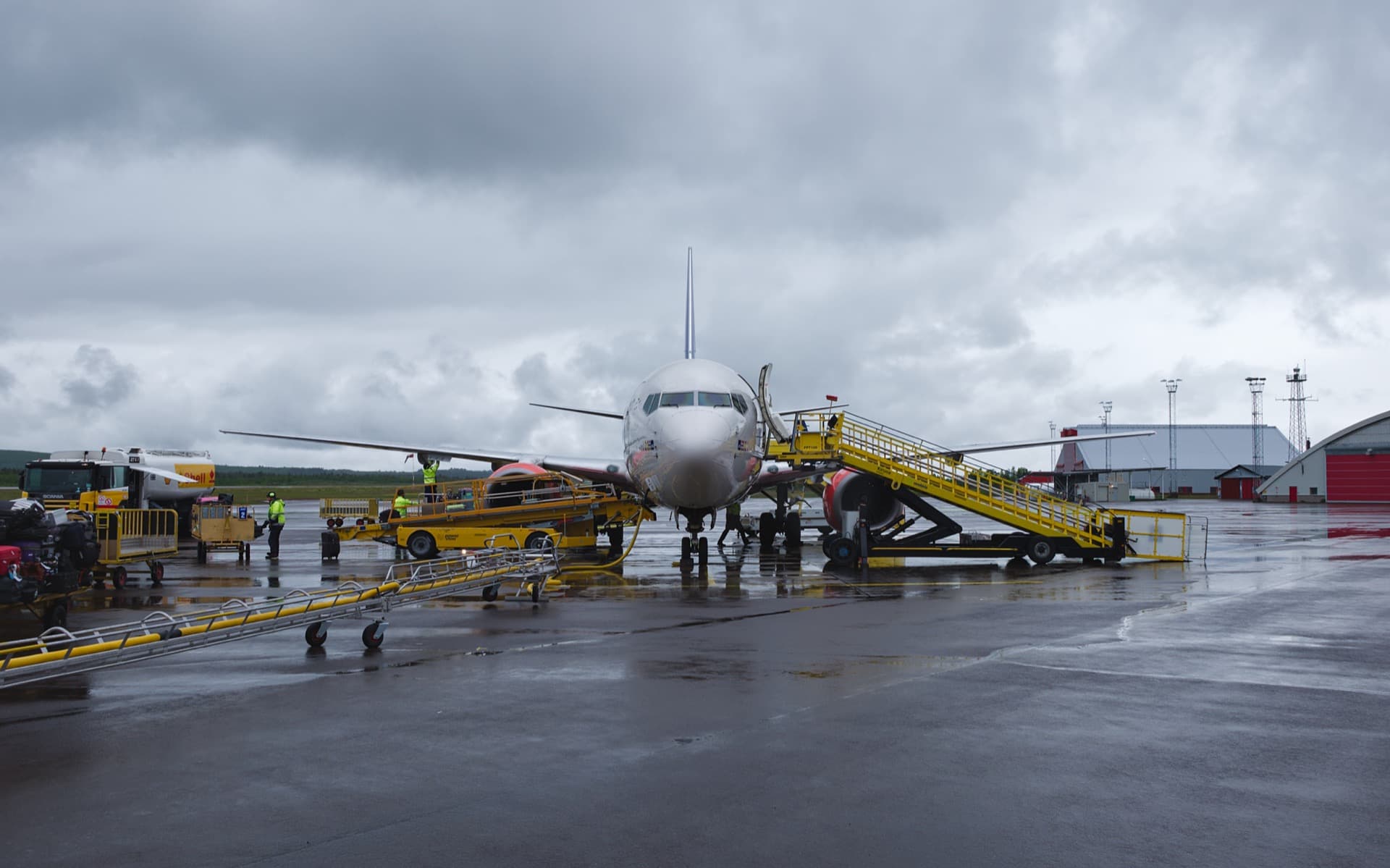
Boeing 737 Next Generation (-600/-700/-800/-900)
1997A near-total redesign launched in 1993 and delivered from 1997, spanning four fuselage lengths from the compact -600 to the stretched -900, and becoming the version most passengers picture when they think of a 737, with the -800 in particular flown in huge numbers by low-cost carriers worldwide.
Introduced a new, larger wing with greater area and span, a redesigned tail, a six-screen glass cockpit replacing the Classic's dial instruments, and later, blended winglets that improved fuel burn and range enough to compete directly with the Airbus A320. Boeing needed a genuine technological match for the A320 rather than another incremental update, while still preserving a common type rating with earlier 737s to protect the fleet-commonality advantage airlines valued most.
Became the best-selling 737 generation before the MAX, prized by low-cost carriers for its low operating cost and dispatch reliability, and the direct basis for military derivatives including the P-8 Poseidon.
Boeing 737 MAX (7/8/9/10)
2017The fourth generation, launched in 2011 to match the fuel efficiency of the re-engined Airbus A320neo, entering service in 2017 before becoming the centre of the two fatal MCAS-related crashes and the worldwide grounding of March 2019 to late 2020.
Fitted larger CFM LEAP-1B engines moved forward and higher on a redesigned wing with split-tip winglets to preserve ground clearance, a change in engine position that altered pitch handling enough that Boeing added the MCAS flight-control software rather than requiring new type-rating training. Boeing chose to re-engine the existing 737 airframe rather than design a clean-sheet replacement, to protect the type's single pilot rating and beat the A320neo to market: commercial priorities that also shaped how MCAS was designed and disclosed.
Sold strongly at launch, then grounded worldwide for nearly two years after the Lion Air and Ethiopian Airlines crashes; returned to service under redesigned MCAS software and new pilot training, and remained under heightened scrutiny after the 2024 Alaska Airlines door-plug accident, even as order volumes recovered.
Blueprints
- 737 MAX, Boeing
- 737 Family, Boeing
- Type Certificate Data Sheet A16WE — Boeing 737, Federal Aviation Administration
- Aircraft Accident Investigation Report KNKT.18.10.35.04 — Lion Air Flight 610, Komite Nasional Keselamatan Transportasi (Indonesian NTSC)
- Aircraft Accident Investigation Report — Ethiopian Airlines Flight 302, Ethiopian Aircraft Accident Investigation Bureau
- Emergency Order of Prohibition — Boeing 737 MAX, Federal Aviation Administration
- Preliminary Report DCA24MA063 — Alaska Airlines Flight 1282, National Transportation Safety Board
- Boeing 737 production list, Planespotters.net
- Flawed Analysis, Failed Oversight, The Seattle Times
- Boeing 737, Wikipedia
Checked September 2, 2026